
Photography enthusiasts, have you ever noticed those random streaks or spots of light in your images and wondered if they’re a mistake? Well, here’s the secret: that’s lens flare, and with photography tip 70, you can turn it from a nuisance into a creative tool. Let’s dive in and explore the magic of lens flare.
What is Lens Flare?
Lens flare happens when a bright light source, like the sun or artificial lights, hits your camera lens directly. It can create streaks, rings, or hazy spots in your photos. While some photographers try to avoid it, others embrace it for artistic effect. Essentially, lens flare is light painting with your camera—unpredictable, yet full of possibilities.
Types of Lens Flare
Not all lens flare is created equal. Understanding the types helps you control them better.
Ghosting Flare
These are the colored orbs and shapes you see in your image, often aligned in a row. They appear when light reflects between lens elements.
Veiling Flare
Veiling flare is a haze or washed-out effect across part of your photo. While sometimes unwanted, it can also soften the mood and give a dreamy vibe.
Why Lens Flare Can Enhance Your Photos
Many think lens flare ruins pictures, but used strategically, it can elevate them.
Adding Drama and Mood
Imagine the warm streaks of sunlight cutting across a portrait—it instantly adds emotion and intimacy. Lens flare can make an image feel alive.
Creating a Cinematic Feel
Ever watched movies with dramatic sunlight streaks in every scene? That’s lens flare in action. It can transform ordinary shots into cinematic masterpieces.
Tools You Need to Master Lens Flare
Before experimenting, equip yourself with the right gear.
Choosing the Right Lens
Prime lenses with fewer elements tend to produce cleaner flare. Wide-angle lenses are also great for capturing streaks and halos creatively.
Using Lens Filters
UV or ND filters can subtly alter flare patterns, and creative filters can add color and texture to your light streaks. Don’t underestimate the magic of a simple filter.
Shooting Techniques for Lens Flare
Lens flare isn’t just luck—it’s about technique.
Backlighting and Sun Position
Position your subject between your camera and the light source. Early morning or late afternoon light works wonders, creating gentle and beautiful flare.
Angles and Camera Movement
Tilt your lens slightly or change the camera angle to manipulate flare shapes. A small adjustment can create dramatically different effects.
Aperture Settings for Flare
Smaller apertures (f/11 or higher) produce more defined starburst effects, while wider apertures give a softer, hazier flare. Experiment to see what matches your vision.
Controlling Lens Flare Effectively
Don’t let lens flare get out of control. Here’s how to master it.
Using Lens Hoods Strategically
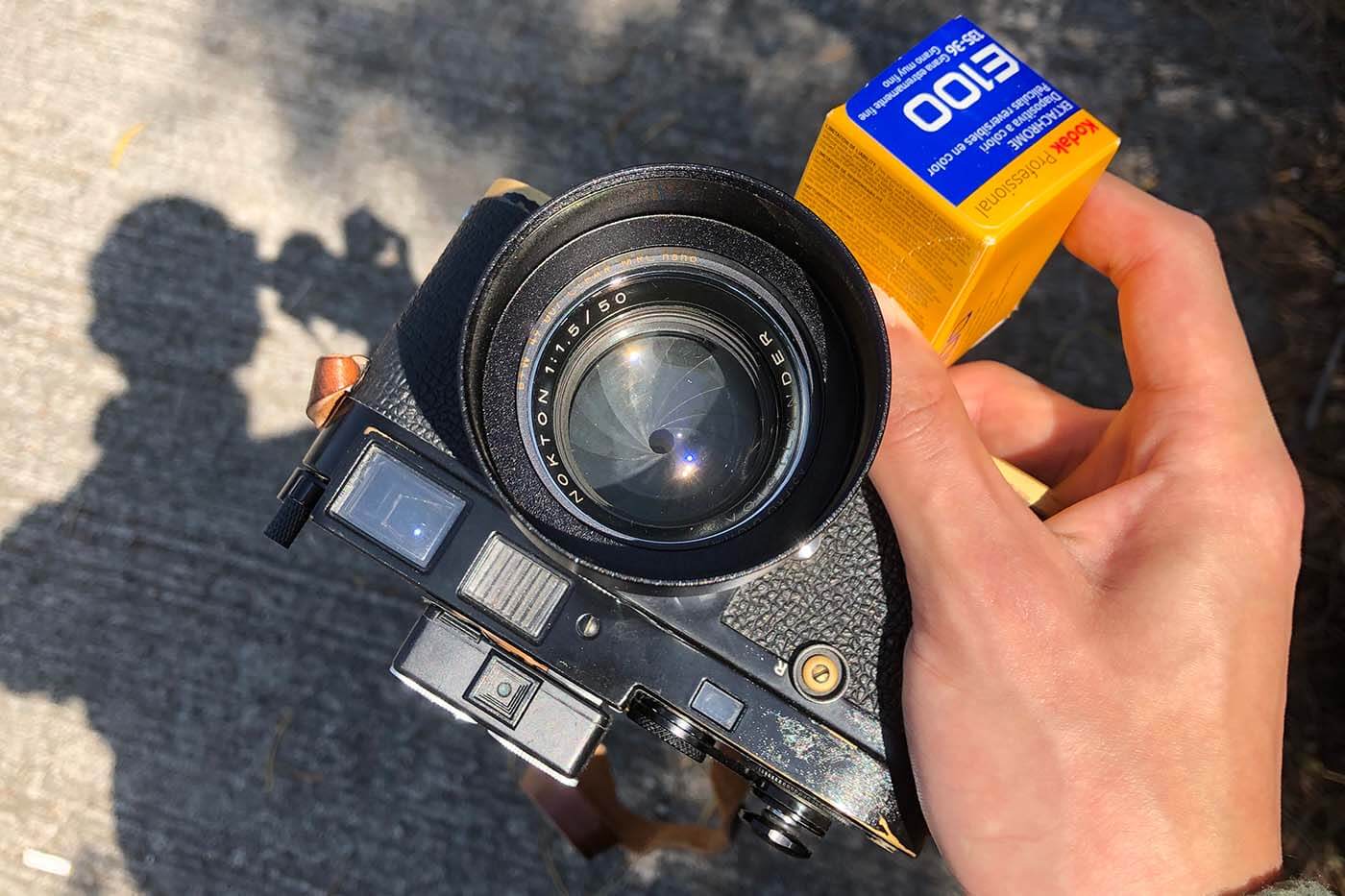
Lens hoods block unwanted stray light but can be partially removed or adjusted when you want a controlled flare effect. Think of it as your light sculpting tool.
Post-Processing Tips
Even if your flare is too subtle or strong, editing software allows you to enhance, tone down, or recolor it. Layering flare in Photoshop or Lightroom can mimic natural effects when necessary.
Common Mistakes and How to Avoid Them
Lens flare can be tricky. Avoid these pitfalls:
Overexposure Issues
Direct light can blow out highlights. Adjust exposure compensation or use spot metering to maintain balance.
Distracting Flare Patterns
Random or chaotic flare can distract from the subject. Always evaluate composition and remove flare that doesn’t add to the story.
Creative Ideas for Lens Flare Photography
Once you get comfortable, the creative possibilities are endless.
Portraits with Natural Flare
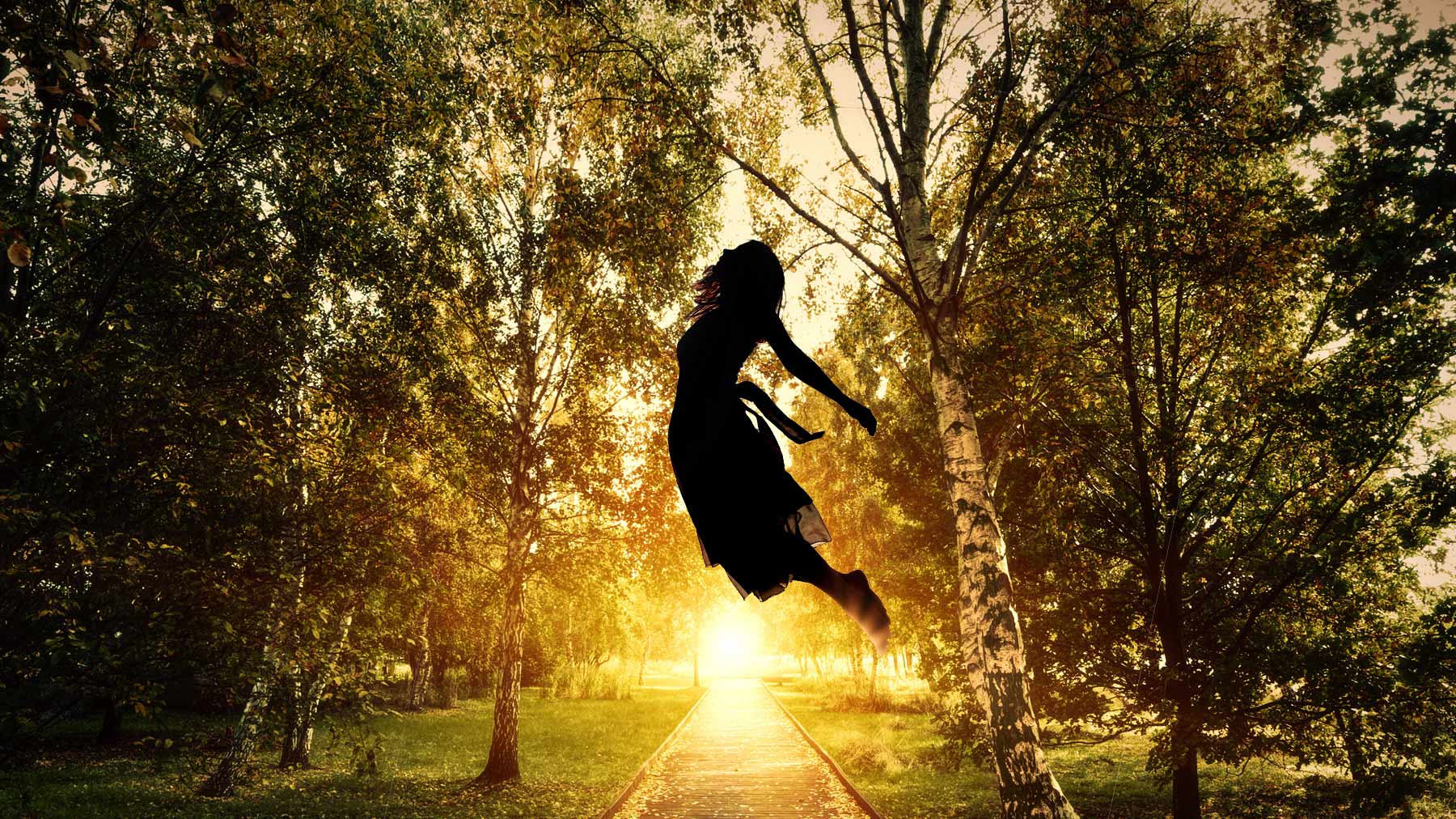
Capture your subject with sunlight peeking from behind. It adds warmth, depth, and an ethereal glow.
Landscape Flare Magic
Mountains, oceans, or cityscapes—flare can highlight textures, create silhouettes, and give landscapes a dreamy quality.
Abstract and Artistic Shots
Don’t limit yourself to realism. Use flare patterns to create abstract shapes, colors, and textures for artful experimentation.
Conclusion
Lens flare isn’t just a photography quirk—it’s a storytelling tool. With photography tip 70, you can embrace sunlight, angles, and camera movement to add drama, mood, and creativity to your images. Remember, practice is key. Play with your camera, experiment with flare, and watch your photos transform from ordinary to extraordinary.
For more photography insights and practical tips, visit CameraTale.com. Dive into a world where light becomes your brush and your lens, your canvas.
FAQs
1. What is the easiest way to create lens flare?
Position your subject with the light source behind them and slightly adjust your angle for natural flare.
2. Can lens flare ruin my photos?
It can if uncontrolled. Use composition and lens hoods to manage flare.
3. Which lens is best for artistic flare?
Prime lenses and wide-angle lenses often create more visually appealing flare effects.
4. Should I use flare in every shot?
Not necessarily. Use it when it enhances mood or composition—less is often more.
5. Can I add lens flare in post-processing?
Yes! Software like Photoshop or Lightroom allows you to layer and enhance flare effects creatively.