
Introduction: Why Stability Matters in Photography
Have you ever taken a photo only to realize later it’s blurry, despite your best efforts? Don’t worry—you’re not alone. Stability is one of the most overlooked aspects of photography. No matter how great your camera is, if it shakes, your shot suffers. That’s why Photography Tip 88 is a game-changer: use tripod hooks for stability.
What is Photography Tip 88 All About?
This tip is simple but powerful. Most modern tripods come with a little hook at the bottom of the center column. That small feature can drastically improve stability when used correctly. Photography Tip 88 is about turning that hidden gem into one of your strongest photography tools.
Understanding Tripod Hooks
Where to Find the Hook on Your Tripod
If you flip your tripod upside down, you’ll usually see a small metal or plastic hook at the bottom of the center column. That’s the tripod hook.
Types of Tripod Hooks
Some are retractable, some twist out, while others are fixed. Higher-end tripods often have sturdier hooks designed to hold heavier weight.
Why Photographers Struggle with Stability
Common Causes of Camera Shake
Wind, uneven ground, and even pressing the shutter button can cause movement. Add longer exposure times, and even the tiniest shake ruins the shot.
When Stability Becomes Critical
Stability is most critical in low-light conditions, when shooting with slow shutter speeds, or when zooming in for detailed shots.
Benefits of Using Tripod Hooks
Improved Sharpness and Detail
Adding weight to your tripod lowers its center of gravity, making your images sharper and crisper.
Better Long Exposure Shots
Want silky waterfalls or glowing cityscapes at night? Tripod hooks are your best friend for those long exposures.
Increased Confidence in Windy Conditions
On a windy day at the beach or in the mountains, hanging weight keeps your tripod from wobbling or toppling over.
How to Properly Use Tripod Hooks
Adding Weight for Extra Support
The main way to use tripod hooks is by adding weight to them.
Using Camera Bags
Most photographers simply hang their camera bag from the hook. It’s convenient and practical.
Using Sandbags or Rocks
If you don’t want your expensive bag swaying in the wind, use a sandbag or a simple sack filled with rocks.
Adjusting Balance for Uneven Surfaces
On rocky or sloped surfaces, adding weight helps keep the tripod legs firmly grounded.
Mistakes to Avoid When Using Tripod Hooks
Overloading the Hook
Tripod hooks aren’t designed to hold unlimited weight. Hanging too much can damage the tripod or cause it to tip.
Ignoring Safety Precautions
If you’re hanging a bag, make sure it’s secure. A swinging bag in the wind can cause more instability than no weight at all.
Best Situations to Apply Photography Tip 88
Landscape Photography
When capturing sweeping landscapes, tripod stability ensures sharpness across the entire frame.
Night and Astrophotography
Stars and night skies require long exposures—tripod hooks keep everything steady.
Macro Photography
Even tiny shakes can blur macro shots. Extra stability makes a noticeable difference.
Choosing the Right Tripod with a Hook
Features to Look For
Look for sturdy, retractable hooks made of metal. A hook that folds away when not in use is a bonus.
Budget vs. Professional Options
Entry-level tripods may have simple hooks, while pro tripods offer reinforced designs that hold more weight.
Alternatives to Tripod Hooks for Stability
Weighted Tripod Legs
Some tripods allow you to fill their legs with sand for added weight.
Using Ground Spikes
For outdoor shoots, ground spikes help anchor the tripod into soil or sand.
Real-Life Examples of Photography Tip 88
Windy Beach Photography
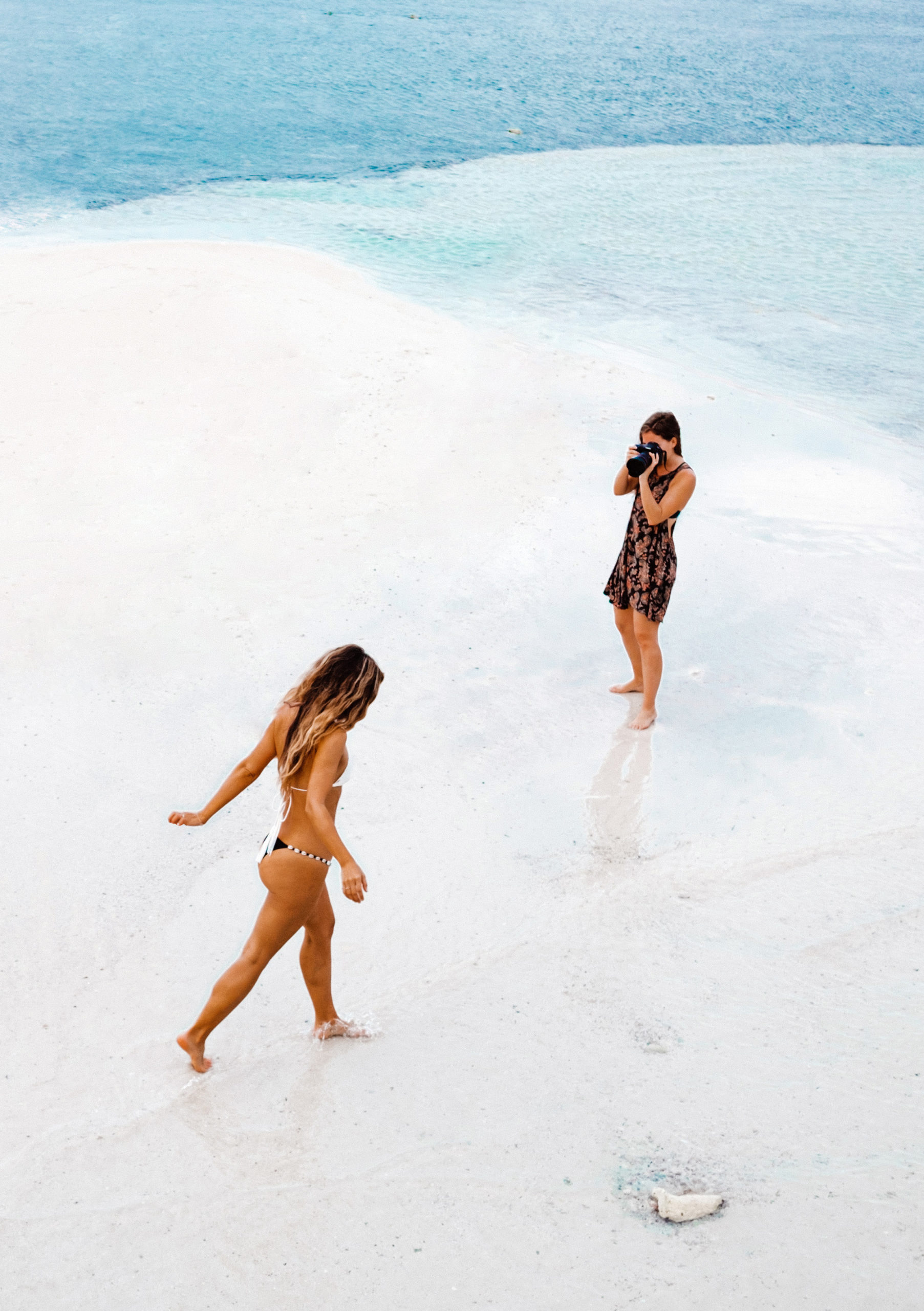
Imagine setting up for a sunrise shot by the ocean. Without extra weight, your tripod trembles in the breeze. With a bag on the hook, it stays firm and steady.
Mountain and Hiking Scenarios
In rocky, windy terrains, tripod hooks keep your gear safe and your shots tack-sharp.
Pro Tips for Maximizing Stability
Combining Hooks with Other Stability Tricks
Use a remote shutter release, lower the tripod height, and add weight to the hook for maximum stability.
Keeping Gear Safe While Hanging
If hanging your camera bag, make sure zippers are closed, and avoid keeping fragile items inside while dangling.
Conclusion
Photography Tip 88—use tripod hooks for stability—is one of those small yet powerful techniques that separate casual snapshots from professional-looking shots. It’s easy to apply, requires no extra gear (other than what you already have), and drastically improves your photo quality. Next time you’re out shooting landscapes, night skies, or long exposures, remember this tip and watch your results transform.
FAQs
1. Can I hang anything on my tripod hook?
Yes, but keep it safe and balanced. Bags, sandbags, or weighted sacks work best.
2. Will using the tripod hook damage my tripod?
Not if you follow weight guidelines. Overloading is the only real risk.
3. Is a tripod hook useful indoors?
Definitely—especially for macro or product photography where every detail matters.
4. Do all tripods come with hooks?
Not all, but most modern tripods do. Check the model before buying.
5. What’s the best weight to hang from a tripod hook?
Around 5–15 lbs (2–7 kg) is usually enough, depending on tripod strength and wind conditions.
✨ Looking for more smart tips like this? Visit CameraTale.com for practical photography guides and gear advice.
📸 CameraTale.com helps photographers at every level shoot sharper, smarter, and more confidently.