
Introduction to Photography Tip #93
Ever wanted to add a unique twist to your photos that makes them pop with visual intrigue? Well, Photography Tip #93 is all about incorporating refractions into your shots, with one of the coolest tools available: glass balls. Using glass balls to introduce refraction can elevate a basic photo to an entirely new level, creating surreal effects that capture the eye.
Refraction, as simple as it sounds, is a game-changer. Not only does it add a layer of complexity, but it also infuses creativity and a touch of magic to your work. Let’s dive into why this technique is a must-try and how you can use it to enhance your own photography!
Why Refractions Are a Game Changer in Photography
Photography is all about capturing light, shadows, and textures, but refractions introduce something even more exciting—a new perspective. When light bends through a transparent object, it distorts the world around it, creating reflections, distortions, and even surreal images. It turns a basic shot into something that invites curiosity and intrigue. Glass balls are one of the best tools to experiment with refraction and create strikingly unusual images. But why is refraction so captivating?
- Unpredictability: Refraction often gives unpredictable results, leading to unique and one-of-a-kind photographs.
- Layered Depth: By placing a glass ball in the foreground, you can create a sense of depth, giving a photograph a dimensional feel.
- Artistic Flair: Refraction can distort the background or foreground, offering an artistic representation of the world.
Understanding Refractions and Their Role in Photography
What Is Refraction?
Refraction happens when light passes through a medium (like glass) and bends as it enters a new material. This bending causes objects to look distorted, creating those magical, almost dreamlike effects we love in photography.
How Refraction Affects Your Images
Using refraction in your photos can shift the focus, manipulate the light, and even change the way you perceive the subject matter. Whether you’re shooting a portrait, a landscape, or even an abstract piece, refraction can serve as the focal point of your image, turning ordinary shots into extraordinary works of art.
The Magic of Glass Balls in Photography
What Is a Glass Ball and Why Use It?
A glass ball, often referred to as a crystal ball, is a solid, transparent sphere that’s used in photography to capture beautiful refractions. These glass spheres are perfect for refracting light in ways that add intrigue and depth to your photos.
You can use them to create reflections of the world around you, offering a mesmerizing and often otherworldly look to your images. Whether you’re photographing nature, architecture, or portraits, the possibilities are endless.
How Glass Balls Create Stunning Visual Effects
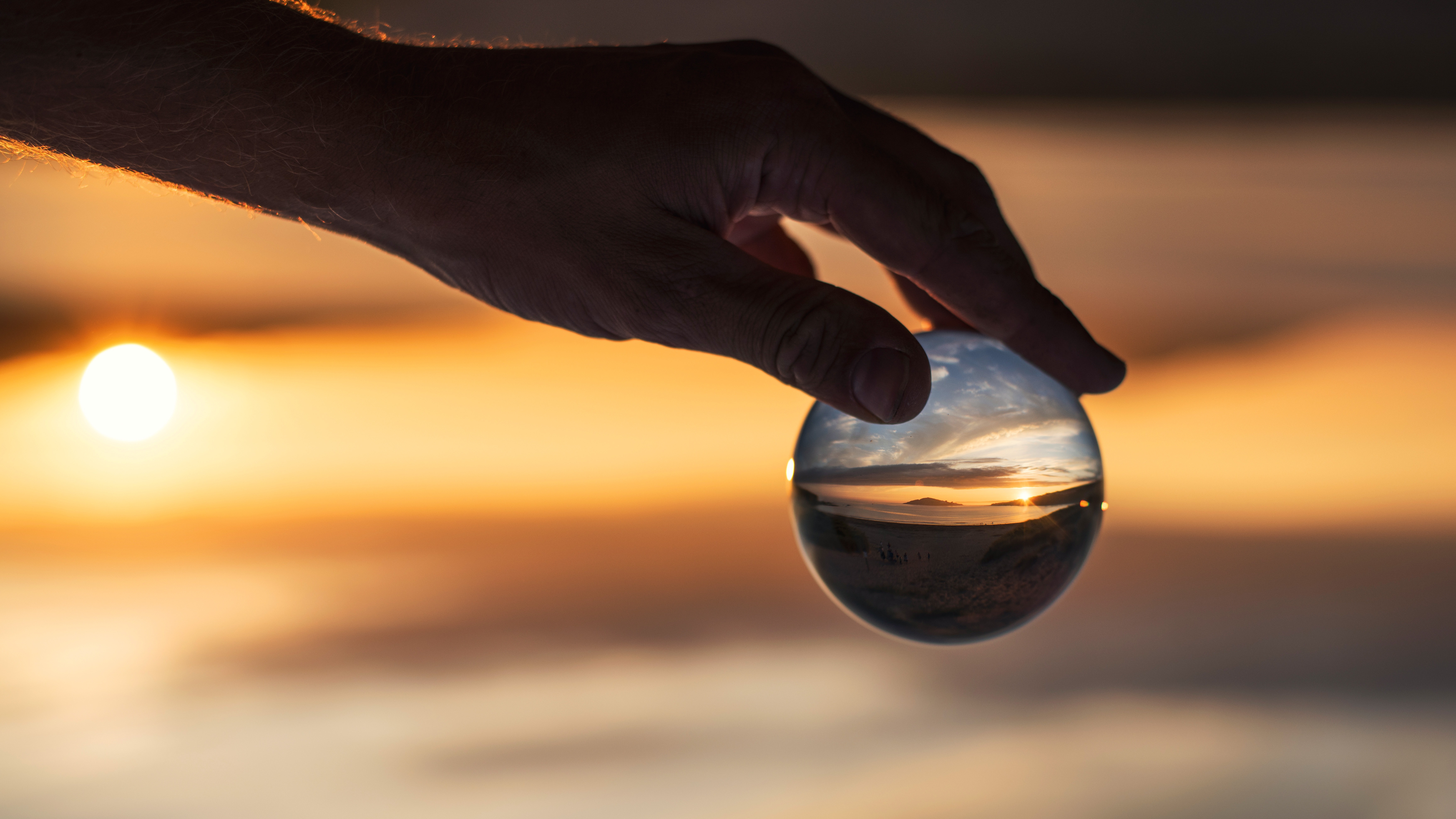
Glass balls provide a clear, unbroken surface that makes them excellent for distorting light. When placed correctly, they can capture the landscape or subject within the ball and distort it in a visually captivating manner. This means you’re not just photographing the world as it is—you’re creating a new world within a tiny sphere.
Reflections and Distortions: The Artistic Appeal
The true beauty of glass balls comes from the combination of both reflections and distortions. The reflection of the world within the ball provides symmetry and balance, while the distortion adds intrigue and wonder.
How to Incorporate Glass Balls into Your Shots
Choosing the Right Glass Ball
Before jumping into a session, it’s essential to choose the right glass ball. Bigger is not always better, as smaller glass balls can often produce more dramatic effects. Be sure to consider the size and transparency, as well as any imperfections that might add texture to your shots.
Positioning for the Perfect Shot
To get the best shot, position the ball carefully. For example, holding it just slightly above the camera lens can create a distortion of the scene below, while keeping it far in the foreground can give the effect of an object floating in mid-air.
Experimenting with Light and Angles
One of the most important factors in using a glass ball is experimenting with light. The angle of light hitting the ball can have a significant effect on the outcome, and slight changes in your positioning can drastically alter the image.
Control the Lighting for Maximum Effect
Try shooting in natural light for a softer, more dreamy effect, or experiment with artificial lights for a more dramatic look. The key is to play around with lighting to achieve the desired effect.
Choosing the Best Background for Your Glass Ball
The background is just as important as the ball itself. A clean, uncluttered background allows the refraction to shine through. Busy backgrounds can overwhelm the ball, so always be mindful of what’s around you.
Creative Ideas for Using Glass Balls
Nature Photography
Refractions are stunning in nature shots, especially when you incorporate elements like trees, mountains, or clouds in the background. The glass ball acts as a lens, capturing the beauty of the landscape while distorting it in a magical way.
Portraits with a Twist
Adding a glass ball to portrait photography can give your images an otherworldly feel. Place the ball in the foreground or have the subject hold it to reflect their surroundings in a distorted way, adding layers of depth to the composition.
Urban and Architectural Shots
Urban landscapes and architecture are another fantastic way to use glass balls. Whether it’s reflecting the skyline or the shapes of a building’s architecture, the glass ball offers a fresh perspective on the city.
Tips for Getting the Best Results with Refractions
Focus and Depth of Field
Using shallow depth of field will help emphasize the glass ball, while blurring out the background. This draws attention to the refraction and makes the ball the focal point of the image.
Using Refractions to Add Layered Depth to Your Composition
Reflections in glass balls can add depth and dimension to your photos, giving a 3D feel to your images. Layering in this way can create an intriguing visual effect that keeps the viewer’s eyes engaged.
Common Mistakes to Avoid When Using Reflections and Refractions
Overcomplicating the Composition
While it’s tempting to go all-in with multiple glass balls or a complex setup, sometimes simplicity is best. Don’t overcrowd the frame—let the refraction speak for itself.
Ignoring Lighting Conditions
Lighting is key when it comes to refraction. Avoid harsh midday light that can create strong shadows or overexposed highlights. Instead, shoot during golden hours (early morning or late afternoon) for the most flattering lighting.
Conclusion
Incorporating refractions, especially with tools like glass balls, into your photography can unlock a world of creativity and stunning visual effects. Whether you’re trying to create a surreal landscape or add depth to a portrait, the possibilities are endless. Photography Tip #93 offers you the opportunity to experiment and expand your skills in new and exciting ways.
FAQs
1. What kind of glass ball is best for photography?
Smaller glass balls tend to provide more dramatic effects, but the choice ultimately depends on the size of the subject and the desired outcome.
2. Can I use a glass ball for macro photography?
Yes, glass balls can be used in macro photography for stunning reflections of small objects.
3. Do I need any special lenses to use a glass ball?
No, you can use a standard lens. Just make sure to adjust your focus and lighting.
4. Can refractions work in black-and-white photography?
Yes! Refractions can create striking contrasts and textures in black-and-white images.
5. Is it hard to photograph through a glass ball?
It can take some practice to get the angle right, but with experimentation, it’s easy to create captivating shots.
-
For more creative photography techniques and expert tips, visit CameraTale.com.
-
CameraTale is your go-to hub for unique photography tips, tutorials, and inspiration to level up your shots.