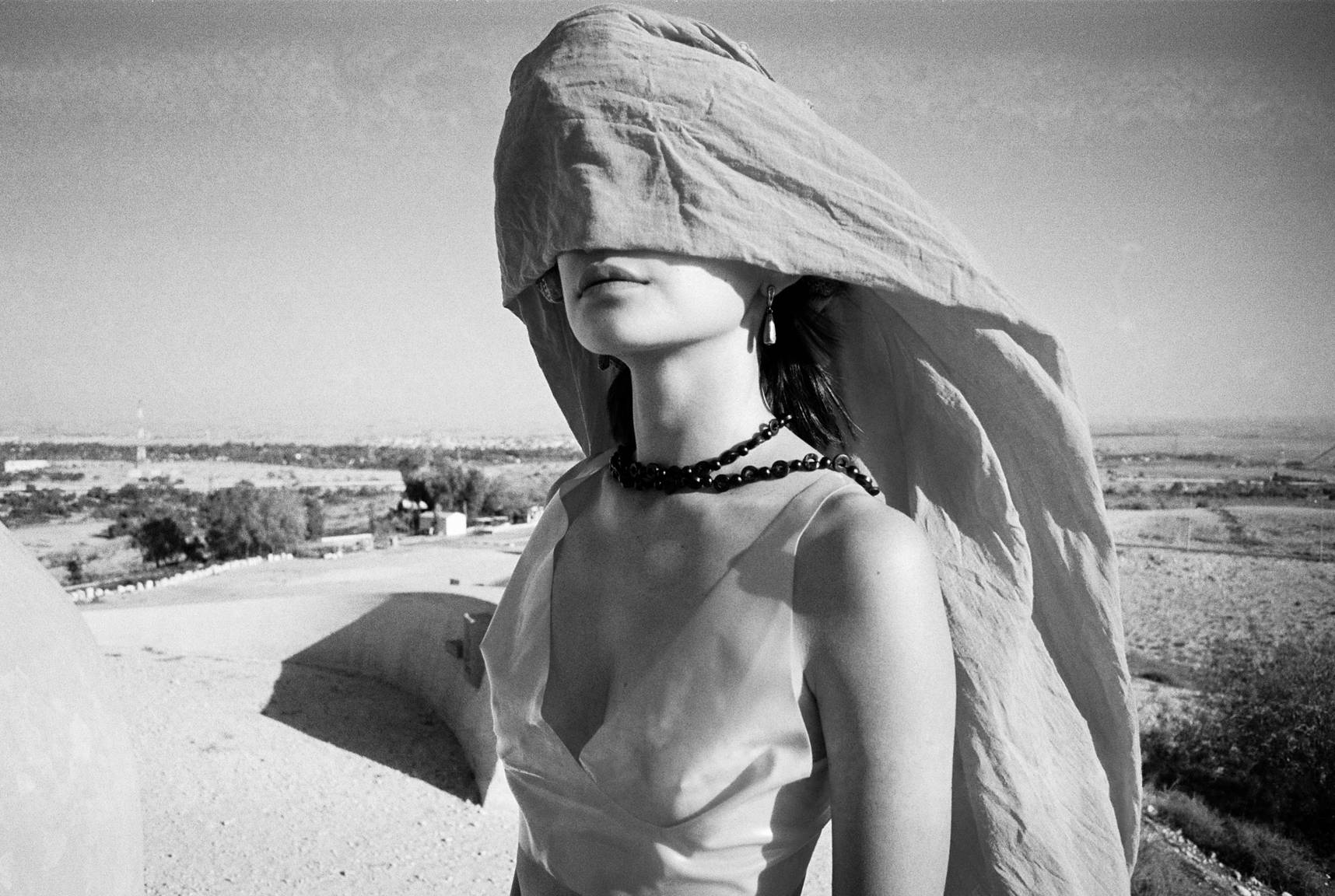

Why This Tip Supercharges Your Creativity
When you point your camera at the same subject and intentionally create multiple looks, you train your eye faster than any gear upgrade ever could. Instead of chasing “the one perfect shot,” you explore possibilities—light, angle, lens, background, color, and post. This repetition-with-variation builds visual fluency, helps you break creative ruts, and gives clients (or your portfolio) a richer story. Think of it like a chef cooking the same ingredient five ways—you learn what flavors (and photos) truly sing.
Mindset Shift: From One Shot to Many
The biggest barrier is mental: we tend to stop after the first “good enough” frame. Flip that script. Decide ahead of time that you’ll deliver a series, not a single. Your subject—be it a person, product, plate of food, or a landmark—can look wildly different under small, deliberate changes.
Adopt a Series Mentality
Commit to sets: 10 frames, 10 distinct variations. Even if 8 fail, 2 will surprise you—and often those are the keepers. Label your set (e.g., “City Bike: 10 Looks”) so you think in sequences, not one-offs.
Embrace Constraints to Spark Ideas
Creativity loves limits. Try: “One lens only,” “Black & white only,” or “Only shoot from below knee height.” Constraints remove decision fatigue and push you into fresh territory.
Pre-Visualize: Build a Quick Shot Map
Spend three minutes making a shot map: a bullet list of variations you’ll execute. This will stop you from repeating the same safe angle over and over.
The “Five-by-Five” Framework
Pick five angles (eye-level, high, low, profile, backlit) and combine each with five variations (lens, shutter, aperture, color mode, background). That’s 25 unique looks from one subject—on purpose.
Light First: Change the Mood, Change the Story
Light is your headline. You can keep the same subject and alter the entire narrative just by shifting light direction, quality, or color.
Direction of Light
- Front light: clean, bright, minimal shadows; great for color accuracy.
- Side light: adds texture and shape; perfect for portraits and products.
- Backlight: ethereal rim and silhouettes; dramatic and graphic.
- Top light / practicals: moody pools of light; cinematic vibes.
Quality & Color of Light
Hard vs. soft: a bare bulb sculpts edges; a softbox smooths them.
Color: add a warm gel for cozy, a cool WB for clinical, or mix for tension.
Move Your Feet: Angles & Perspectives
The fastest “different” is to move. A single step can change lines, reflections, and background clutter.
Eye-Level vs. Hero Angle
Eye-level feels honest. A low “hero” angle gives stature—epic for architecture or confident portraits.
Top-Down vs. Worm’s-Eye
Top-down flattens into pleasing geometry—great for food or product grids. Worm’s-eye makes everyday objects feel monumental.
Lens Decisions: Focal Length = Feel
Lenses aren’t just magnifiers; they reshape space. A 24mm exaggerates depth and pulls viewers in; an 85mm compresses space for creamy, flattering portraits.
Compress or Exaggerate
Want your background bigger? Use a longer lens and step back. Want drama and foreground punch? Go wider and get close. Same subject, totally different emotional read.
Exposure as a Creative Choice
Stop treating exposure like a mere technical checkbox. Use it to set mood.
Shutter Speed to Shape Motion
- Freeze: 1/1000 to capture crisp action.
- Blur: 1/10–1/2 to suggest energy.
- ICM (Intentional Camera Movement): pan or swirl for painterly streaks.
- Long exposure: multi-second trails, silky water, ghosted crowds.
Aperture to Control Depth
Shallow (f/1.4–f/2.8): isolate your subject; creamy bokeh.
Deep (f/8–f/16): contextual storytelling; foreground-to-background clarity.
Color Strategy: Color vs. Black & White
Color is a character; B&W is a mood. Ask: which serves the story? Try one frame in a triadic color scene and the next in stark monochrome. You’ll feel the narrative flip.
Harmonies, Contrast & Dominance
Limit palettes (e.g., teal–orange) for cohesion. Or use a dominant color splash to control the eye.
Backgrounds, Foregrounds & Layers
Backgrounds can make or break the shot. Move to clean clutter, or deliberately layer for depth. Use foreground frames—foliage, doorways, hands—to add intimacy.
Negative Space & Minimalism
Leave room around your subject. Negative space amplifies the subject’s importance and adds a premium look to your feed or print.
Story Variations: Detail → Context → Character
Think coverage. Shoot a wide to establish context, a medium for relationships, and a close-up for texture or emotion. Presenting all three makes one subject feel like a complete story.
Wide, Medium, Close-Up
Wide: where are we?
Medium: what’s happening?
Close: what’s the essence?
Post-Production Variations
Don’t stop at capture. Export multiple interpretations: color and B&W, matte and contrasty, clean and grainy. Different crops (square, 4:5, 16:9) will also change emphasis and platform fit.
Delivering Multiple Edits
Treat your set like a mini contact sheet. Label variations clearly (e.g., “Backlit_BW_Grain,” “SideSoft_ColorWarm”). Clients love options; your portfolio loves range.
Micro Briefs: 3 Mini Case Studies
Portrait (Person): Start with soft window side light, 35mm at f/2 for intimacy. Switch to backlight with a rim, 85mm at f/2.8 for elegance. Finish with a silhouette in a doorway for graphic punch. Same person, three stories.
Product (Coffee Mug): Top-down flat lay on white for e-comm clarity. Next, 50mm at f/1.8 with warm practical light for cozy lifestyle. Finally, dramatic hard side light to reveal texture—editorial vibe.
Place (City Corner): Wide establishing at sunrise for calm tones. Medium shot at eye-level with pedestrians for scale. Long exposure at blue hour for light trails. One corner, three moods.
20 Quick Prompts to Try Today
- Shoot high-key vs low-key.
- Hard vs soft light.
- Backlit rim vs front fill.
- 24mm close vs 85mm far.
- Shallow vs deep DOF.
- Freeze vs motion blur.
- Color vs B&W.
- Warm vs cool WB.
- Clean background vs layered.
- Negative space vs full frame.
- Top-down vs worm’s-eye.
- Symmetry vs rule-of-thirds.
- Tight crop vs environmental.
- Natural light vs artificial.
- Golden hour vs blue hour.
- Matte grade vs glossy contrast.
- Grainy film look vs clinical.
- Square vs 4:5 vs 16:9.
- Foreground frame vs none.
- Straight horizon vs Dutch tilt.
Common Mistakes & How to Avoid Them
- Shooting from one spot: Move. Even 30 cm matters.
- Over-tweaking one setup: Cap each variation to 2–3 frames, then switch.
- Ignoring background: Do a quick edge scan before pressing the shutter.
- Same exposure every time: Force yourself to change shutter or aperture each variation.
- No plan: Arrive with a shot map; leave with a series.
Simple Gear & Setup Guide
- One wide or normal prime (24–35mm): for immersive looks.
- One portrait/tele (85–135mm): for compression and separation.
- One small light + diffuser (or reflector): to re-sculpt quickly.
- ND filter: for motion at midday.
- Tripod: for long exposures and precise framing.
- Gels / color cards: for playful color shifts and accurate WB.
Workflow: From Plan to Publish
1) Plan: Write your 10–25 variation ideas.
2) Shoot: Execute fast—change one variable per step.
3) Cull: Star one keeper per variation (no duplicates).
4) Edit: Create 2–3 post looks across the whole set.
5) Sequence: Arrange wide → medium → close for narrative flow.
6) Publish: Caption your iterations to teach your audience (great for engagement and authority).
Conclusion
Shooting the same subject differently is your fast lane to better photos. It’s less about exotic locations and more about deliberate variation—light, perspective, lens, exposure, color, background, and post. When you approach a subject as a playground of possibilities, you stop hoping for magic and start manufacturing it. That’s the heart of photography tip 99: one subject, many stories—created on purpose, by you.
FAQs
1) How many variations should I aim for in one session?
Start with 10. It’s enough to stretch you without becoming chaotic. As you get quicker, push to 20–25.
2) Do I need multiple lenses to pull this off?
No. One 35mm or 50mm is enough. Use your feet for perspective changes and your settings for depth and motion shifts.
3) What if my subject doesn’t move (e.g., a product)?
Perfect—move the camera and the light. Try top-down, hero angle, hard side light, backlight, and a clean-background studio look.
4) Should I switch color profiles or do it in post?
Either works. If you want consistency, shoot neutral and create variations in post. If you want to “see” the look in-camera, load creative profiles and commit.
5) How do I present variations without overwhelming people?
Curate into mini sets of 6–9 images. Sequence from wide → medium → close, and keep one grading style per set for cohesion.
👉 “Discover practical photography tips and creative inspiration on CameraTale.com – your go-to hub for mastering every shot.”
👉 “From beginner guides to pro tricks, CameraTale.com helps photographers capture stunning images with ease and confidence.”