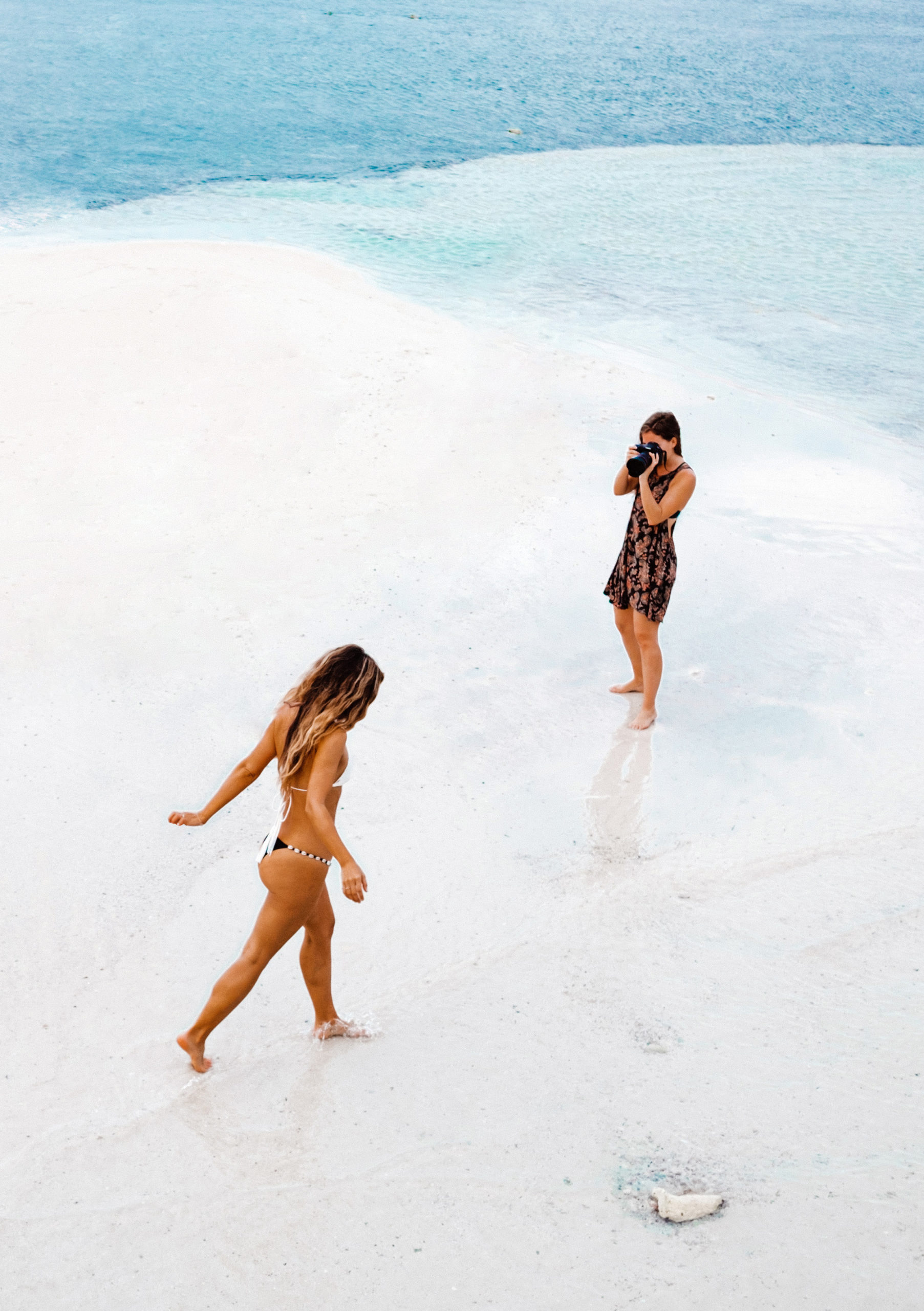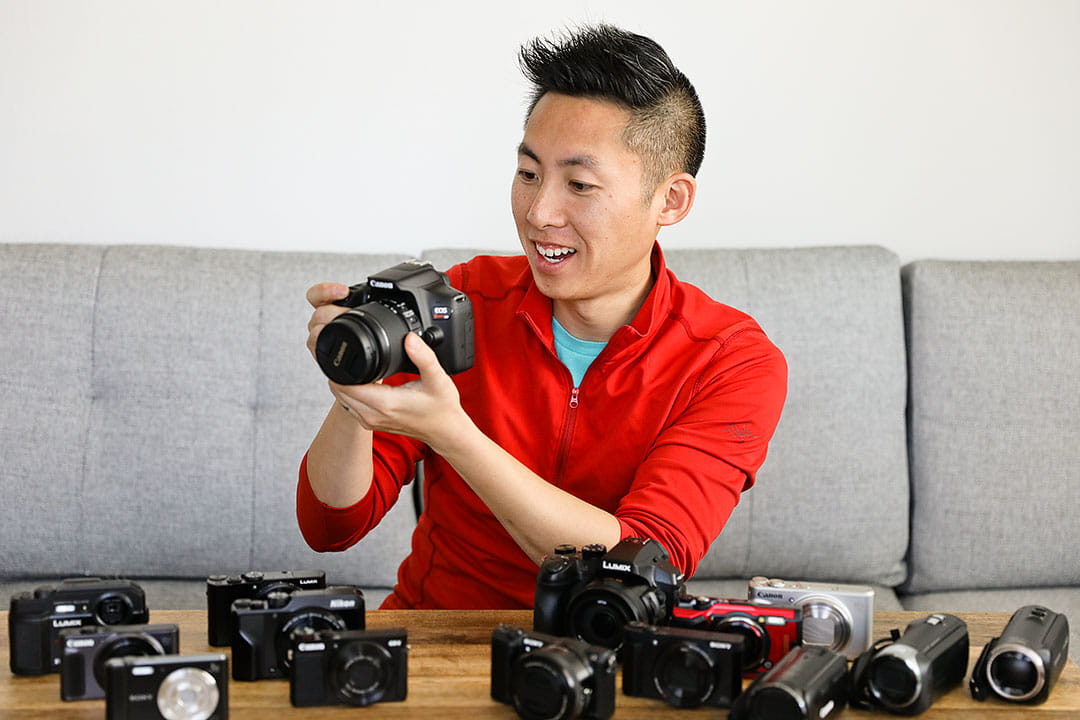


Photography is one of those art forms that never truly has a finish line. No matter how good you get, there’s always a new lens to explore, a new technique to master, or a fresh perspective to capture. That’s why Photography Tip 104 is simple yet profound: never stop learning and practicing. Think of your camera as a lifelong companion—you grow together over time.
Why Continuous Learning Matters in Photography
The Ever-Evolving World of Photography
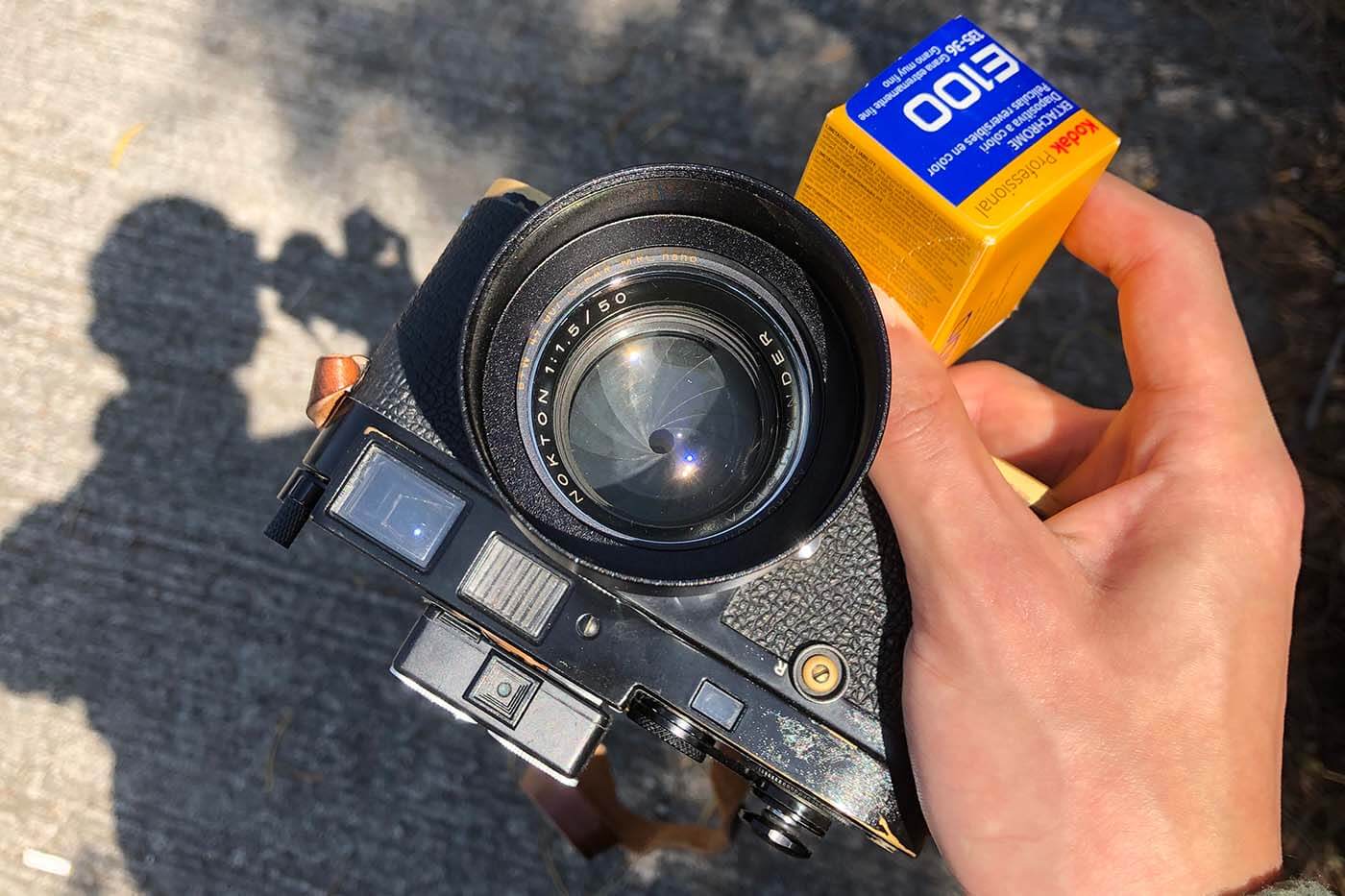
Photography is constantly evolving. With every new camera release, software update, or trending style, photographers are faced with new opportunities to grow. Remember film photography? Those days taught patience, composition, and the value of waiting for the perfect shot. Digital photography has its own set of challenges—post-processing, low-light techniques, and even AI-assisted editing are now part of the learning curve.
Skills That Age Like Fine Wine
Some skills never lose their relevance. Composition, lighting, and storytelling are timeless. While gear changes, these core fundamentals are your backbone. Photography Tip 104 reminds us that even a seasoned pro should revisit these basics regularly. The more you practice, the more naturally these skills come to you—almost like muscle memory.
Practice Makes Perfect: The Photographer’s Mantra
Daily Photography Exercises
Want to improve fast? Practice every day, even if it’s just for 15 minutes. Capture textures, shadows, reflections—anything. Small daily exercises sharpen your eye and refine your instinct. Think of it like running drills before the big game—it may seem repetitive, but it pays off.
Experimenting Without Fear
Photography is about trial and error. Don’t be afraid to break rules. Shoot in unusual light, try long exposures, or experiment with extreme angles. Sometimes the mistakes lead to the most stunning images.
Trying New Techniques
Learn HDR, focus stacking, or light painting. These techniques may feel daunting at first, but consistent practice transforms them into second nature.
Exploring Different Genres
Step out of your comfort zone. Landscape, portrait, street photography, macro—each genre teaches something different. By exploring widely, you enrich your overall skill set.
Learning from Others: Mentors and Communities
Finding a Photography Mentor
A mentor can fast-track your learning. They share insights you’d only discover after years of trial and error. Even a few sessions of critique can dramatically improve your composition and lighting choices.
Joining Online Photography Communities
Platforms like Flickr, 500px, and photography subreddits are treasure troves of inspiration. Engage in discussions, participate in challenges, and share your work. Feedback from peers accelerates growth far beyond solo practice.
Analyzing Your Work: Feedback and Reflection
Self-Review Techniques
After a shoot, spend time reviewing your images. Ask yourself: What worked? What didn’t? How could I improve? Journaling your observations helps track progress over time.
Accepting Constructive Criticism
Feedback can sting, but it’s invaluable. Instead of taking it personally, see criticism as a roadmap to improvement. Every comment is a hint to refine your vision.
Staying Updated with Technology and Trends
New Gear vs. Old Skills
Sure, a new camera is exciting, but it won’t automatically make you a better photographer. Your eye and understanding of light matter far more. Focus on skill development first, gear second.
Learning from Tutorials and Workshops
Online tutorials, YouTube channels, and workshops offer structured learning. Whether it’s post-processing tips or field techniques, continuous education ensures you stay sharp.
Balancing Passion and Patience
Avoiding Burnout
Photography is a marathon, not a sprint. Don’t overwork yourself. Take breaks, recharge creatively, and return with fresh ideas. A rested mind sees light and shadows in ways a tired one cannot.
Setting Realistic Goals
Set achievable goals—like mastering a new lens or technique per month. Celebrating small victories keeps motivation high and prevents frustration from creeping in.
Conclusion
Photography Tip 104 is a reminder that mastery in photography is a journey, not a destination. Learning never ends, and practice is the heartbeat of improvement. Embrace mistakes, explore genres, seek feedback, and continuously challenge yourself. Your best photograph is always the one waiting to be taken tomorrow.
FAQs
- How often should I practice photography?
Daily practice is ideal, even if it’s just a few shots. Consistency beats occasional marathon sessions. - Do I need expensive gear to improve?
Nope! Master your skills first. Great photographers create magic with any camera. - How do I handle criticism?
View feedback as a learning tool, not personal judgment. Analyze and apply improvements gradually. - Which photography genre is best for beginners?
Start with what interests you most. Portraits, landscapes, or street photography are all excellent starting points. - Can online communities really help improve my skills?
Absolutely! Sharing work, receiving feedback, and learning from peers accelerates growth.
Discover the best photography tips and tricks at cameratale.com. Master your skills with expert advice and real-world insights.