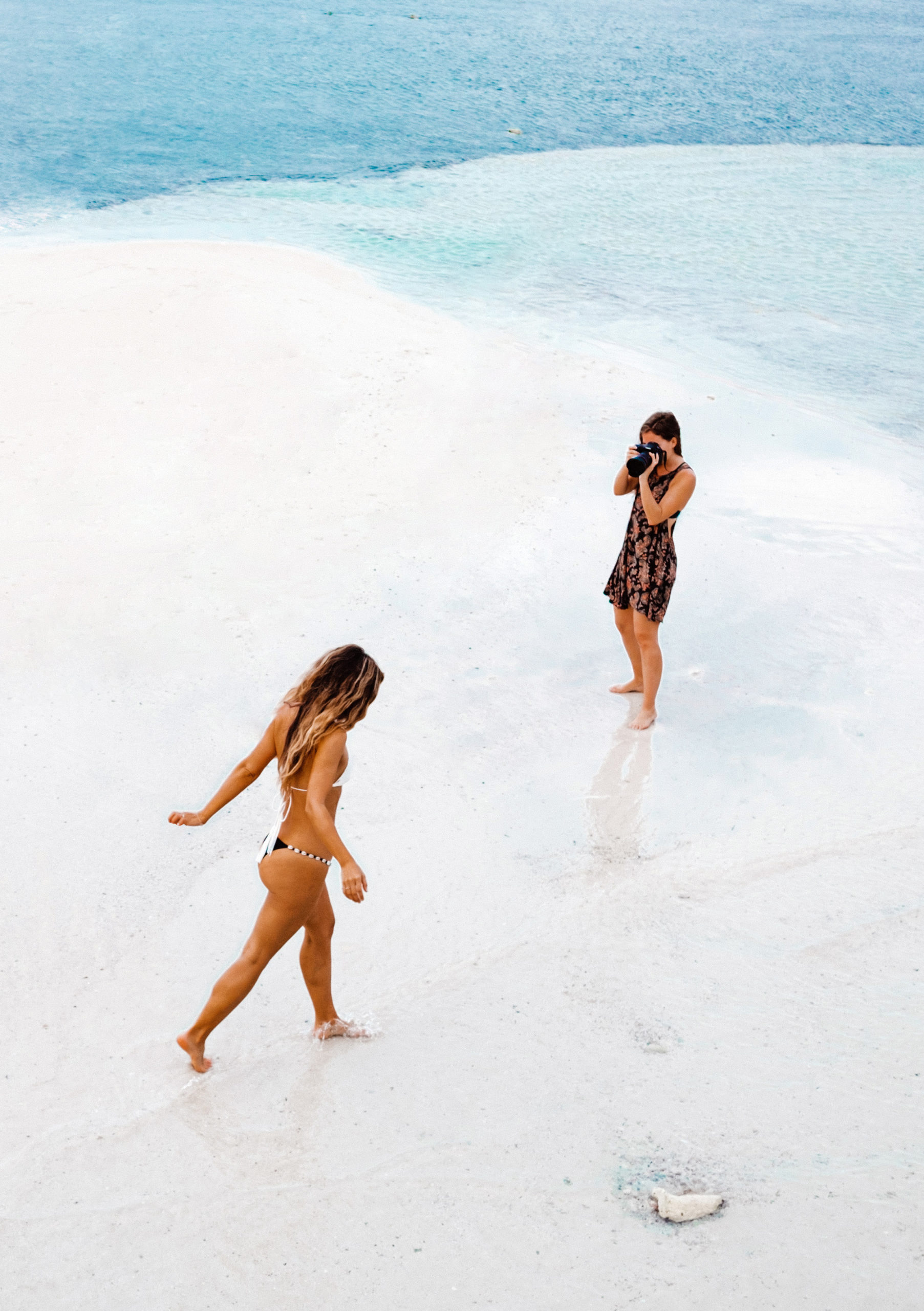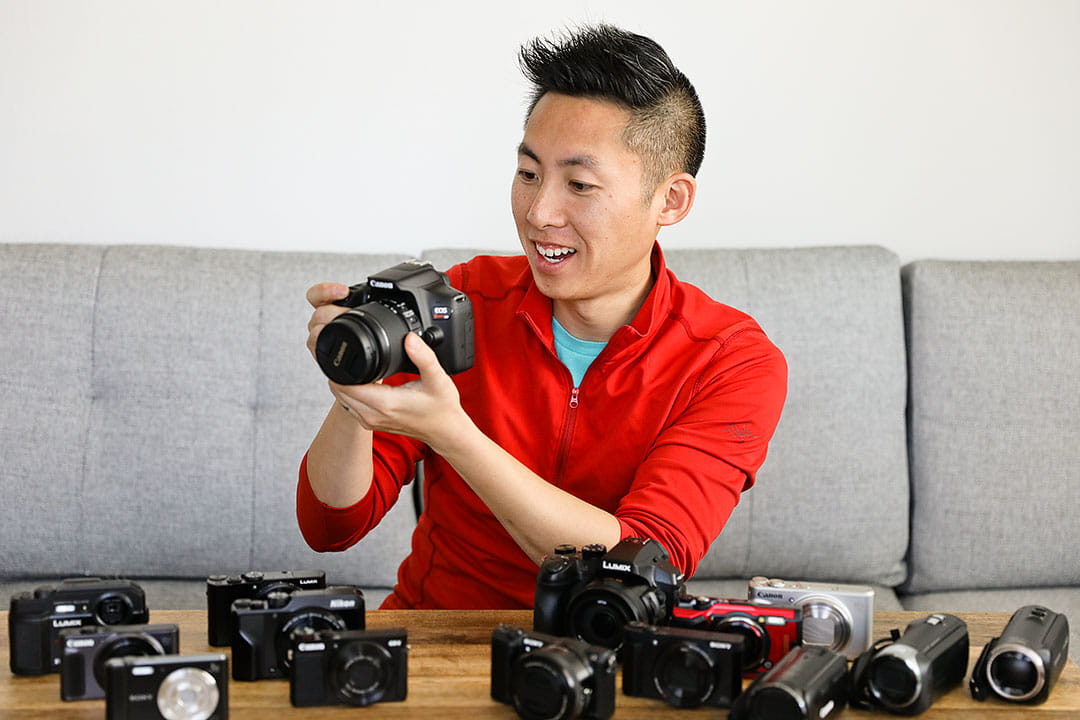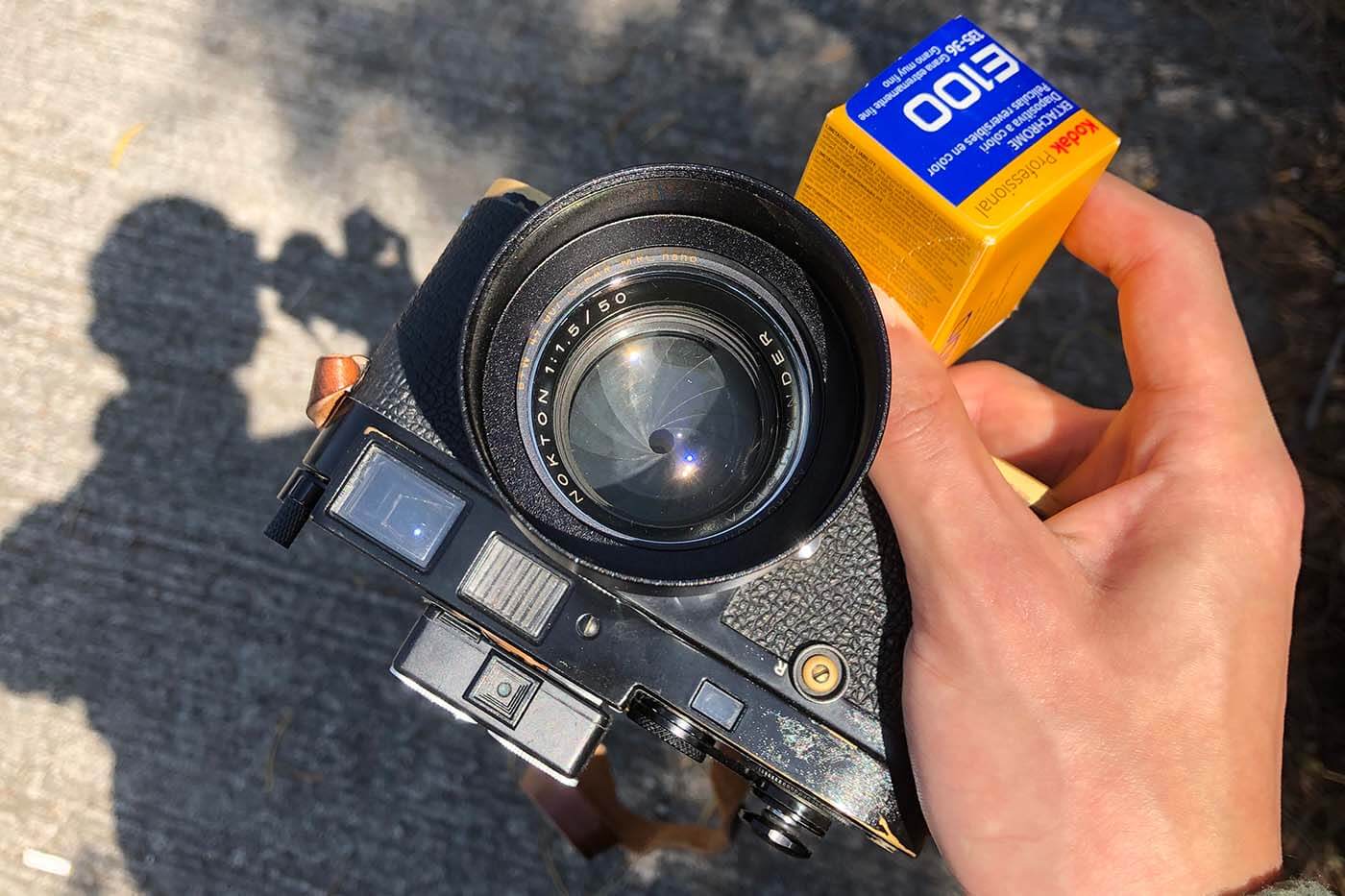


General Photography is the playground where every photographer—beginner or hobbyist—learns to see, to decide, and to capture. Think of it like learning to drive: at first the clutch, the gears, and the mirrors are overwhelming. After practice they become second nature. This guide walks you step-by-step through the basics: gear, camera settings, composition, light, workflow, confidence-building and practical exercises. By the end you’ll have clear actions to take and a plan to improve your photos every week. Ready? Let’s go.
Why General Photography? Who This Guide Is For
General Photography means versatile, everyday photography: street, portraits, landscapes, travel, and casual product or food shots. If you’re a photographer who wants to be comfortable in many situations—rather than specialize immediately—this is your zone. Why start here? Because mastering general skills builds a foundation you can adapt for niche work later. Are you a new hobbyist? A parent wanting better photos? A traveler? This guide speaks to you.
Gear Essentials for Beginners
You don’t need the fanciest kit to take great photos. But a few sensible choices speed up learning and reduce frustration. Focus on tools that teach you, not distract you.
Choosing the Right Camera
For general photography, choose a camera that feels good in your hands and gives manual control. Mirrorless and DSLR systems both work. Consider sensor size (APS-C vs full-frame): full-frame offers better low-light and shallower depth of field; APS-C is lighter and more affordable. Key checklist: interchangeable lenses, manual exposure control, electronic viewfinder or a good rear screen, RAW capture. Don’t obsess over megapixels—learn the craft first.
Lenses to Know
Lenses shape your vision more than the camera body. For general use, start with:
- A standard zoom (e.g., 24–70mm or 18–55mm) — flexible for landscapes to portraits.
- A 50mm f/1.8 prime — cheap, sharp, great for low light and portraits.
- A telezoom (e.g., 70–200mm) — handy if you photograph distant subjects.
Prime vs Zoom: When to Use Each
Primes force you to move your feet and often give better low-light performance at lower cost. Zooms give framing flexibility for travel and events. Beginners benefit from a zoom for convenience and a prime for learning depth of field and low-light handling.
Accessories That Actually Help
Don’t overspend. Must-haves: spare battery, fast memory cards, basic tripod, lens cleaning kit, and a small reflector. Optional: remote shutter, small LED panel, and a sturdy camera bag. These make shoots smoother and let you focus on creativity.
Camera Settings Demystified
Mastering three settings will change your photos more than any gear upgrade: aperture, shutter speed, and ISO. They form the exposure triangle. Once you know them, manual control feels empowering, not scary.
The Exposure Triangle: Aperture, Shutter Speed, ISO
Aperture (f-number) controls how much light enters and your depth of field. Lower f (f/1.8) = more light + shallow depth of field (blurry background). Higher f (f/8–f/16) = more depth of field (landscapes).
Shutter Speed controls motion. Fast (1/500s) freezes action. Slow (1/30s or longer) shows motion blur—use a tripod for slow exposures.
ISO amplifies the sensor’s signal. Higher ISO brightens images in low light but adds noise. Modern cameras handle ISO 800–3200 well; learn your camera’s sweet spot.
The goal is to balance these three so exposure looks right and the picture style matches your intent.
White Balance, Metering & File Formats (RAW vs JPEG)
White Balance affects color temperature—use Auto to start but learn presets (daylight, shade, tungsten) or set a Kelvin value.
Metering (evaluative, center-weighted, spot) helps the camera decide exposure. Try evaluative first, then experiment.
RAW vs JPEG: Shoot RAW when you can. RAW retains more data and gives flexibility in post. JPEG is fine for casual snaps and social media, but editing options are limited.
Composition Techniques That Improve Every Shot
Great composition transforms an okay photo into a memorable one. Composition is like grammar for your visual sentences—learn the rules, then break them intentionally.
Rule of Thirds & Golden Ratio
Imagine dividing the frame into thirds. Place key elements where lines cross to make a balanced, dynamic image. The golden ratio is similar but slightly more organic. Both are tools to create pleasing tension.
Leading Lines, Framing, Patterns
Use roads, fences, or architecture to guide the viewer’s eye into the scene. Frame subjects with windows or branches to add depth. Patterns and textures create rhythm—break the pattern with a contrasting subject for impact.
Negative Space & Simplicity
Sometimes less is more. Leaving empty space around a subject emphasizes it and gives the viewer “breathing room.” Minimalism can be powerful in general photography.
Focusing and Depth of Field
Focus is the handshake between subject and viewer. Use single-point AF for stationary subjects and continuous AF for moving ones. To control depth of field: pick aperture, then adjust shutter and ISO. Want creamy background blur? Use a wide aperture and stand closer to your subject. Want everything sharp? Choose f/8–f/11 and focus a third into the scene for landscapes.
Lighting: Natural vs Artificial
Light is photography’s raw material. Learn to read it. Natural light varies by hour and weather; artificial light lets you shape scenes consistently.
Golden Hour & Blue Hour Tips
The hour after sunrise and before sunset (golden hour) gives soft, warm light—perfect for portraits and landscapes. Blue hour (just before sunrise or after sunset) adds cool tones and is great for moody cityscapes. Use a tripod as light drops.
Using Reflectors, Diffusers and Flash
A small reflector can fill shadows and act like a tiny sun — low cost, high impact. Diffusers soften harsh midday sun. For flash, start with on-camera fill flash or a small off-camera speedlight; bounce flash when you can to avoid harsh shadows.
Practical Shooting Tips & Modes
Start in Aperture Priority (A/Av) to control depth of field while the camera sets shutter speed. Use Shutter Priority (S/Tv) for action. Move to Manual (M) once you’re comfortable balancing the exposure triangle.
Auto, Aperture Priority, Shutter Priority, Manual
- Auto — convenient for quick snaps but limits learning.
- Aperture Priority — great for portraits and creative DOF.
- Shutter Priority — ideal for sports or motion blur control.
- Manual — ultimate control; useful in consistent light or tricky situations.
Bracketing, Burst Mode & RAW Shooting
Bracketing (exposure brackets) helps with high dynamic range scenes. Burst mode improves your odds with moving subjects. Shoot RAW to rescue exposure and color later. Combine techniques when needed.
Post-Processing Basics
Editing completes the creative loop. You don’t need complicated workflows—targeted, small edits amplify good composition and light choices. Start with global exposure, contrast, and color, then refine.
Essential Editing Steps: Crop, Exposure, Color, Sharpen
- Crop & straighten.
- Set exposure and recover highlights/shadows.
- Adjust white balance for accurate colors.
- Increase contrast and clarity moderately.
- Sharpen and reduce noise if needed.
- Export at the appropriate size for web or print.
Tools: Adobe Lightroom, Capture One, or free options like Darktable and RawTherapee. Learn keyboard shortcuts—they save hours.
Building Confidence on Shoots
Confidence comes from preparation and practice. Make checklists and routines so you show up calm and ready. Pretend every shoot is a small project.
Shot Lists, Checklists, and Pre-shoot Routines
Create a short shot list before you shoot—top 5 must-haves and 5 creative extras. Pack gear the night before. Test settings on arrival. These small habits prevent panic and let you focus on creativity.
Working with People: Posing & Communication
People respond to kindness and direction. Give simple, specific cues (“chin down slightly,” “take a step left and look at me”) and praise often. Show previews to clients or friends—seeing their image builds trust.
Common Mistakes to Avoid
- Overreliance on Auto mode — slows learning.
- Shooting too small (tiny aperture) for low light — causes camera shake when shutter is slow.
- Ignoring backgrounds — a messy background ruins a good subject.
- Overprocessing — saturation and heavy HDR can look fake.
Learn from each mistake and move on. Photography is iterative.
Practice Exercises & Weekly Challenges
Practice with purpose: pick one technical skill per week. Examples:
- Week 1 — Aperture experiment: shoot the same subject at f/1.8, f/4, f/8.
- Week 2 — Shutter speed: photograph moving water at 1/4000, 1/250, 1/15.
- Week 3 — Composition: seek leading lines in 20 frames.
Track progress in a folder and review after each week. Small, consistent practice beats sporadic marathon sessions.
Developing Your Style & Portfolio
Style emerges when you pair technical skills with a consistent aesthetic. Study photographers you admire, but don’t copy—steal principles, not pictures.
Finding Inspiration and Creating a Consistent Look
Collect images that resonate. Notice color palettes, subject choices, or lighting. Try to recreate the look, then tweak it. Over time, your edits and shooting choices will coalesce into a recognizable voice.
Curating a Cohesive Portfolio
Pick 12–20 of your best images. Show variety (portrait, landscape, street) but keep consistency in color or mood. Less is more—quality wins over quantity. Present online with short captions explaining the context or technical choices.
Resources to Keep Learning
Keep learning from books, online courses, local meetups, and critique groups. Useful sources: photography blogs, YouTube tutorials, and free camera manuals. Practice with assignments and get feedback—fast feedback accelerates improvement.
Conclusion & Next Steps
Learning General Photography is like learning a language: practice daily, use the basic grammar (gear, exposure, composition), and start speaking—shooting—without fear. Pick three simple goals this month: master aperture control, create a shot list, and finish five edited images. Small steps compound. Photograph often, review honestly, and be kind to yourself in the process. Your confidence will grow with every frame.
Frequently Asked Questions
Q1: How long will it take to get good at general photography?
A: “Good” is subjective. With focused, deliberate practice (30–60 minutes, 3–5 times a week) most people see noticeable improvement within 2–3 months. Consistency beats intensity.
Q2: Do I need an expensive camera to take great photos?
A: No. Skill matters far more than gear. A mid-range mirrorless or even a smartphone can produce excellent images when you understand light, composition, and exposure. Upgrade gear only when it solves a real limitation.
Q3: Should I shoot in RAW or JPEG?
A: Shoot RAW when possible. RAW gives more latitude in exposure and color correction. If you need instant sharing and minimal editing, JPEG is fine—but you’ll trade flexibility.
Q4: How can I improve composition quickly?
A: Practice framing with the rule of thirds, use leading lines, and eliminate distracting backgrounds. Challenge: shoot 50 frames focusing solely on one composition technique and review what worked.
Q5: How do I develop my photographic style?
A: Study work you love, practice recreating aspects of it, and then adapt those elements into your own photos. Keep a consistent editing approach and curate your best images to see patterns that become your style.
Discover more photography tips, guides, and inspiration at CameraTale.com.
Your go-to resource for mastering general photography and building creative confidence.
That’s it—now pick up your camera and shoot something.