
Why Choosing a Style Matters
Think of wedding photography like the soundtrack to a movie — it sets the tone, strengthens the story, and stays with you long after the credits roll. Choosing a photography style isn’t just a matter of aesthetics; it affects how your day is remembered, how your album looks on your coffee table, and even how comfortable you feel in front of the camera. Are you a natural, candid couple who wants the day captured as it unfolds? Or do you dream of magazine-style portraits framed like fine art? The style you choose will shape vendor choices, timeline planning, and even dress and décor decisions.
How style shapes your wedding memories
A documentary approach preserves fleeting emotions — the nervous laugh, the tearful hug — in an organic flow. A traditional approach creates heirloom portraits that look great on mantels. Fine art photography transforms your day into visual poetry. Picking the wrong style can leave your photos feeling at odds with your memories, like pairing punk music with a period drama — it just doesn’t fit.
Popular Wedding Photography Styles — Quick Guide
Before you fall in love with a look, let’s break down the most common styles you’ll see when searching for wedding photographers.
Traditional / Classic
This style relies on posed, formal portraits and consistent lighting. It’s timeless and excellent for families who want heirloom prints and clear, structured group shots. If your top priority is formal portraits and everyone looking polished, traditional is your friend.
Photojournalistic / Documentary
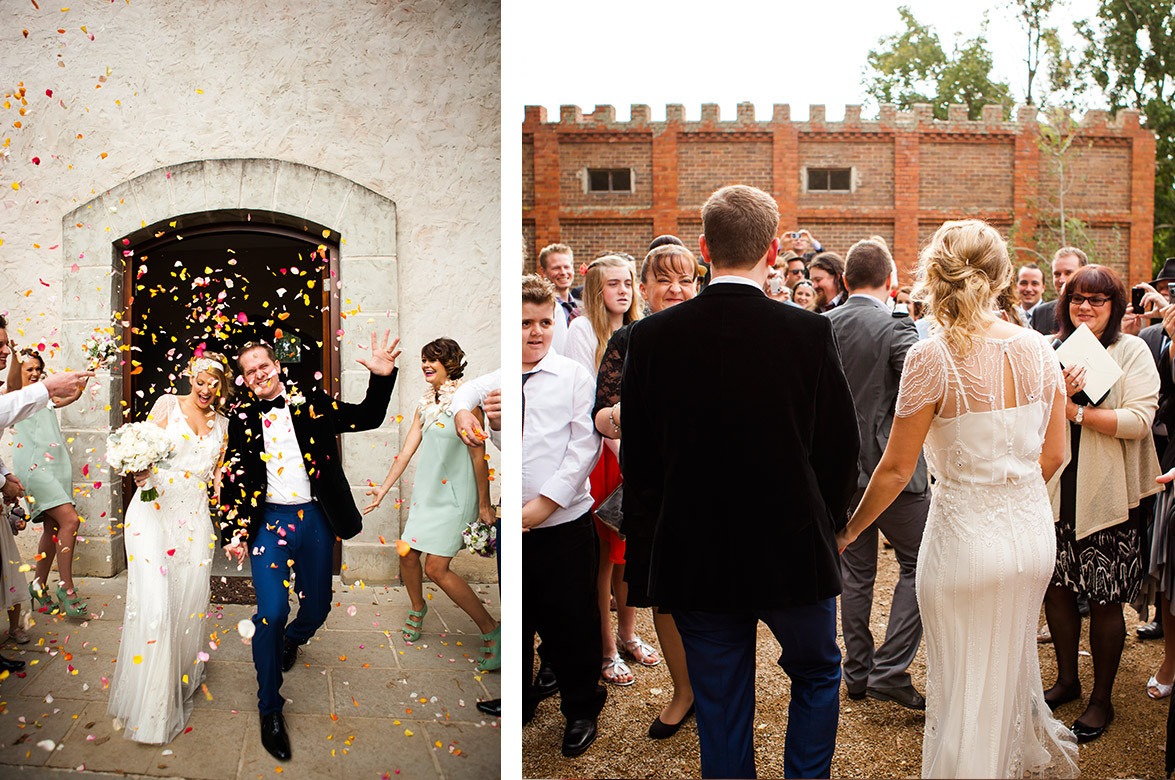
Photojournalism treats your wedding like a story — the photographer blends into the background, capturing genuine moments without staging. Expect lots of candid expressions and emotions. This style is perfect if you prefer the “fly-on-the-wall” feeling.
Fine Art
Fine art photographers focus on composition, soft light, and editorial-style posing. Think airy images, artistic framing, and a creative use of negative space. This is ideal if you admire museum-worthy photos or want an album that looks like an art book.
Editorial / Fashion
If you want dramatic, high-impact images that could grace a magazine spread, editorial style is the pick. Photographers use bold posing, dramatic lighting, and strong direction. This usually requires more time and a confident couple willing to perform for the camera.
Lifestyle
Lifestyle is a hybrid: more directed than pure documentary but less posed than traditional. The photographer sets up natural scenarios (a getting-ready moment, a staged walk) and captures relaxed interactions. This style is approachable and authentic.
Film / Vintage Look
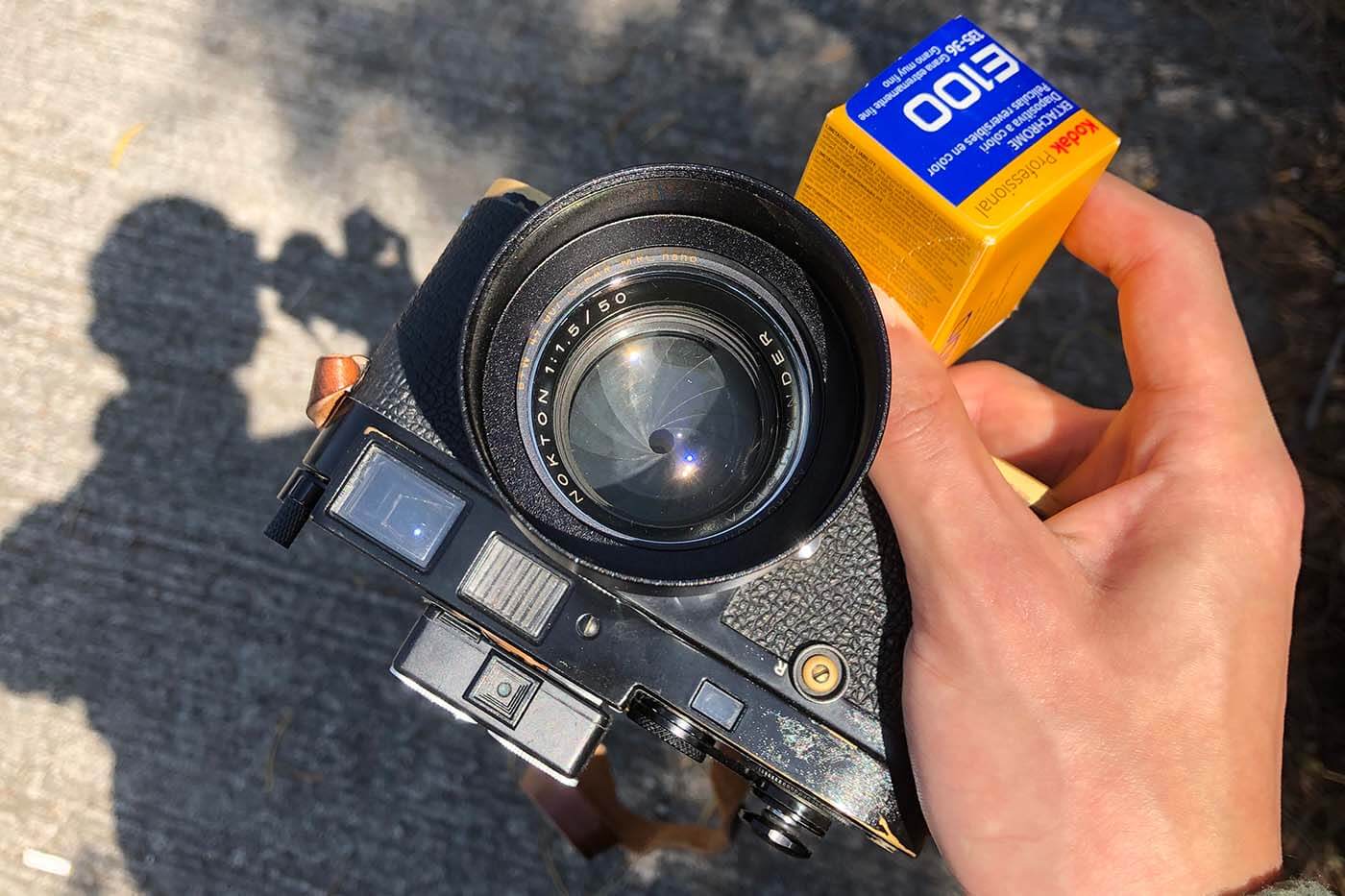
Film photography (or digital with film emulation) produces warm tones, subtle grain, and a nostalgic mood. If you’re drawn to vintage aesthetics — Polly’s old-school polaroids or an elegant 1970s vibe — consider a photographer skilled in film or film-style editing.
How to Identify Your Personal Photography Style
So how do you know which style fits your wedding? Start like a stylist: collect, curate, and compare.
Collecting inspiration: moodboards & platforms
Make a moodboard on Pinterest, Instagram saved collections, or a folder of magazine tear-outs. Save images you love and — just as important — note why you love them. Is it the light, the emotion, the color palette, or the composition? This helps you articulate your taste to photographers.
Matching style to venue, dress, and vibe
Your venue’s lighting and surroundings will affect what works. A moody ballroom pairs wonderfully with editorial or classic styles; a sunlit barn begs for fine art or lifestyle photography. Consider dress details and decor: a beaded gown and crystal chandeliers will read differently than a linen suit and wildflower bouquet.
Questions to Ask When Hiring a Photographer
Interviewing photographers is like screen-testing: you want chemistry, clarity, and the right skill set.
Portfolio specifics & full wedding galleries
Ask to see full wedding galleries, not just highlight reels. A highlight reel shows best-case shots; full galleries reveal consistency across different lighting and moments. Look for uniformity in editing and style across different events — this indicates the photographer delivers on their promise.
Deliverables, rights & turnaround
Clarify what you’ll receive: high-resolution files, web-sized images, albums, prints? Ask about rights: can you print and post online? What’s the turnaround time for images? Knowing this upfront avoids disappointment.
Budgeting Without Sacrificing Style
Budget shapes options, but it doesn’t have to kill your style dreams.
Package components & add-ons
Understand what’s in standard packages: hours, second shooter, engagement shoot, albums. If a photographer’s core style requires more time (e.g., editorial sessions), you might need to invest in extra hours. Decide which elements are non-negotiable — do you need a second shooter or an album? — and spend your budget there.
Timeline & Shot Planning Based on Style
Different styles require different timing. A candid documentary approach is flexible; an editorial session needs dedicated time.
Golden hour, portraits & candid windows
Golden hour (the hour after sunrise or before sunset) makes fine art and editorial portraits glow. If that look matters, schedule time for portraits then. For documentary styles, prioritize documentary windows like ceremony and reception entrances to capture raw emotion.
Working with the Photographer on the Big Day
Good collaboration is the secret ingredient of great wedding photography.
Communicating expectations & family shots
Share your moodboard and a short, prioritized shot list. Tell the photographer which relatives MUST be photographed and which are optional. Keep the list tight to prevent delays — wedding days run on momentum.
Handling difficult relatives & logistics
Appoint a family photo wrangler — someone who knows names and relationships. It saves massive time. If certain family members argue or are camera-shy, give the photographer a heads-up and plan a quick discreet strategy so portraits stay efficient.
Post-Processing & Editing: The Hidden Style Maker
Editing can transform photos from “nice” to “iconic.”
Color grading, presets, and film emulation
Ask about the photographer’s editing process. Do they use presets? Do they hand-grade images? If you love muted tones, ask to see examples. If you want minimal retouching vs heavy fashion retouching, set those expectations.
Deliverables: Albums, Prints, and Digital Files
How you receive images affects how they’re experienced.
Choosing an album style & print finishes
Consider an album that matches your style: linen covers for a timeless look, leather for a luxe feel, or a flush-mount layflat album for wide panoramic shots. Choose print finishes (matte vs glossy) based on the aesthetic — matte tends to feel more modern and fine-art.
Legal & Contract Essentials
Contracts protect you and the vendor. Read the cancellation policy, the photographer’s backup plan (equipment failure? illness?), and copyright terms. Ideally, the contract should specify delivery timelines, number of edited photos, and whether a second shooter is included.
Red Flags — When a Style Isn’t Right
How to tell when something’s off: If a photographer’s portfolio uses the same handful of images across different clients, or if full wedding galleries show inconsistent editing, that’s a red flag. Overly dramatic promises without proof (e.g., “I’ll give you magazine covers!”) should be met with a request to see full examples.
Final Checklist Before You Book
- Viewed at least two full wedding galleries.
- Confirmed hours and overtime fees.
- Agreed on deliverables and turnaround time.
- Confirmed who the point person is on the day.
- Checked for second shooter/backup equipment.
- Read cancellation and force majeure policies.
Conclusion
Choosing the perfect wedding photography style is a mix of heart and homework. Start by collecting images you truly love, match that aesthetic to your venue and personality, ask the right questions during interviews, and lock down the logistics that make creativity possible on the day. Whether you want candid storytelling, glossy editorial shots, or soft fine art images, the right photographer will translate your vision into photos you’ll cherish. Remember — photos aren’t just for now; they’re the first draft of family history.
FAQs
1. How do I choose between documentary and traditional wedding photography?
Think about what matters most: if you want posed family portraits and formal group shots, prioritize traditional. If you prefer unposed emotion and storytelling, choose documentary. You can also combine both — many photographers offer hybrid approaches.
2. Is an engagement shoot necessary?
Not necessary, but highly recommended. Engagement shoots help build rapport with your photographer, calm camera nerves, and give you images for save-the-dates. They’re a rehearsal that often improves wedding-day photos.
3. How many hours of coverage do I really need?
Coverage depends on your priorities. For full storytelling — getting ready through reception — plan 8–10 hours. If you only want ceremony and reception highlights, 4–6 hours may suffice. Consult your photographer with your timeline.
4. Should I prioritize style or budget?
Prioritize the style you’ll still love in 10 years. Money matters, but skimping on the photographer is a common regret. Consider reallocating budget from décor to photography — photos preserve the day forever.
5. Can editing change the photography style after the shoot?
Editing can enhance and unify a photographer’s look but can’t fully change the essence of the images. If your shoot was candid and raw, heavy fashion-style editing won’t turn it into editorial portraits. Choose a photographer whose shooting and editing styles align with your vision.
Discover expert wedding photography tips, trends, and inspiration at CameraTale.com — your go-to hub for photographers and couples.
From beginner guides to pro insights, CameraTale.com helps you capture every perfect shot and elevate your photography journey.