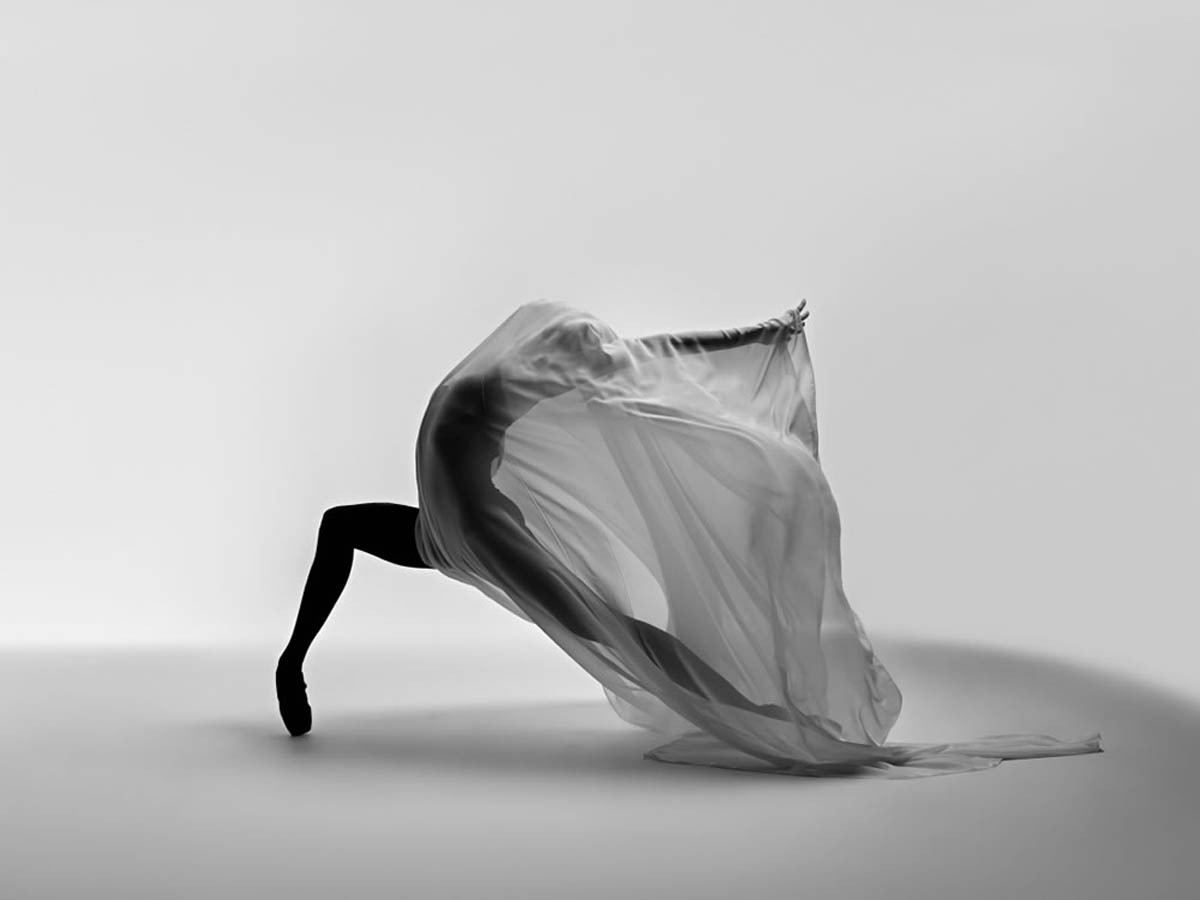

What is Fine Art Photography?
Fine art photography is all about expressing your creativity, vision, and emotion through images. Unlike commercial or event photography, it’s less about documenting reality and more about telling a story or evoking a feeling. Think of it as painting with a camera—your photographs become your canvas.
The Difference Between Fine Art and Commercial Photography
While commercial photography focuses on selling products or services, fine art photography emphasizes artistic expression. It’s less about pleasing a client and more about conveying a unique perspective.
Why Fine Art Photography Matters
Fine art photography allows you to leave a personal imprint on the world. It challenges your creativity, sharpens your eye for detail, and gives you a deeper understanding of light, texture, and emotion.
Essential Skills Every Beginner Needs
Understanding Composition
Composition is the backbone of any great photograph. Without it, even a technically perfect shot can feel dull.
Rule of Thirds and Leading Lines
The rule of thirds divides your frame into a 3×3 grid, helping you place subjects strategically. Leading lines guide the viewer’s eyes toward the focal point, creating depth and engagement.
Framing and Perspective
Experiment with different angles and frames. Sometimes shooting through a window, a doorway, or even leaves can transform an ordinary scene into something magical.
Mastering Lighting Techniques
Lighting can make or break a fine art photograph. It’s not just about brightness—it’s about mood, depth, and texture.
Natural vs Artificial Light
Natural light gives a soft, organic feel, perfect for landscapes and portraits. Artificial light, like studio strobes, offers control and precision for dramatic or stylized shots.
Shadows and Highlights
Play with shadows and highlights to add contrast and drama. Remember, sometimes the areas you don’t light are just as important as the ones you do.
Developing a Personal Style
Finding Your Artistic Voice
Your style is your signature. Experiment with different subjects, techniques, and editing styles until you discover what resonates with you.
Exploring Themes and Concepts
Focus on themes like nature, abstraction, or urban life. A cohesive theme helps your portfolio feel intentional and thought-provoking.
Must-Have Equipment for Fine Art Photography
Choosing the Right Camera
Your camera is your brush. While expensive gear isn’t mandatory, choosing the right camera can simplify your journey.
DSLR vs Mirrorless
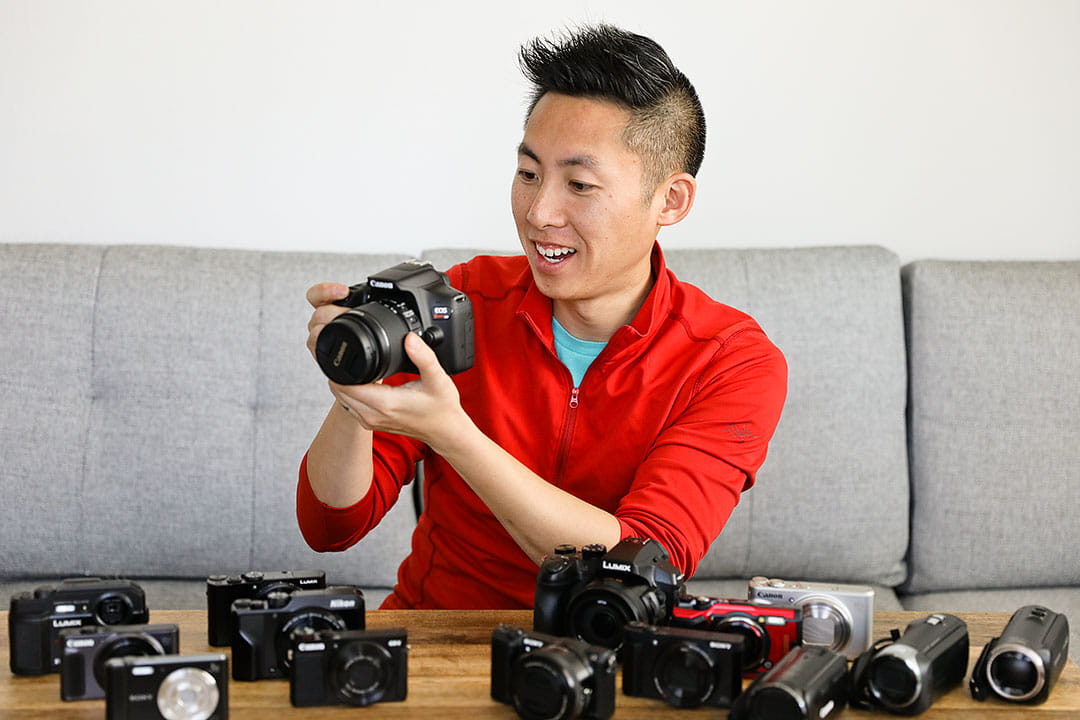
DSLRs are reliable and versatile, perfect for beginners wanting to learn the fundamentals. Mirrorless cameras are lightweight, fast, and offer modern features like electronic viewfinders.
Essential Lenses
Prime Lenses vs Zoom Lenses
Prime lenses (fixed focal length) produce sharper images and beautiful background blur. Zoom lenses offer flexibility, letting you adjust composition without moving. A combination is ideal for beginners.
Tripods and Accessories
Filters, Remote Shutters, and Props
Tripods stabilize your camera for long exposures and low-light conditions. Filters, like ND or polarizing filters, control light and reflections. Props add storytelling elements to your fine art projects.
Post-Processing Tips for Fine Art Photography
Software Options
Adobe Lightroom and Photoshop are industry standards, but Capture One and Affinity Photo are excellent alternatives.
Editing Techniques for Artistic Expression
Enhance mood with color grading, adjust exposure, or selectively sharpen details. Remember, editing should enhance your vision, not mask poor technique.
Common Mistakes to Avoid
Avoid over-editing, relying too heavily on filters, or ignoring basic principles like composition and lighting. Take time to study classic fine art photographs for inspiration.
Inspiring Fine Art Photography Projects for Beginners
Try black-and-white portrait series, abstract nature shots, or minimalist urban landscapes. Small, focused projects help build skills while keeping motivation high.
Building a Portfolio and Sharing Your Work
Showcase your best images on Instagram, Behance, or a personal website. Consistency and storytelling will attract viewers and potential buyers.
Conclusion
Fine art photography is a journey, not a destination. By mastering composition, lighting, and post-processing while experimenting with equipment and style, you’ll grow both technically and creatively. Start small, stay curious, and let your camera tell your story.
FAQs
1. What camera is best for fine art photography beginners?
A mirrorless camera or a DSLR with manual controls is ideal, but even high-quality smartphones can work when starting out.
2. How can I find my personal photography style?
Experiment with subjects, lighting, and editing until certain approaches consistently resonate with you. Your style evolves over time.
3. Do I need expensive lenses to create fine art photos?
Not necessarily. Start with one or two versatile lenses and upgrade as your skills and needs grow.
4. Is post-processing essential in fine art photography?
Yes, it helps refine your vision, control mood, and enhance the artistic impact of your images.
5. How do I display or sell my fine art photography?
Create a strong portfolio online, participate in exhibitions, or sell prints on platforms like Etsy or personal websites.
Explore more tips, tutorials, and inspiring ideas for Fine Art Photography at cameratale.com. Start your creative journey today with beginner-friendly guides!