

Introduction
Personal photography is the playground where your curiosity meets technique. Whether you’re a weekend snap-happy phone user or a hobbyist with a camera bag full of glass, this article will give you practical, creative ideas to plan your next shoot. Expect tangible prompts, simple technical tips, and mindset hacks that make creating enjoyable again. Ready? Let’s turn your next hour into a mini-adventure in visual storytelling.
Why Personal Photography Matters
Personal photography isn’t only about making pretty images — it’s how you train your eye, document your life, and express ideas that matter to you. Think of it like journaling but with light and composition. Over time, these shots accumulate into a visual diary that shows how your style and priorities evolve. Plus, the low-pressure nature of personal projects is the perfect laboratory to experiment without fear.
Getting Started: Gear & Mindset
Camera vs Phone: What Really Matters
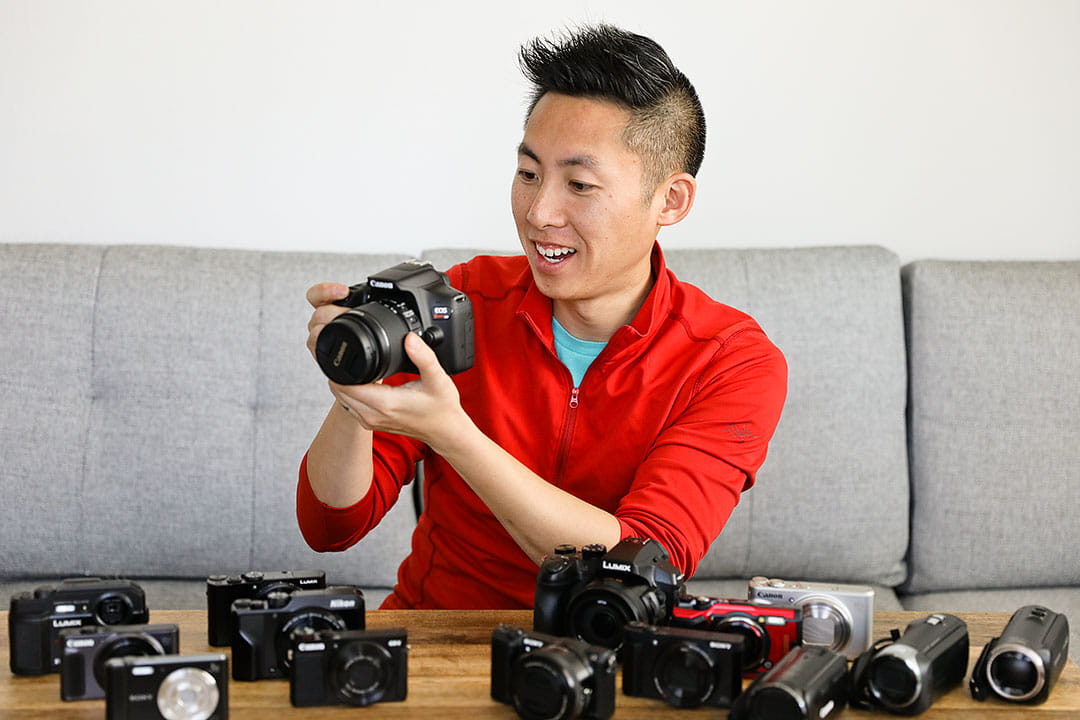
Do you need an expensive camera? No. Phones today are astonishing. The real power is in seeing opportunities and committing to making an image. Use what you have — the story and light are far more important than megapixels. That said, learning manual exposure on any device will level you up faster than upgrading gear.
Essential Lenses & Accessories
If you use a camera, a fast 50mm (or equivalent) is a brilliant all-around lens for portraits and still life. A wide lens (24mm equivalent) helps for environmental shots; a telephoto (85–200mm) isolates subjects and compresses backgrounds. Essentials: a small tripod, a reflector (or DIY white card), and spare batteries. For phones: a small tripod and a clip-on macro or wide lens can open new possibilities.
Mindset: Curiosity Over Perfection
Don’t wait for the “perfect” idea. Adopt curiosity: photograph something just because it looks odd, or because it reminds you of a memory. The “done” shot teaches more than the unreachable perfect shot sitting in your head. Set small rules — shoot only in one room for an hour, or only use shadows — and watch creativity bloom.
Creative Concept Ideas
Self-Portrait Series
Self-portraits are a golden route into personal photography because you’re always available as a subject. Think beyond the standard selfie.
Mirror & Reflection Play
Use reflections for layered narratives: a face in a puddle, a reflection through glass, or a mirror half-covered by props. Reflections let you hint at context without spelling it out.
Silhouettes & Shadows
Silhouettes reduce a person to shape and posture — emotion through posture. Shoot against strong light (sunset or a lamp) and expose for the background; your subject becomes a graphic icon. Shadows alone can be a portrait of a moment.
Environmental Portraits
Tell the story of someone by showing their environment: a baker in their kitchen, a skateboarder on a graffiti-lined street, or an elderly neighbor beside their plants. The surroundings provide clues and mood; you’re crafting a mini-biography in one frame.
Still Life with a Personal Twist
Choose objects that reveal something about you — a worn pair of shoes, a coffee cup with lipstick, a stack of letters. Arrange them deliberately: consider negative space, color, and texture. Still life forces you to see relationships between objects and light.
Theme-Based Shoots
Color Stories (Monochrome & Color Pops)
Pick a dominant color and hunt for it across your day. Alternatively, do a monochrome series — black & white highlights tonality and emotion. Color is a powerful unifier; a series of teal objects or red doorways becomes instantly cohesive.
Texture, Pattern & Minimalism
Make texture the hero: peeling paint, knitted fabric, rust, or skin. Zoom in, isolate patterns, and make the viewer feel the surface. Minimalism — one strong subject, lots of empty space — can feel like a visual exhale.
Experimental Techniques to Try
Long Exposure & Motion Blur
Long exposures are fun and forgiving. Use a tripod: expose for several seconds to smooth water, streak traffic lights, or blur people to show movement. For handheld motion blur, pan with a moving subject (cars, runners) and keep the subject sharp relative to the background.
Double Exposure & In-camera Tricks
Many modern cameras and apps let you overlay two images. Combine a portrait with a landscape or texture to create evocative metaphors (a face + tree branches = thinking, rooted, connected).
Light Painting
Turn off ambient light and “paint” with a flashlight, phone screen, or sparklers while your camera records a long exposure. This technique feels like drawing in the air — wildly playful and surprisingly elegant when controlled.
Composition & Storytelling
Using Leading Lines & Framing
Lines guide the eye: roads, railings, and shadows can lead viewers to your subject. Use doorways, windows, or branches to frame faces and objects — it creates depth and focus.
Negative Space & Visual Pace
Negative space lets your subject breathe. A tiny subject in a vast frame emphasizes isolation or freedom. Think of visual rhythm: a series of vertical elements creates a beat; a single strong horizontal line calms.
Working with Light
Golden Hour & Window Light
The “golden hour” (shortly after sunrise and before sunset) is famous for a reason — warm, soft light flatter subjects and create mood. Window light is your indoor golden hour: a single window can produce dramatic, directional light for portraits and still life.
Backlight & Rim Light
Backlighting creates halos and separates subject from background. Expose for the subject or for the background intentionally, depending on whether you want a silhouette or rim-lit subject. A simple reflector can bounce light back into the face and save the shot.
Post-Processing & Workflow
Simple Edits That Improve Mood
Start with crop, exposure, contrast, and white balance. Small changes in crop or exposure often make the biggest difference. Use curves or tone sliders to add contrast and depth. Avoid over-editing — natural looks often score better in personal work.
Organize, Cull & Caption
Develop a quick culling workflow: flag, reject, keep. Use keywords and short captions that explain the idea behind the image — captions improve your memory of the intent and help with later sharing or SEO.
Shooting Challenges & Prompts
30-Day Personal Photography Prompt
Day 1: Your hands. Day 2: A favorite chair. Day 3: Something red. Keep prompts simple and repeatable. Constraints breed creativity — you’ll notice details you’d otherwise skip.
The Constraint Game (Limitations = Creativity)
Limit yourself to one focal length, one light source, or one subject for a week. Constraints force you to solve visual problems in novel ways — it’s like weight training for your eye.
Sharing, Portfolio & SEO Tips for Photographers
Social Media Best Practices
Post thoughtfully: one great image wins over a dozen okay ones. A clean caption with a short story or context increases engagement. Use a few targeted hashtags and rotate them by theme, not just generic tags.
Basic SEO: Keywords, Alt Text & Captions
When uploading to your website or blog, treat photos like content. Use descriptive file names, add alt text that describes the photo and intent (“personal photography — window-lit portrait of woman holding tea”), and craft captions that include your keyword naturally. These small steps make your work discoverable.
Common Mistakes and Quick Fixes
- Over-cluttered backgrounds → move, simplify, or use shallower depth of field.
- Relying only on center composition → try off-center (rule of thirds) or negative space.
- Over-editing color → dial back saturation and check skin tones.
- Forgetting to charge batteries → keep a backup or a phone power bank.
Conclusion
Personal photography thrives on curiosity, repetition, and playful constraints. The single most effective habit you can adopt is to shoot regularly with intention — even a single image a day. Use these ideas as springboards: mix themes, test techniques, and, most importantly, keep the process fun. Your best photos often arrive when you least expect them — while you’re experimenting, learning, and paying attention.
FAQs
Q1: What if I only have a smartphone — can I still do personal photography?
Absolutely. Smartphones are powerful creative tools. Focus on composition, light, and story. Use portrait mode sparingly, shoot in RAW if possible, and try small accessories like clip-on lenses and a compact tripod.
Q2: How often should I practice personal photography to see improvement?
Aim for consistency — even 3–4 intentional shots a week will improve your eye faster than sporadic, marathon sessions. Short daily challenges (5–10 minutes) compound skill quickly.
Q3: How do I make my personal photos look cohesive for a portfolio?
Choose a unifying element: consistent color palette, recurring subject matter, or similar editing style. A small, curated set of 10–20 images that feel related is more powerful than 100 random photos.
Q4: Which editing software should beginners use?
Start with accessible tools: Lightroom (desktop or mobile) for global edits and organization. Snapseed and VSCO are great mobile options. Keep edits simple — exposure, color balance, and a touch of clarity.
Q5: How can I stay inspired when I feel stuck?
Try constraints: limit your focal length, pick a single color, or follow a 7-day prompt list. Visit local markets, challenge yourself to document an everyday routine, or swap projects with a friend for fresh ideas.
CameraTale.com is your ultimate hub for personal photography tips, creative ideas, and expert guides to elevate your shots.
From beginner tricks to pro-level inspiration, CameraTale.com helps you capture moments that truly tell your story.