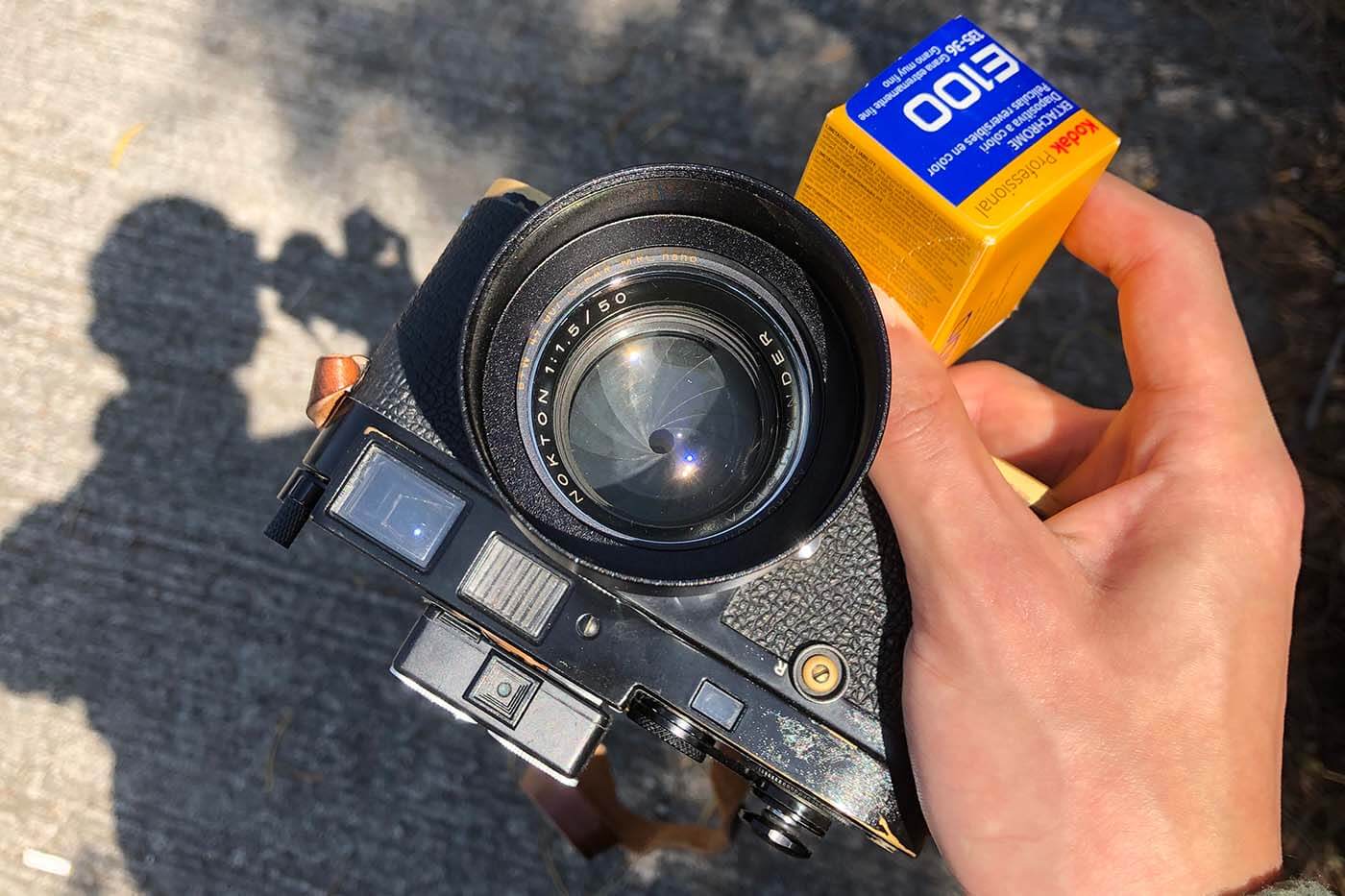


Why Black Friday Matters for Photographers
Every photographer loves a good deal — and Black Friday Shopping is the once-a-year sprint where serious savings meet gear upgrades. Whether you’re a hobbyist chasing better low-light performance, a wedding shooter wanting extra lenses, or a content creator upgrading to 4K, Black Friday brings rare bundles, big discounts, and opportunities to score discontinued models at bargain prices. The trick is to shop smart — not just fast.
Set Your Budget & Priorities
Before the sale frenzy, set a clear budget. That sounds basic, but it’s the number-one guardrail that prevents buyer’s remorse. Decide how much you’ll allocate overall and break that into categories: camera bodies, lenses, accessories, and services (e.g., extended warranty, insurance).
Essentials vs Nice-to-Have
Make two lists: “Must-haves” (gear that directly improves your current work) and “Want-but-not-critical” (shiny things that are optional). Example: for a wedding photographer, a fast 50mm prime is a must; a specialty tilt-shift lens is likely a want. Prioritizing helps prevent impulse purchases that look like wins but don’t help your craft.
Research Phase: What to Watch For
Great deals hide in plain sight when you know what to look for. Key elements: exact model numbers (not just “mirrorless camera”), bundle contents (body + kit lens, extra battery, memory card), and whether the item is new, open-box, or refurbished.
Model Numbers, Bundles, Refurbs
Model numbers matter because camera manufacturers iterate frequently: an older model might be cheaper and perfectly fine. Bundles can be excellent value — but only if the extras are things you’ll use. Refurbished gear from manufacturer-authorized stores can be nearly as good as new and often includes a warranty.
Create a Wish List and Price History
Use spreadsheets, wish lists, or price-tracking tools to record current prices weeks before Black Friday. Knowing a product’s typical price helps you spot a true discount vs. a “marketing” price cut.
Tools & Tracking Methods
Use browser extensions and price trackers (or a simple Google Sheet). Track at least 2–4 weeks of prices. Add notes for competing sellers and expected stock levels. Pro tip: capture screenshots with timestamps of the “pre-sale” price to compare during the sale.
Choosing Retailers: Pros, Cons & Trust Signals
Big-box retailers, camera specialty stores, manufacturer websites, and marketplaces (Amazon, B&H, Adorama, local authorized dealers) all play different roles. Authorized dealers often offer best warranty coverage; marketplaces can have flash prices but require careful seller vetting. Prioritize retailers with clear return policies and positive reviews.
Marketplaces vs Authorized Dealers
Marketplaces can be price-leaders but sometimes sell grey-market or counterfeit items. Authorized dealers and manufacturer outlets are safer for warranty and returns. When in doubt, pick a reputable seller — a slightly higher price for peace of mind is worth it.
Timing Your Purchases: Early Birds, Doorbusters, and Cyber Monday
Black Friday isn’t a single day anymore. Many retailers roll out early deals, “doorbusters” for limited stock, and follow-up sales on Cyber Monday. If an item hits a price you like before Black Friday, buy it — don’t assume a better price is guaranteed. Conversely, if it’s a limited-doorbuster, prepare your checkout routine.
Coupon Stacking, Cashback & Credit Card Hacks
Combine discounts (Black Friday Shopping) when possible: store coupons + manufacturer rebates + cashback offers. Use a credit card with purchase protection or extra reward points for electronics. Some stores sell discounted gift cards in advance — buying a $500 gift card for $450 can be an easy 10% boost.
Gift Cards & Store Credit Offers
Watch for deals that provide store credit or gift cards with purchase. If you planned to buy more accessories later, a bundled gift card can be equivalent to an immediate discount. Always check any minimum spend or excluded items in the T&Cs.
How to Evaluate Camera Deals
Don’t fall for flashy percentages. Evaluate deals by asking: “Is this the best price historically?” and “Will this gear materially improve my photos or workflow?” Factor in depreciation and resale value — some camera bodies hold value well, others do not.
Price-per-feature, Depreciation, Resale Value
A slightly older camera often offers similar real-world value at a lower price. Lenses often hold value better than bodies. If you plan to resell later, consider the secondary market when deciding whether a deal is truly worth it.
Lens Deals: Which Lenses Are Worth the Dive?
Lenses change your images more than bodies do. Prioritize fast primes for low light and portraits and versatile zooms if you need flexibility. Third-party lenses (Sigma, Tamron) can offer exceptional value on Black Friday.
Primes vs Zooms, Third-party options
A fast prime (e.g., 35mm f/1.8 or 50mm f/1.4) is a creative multiplier: better bokeh, low-light performance, and compactness. Zooms like a 24–70 or 70–200 are workhorses. Third-party lenses give big savings, but check reviews for AF performance and build quality.
Accessories to Buy on Black Friday
Accessories are often the best ROI on Black Friday. Memory cards, batteries, chargers, camera bags, tripods, gimbals, and filters usually see solid discounts — and those consumables wear out, so stocking up makes sense.
Memory, Batteries, Bags, Tripods, Filters
Buy name-brand memory cards from trusted retailers to avoid fakes. Batteries and chargers from the manufacturer ensure longevity. A high-quality tripod or a weatherproof bag purchased on discount can serve you for years.
Buying Used or Refurbished: Tips & Red Flags
Used or refurbished gear can be a bargain, but check shutter count, cosmetic wear, and whether the seller returns or provides a warranty. Manufacturer-refurbed often includes the best warranty. For used cameras, request sample images and verify the sensor and lens mount condition.
Shutter Count, Warranty
Shutter count indicates how much life a camera has left. For DSLRs/mirrorless, compare shutter count to the manufacturer’s rated lifespan. Always prefer listings that include the count and allow returns.
Protecting Yourself: Warranty, Return Policies & Fraud Prevention
Read return policies carefully — holiday returns can have different rules. Confirm if the sale item is covered by manufacturer warranty, and consider an extended warranty only if it’s a long-term investment that will be used professionally. Use two-factor authentication on retailer accounts and avoid public Wi-Fi during checkout.
Prep for Post-Purchase: Firmware, Insurance, and Storage Strategy
Right after purchase, register gear with the manufacturer, update firmware, and make a backup plan for files. Consider insuring expensive gear — many insurers offer dedicated photography equipment coverage that includes theft, accidental damage, and worldwide usage.
Checklist — Black Friday Shopping Day Game Plan
- Pre-load payment info and addresses in retailer accounts.
- Open the product pages you tracked and have a backup seller.
- Use multiple devices (desktop + phone) to speed checkout.
- Keep shipping and return policy tabs handy.
- Have a fallback (e.g., target lens vs. a third-party lens) in case your first choice sells out.
Morning Routine, Browser Tabs, Mobile Apps
Start early. Refresh sparingly but be ready to buy fast if a limited-quantity deal appears. Have coupon codes copied into a sticky note or text file so you can paste them fast.
Sample 30-/60-/90-Day Gear Plans for Different Budgets
- Tight Budget (< $500): Prioritize memory cards, spare battery, protective gear, a versatile budget prime.
- Moderate ($500–$1500): Pick one key lens or a mid-range body; buy essential accessories.
- Professional ($1500+): Consider a body upgrade, a pro zoom, and insurance/extended warranty. Break purchases across 30–90 days to avoid overspending and to take advantage of additional post-Black Friday deals.
Conclusion — Smart, Not Hasty: Buy What Helps You Create
Black Friday Shopping is a powerful lever for photographers — but its value depends on planning. Prioritize gear that advances your creative goals, track price history, vet sellers, and have a checkout plan. With preparation, you’ll convert hype into real, lasting value for your photography.
FAQs
Q1: When should I buy: Black Friday or Cyber Monday?
A1: Buy when you see a trusted, historically good price or when a must-have item appears. Some categories (accessories, memory, and third-party lenses) often peak Black Friday; others (software, subscriptions) can be better on Cyber Monday.
Q2: Are refurbished cameras worth it?
A2: Yes, if they’re sold by the manufacturer or an authorized refurbisher with warranty. Refurbs often provide the best value for cameras with minor cosmetic issues but guaranteed functionality.
Q3: How do I avoid fake memory cards or batteries?
A3: Purchase from authorized dealers or manufacturer stores. Check seller ratings, and avoid suspiciously low prices. Look up serial numbers and verify packaging and warranty when possible.
Q4: Should I buy lenses or bodies first?
A4: Lenses usually matter more to image quality than bodies. If your current body is adequate, prioritize lenses that expand creative options (fast primes or versatile zooms).
Q5: What’s the single best tip for Black Friday camera deals?
A5: Do the homework early — track prices weeks in advance so you can confidently spot genuine discounts and pull the trigger when the price matches your target.
.
⇒ Don’t miss out on this shopping showdown! Discover which sale — Black Friday or Cyber Monday — offers the best deals, biggest discounts, and smart shopping tips to save more this season.