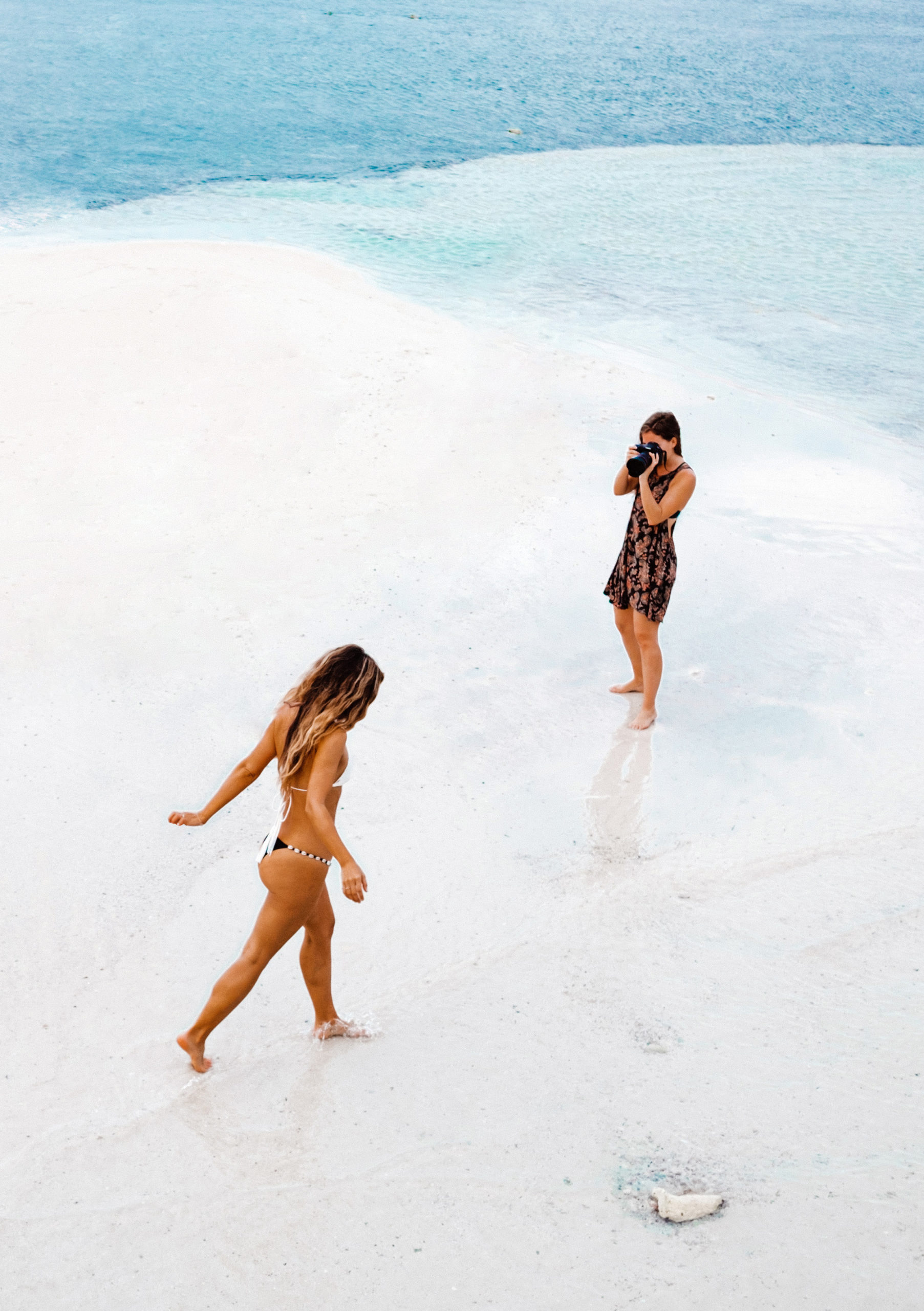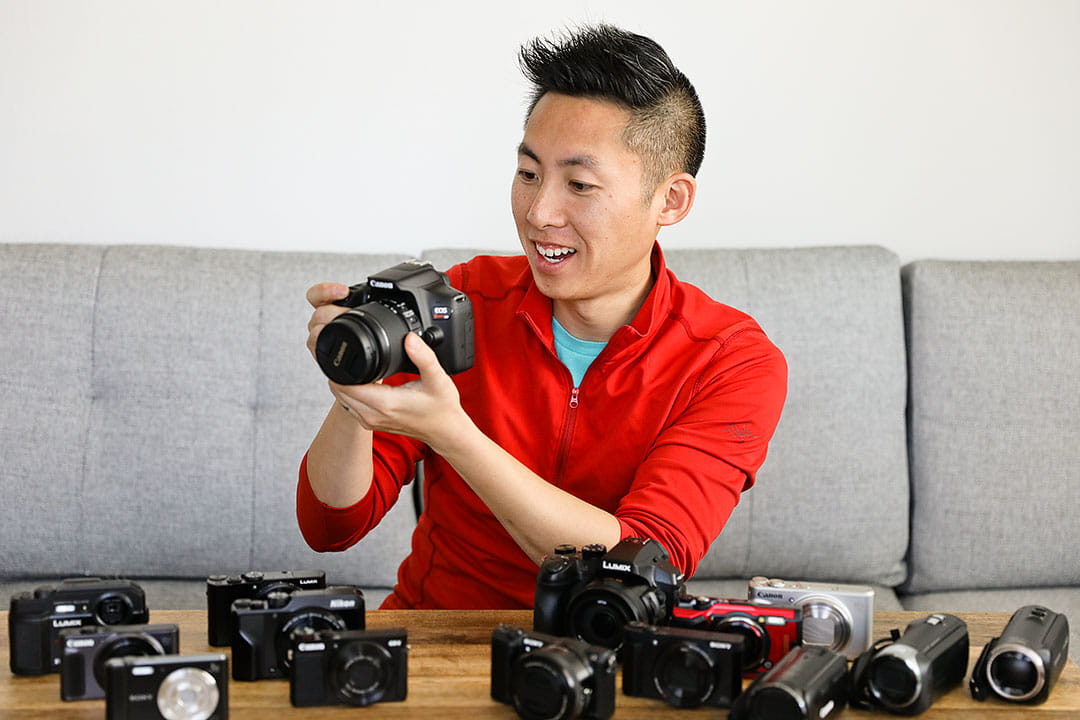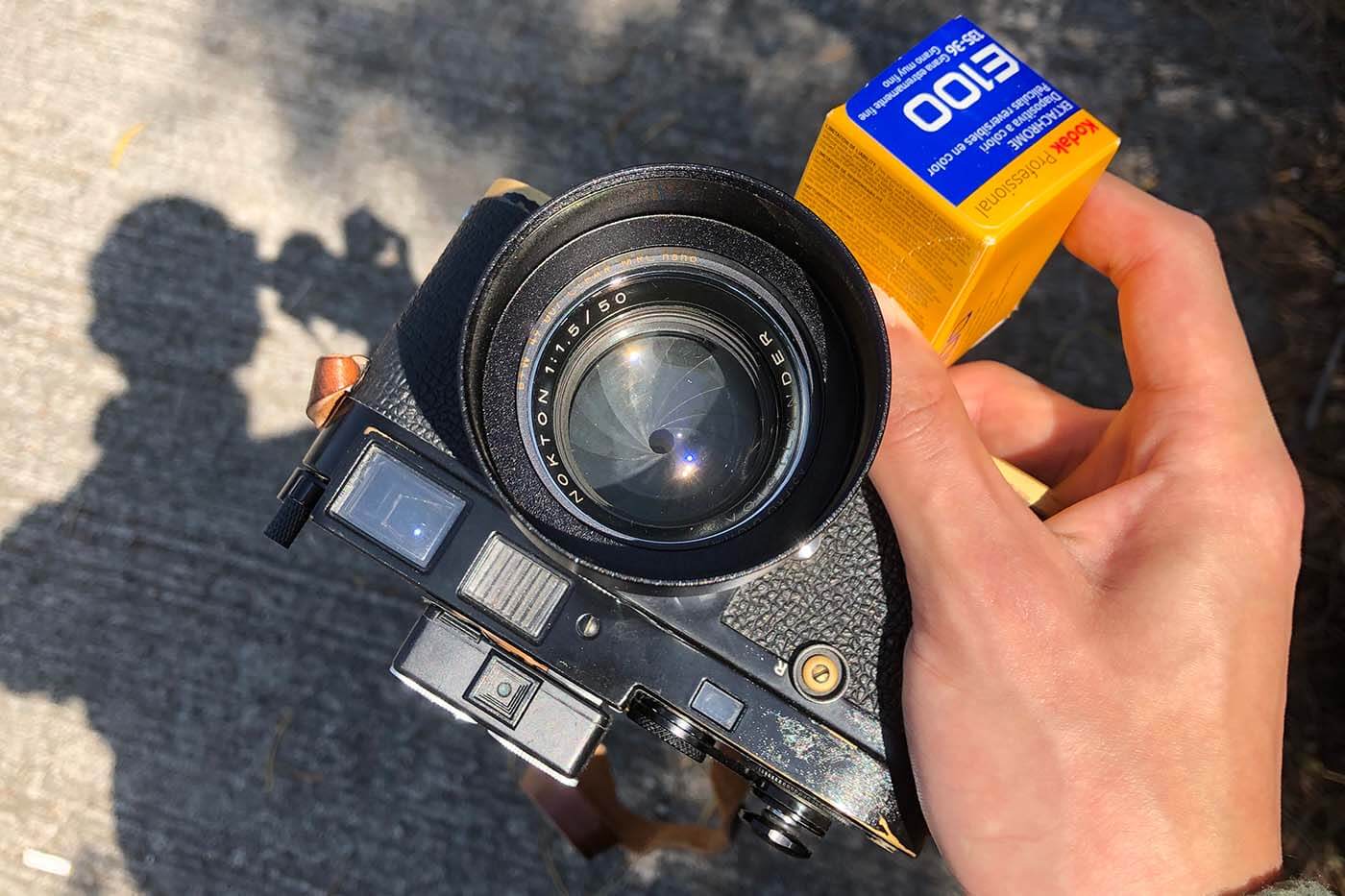


Photography is a beautiful art form that allows you to capture memories, tell stories, and express your creativity. But if you’re just starting out, it can feel overwhelming with so many settings, techniques, and styles. Don’t worry! We’ve compiled the ultimate guide with beginner photography tips to help you improve your skills and take stunning shots.
Introduction to Beginner Photography Tips
Starting your photography journey doesn’t have to be intimidating. With the right guidance, even a complete newbie can take photos that look professional. These tips cover everything from camera basics to composition, lighting, and editing. Ready to level up your photography game? Let’s dive in!
Tip 1: Understand Your Camera
Before you capture breathtaking shots, you need to know your camera like the back of your hand. Understanding its features is the first step toward becoming a confident photographer.
Learn Your Camera Settings
Every camera, from DSLRs to smartphones, has unique settings. Spend time exploring modes like Auto, Aperture Priority, Shutter Priority, and Manual. Play around with white balance, focus modes, and exposure compensation. The more familiar you are, the easier it is to capture the shot you envision.
Experiment With Manual Mode
While Auto is convenient, Manual mode gives you full control over aperture, shutter speed, and ISO. Don’t be afraid to experiment—mistakes are part of the learning process. You’ll start noticing how different settings affect the final image.
Tip 2: Master the Exposure Triangle
The exposure triangle—aperture, shutter speed, and ISO—is the backbone of photography. Mastering it ensures your photos are neither too dark nor too bright.
Aperture
Aperture controls how much light enters the lens. A wide aperture (low f-number) creates a blurred background, perfect for portraits. A narrow aperture (high f-number) keeps more of the scene in focus, ideal for landscapes.
Shutter Speed
Shutter speed affects how motion is captured. Fast shutter speeds freeze action, while slow speeds create motion blur. Use it creatively to add drama to your shots.
ISO
ISO determines your camera’s sensitivity to light. A low ISO produces clear images in bright conditions, while a higher ISO works better in low light but can introduce grain. Balancing ISO is crucial for clean, crisp photos.
Tip 3: Focus on Composition
Composition is what makes an image visually appealing. Even the best camera can’t fix a poorly composed shot.
Rule of Thirds
Imagine a tic-tac-toe grid over your frame. Placing your subject along these lines or intersections naturally draws the viewer’s eye and creates balanced photos.
Leading Lines and Framing
Use roads, fences, or rivers to guide the viewer’s gaze. Frames within frames, like windows or arches, add depth and interest. Composition is all about guiding the eye.
Tip 4: Use Natural Light Effectively
Lighting can make or break a photo. Natural light is free, beautiful, and versatile. Learning to use it properly is key.
Golden Hour Photography
Shoot during the golden hour—the first hour after sunrise or the last hour before sunset—for warm, soft light that adds a magical touch to your images.
Avoid Harsh Midday Sun
Midday sun can create harsh shadows and overexposed highlights. If you must shoot, look for shaded areas or use reflectors to soften the light.
Tip 5: Experiment with Angles and Perspectives
Don’t just shoot from eye level. Try crouching low, shooting from above, or using unusual angles to create unique and dynamic photos. Perspective changes everything!
Tip 6: Keep Your Lens Clean
A dirty lens can ruin your shot with smudges or dust spots. Always carry a microfiber cloth and clean your lens regularly—it’s a simple step that makes a huge difference.
Tip 7: Invest in a Tripod
Tripods aren’t just for professionals. They stabilize your camera, allowing for sharp photos, long exposures, and night photography. They’re worth every penny for serious beginners.
Tip 8: Edit Your Photos
Editing helps enhance your images and bring your vision to life. Don’t overdo it, but learning basic adjustments can significantly improve your work.
Basic Editing Tips
Adjust exposure, contrast, highlights, shadows, and colors. Crop for better composition and remove minor distractions to make your photos pop.
Recommended Editing Tools
Tools like Adobe Lightroom, Snapseed, and VSCO are beginner-friendly and versatile. Start small, then experiment as you grow.
Tip 9: Learn from Other Photographers
Study the work of professionals and peers. Analyze their composition, lighting, and editing techniques. Join photography communities, attend workshops, or follow Instagram accounts for inspiration.
Tip 10: Practice Consistently
Photography is like any skill—the more you practice, the better you get. Take photos every day, experiment with new techniques, and review your work to spot areas for improvement.
Common Beginner Photography Mistakes to Avoid
Avoid relying solely on Auto mode, neglecting composition, overediting, or ignoring lighting. Awareness of these common mistakes will accelerate your learning curve.
Conclusion
Photography is a journey, not a race. By mastering your camera, understanding light, focusing on composition, and practicing consistently, you’ll see your skills improve in no time. Remember, every expert was once a beginner—so grab your camera and start shooting today! Beginner photography tips are all about experimenting, learning, and having fun along the way.
FAQs
Q1: Do I need an expensive camera to start photography?
A1: No, any camera—including a smartphone—can be used to learn and practice photography effectively.
Q2: How can I improve my composition skills?
A2: Study the rule of thirds, leading lines, and framing techniques, and practice them in real-life shots.
Q3: Should I shoot in RAW or JPEG as a beginner?
A3: RAW is better for editing flexibility, but JPEG is fine if you want simplicity and quicker results.
Q4: How often should I practice photography?
A4: Daily practice is ideal, but even a few times a week can significantly improve your skills.
Q5: Can editing fix poorly taken photos?
A5: Editing can enhance photos, but it cannot completely fix issues with exposure, composition, or focus. Learning to shoot well is key.
- Discover top photography tips for beginners at CameraTale.com and elevate your skills today!
- Learn expert tricks, lighting hacks, and composition secrets for stunning shots.