
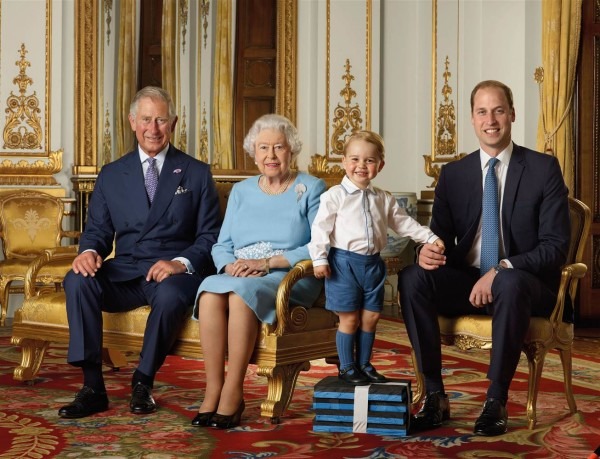

If you’ve ever wondered what goes on behind the lens when capturing a figure as iconic as Queen Elizabeth II, you’re not alone. Annie Leibovitz, renowned for her masterful photography, provides a window into the monarchy like no other. Let’s dive deep into the personal and cultural significance of her portraits.
The Genius Behind Annie Leibovitz
Annie Leibovitz has been a pioneer in portrait photography for decades. Her ability to capture personality, mood, and narrative in a single frame sets her apart. When it comes to photographing Queen Elizabeth II, Leibovitz combines technical skill with emotional intelligence.
Early Career and Iconic Style
Leibovitz’s early work with Rolling Stone and Vanity Fair established her signature style: bold, intimate, and often provocative. She uses lighting, composition, and context to tell stories that words sometimes fail to convey.
Why Photographing Queen Elizabeth II Matters
The monarchy is more than a political institution; it’s a cultural symbol. Capturing the Queen in photographs is an exercise in documenting history, identity, and tradition.
Personal Connection in Portraiture
Leibovitz doesn’t just photograph her subjects—she connects with them. In her portraits of Queen Elizabeth II, this connection becomes visible. Every gesture, glance, and nuance is a testament to mutual respect and understanding.
Cultural Significance of Royal Imagery
Royal portraits are a bridge between history and the present. They influence public perception and are archived as part of a nation’s cultural memory. Leibovitz’s photographs serve as both artistic achievements and historical records.
Iconic Portraits and Their Stories
Several of Leibovitz’s portraits of the Queen stand out for their composition, intimacy, and narrative depth. Each tells a story beyond the visible frame.
The Majesty in Intimacy
Leibovitz often captures the Queen in relaxed, contemplative poses. These moments humanize a figure often seen as distant, offering viewers a rare glimpse into the personal side of royalty.
Symbolism in Composition
Every element in Leibovitz’s portraits is deliberate. From the regal backdrop to subtle gestures, symbolism enriches the visual story, merging tradition with contemporary artistry.
Technical Mastery in Royal Photography
Leibovitz’s technical choices elevate her work from mere documentation to fine art. Her command over lighting, focus, and framing ensures that every portrait resonates deeply with audiences.
Lighting Techniques
Soft yet dramatic lighting highlights the Queen’s features while maintaining a natural, approachable feel. Leibovitz uses shadows and highlights to add depth and emotion to her work.
Composition and Framing
From close-up shots to full-body portraits, the framing enhances the narrative. Leibovitz knows when to include regal surroundings and when to focus solely on the subject, balancing context with intimacy.
The Legacy of Annie Leibovitz Queen Elizabeth Portraits
Leibovitz’s portraits are more than photographs; they are cultural touchstones. They reflect a blend of personal connection, artistic vision, and historical relevance.
Impact on Photography
These portraits have inspired photographers worldwide, setting new standards for capturing public figures with both dignity and humanity.
Influence on Public Perception
The intimate portrayal of Queen Elizabeth II reshapes how the public perceives royalty—less distant, more relatable, and deeply human.
Challenges of Photographing a Monarch
Working with royalty isn’t without its hurdles. Strict protocols, limited access, and public scrutiny make Leibovitz’s achievements all the more remarkable.
Maintaining Respect and Authenticity
Leibovitz balances reverence for the monarchy with her signature style. This delicate balance ensures that her portraits are both respectful and revealing.
Time Constraints and Pressure
Royal photography often involves tight schedules and immense pressure. Leibovitz’s ability to capture meaningful moments despite these challenges is a testament to her skill.
Lessons for Photographers and Artists
Leibovitz’s work offers invaluable lessons for aspiring photographers and artists:
- Build a connection with your subject.
- Understand cultural and historical context.
- Balance technical precision with emotional storytelling.
- Pay attention to lighting, framing, and composition.
- Create work that resonates beyond the immediate moment.
Conclusion
Annie Leibovitz’s portraits of Queen Elizabeth II are more than images—they are windows into history, culture, and human connection. Through her lens, we see royalty not just as symbols, but as people, revealing the heart behind the crown. These works continue to inspire photographers, historians, and audiences around the world.
FAQs
1. Why are Annie Leibovitz’s portraits of Queen Elizabeth II so significant?
They combine personal connection, artistic mastery, and historical documentation, offering a unique perspective on the Queen and monarchy.
2. How does Leibovitz approach photographing royalty differently?
She emphasizes intimacy and narrative, capturing both the human and symbolic aspects of her subjects.
3. What technical methods does she use in royal portraits?
Leibovitz uses dramatic lighting, careful framing, and composition to enhance emotional and visual impact.
4. Can her style be applied by other photographers?
Yes, photographers can learn from her focus on connection, storytelling, and technical precision.
5. Where can I view Annie Leibovitz’s portraits of Queen Elizabeth II?
Her work is featured in exhibitions, books, and online galleries, showcasing her iconic royal portraits.
Discover more inspiring photography insights at CameraTale.com – your go-to for photography tips and creative storytelling.