

Welcome to Photography Tip #8, where we’re diving deep into a skill that separates the average shooters from the pros — mastering manual focus. Whether you’re trying to get tack-sharp portraits or capturing crisp details in macro shots, manual focus can be your best friend. It’s time to take control and start focusing like a pro!
What is Manual Focus?
Manual focus is exactly what it sounds like — you adjust the focus of your camera manually using the focus ring on your lens, instead of relying on the camera’s autofocus system.
Manual vs Autofocus: The Basics
Autofocus is quick and handy, no doubt. But it’s not always reliable — especially in challenging lighting or detailed compositions. That’s where manual focus steps in, giving you total control.
When Manual Focus Matters Most
There are specific situations where manual focus doesn’t just help — it shines.
Low Light Conditions
When it’s dark, autofocus tends to “hunt” or miss. Your camera struggles to find contrast, leaving you with blurry shots. Manual focus lets you lock in precisely.
Macro Photography
Shooting close-up subjects? Autofocus may focus on the wrong spot. Manual focus ensures that tiny detail you want — like the veins on a leaf — is razor-sharp.
Portrait Photography
Sometimes, autofocus locks on the nose or shoulder. With manual focus, you control exactly where the sharpest point is — like the eyes.
Shooting Through Glass or Mesh
Trying to capture a zoo animal behind a cage or a street scene through a window? Autofocus often latches onto the barrier. Manual lets you bypass it.
Why Should You Master Manual Focus?
Aside from just sounding cool when you say “I shoot in manual,” there are real benefits.
Greater Creative Control
Manual focus empowers you to choose what’s sharp. Want a dreamy background and just the right edge in focus? Done.
Improved Image Sharpness
You’re not leaving sharpness to chance. You see it, adjust it, and nail it.
Better Results in Tricky Situations
Reflections, backlighting, cluttered scenes — they don’t faze a manual focus shooter.
How to Use Manual Focus Like a Pro
Understand Your Lens Focus Ring
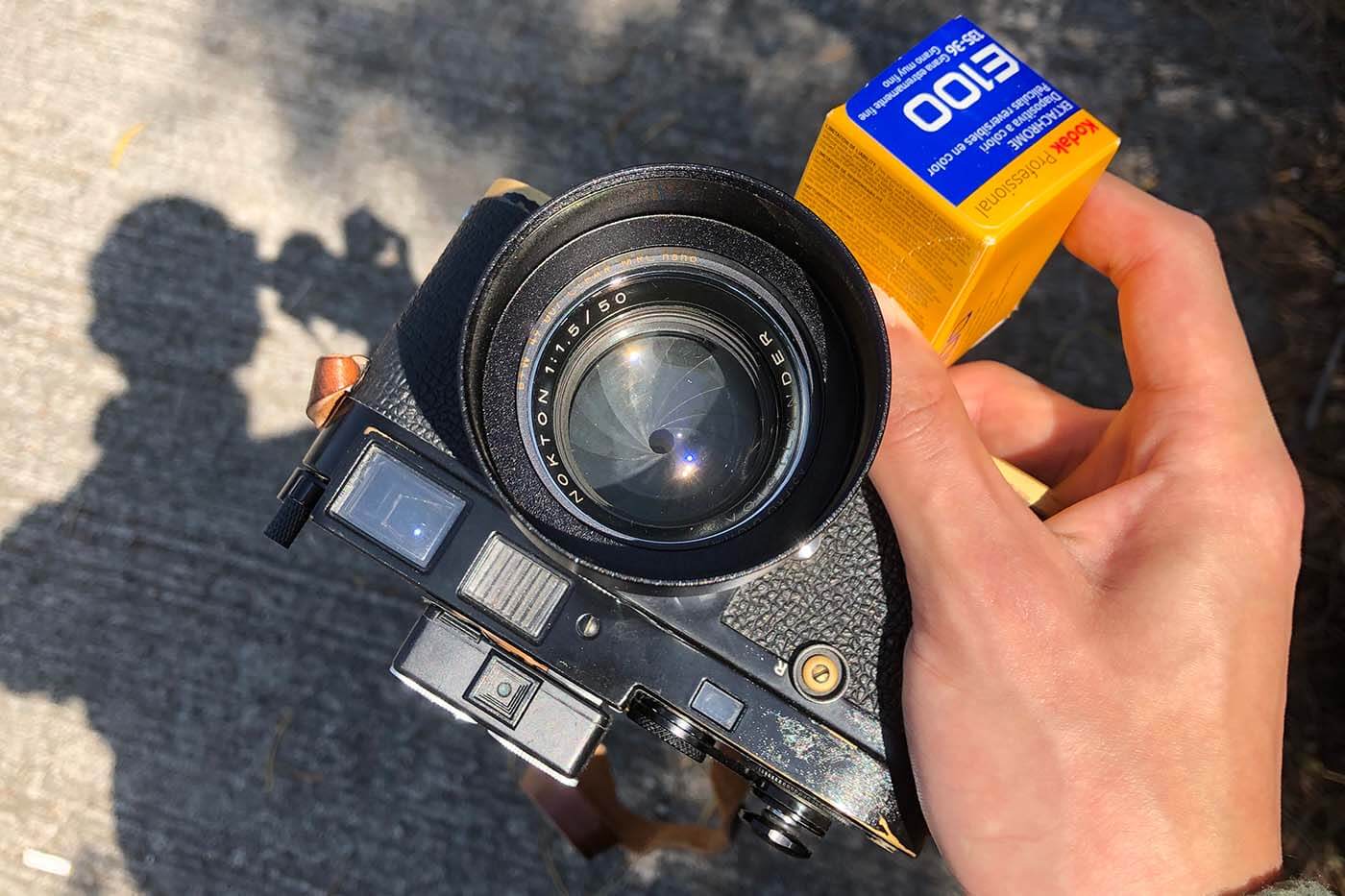
Every lens has a focus ring. Practice turning it gently while watching your subject through the viewfinder or screen — you’ll see the sharpness move back and forth.
Use Live View or Focus Peaking
Most modern cameras offer live view or focus peaking, which highlights the sharp areas on your screen. It’s like having built-in cheat codes.
Zoom in to Check Sharpness
In live view, use the digital zoom to zoom in on your subject and fine-tune your focus. It’s especially useful for macro and portraits.
Pro Tips to Nail Manual Focus Every Time
Use a Tripod
Eliminating camera shake makes it way easier to see where your focus lies — especially with zoom lenses.
Focus with Your Eyes, Not Guesswork
Don’t just twist the ring and hope. Learn to read the visual clues of sharpness: edges become crisp, textures stand out.
Focus Bracketing Trick
Take a series of shots, slightly adjusting focus each time. Later, pick the one where the sharpness is perfect. It’s a safety net for critical moments.
Common Mistakes to Avoid
Relying Only on the Viewfinder
Optical viewfinders don’t always show accurate sharpness. Use live view or zoom in to confirm.
Forgetting to Adjust for Movement
Subjects shift. Even a slight move can throw focus off. Be prepared to refocus quickly.
Manual Focus Tools You Should Know About
Focus Peaking
This feature outlines the in-focus areas in bright colors — usually red, yellow, or white. If your camera has it, use it religiously.
Magnification (Digital Zoom)
Many mirrorless and DSLR cameras let you magnify your live view. Zoom in 5x or 10x to check detail sharpness.
Manual Focus for Video Shooting
Ever seen a film where the focus glides from one character to another? That’s all manual magic.
Smooth Transitions and Cinematic Feel
Autofocus can pulse or jump. Manual gives you buttery smooth focus pulls.
Rack Focusing Techniques
By manually adjusting the focus during a shot, you can guide the viewer’s attention — a classic storytelling tool in cinematography.
Practice Makes Perfect
Like any skill, the more you do it, the better you get.
Exercises to Train Your Eyes
Try shooting a row of books. Focus on different spines. Look at the subtle change in sharpness. Repeat.
Experiment With Static and Moving Subjects
Practice with flowers one day, moving people the next. The variety will sharpen your reaction time and muscle memory.
Final Thoughts
Autofocus is handy, but manual focus is liberating. It gives you power, precision, and the ability to get shots others miss. Like switching from auto-pilot to pilot mode — once you learn it, you’ll never go back.
Conclusion
If you’re serious about leveling up your photography, then Photography Tip #8: Master Manual Focus for Sharper Images is one of those game-changer skills. From macro to portraits, from stills to cinematic videos — manual focus lets you call the shots, quite literally.
So the next time autofocus fumbles, remember: you’ve got this. Your hands, your eyes, your focus.
FAQs
Q1: Is manual focus better than autofocus for beginners?
A: It depends. Beginners often find autofocus easier, but learning manual focus early can greatly boost your photography skills.
Q2: What lenses work best for manual focusing?
A: Prime lenses with wide apertures and clear distance markings are ideal. Older manual lenses are great too.
Q3: Can I use manual focus on my phone camera?
A: Yes! Some smartphone apps like ProCamera or Halide let you switch to manual focus mode.
Q4: How do I know if my shot is in perfect focus?
A: Zoom in on your subject using live view or focus magnification. The sharper the texture, the better the focus.
Q5: What genres of photography benefit most from manual focus?
A: Macro, portraits, astrophotography, landscape, and any genre requiring precise focus control benefit most.
📌 Explore more expert guides like Photography Tip #8 on CameraTale.com — your go-to source for actionable, real-world photography tips.
From manual focus to advanced shooting hacks, CameraTale is where photographers level up their skills.