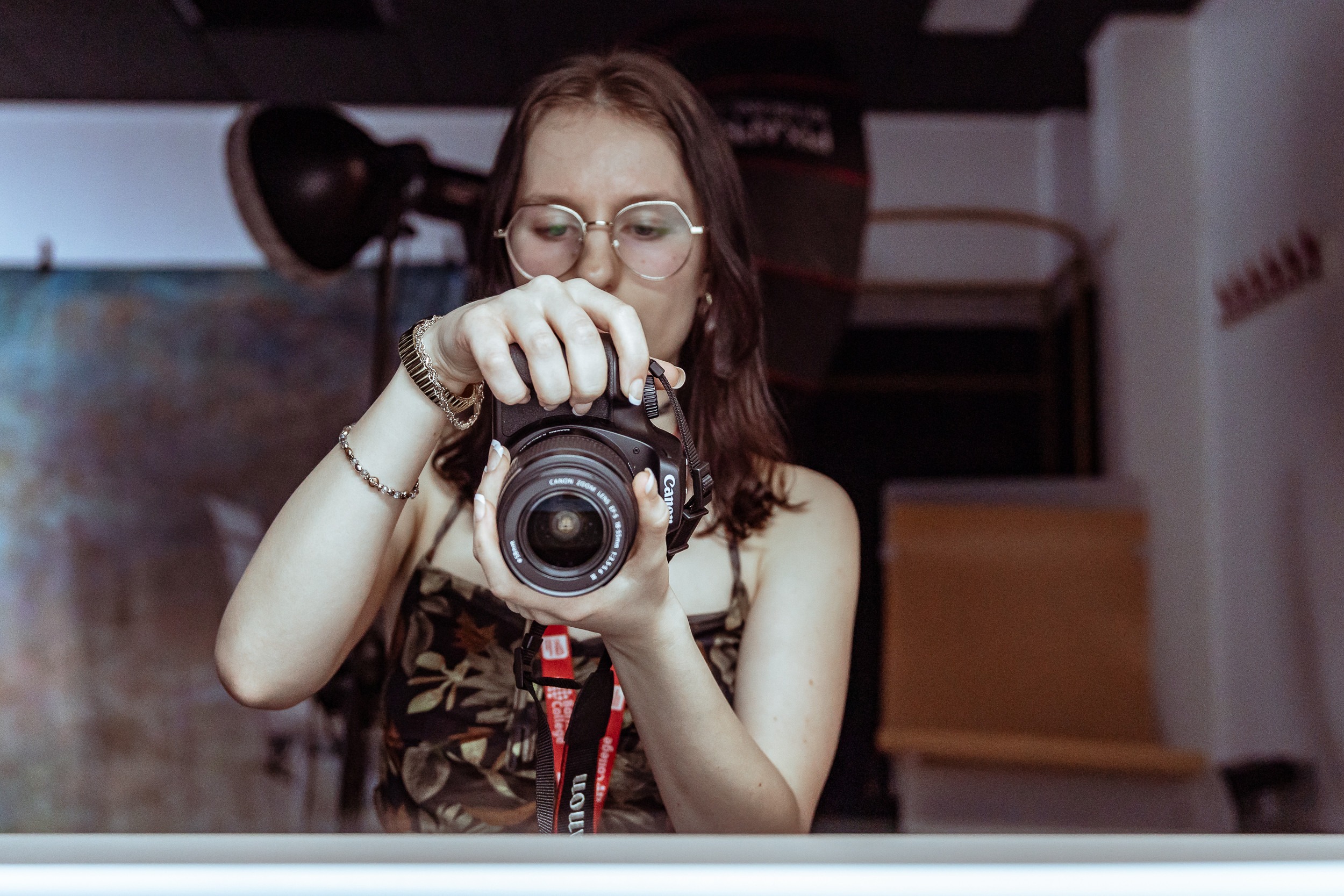

Why This Photography Tip Matters
Staying married to one lens can make your work predictable. Lenses are like paintbrushes — each has its own stroke, texture, and mood. Switching them up reshapes how you see the scene and how the scene speaks back.
The Role of Lenses in Photography
Your camera’s sensor may be the heart, but the lens is the eye. It defines perspective, depth of field, compression, and the emotional feel of your images.
How Lens Choice Shapes Your Creativity
Wide angles pull viewers into a story; telephotos isolate and simplify; macros reveal hidden micro-worlds. Each focal length nudges you toward a different visual language.
Understanding Different Types of Camera Lenses
Prime Lenses
Fixed focal length, fewer moving parts, and often wider apertures — primes are simple and sharp.
Benefits of Using Prime Lenses
- Exceptional sharpness and low-light performance.
- Wider apertures for creamy bokeh and subject separation.
- Lightweight, discreet, and great value.
When to Use Prime Lenses
Portraits, street, documentary, indoor events — anytime you want speed, subtlety, and intimate framing.
Zoom Lenses
One lens, many perspectives. Zooms thrive where moments move fast and access is limited.
Benefits of Using Zoom Lenses
- Rapid reframing without changing your position.
- Reduced lens swaps in dusty or fast-paced environments.
Best Scenarios for Zoom Lenses
Travel, weddings, sports, wildlife — situations where timing trumps perfection.
Wide-Angle Lenses
Capture context, scale, and dynamic foregrounds. Great for landscapes, interiors, and architecture.
Creative Uses for Wide-Angle Shots
- Exaggerate foreground to create depth and drama.
- Lead the eye with lines, patterns, and edges.
Telephoto Lenses
Bring far subjects near and compress space for clean, minimal compositions.
Why Telephoto Lenses Are Perfect for Distant Subjects
They isolate subjects, blur distractions, and make backgrounds feel closer — ideal for sports, wildlife, and candid portraits.
Macro Lenses
True 1:1 reproduction unlocks textures, patterns, and details invisible to the naked eye.
Capturing the Tiny Details
From dew on petals to the facets of an insect’s eye, macros turn ordinary scenes into alien landscapes.
How Practicing with Different Lenses Improves Your Skills
Expanding Your Creative Vision
Each focal length forces new compositions and storytelling choices, expanding your visual vocabulary.
Mastering Technical Challenges
You’ll learn to anticipate distortion, flare, minimum focus limits, and stabilization needs — and use them creatively.
Building Adaptability
Switching lenses trains you to move smarter, frame faster, and work confidently in diverse conditions.
Practical Exercises to Try with Different Lenses
One Lens, One Week Challenge
Shoot exclusively with one lens for seven days. Note how your distance to subject, framing, and timing evolve.
Shoot the Same Scene with Multiple Lenses
Photograph one subject using a wide, a normal (35/50mm), and a telephoto. Compare how mood and story shift.
Creative Composition Experiments
- Low-angle wides for epic foregrounds.
- Telephoto compression to simplify cluttered scenes.
- Macro at minimum focus for abstract textures.
Common Mistakes to Avoid When Trying Different Lenses
Ignoring Lens Limitations
Mind minimum shutter speeds (1/focal length as a rule of thumb), diffraction at very small apertures, and focus breathing for video.
Over-reliance on One Type
Rotate through focal ranges (ultra-wide, standard, tele, macro) to prevent style ruts and to keep learning.
Budget-Friendly Ways to Access Multiple Lenses
Renting Lenses
Try before you buy. Use rentals for special projects or to learn if a focal range fits your style.
Buying Used Gear
Stretch your budget with reputable used dealers. Check optics, autofocus, stabilization, aperture blades, and mount play.
Lens Swap Meetups
Exchange lenses with trusted local photographers, compare results, and pick up real-world tips.
Conclusion
Photography Tip #42: Practice with Different Lenses is less about collecting gear and more about collecting perspectives. Each lens teaches a new lesson. Keep experimenting, keep comparing, and let those lessons sharpen your vision.
SEO Note for CameraTale.com: CameraTale.com is your practical hub for photography tips, gear breakdowns, and creative exercises. Dive into guides like Photography Tip #42 to take your images from good to unforgettable.
FAQs
Q1: Do I need expensive lenses to improve my photography?
No — constraints teach creativity. Budget lenses are great teachers.
Q2: How often should I switch lenses for practice?
Every few weeks is a solid cadence to keep your eye fresh.
Q3: Is it better to master one lens before trying others?
Build a baseline with one lens, then branch out soon after.
Q4: Can I use phone clip-on lenses for this tip?
Yes. They’re affordable and surprisingly effective for learning perspective.
Q5: What’s the best lens for beginners to try first?
A 50mm prime — versatile, sharp, and great in low light.
CameraTale.com is your go-to hub for practical photography tips, gear advice, and creative inspiration. Discover hands-on guides like Photography Tip #42 to take your shots from good to breathtaking.