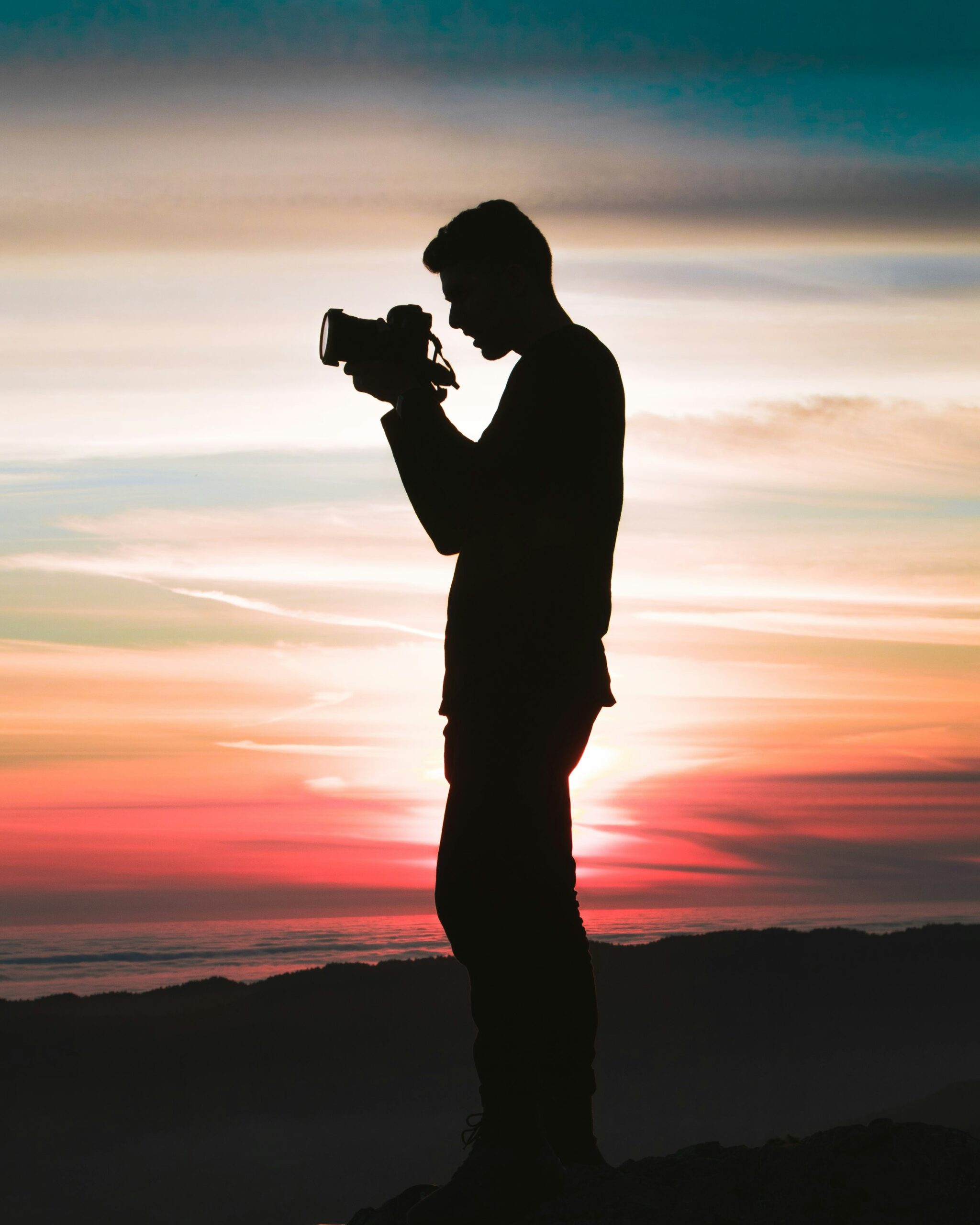

Why Using Just One Lens Can Improve Your Photography
It might feel counterintuitive at first. After all, having a lens for every scenario seems ideal, right? But here’s the catch: using a single lens forces you to focus on what truly matters—composition, light, and perspective.
The Psychology Behind Lens Limitation
When you strip away the “choice overload,” your brain starts to work differently. You begin thinking creatively within constraints, pushing you to see opportunities instead of options. It’s like playing chess with only a few pieces—you start mastering them instead of scattering your attention.
Benefits of Sticking to a Single Lens
Sharpening Your Creativity
Limiting yourself isn’t a limitation—it’s a challenge. You’ll start experimenting with angles, distances, and perspectives you might have ignored before. Suddenly, mundane scenes feel new and exciting.
Learning to See Differently
Ever noticed how professional photographers can capture stunning shots without changing lenses? That’s because they’ve trained their eye. Using one lens teaches you to anticipate and frame shots thoughtfully, rather than relying on gear to “solve” your problems.
Simplifying Your Gear
Less gear equals less stress. Forget about fumbling with lens caps, filters, or changing lenses mid-shoot. A lighter bag lets you move faster, explore freely, and focus on the story you want to tell.
Choosing the Right Lens for Your Style
Prime Lens vs Zoom Lens
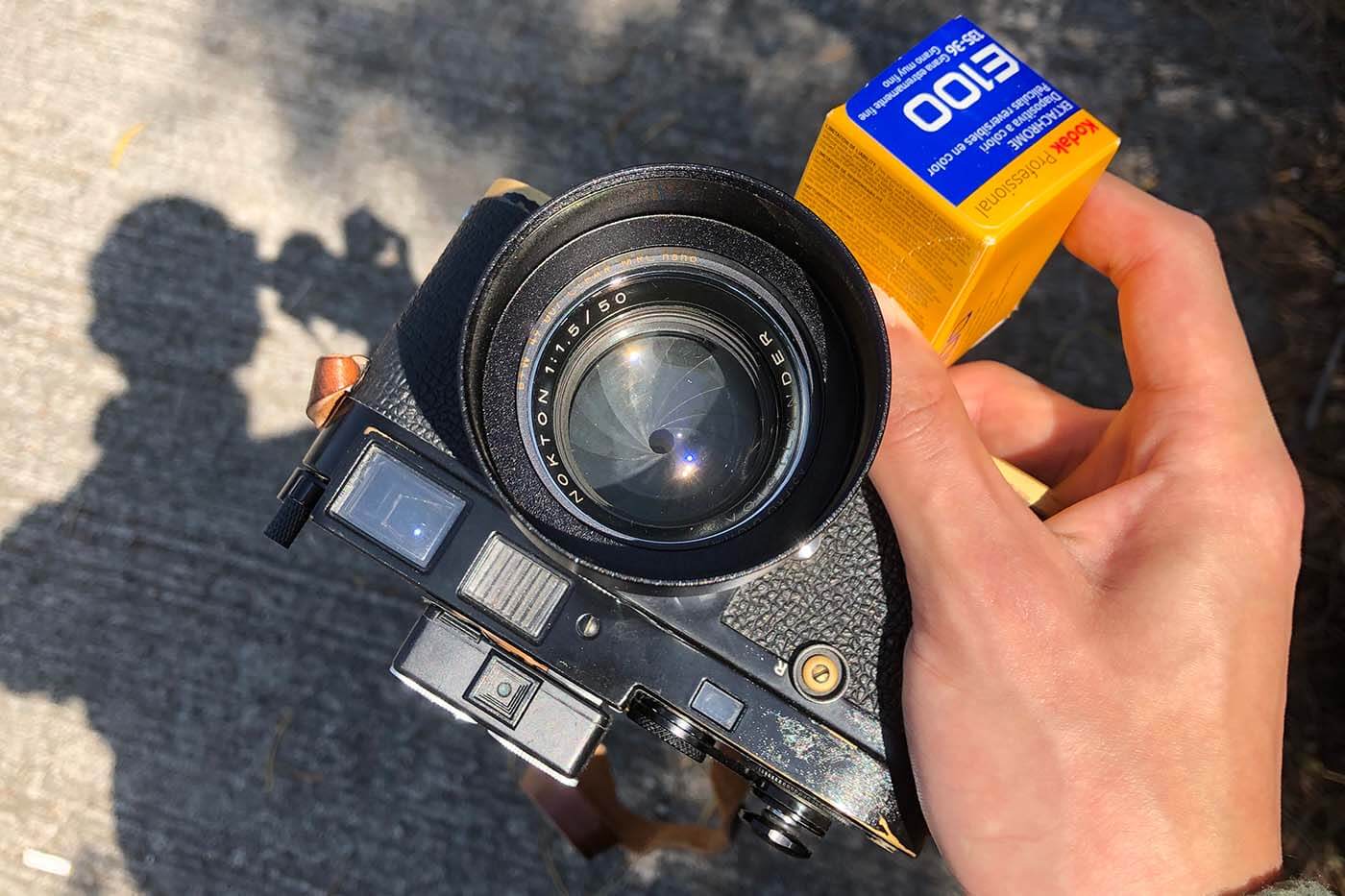
Deciding which lens to stick with is crucial. Prime lenses (like a 50mm f/1.8) encourage movement—they make you physically engage with your subject. Zoom lenses (like 24-70mm) offer flexibility but can sometimes make you lazy, zooming in rather than walking around.
Focal Length Considerations
Think about your preferred style: street photography? Landscape? Portraits? A 35mm or 50mm lens is often a safe, versatile choice. For telephoto lovers, something around 85mm or 70-200mm might be ideal.
Popular One-Lens Setups
- 35mm f/1.8 for everyday shooting
- 50mm f/1.8 for portraits
- 24-70mm f/2.8 for versatility
Pick one, stick with it, and see how it changes your workflow.
Common Mistakes to Avoid
Over-Reliance on Gear
A single lens won’t magically make you a better photographer. Don’t fall into the trap of thinking your lens does all the work—your eye, timing, and creativity matter more.
Ignoring Composition
Just because you have one lens doesn’t mean you can forget the basics. Rule of thirds, leading lines, and framing still rule. In fact, using one lens makes composition even more critical.
Practical Tips for One-Lens Photography
Embrace Movement
Walk around your subject, get low, climb high—your lens is fixed, but your perspective isn’t. Moving physically can create shots no zoom or fancy lens could replicate.
Focus on Storytelling
Your lens becomes a tool to tell a story. Focus on moments, emotions, and context rather than chasing technical perfection.
Experiment with Angles and Perspectives
A single lens encourages experimentation. Try reflections, silhouettes, and framing within frames. These small adjustments add layers of creativity that gear alone can’t deliver.
Real-Life Examples of One-Lens Success
Famous Photographers Who Swear by One Lens
- Henri Cartier-Bresson used primarily a 50mm lens, creating iconic street photography.
- Garry Winogrand often stuck to a 35mm lens, capturing dynamic, real-life moments with ease.
Personal Projects to Try
- 30-Day One-Lens Challenge: Shoot every day using just one lens. Notice how your approach changes.
- The Walking Project: Capture your city, neighborhood, or favorite park, using only a fixed lens. You’ll start seeing beauty in ordinary places.
Wrapping It Up
Photography Tip 52 isn’t about restriction—it’s about freedom through simplicity. By limiting yourself to one lens, you train your eye, boost creativity, and focus on what truly matters: capturing the world in a meaningful way. Next time you pick up your camera, leave the bag behind and grab just one lens. You might be surprised at what you see.
FAQs
Q1: Will limiting myself to one lens hurt my versatility?
Not at all! It actually forces you to be more adaptable and creative with your shots.
Q2: Which lens should beginners start with for one-lens photography?
A 35mm or 50mm prime lens is ideal—they are versatile, lightweight, and encourage creativity.
Q3: Can I do landscape photography with just one lens?
Absolutely! Many photographers use a wide-angle lens like 24mm for landscapes. The key is composition, not gear.
Q4: How long should I try shooting with one lens?
Try at least a month or a dedicated project. You’ll notice a significant change in your perspective and creativity.
Q5: Does one-lens photography suit all types of photography?
It works best for street, portrait, and everyday photography, but can also challenge you in landscapes or action shots—forcing you to think outside the box.
Explore more hands-on photography tips at cameratale.com to elevate your skills and capture stunning shots.
Discover practical photography advice, lens guides, and creative challenges at cameratale.com.