

Why creativity matters in portrait photography
Portrait photography is more than a passport photo or a smile at the camera — it’s a chance to tell a tiny story about a person. Why does creativity matter? Because creativity turns “nice” into memorable. It’s the difference between an image that looks pretty in a feed and one that makes someone pause, lean in, and feel something. Think of creativity as the spice in a recipe: small but transformative.
Preparing for a creative portrait shoot
Choosing a concept and mood
Start with an idea. Don’t be intimidated — concepts can be as simple as “warm nostalgia” or as specific as “urban ballet at dawn.” Ask yourself: what emotion do I want to evoke? What story should the image hint at? A clear concept keeps decisions about lighting, styling, and location aligned.
Building a moodboard and shot list
Moodboards are your creative map. Pull images, color swatches, and texture references. Build a shot list with must-have frames (wide, medium, tight) so both you and your subject know the flow. This saves time and keeps the shoot purposeful.
Choosing collaborators: models, stylists, and MUA
Great portraits are often a team sport. If your budget is limited, trade services with a stylist or an MUA (makeup artist). Communication matters — share your moodboard ahead of time and clarify the concept so everyone shows up on the same page.
Lighting techniques for creative portraits
Natural light hacks
Natural light is endlessly forgiving and free. Use golden hour for soft warmth, open shade for even skin, or window light for cinematic drama. Want something edgier? Backlight your subject and use a reflector for rim light — it creates separation from the background and a lovely glow.
Off-camera flash, modifiers and rim light
Off-camera flash lets you sculpt light. Softboxes, grids, and umbrellas change the quality and spread. Try rim lighting (light behind the subject at a low angle) to carve out hair and shoulders — it’s like outlining your subject with light.
Colored gels & practical lights for mood
Gels are a fast way to change the emotional tone. A cool blue gel says calm or mystery; an amber gel can feel nostalgic. Practicals — lamps, neon signs, fairy lights — add depth and believable highlights. Mix them with key light for creative separation.
Composition and framing: breaking the rules
Unconventional angles & cropping
What if you shoot from below for power, or from above for vulnerability? Breaking traditional eye-level framing can make familiar faces feel fresh. Tight crops, partial faces, and unusual negative space can create intrigue.
Negative space, symmetry, and leading lines
Negative space lets a subject breathe; symmetry can be striking; leading lines guide the viewer’s eye. Combine them: place a subject off-center (negative space) with a leading line that points toward their gaze. It’s subtle storytelling.
Posing and directing for authenticity
Encouraging movement and candid moments
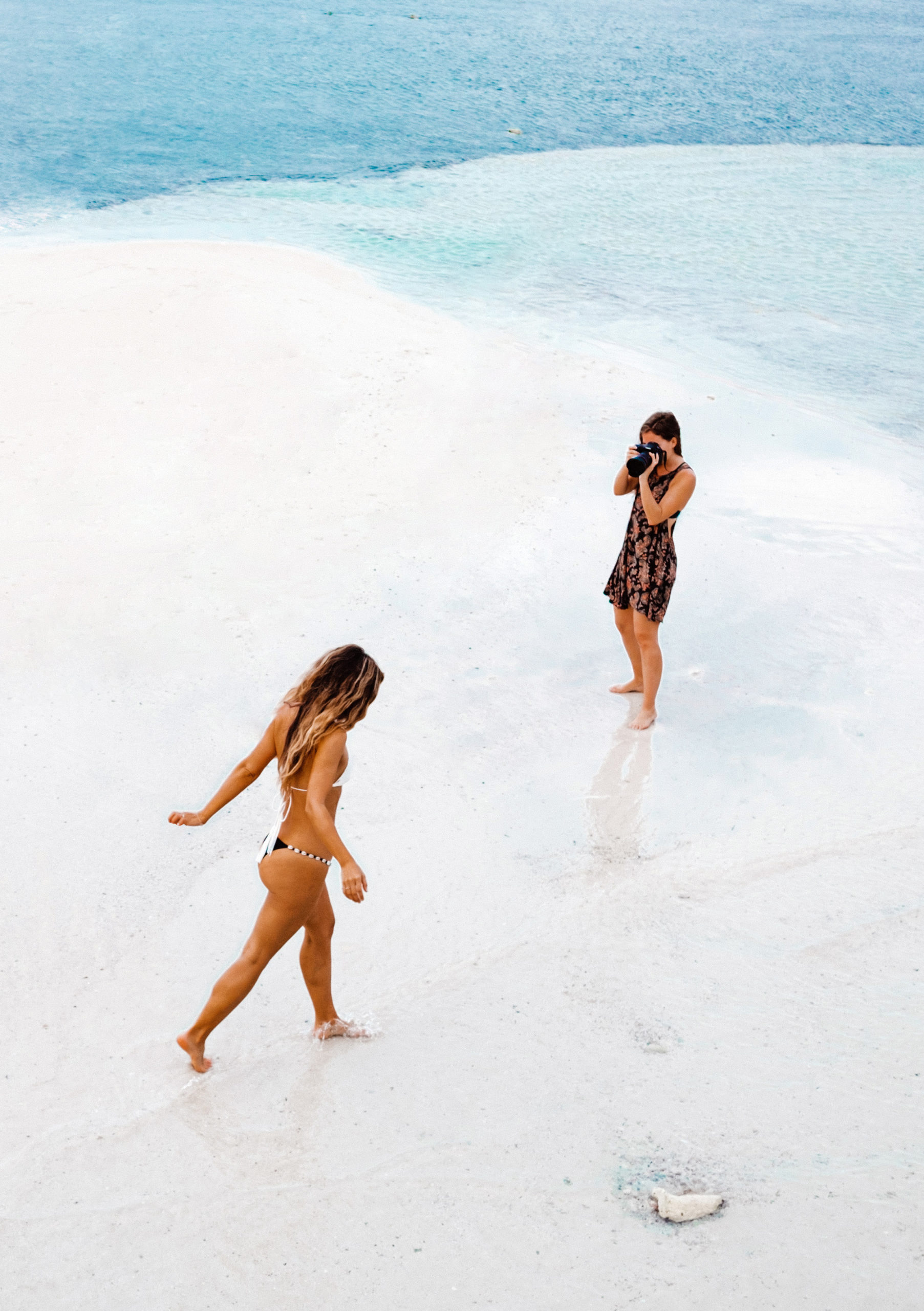
Stiff poses equal stiff photos. Ask for small actions: “walk toward me,” “turn your head like you just heard a joke,” or “take a deep breath.” Movement relaxes the face and produces natural expressions — candid beats forced almost every time.
Using props intentionally
Props are storytelling tools. A vintage chair, a bouquet, a scarf, or an umbrella can give hands something to do and anchor the shoot’s mood. Just keep props purposeful — too many things can confuse the message.
Lenses, camera settings & creative in-camera techniques
Choosing the right lens
Want dreamy backgrounds? Use a fast 85mm or 105mm prime at wide apertures. For environmental portraits that include surroundings, try a 35mm or 50mm. Telephoto compresses space and flatters features; wide-angle exaggerates perspective — use it deliberately.
Aperture, shutter, and ISO choices for mood
A wide aperture (f/1.4–f/2.8) isolates subjects and creates creamy bokeh. For motion blur or creative drag, slow your shutter and have the subject move slightly. Keep ISO as low as possible to maintain clean skin tones, but don’t fear ISO if you need it — grain can be a stylistic choice.
In-camera effects: double exposures, intentional blur, prism tricks
Experiment in-camera: multiple exposures create surreal overlays; lens whacking (detaching the lens slightly) and prism reflections introduce unpredictable streaks of color and flare. These techniques can be a playground for happy accidents.
Location, set design & background play
Studio vs. location: pros and cons
Studios are controlled — great for lighting experiments. Locations add context and texture. Want cinematic grit? Hunt down textured walls, staircases, or derelict warehouses. Craving softness? Meadows and coastal dunes deliver natural backdrops that breathe with wind.
Using architecture, nature & found textures
Look for interesting frames — doorways, archways, or window grids. Nature provides layers: foliage in the foreground, subject in midground, bokeh background. Even simple textures like corrugated metal or peeling paint can add character.
Styling, wardrobe, and color palette choices
Coordinating colors, textures & story-driven outfits
Limit a palette to two or three dominant colors for cohesion. Textures add tactile interest: leather, lace, knit, metallics. Think of wardrobe as a character in the scene — is your subject a timeless storyteller or an urban rebel? Dress them like it.
Post-processing: editing that enhances, not hides
Color grading for emotion
Color shapes mood. Warm tones can feel intimate; cool tones feel modern or distant. Test split-toning for highlights/shadows to produce a cinematic vibe.
Retouching philosophy & creative composites
Retouch to respect, not to erase. Keep skin real, preserve texture, and fix distractions. For artistic projects, composites can place subjects in imagined worlds — but keep lighting consistent so the final image feels believable.
Telling stories and connecting emotionally
What do you want someone to feel when they look at your portrait? Aim to reveal something about the subject — a glance, a detail of hands, an environment that hints at a life. Ask questions during the shoot to prompt memory or feeling: “Tell me about a proud moment” — the result is often a real expression that looks effortless on camera.
Working with clients & models: collaboration tips
Be transparent about what you’ll deliver. Share the moodboard pre-shoot and create a comfortable environment during the shoot (music, breaks, refreshments). Give clear, kind direction and praise to build trust — relaxed people photograph better.
Troubleshooting common creative shoot problems
- Flat lighting? Add a kicker or rim light, or reposition near a window.
- Model nervous? Start with easier, simple poses and warm conversation.
- Background clutter? Shift angle or open aperture to blur it out.
- Color casts? Use gray cards or adjust white balance and tint in RAW.
Putting it all together: a sample creative portrait shoot plan
Concept: Moody street-style portrait at golden hour with neon accent.
Moodboard: Warm sunsets + blue neon + textured walls.
Gear: 85mm f/1.8, 35mm for wider contextual shots, reflector, small speedlight with blue gel.
Shot list: (1) Wide environmental portrait, (2) Medium with neon rim light, (3) Tight headshot with dramatic backlight, (4) Movement shot: walking, hair toss.
Settings starting point: Golden hour: 85mm, f/1.8, 1/400–1/800s (for motion), ISO 100–400; add speedlight gel for neon accent.
Quick checklist and final tips
- Prep a moodboard and shot list.
- Bring backup batteries, cards, and a reflector.
- Communicate clearly with your subject.
- Test light and white balance before shooting.
- Be flexible — the best moments can be unplanned.
Conclusion
Creative portrait photography is a playground where technical skills meet imagination. By combining thoughtful planning, playful experimentation, and human connection, you’ll make portraits that stick. Don’t chase perfection — chase curiosity. Try one new technique each shoot, learn from it, and turn the unexpected into your signature.
FAQs
Q1: What’s the best lens for portrait photography?
A1: There’s no single “best” lens, but 85mm and 50mm primes are classic for flattering portraits. Use wider lenses (35mm) for environmental portraits and longer telephotos (135mm) for tight, compressed looks.
Q2: How do I make a subject feel comfortable during a shoot?
A2: Build rapport: chat, explain poses before you ask for them, play music they like, and give positive feedback. Start with easy poses and keep communication light.
Q3: Should I always shoot wide open (lowest f-number)?
A3: Not always. Wide apertures create dreamy backgrounds but can be too shallow for groups or for subjects where both eyes need to be sharp. Choose aperture based on the effect you want.
Q4: How can I add color creatively without heavy editing?
A4: Use colored gels on lights, practical neon signs, or reflect colored materials into the scene (fabric, foil). Shooting with those colors in-camera produces organic results.
Q5: What’s one quick trick to improve portraits today?
A5: Move closer and talk to your subject. A genuine laugh or pause captured at the right moment often outperforms the perfect pose.
cameratale.com — Portrait photography tips, gear guides, and creative shoot ideas for photographers of every level.
cameratale.com — Discover step-by-step lighting setups, styling advice, and editing workflows to make your portraits pop.