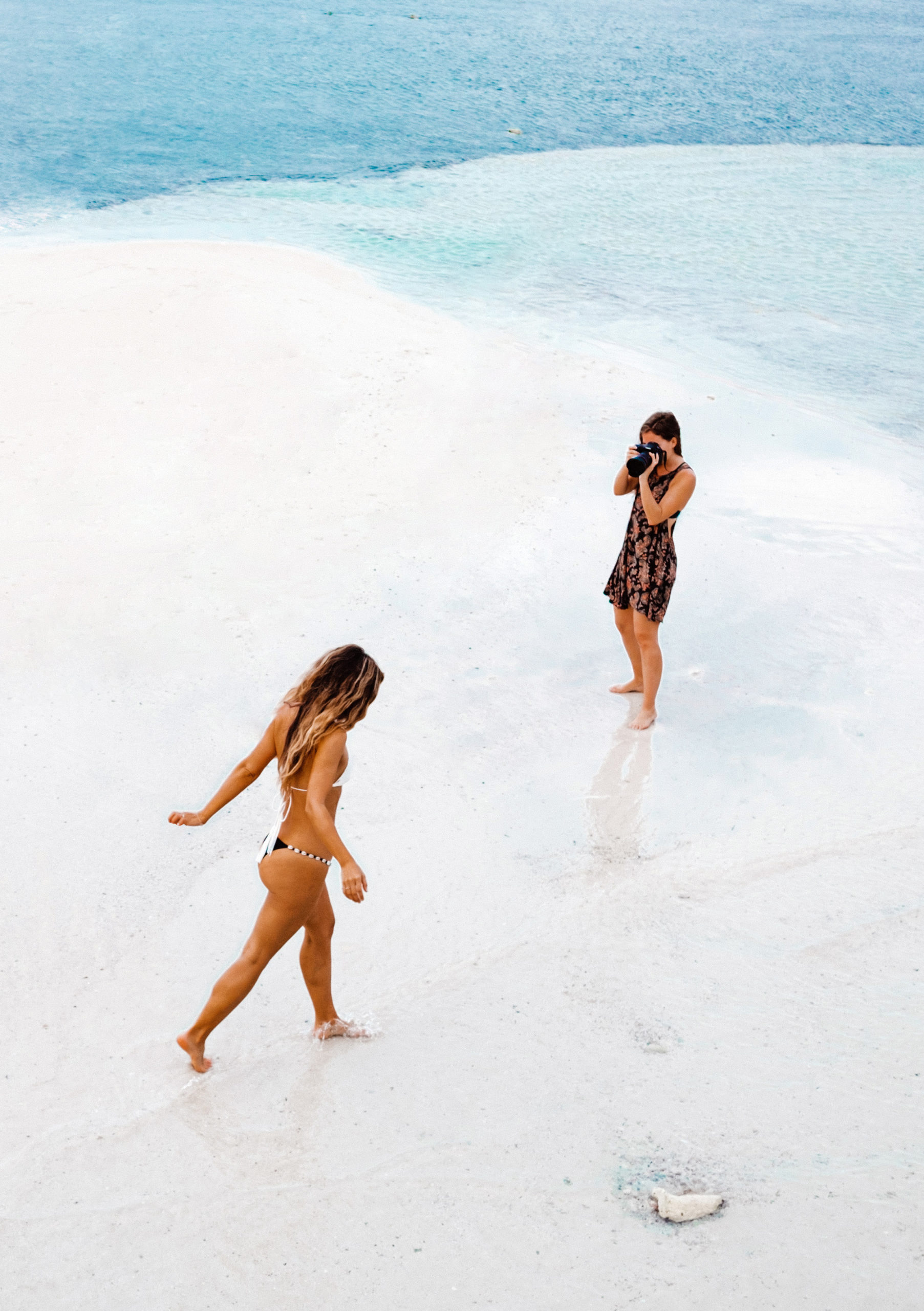
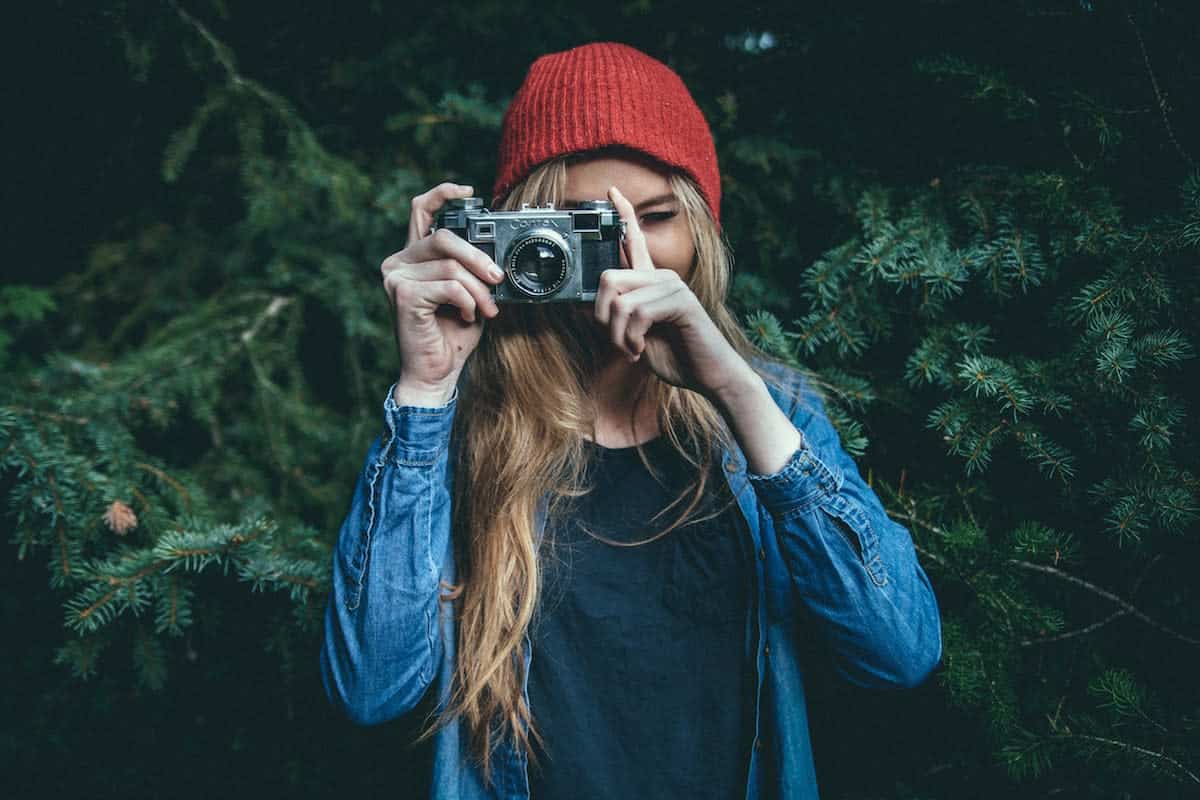

Personal Photography isn’t just snapping pretty pictures — it’s a way to see the world, tell stories, and capture the small details that make life interesting. Whether you’re starting with a phone or a mirrorless camera, this guide will give you practical, friendly steps to level up fast.
Introduction — Why Personal Photography?
Personal Photography isn’t just snapping pretty pictures — it’s a way to see the world, tell stories, and capture the small details that make life interesting. Whether you’re starting with a phone or a mirrorless camera, this guide will give you practical, friendly steps to level up fast. Think of photography as learning a language: the better you get at grammar (exposure, composition) and vocabulary (lighting, lenses), the more expressive your sentences — i.e., photos — become.
What Personal Photography Really Means
Self-expression vs. Documentation
Personal Photography sits between art and diary. Sometimes you want to document — a birthday, a street scene — and sometimes you want to express mood or emotion. Good photos do both: they record reality while also showing your point of view.
Who this guide is for (Beginners & Enthusiasts)
If you’re curious, willing to practice, and want to make photos that feel intentional, this is for you. No technical background required — just attention and a bit of patience.
Choosing the Right Gear
Smartphone, Mirrorless, or DSLR?
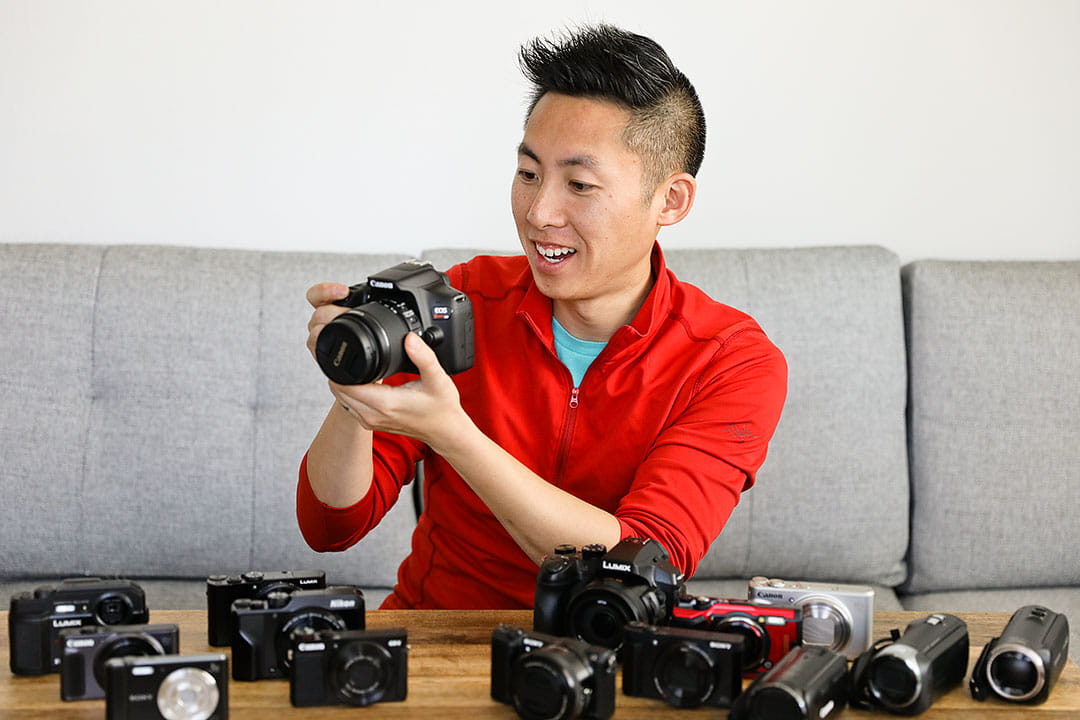
Start where you are. Modern smartphones are amazing and can teach you composition and light. If you want to invest, mirrorless cameras offer compactness and great image quality. DSLRs are solid but bulkier. Gear isn’t magic — technique is. Use your current tool to learn fundamentals before upgrading.
Lenses, Tripods, and Accessories
Different lenses change how you see: wide for landscapes, 35–50mm for everyday portraits, 85mm+ for compressed portraits. A lightweight tripod stabilizes long exposures or low-light shots. Other must-haves: extra batteries, fast memory cards, a cleaning kit.
Must-have list (quick)
- Camera or smartphone with manual controls
- 50mm or kit zoom lens (if you have interchangeable lens camera)
- Small tripod or tabletop tripod
- Microfiber cloth and extra SD card
Mastering Exposure: Aperture, Shutter Speed, ISO
Aperture — Depth and Bokeh
Aperture (f-stop) controls how much of the scene is in focus. A wide aperture (small f-number like f/1.8) gives a shallow depth of field — great for portraits and dreamy backgrounds. A narrow aperture (f/8–f/16) keeps more of the frame sharp — useful for landscapes.
Shutter Speed — Freeze or Blur
Shutter speed decides motion. Fast shutter speeds (1/500s) freeze action; slow speeds (1/30s or slower) create motion blur — great for waterfalls or light trails. If using slow speeds, use a tripod to avoid camera shake.
ISO — Brightness vs Noise
ISO brightens the image but raises noise (grain). Modern cameras handle higher ISO well, but keep it as low as practical. Aim for the lowest ISO that allows your desired aperture and shutter speed for a clean image.
Composition Techniques That Work Every Time
Rule of Thirds & Golden Ratio
Divide your frame into thirds and place key elements along those lines or intersections. It’s a simple trick to make photos feel balanced and dynamic. For more advanced composition, study the golden ratio — it’s the same layout artists have used for centuries.
Leading Lines, Framing, Patterns
Use roads, fences, or architectural lines to lead the viewer’s eye to the subject. Natural frames (doorways, trees) add depth and focus. Patterns and repetition create rhythm — break the pattern with your subject to add interest.
Using Perspective & Negative Space
Change your viewpoint: get low, climb higher, move closer. Negative space (empty areas) helps your subject breathe and can emphasize mood or scale.
Light: Learn to See and Shape It
Natural Light — Golden Hour & Blue Hour
Golden hour (shortly after sunrise or before sunset) gives warm, soft light that flatters almost everything. Blue hour (the period after sunset) brings cool, moody tones ideal for cityscapes. Learn to schedule shoots around these times for dramatic results.
Artificial Light — Flash, Reflectors, and Lamps
Don’t fear flash — learn to diffuse and bounce it to avoid harsh shadows. Reflectors are cheap but powerful tools: they fill shadows and sculpt faces. Lamps and continuous lights are great for learning how light affects mood because you see immediate results.
Focus, Depth of Field & Sharpness Tips
Focus on the eyes in portraits. Use single-point AF for precise control. If you need more depth, stop down a bit (higher f-number). For tack-sharp images, use a steady stance, a fast enough shutter speed, and focus carefully. When in doubt, take multiple frames.
Shooting Modes, File Types & Workflow
Manual vs Priority Modes
Manual mode gives control but can be slower to learn. Aperture Priority (A or Av) is a great middle ground — you choose depth of field, camera picks shutter speed. Shutter Priority (S or Tv) is handy for motion control. Use Auto only when you must; conscious choices teach you faster.
RAW vs JPEG — Why RAW helps
RAW files preserve more information and allow flexible editing (exposure recovery, color tweaks) without image degradation. Shoot RAW if you plan to edit; shoot JPEG when you need small files or quick sharing.
Basic Editing: Non-destructive Workflow
Crop, Straighten, Color Correction
Start by straightening the horizon and cropping to improve composition. Then adjust exposure, contrast, highlights and shadows. Use white balance to correct color casts — it’s the difference between “meh” and “wow.”
Quick fixes for skin tones and skies
For portraits, gently reduce highlights and bring up shadows. For landscapes, increase clarity and vibrance selectively — avoid overdoing it. Always zoom to 100% to check sharpness and noise.
Storytelling & Projects — Make Photos Mean Something
Photos with meaning stick. Start a 30-day project: one self-portrait, one street scene, one still life — repeat. The constraint forces creativity and builds a cohesive body of work. Try themes: “Daily Light,” “Doors of My City,” or “Shadows and Shapes.” After a few projects, you’ll notice improvement faster than random practice.
Practice Routines, Challenges & Keeping Motivation
Set small, daily goals: 10 photos a day, or one themed shot each weekend. Join online challenges or local photo walks. Critique your work honestly: what did you like, what would you change? Progress comes from consistent, deliberate practice, not one-off “hero” shoots.
Sharing Your Work: Socials, Portfolios & Feedback
How to post for engagement (captions, hashtags)
Tell a short story in the caption — context makes images memorable. Use 8–15 relevant hashtags (or platform-appropriate tags) and tag locations or collaborators. Be genuine: people connect with personality more than perfection.
Getting constructive critique
Share with fellow photographers or online communities focused on growth. Ask for one thing to improve per critique. Filter feedback — not all opinions help — but seek repeatable patterns in suggestions.
Common Mistakes to Avoid
- Shooting with bad light because you “want the shot” — wait, come back later.
- Over-editing — subtle adjustments age better.
- Relying solely on gear — technique beats toys.
- Ignoring composition — a technically perfect but poorly composed image still feels flat.
Next Steps: Learning Resources & Projects
Read camera manuals (seriously — they’re not boring). Follow photographers you admire and dissect their photos. Take short courses, join workshops, or find a local mentor. Start a long-term project — a cohesive series teaches storytelling, consistency, and discipline.
Conclusion
Personal Photography is a rewarding mix of craft and curiosity. Start with your eye, practice deliberately, learn one technical thing at a time, and chase light. The beauty of personal photography is that there’s no single “correct” style — your voice matters. Keep shooting, stay playful, and let your photos show the world the way you see it.
FAQs
Q1: How much gear do I really need to start with personal photography?
Start minimal: a camera or a smartphone with manual controls, one good lens (or the phone’s main lens), and a tripod. Focus on learning light and composition before expanding gear.
Q2: Should I shoot in RAW or JPEG as a beginner?
If you aim to edit and learn, shoot RAW. It gives flexibility to recover exposure and tweak colors. If you want quick sharing and small files, JPEG is fine.
Q3: How can I improve my composition quickly?
Practice framing with the rule of thirds, use leading lines, and try different perspectives. Shoot the same subject from multiple angles and compare.
Q4: What’s the single best tip to take better portraits?
Focus on the eyes and use soft, directional light (golden hour or a window). Keep the background simple to emphasize the subject.
Q5: How often should I practice to see real improvement?
Short, focused practice daily (15–30 minutes) or longer weekly sessions (2–4 hours) with deliberate goals will accelerate your growth faster than irregular mega-sessions.