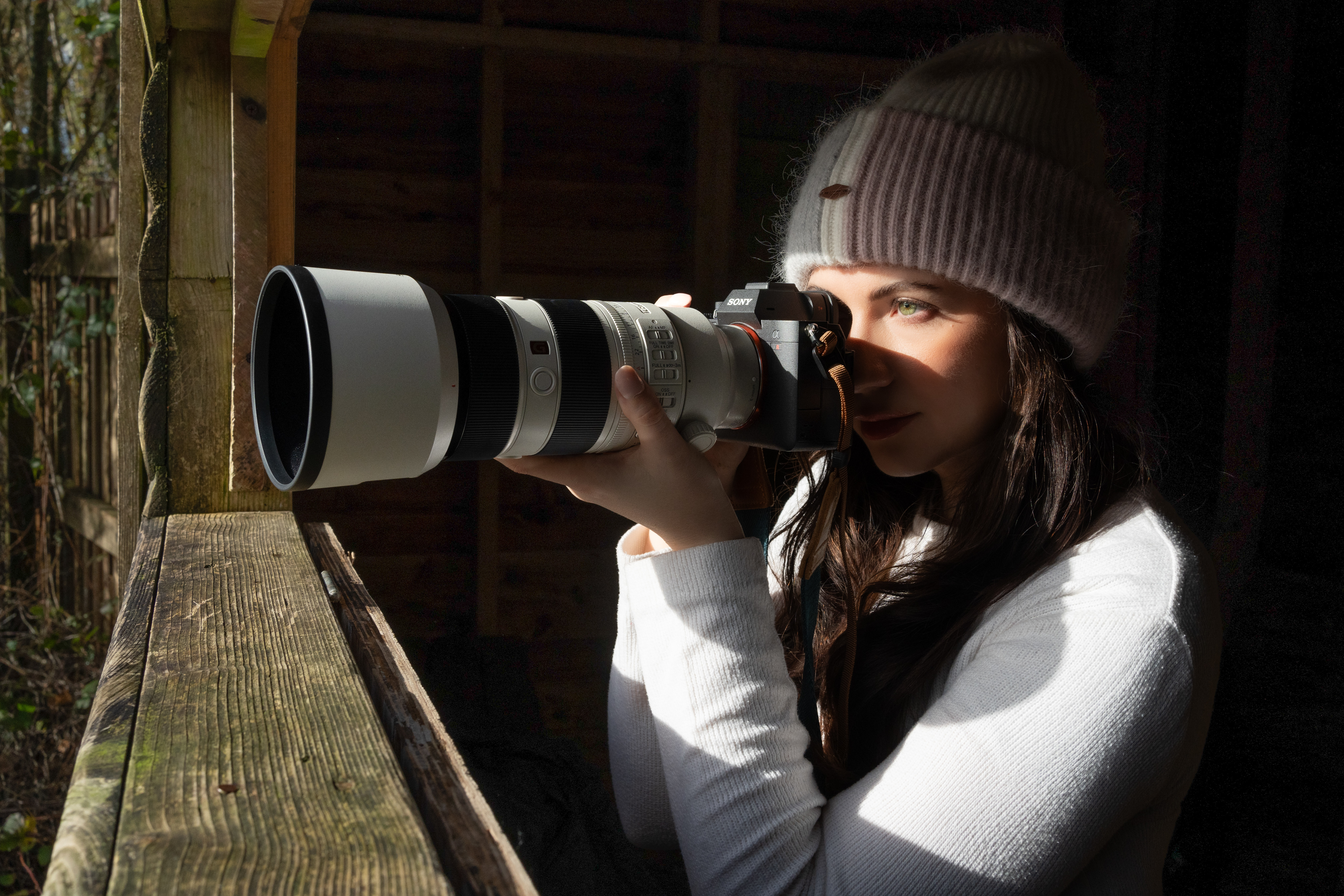

Introduction: Why Event Photography Matters
Event photography is more than pointing a camera and hoping for the best — it’s curating moments that tell a story. Whether you’re shooting weddings, corporate conferences, concerts, or parties, your images become the memory people revisit. Think of yourself as both reporter and storyteller: you document what happened and shape how people remember it. Ready to make your event photography pop? Let’s dive in.
Preparing Before the Event
A flawless shoot starts long before the doors open. Preparation reduces stress and ensures you don’t miss the magic.
Understanding the Client & Event Goals
Ask clear questions: What mood do they want — candid and documentary or polished and posed? Which moments are non-negotiable? How will images be used (social media, print, large banners)? Matching your style to client expectations prevents disappointment and builds trust.
Creating a Shot List & Timeline
A shot list is your safety net. Include must-haves (key speakers, cake cutting, award winners), B-roll (crowd reactions, details), and contingency shots. Pair the list with a timeline: when will lighting be challenging? When are speeches scheduled? Slot yourself into this timeline so you’re where you need to be when the moment happens.
Gear Essentials for Event Photography
You don’t need every gadget on the planet, but you do need reliable tools and backups.
Recommended Camera Bodies
Full-frame bodies are forgiving in low light; crop sensors can be lighter and cheaper. If you own one reliable body, consider renting a second similar model so menu layout and metering feel familiar. Dual-card slots are a lifesaver — set one for RAW and one for JPEG or as an instant backup.
Lenses That Actually Help
Cover the basics: a fast standard zoom (24–70mm f/2.8), a wide option for tight rooms (16–35mm), and a telephoto zoom (70–200mm f/2.8) for candid portraits from a distance. A fast prime (50mm or 85mm) is great for low light and creamy bokeh. If you must trim gear, prioritize 24–70 and 70–200 — they cover 90% of events.
Lighting Tools: Flashes & Modifiers
Speedlights and small strobes are portable and essential for fill. Learn to bounce and use small softboxes or diffusers to tame harsh light. For evening events, consider a couple of off-camera flashes with wireless triggers and light stands — even one off-camera strobe can transform your night shots.
Camera Settings & Technical Know-How
Master the triangle: aperture, shutter speed, and ISO.
- Aperture: Use wider apertures (f/2.8–f/4) for subject separation; stop down (f/5.6–f/8) for group shots to keep everyone sharp.
- Shutter Speed: Keep it fast enough to freeze motion (usually ≥ 1/125s for portraits, faster for dancing). For slow, intentional motion blur try 1/30–1/60s with stabilization.
- ISO: Let ISO be your friend but not your enemy — modern cameras tolerate high ISO well, but test your limits beforehand to find the max usable ISO for acceptable noise.
Low-Light Strategies
Low light is where event photographers either shine or struggle. Use a fast lens, raise ISO modestly, and choose wider apertures. Stabilize using monopods when necessary, and prefer single-shot over continuous focus when the scene is static. When flash is available, mix ambient and flash for atmosphere: underexpose ambient slightly and let flash add subject light.
Composition & Storytelling
Great event photography tells a sequence: arrival, anticipation, key moments, and aftermath.
- Lead with emotion: capture reactions, not just actions.
- Vary focal lengths: wide shots establish context; medium shots tell the story; close-ups capture emotion and detail.
- Think in layers: foreground interest, middle ground subject, background context — this creates depth.
Candid vs Posed: Capturing Real Emotion
Candid shots often feel the most honest because people relax when they forget the camera. Blend in, be patient, and anticipate — watch eyes and body language. For posed portraits, give quick, simple prompts: “Look at each other” or “Take a step closer,” then wait for the natural moment between poses — that’s usually the gold.
Group Shots & Posing Shortcuts
Get everyone’s attention with a clear, friendly command: “Okay, on three — big smiles.” Use tiers (standing, seated, front row) to avoid double chins and make faces visible. Ask taller people to stand at the back and tuck elbows in for a tighter composition. Keep it fast — the longer you take, the more people drift.
Working with People — Communication & Etiquette
Be visible but unobtrusive. Introduce yourself, confirm the schedule, and clarify photo-usage rights. For private events, always ask permission before photographing teens or vulnerable guests. When dealing with performers or speakers, coordinate with stage managers; sometimes you’ll have only a few minutes in the pit — plan your shots and move quickly.
Shooting Workflow & Backup Plans
Chaos happens. A solid workflow saves the day.
- Bring spare batteries, empty memory cards, and at least one backup camera.
- Format cards in-camera (but keep backups of originals until safely copied).
- Implement a card-swapping routine: when you end a card, place it in an ordered wallet labeled with time or set.
- After the event, copy images to at least two separate drives before deleting anything. Redundancy protects your reputation.
Post-Processing & Delivery
Editing is where you polish the story. Triage quickly: select the best images, correct exposure and white balance, then move to creative edits. Use consistent color grading to present a cohesive gallery. Offer clients web-sized JPGs for instant sharing and high-res TIFFs or JPGs for prints. Deliverables can include an online gallery, USB drive, or prints — clarify expectations in your contract.
Business Tips: Pricing, Contracts & Marketing
Treat event photography like a service business.
- Price transparently: list packages with hours, image counts, and print allowances.
- Use contracts: define deliverables, payment schedule, cancellation policy, and image usage rights.
- Build a portfolio: show varied events and before/after examples to demonstrate editing strength.
- Ask for testimonials: encourage social sharing; word-of-mouth from a glowing client is golden.
Advanced Techniques & Creative Tricks
Want to stand out? Try these:
- Use slow shutter + flash for motion tails (rear-curtain sync) during dance shots.
- Capture reflections (glass, silverware, stage puddles) for artistic images.
- Shoot through objects—doors, flowers, or glass—to add layers and mood.
- Take detail shots of signage, programs, rings, or décor to enrich the album.
Final Checklist Before You Shoot
- Client brief confirmed ✅
- Shot list & timeline printed ✅
- Batteries charged, spare batteries packed ✅
- Cards formatted, spares ready ✅
- Second camera + lenses available ✅
- Lighting gear tested & charged ✅
- Backup plan for rain/low light established ✅
Conclusion
Event photography is part craft, part people skills, and part logistics. When you prepare thoroughly, show up with calm confidence, and tell a cohesive visual story, you deliver more than photos — you create memories. Practice these tips at every shoot; over time they’ll become second nature and your images will consistently get better.
FAQs
Q1: What’s the single most important tip for event photography?
A1: Preparation. Know the schedule, create a shot list, and pack backups. You can’t control everything, but you can control readiness.
Q2: How do I avoid distracting people with flash?
A2: Use bounce flash, small diffusers, or off-camera flash when possible. For intimate moments, rely on ambient light and higher ISO rather than blasting direct flash.
Q3: What’s the best lens for event photography?
A3: A reliable standard zoom (24–70mm f/2.8) covers most scenarios. Pair it with a 70–200mm for distance shots and a fast prime for low-light portraits.
Q4: How many images should I deliver after an event?
A4: Quality over quantity. A typical 4–6 hour event might yield 400–800 edited images; however, clarify expectations in your contract so clients know what to expect.
Q5: How can I speed up post-processing without losing quality?
A5: Create a proven workflow with presets for color and exposure, use keyboard shortcuts, and batch process basics (crop, straightening, exposure). Cull ruthlessly — fewer great images beat many mediocre ones.