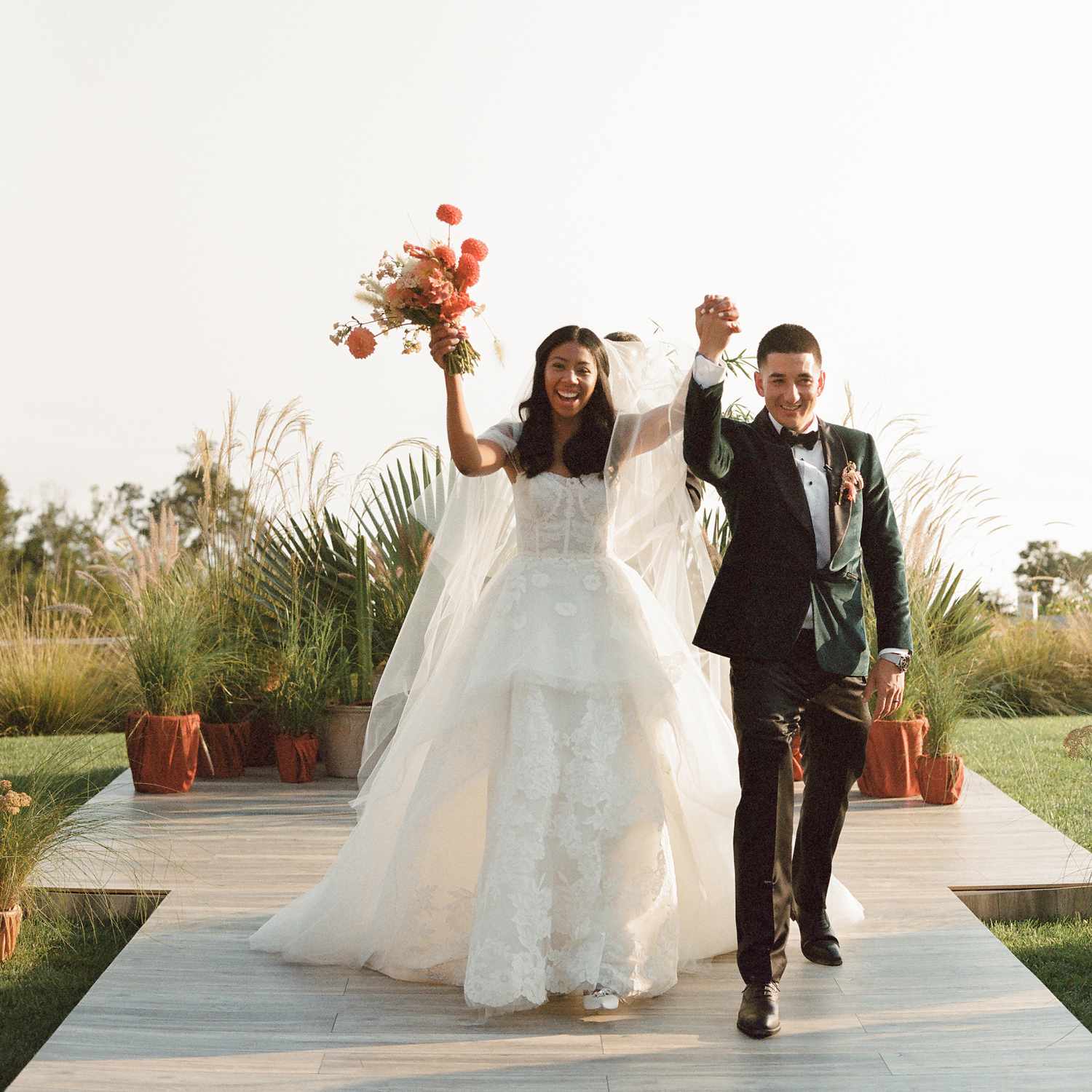

Introduction — Why this choice matters
Choosing an event photographer is like picking a narrator for your story. Whether it’s a wedding, product launch, birthday bash, or a corporate gala, Event Photography captures the emotion, the atmosphere, and the tiny unscripted moments you’ll replay for years. Ask yourself: do you want images that feel candid and cinematic, or polished and posed? That answer shapes everything — budget, timeline, and the person you hire. This guide walks you, step-by-step, through the choices, trade-offs, and smart questions so you end up with photos you actually love.
Understand what “Event Photography” means for your occasion
Event Photography isn’t one-size-fits-all. A concert photographer needs to master low light and motion; a wedding photographer juggles portraits, candids, and family shots; a corporate event shooter must balance headshots with branding moments. Before you start hunting, list the top three goals for your event photos: Is it storytelling? Brand imagery? Social media content? Knowing this keeps you from comparing apples to telescopes.
Types of events at a glance
- Weddings & engagements: emotion, portraits, candid storytelling.
- Corporate & conferences: speaker shots, branding, group portraits.
- Parties & social: vibe, candids, table details.
- Performances & concerts: action, low light, crowd dynamics.
What success looks like for each type
For weddings success = timeless portraits + emotional sequences. For corporate: clear brand alignment, usable headshots, and event coverage that looks professional on the company website. Match your expectations to the photographer’s strengths.
Start with a clear vision: style, mood, and must-haves
Want moody, film-like photos or bright, airy images? A documentary look or fashion-forward editorial? If you can name the style — or show three Instagram examples — you’ve done more than half the job. Create a simple moodboard: a Pinterest board or a shared folder. Add “must-have” shots (first dance, keynote speaker, ribbon cutting) so your photographer knows what to prioritize.
Photography styles explained
- Documentary / photojournalistic: unobtrusive, candid storytelling.
- Editorial / fashion: stylized, composed, designed.
- Traditional / posed: family/formal shots with structure.
- Lifestyle: a mix — staged moments that look natural.
Using a moodboard and shot list
A moodboard aligns taste. A shot list aligns logistics. Together they cut confusion and deliver consistent results — especially useful when multiple shooters are involved.
Set your budget and know what it buys
Price matters, but what you get for that price matters more. A higher fee can mean more experience, better gear, an assistant, and quicker turnaround. Conversely, the cheapest option often cuts corners — fewer photos, less editing, or minimal insurance. Decide your top priority (quality, quantity, speed) and budget around that.
Typical package components
Packages commonly include: hours of coverage, number of edited images, an online gallery, a USB or download link, and sometimes prints or an album. Ask for a written breakdown so you know exactly what’s included.
Hidden costs to watch
Travel fees, overtime rates, permit costs, second shooters, and rush delivery fees — these add up fast. Make sure the contract spells these out.
Portfolio deep-dive: how to evaluate real work
Don’t fall for a highlight reel full of perfect images. Look for consistency: do most albums from a photographer show similar quality? Are the lighting choices varied and reliable? Test for storytelling — can you follow a whole event through their images? That’s the sign of a pro who understands pacing and emotion.
Consistency vs star images
A single breathtaking image can be edited into anything; a consistently strong body of work proves repeatable skill. Prefer portfolios that show full galleries or complete event albums.
Check lighting, framing, and emotion
Good event photographers handle tricky light, capture decisive moments, and compose shots that make you feel like you were there. If all their photos are safe or look staged, they might not be the right fit for candid-heavy events.
Check experience and references
Experience matters: photographers who’ve shot your event type will anticipate chaos, know prime photo moments, and keep the pace. Ask for client references and reach out — a short chat with a past client reveals reliability and what it’s like to work with the shooter.
What to ask references
Were the photos delivered on time? Did the photographer communicate well? How did they handle last-minute changes? Answers here are golden.
Interpreting feedback
One glowing reference and one mediocre? Look for patterns. Multiple comments about being late or rude are deal-breakers; mixed comments about style may only mean a taste mismatch.
Gear, backup plans, and technical readiness
Gear alone doesn’t make a great photographer, but it’s a signal. Full-frame cameras, a selection of lenses, off-camera flash, and reliable backups indicate professionalism. More importantly: ask about redundancy. What happens if a card fails or a camera stops working? A pro has backups and processes to prevent disaster.
What gear tells you (and what it doesn’t)
A camera model name means little without the skill to use it. Prioritize examples of their work in similar conditions (low light, stage lighting, wide spaces) rather than a gear list alone.
Backup plans & redundancy
Confirm they shoot to multiple cards, bring spare batteries, and have a second body or second shooter available. These practices reduce risk dramatically.
Licensing, insurance, and rights
Venues often require liability insurance — ask for proof. Also clarify copyright and usage rights: who owns the images, can they be used for marketing, and can you request prints or RAW files? This avoids awkward legal surprises later.
Key legal questions
Will you receive a license to use images for social media and print? Is there a clause for promotional use by the photographer? Get specifics in writing.
Venue requirements and permits
Some venues require certificates of insurance or restrict drone use. Make sure your photographer meets venue requirements ahead of time.
Contracts and deliverables: must-have clauses
A written contract protects both sides. It should include date, hours, fees, deposit amount, deliverables (number of edited images, formats), turnaround time, cancellation policy, and a contingency plan for illness or equipment failure. Don’t sign until everything is spelled out.
Clarify turnaround and file types
Know when you’ll get proofs and final images, and in what formats (JPEG, TIFF, RAW). If you need an album or prints, include specs and timelines.
Deposit and cancellation
Standard practice: a non-refundable deposit to secure the date. Understand refund rules if your event is postponed or canceled.
Communication and rapport: the human factor
Technical skill matters, but rapport matters more on emotional days like weddings. You’ll be spending hours with your photographer — do you feel comfortable? Do they listen? Strong communication leads to better photos, less stress, and smoother coordination.
Pre-event meetings & point-of-contact
Schedule a call or site visit. Provide a single point-of-contact on the day (planner or family member) to keep communication streamlined.
How comfort affects the photos
When people are relaxed around the photographer, you get candid smiles, natural interactions, and images that breathe. If your photographer is stiff or bossy, the atmosphere shows in the photos.
Timeline, logistics, and site prep
A run-through with the photographer before the event helps pin down shot timing, golden-hour portraits, lighting challenges, and logistics like vendor access and parking. This prevents surprises and maximizes coverage.
Venue walkthroughs and lighting checks
A quick visit to test lighting or confirm prime shooting spots can change a good album into a great one — especially for tricky indoor venues.
Weather and contingency plans
For outdoor events, confirm alternative locations, umbrellas, or tented spaces and how the photographer adapts.
Post-production: editing, turnaround, and album design
Editing style matters: do you prefer natural tones or cinematic color grading? Some photographers include basic edits; others charge for heavy retouching. Discuss expectations and timelines up front.
Retouching and color grading
Ask to see before/after examples. If you need heavy skin retouching or composite edits, expect additional fees.
Album design and prints
If an album is important, ask for sample layouts and materials. Albums take longer — factor that into your timeline.
How to compare quotes: apples-to-apples
When you get multiple quotes, compare specifics: hours, number of edited photos, second shooter, travel fees, and delivery method. Create a simple spreadsheet to compare line-by-line — price alone won’t tell you which is the best value.
When to pay more (and when to walk away)
Pay more for demonstrated experience in your event type, reliable references, and clear backups. Walk away from vague contracts, inconsistent portfolios, or pressure to sign immediately.
Sample comparison checklist
- Coverage hours
- Edited images
- Second shooter
- Travel
- Insurance
- Turnaround
- Deposit
- Total cost
Red flags and deal-breakers
Watch for: no contract, no clear deliverables, “final gallery in 6–12 months” promise, or very low prices with high pressure. Also be wary if you can’t reach past clients. Trustworthy pros are transparent and responsive.
Common warning signs
- No full galleries to review.
- Refusal to sign a contract.
- No insurance proof.
- Many last-minute cancellations in reviews.
Day-of checklist for clients and photographers
Prepare a one-page shot list, contact sheet for vendors, timelines with buffer times, and a list of “must-capture” people (with phone numbers). Have an emergency plan for delays and make sure the photographer knows parking, entry points, and where to set up.
Essential items to provide
- Shot list / priority shot list.
- Contact person & phone number.
- Vendor timeline and venue access info.
- List of important guests and their relationship to you.
Emergency plan
Include backup contacts, a plan for bad weather, and the photographer’s contingency for equipment failure.
Make the final decision: tests, instincts, and trust
If you’re torn between two photographers, ask for a mini engagement shoot or a sample edit from a full gallery. That trial reveals communication, style, and turnaround. Trust your gut — if you feel confident and excited, you’re probably making the right choice.
Last-minute tips before signing
Re-check the contract, confirm timing, and ensure deposit and payment schedules are clear. Have the photographer confirm arrival time and final shot list a week before the event.
Conclusion — Choose the storyteller, not just the shutter
Hiring the right event photographer is about matching vision, experience, and personality. Prioritize clear communication, a consistent portfolio, proper insurance, and a solid contract. Use moodboards and shot lists to reduce surprises, compare quotes line-by-line, and trust both data and your instincts. The right photographer doesn’t just take pictures — they translate moments into memories you’ll return to again and again.
Frequently Asked Questions (FAQs)
Q1: How far in advance should I book an event photographer?
A1: For popular dates (weekends, holiday seasons), book 6–12 months ahead. For smaller events, 4–6 months is usually fine. High-demand photographers can book even earlier.
Q2: Do I need to pay a deposit, and is it refundable?
A2: Yes — most pros require a non-refundable deposit (typically 20–50%) to secure your date. Refundability depends on the contract; read cancellation and postponement clauses carefully.
Q3: Can I request RAW files or should I only expect edited JPEGs?
A3: Many photographers retain copyright and supply edited JPEGs. RAW files may be available for an extra fee, but discuss usage rights before assuming they’re included.
Q4: What’s the difference between event photography and portrait photography?
A4: Event photography captures the flow and storytelling of an occasion, requiring rapid adaptation and an eye for candid moments. Portrait photography is more controlled—posed, planned, and studio- or location-focused. Many pros do both, but skills overlap differently.
Q5: How many images will I receive from my event?
A5: It depends on coverage length and shooting style. Expect 50–100 edited images per hour of coverage as a general rule, but always confirm with the photographer’s package details.
Discover how to choose the right event photographer with tips on style, budget, contracts, and must-have shots for any occasion.