
Introduction to Minimalism in Photography
In a world where every scroll feed is packed with color, detail, and motion, minimalism offers a pause. Instead of filling the frame with information, we strip it down to essentials. Minimalist photography is less about what you include and more about what you choose to leave out. It’s deliberate, calm, and often surprisingly powerful.
What Is Minimalism in Photography?
Origins and Philosophy
Minimalism emerged as an art movement in the mid-20th century with painters, sculptors, and designers favoring clean lines and simple forms. Photographers adopted the concept and transformed it into images where composition, space, and tone are the main storytelling tools.
Core Principles of Minimalist Photography
- Simplicity: one main subject, few or no distractions.
- Negative space: empty areas that highlight the subject.
- Limited palette: restrained use of color or monochrome treatment.
- Strong composition: balance, symmetry, or deliberate off-center placement.
- Intentional lighting: light becomes a compositional element.
Why Minimalism Works
Minimalism works because it creates visual breathing room. The viewer isn’t overwhelmed and can connect emotionally with the photograph’s core idea. Minimal photos feel modern, restful, and often carry a silent narrative that lets the observer imagine the rest.
Psychology — The Appeal of Less
When your brain receives fewer visual signals, it processes them more deeply. A single subject placed in a field of quiet tones invites reflection—this is why minimalist photos can feel meditative or haunting, depending on the light and context.
How to Apply Minimalism — A Step-by-Step Approach
1. Train Your Eye
Walk with the intention of spotting simplicity. Practice seeing within chaos: find the lone figure in a crowd, the single window on a blank wall, or the branch breaking the horizon line. The more you look, the faster your eye learns to ignore clutter.
2. Compose with Negative Space
Negative space amplifies your subject. Think of the empty area as a frame around your subject — it gives scale, mood, and emphasis. Use vast sky, an open sea, or a monochrome wall as negative space.
Practical Exercise:
Shoot one subject with three different amounts of negative space: tight crop, moderate space, and lots of empty space. Compare which version creates the strongest feeling.
3. Reduce the Number of Elements
Ask: does this element add meaning? If not, remove it. Simplifying means physically moving your camera, changing angle, or waiting for the moment when a passerby exits the frame.
4. Pick a Limited Color Palette
Too many colors pull attention in multiple directions. Pick two or three tones that work together, or convert to black-and-white for immediate simplification.
5. Use Light Intentionally
Soft side light sculpts form; hard side light creates dramatic contrast. In minimalism, light can become the subject — a ray across a wall, a shadow that carves an empty street.
Camera Gear and Settings for Minimalist Photos
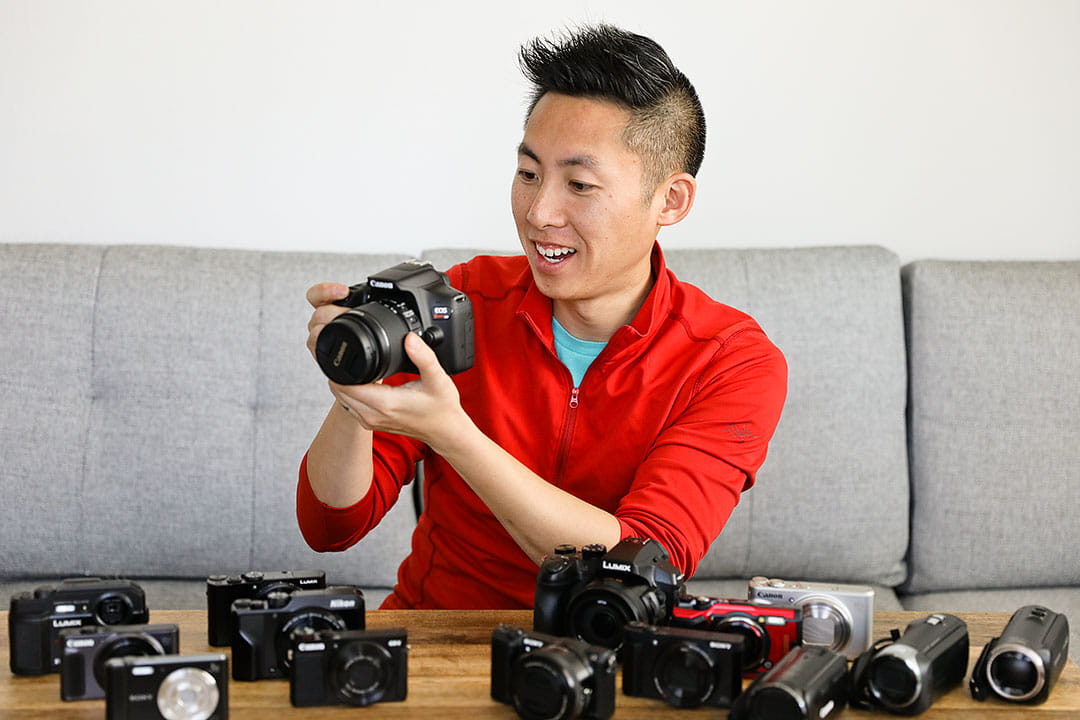
You don’t need expensive gear. Minimalism is accessible on phones, mirrorless, or DSLRs. However, a few choices make it easier:
| Gear | Why it helps |
|---|---|
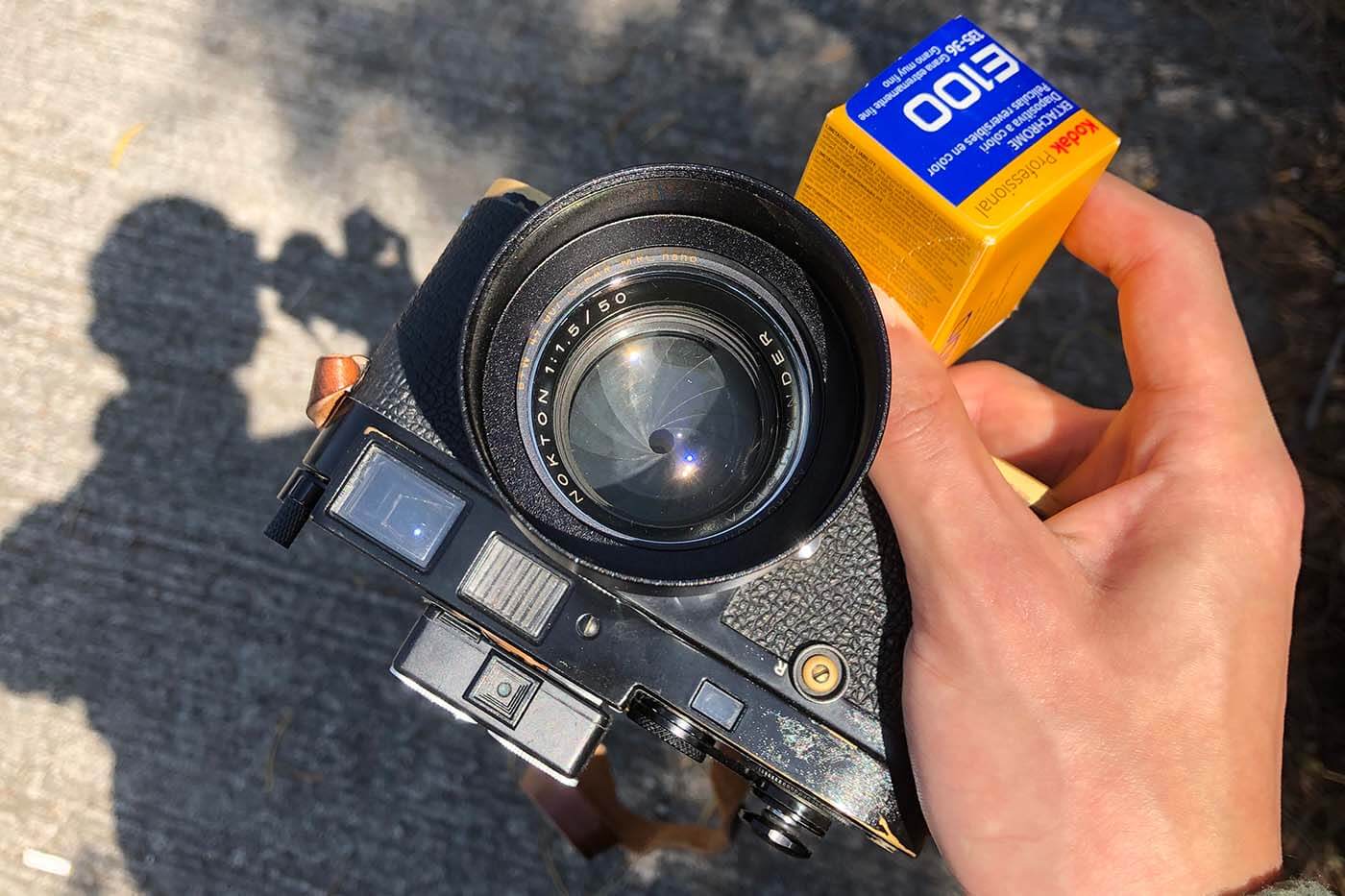
| Prime lens (35mm, 50mm) | Sharpness, low weight, encourages simple composition |
| Telephoto (85mm+) | Compresses scene; isolates subject from background |
| Tripod | For precise framing and long exposures |
| Phone camera | Great for practicing compositions and quick street shots |
Recommended Settings
- Aperture: f/2.8–f/8 depending on isolation needs
- ISO: keep it low (100–400) for clean tones
- Shutter speed: adjust to subject motion—use tripod for <1/30s handheld
- Focus: single-point autofocus on the subject
Minimalism Across Genres
Landscape Minimalism
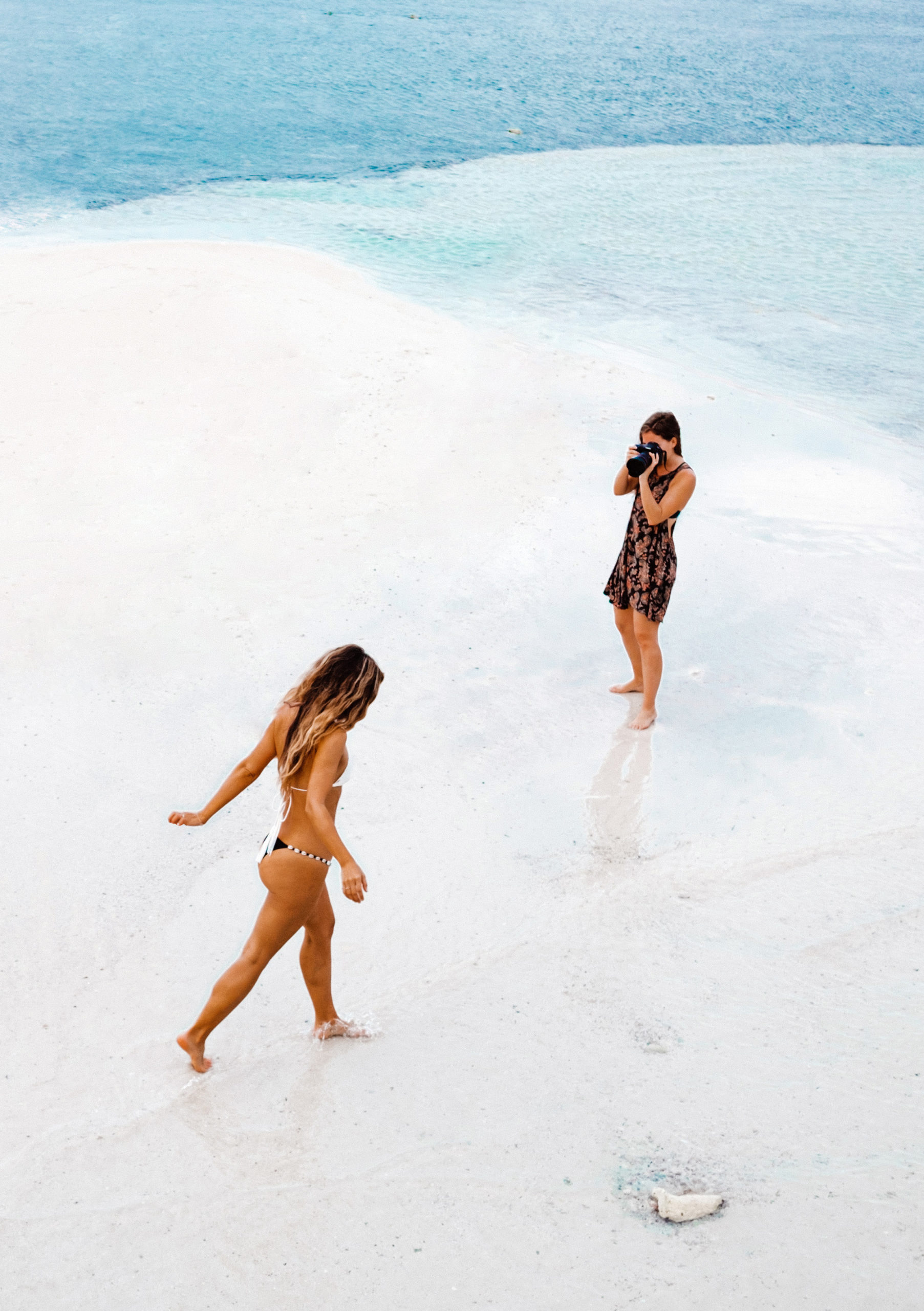
Great minimal landscapes often rely on weather and open spaces: fog dissolving the horizon, a solitary tree on a snowplain, or a long stretch of beach. Aim for simple lines and a single focal element.
Portrait Minimalism
Place the sitter against a plain background, use soft light, and focus on gesture, eyes, or a detail like hands. A tight crop and muted tones do wonders.
Street Minimalism
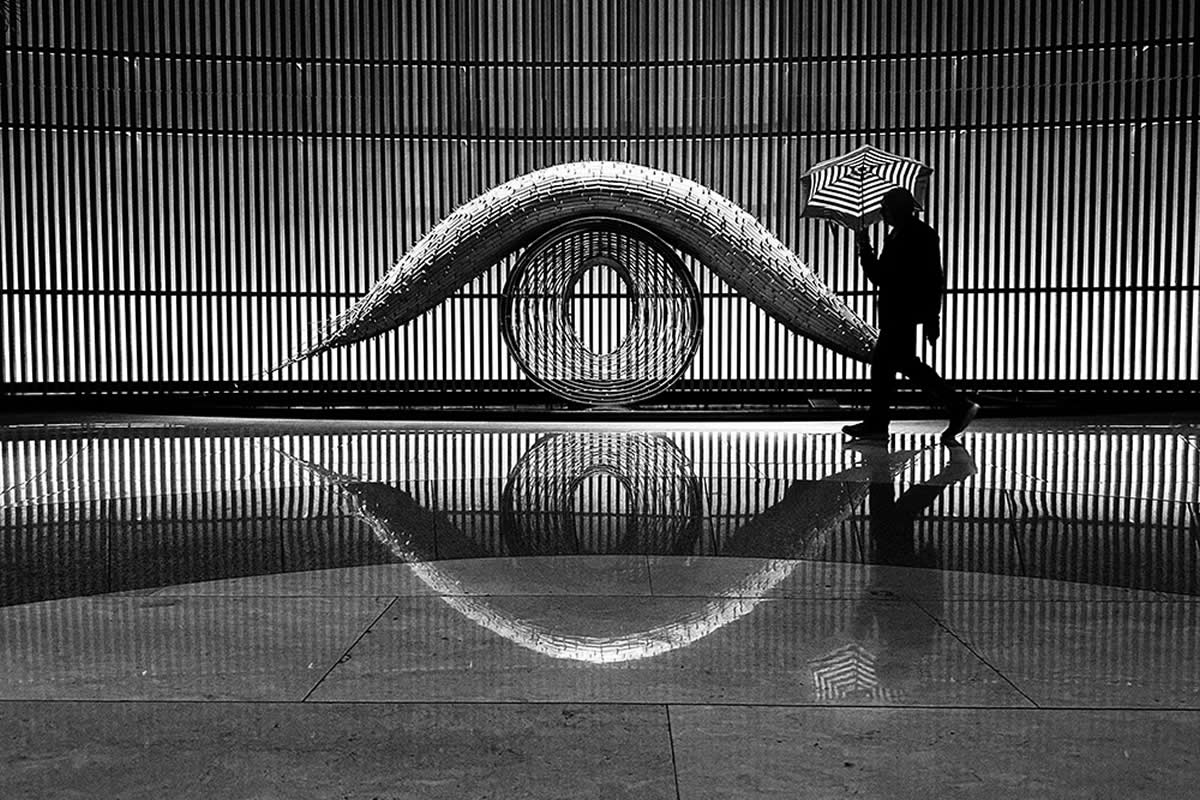
Urban minimalism thrives on geometry—buildings, crosswalks, and the occasional passerby. Look for repetitive patterns and break them with a single human element.
Composition Techniques and Examples
Rule of Thirds vs. Centered Subject
Centered subjects can feel formal and meditative; putting the subject on a third can feel dynamic. Try both and feel the emotional difference.
Use of Lines and Geometry
Leading lines, simple horizons, and geometric shapes guide the eye. A diagonal shadow can create motion within a calm image.
Symmetry and Asymmetry
Symmetry is soothing; asymmetry can be more intriguing. Minimalism uses both — pick the mood you want to convey.
Post-Processing: Keep the Edit Clean
Editing should enhance simplicity, not complicate it. Here are practical steps:
- Crop to remove distractions and strengthen composition.
- Adjust exposure and contrast to define subject and space.
- Desaturate selectively if color distracts from form.
- Remove small distractions using clone/heal tools.
- Sharpen only where needed; keep noise reduction natural.
Example Workflow (Lightroom)
1. Crop to a minimal rectangle
2. Set profile and white balance
3. Lower highlights, open shadows slightly
4. Increase contrast modestly
5. Use selective brush to darken background or lighten subject
6. Export at 80–90% quality for web
Common Mistakes and How to Fix Them
- Too many focal points: Simplify or reframe.
- Distracting edges: Crop or clone out stray elements.
- Poor lighting: Wait for better light or change angle.
- Over-editing: Back off—minimalism needs restraint.
Exercises to Level Up Your Minimalist Vision
- 30-day minimalism challenge: One minimalist photo per day, different subject each day.
- Color restriction: Shoot only black-and-white for a week.
- Single-lens rule: Use only one prime lens for a month.
- Empty-space study: Take five photos of the same subject with increasing negative space.
Inspiring Minimalist Photographers
Study photographers who master minimal storytelling: Michael Kenna, Hiroshi Sugimoto, Rinko Kawauchi, and Fan Ho. Analyze how they use light, shape, and silence.
SEO and Caption Tips for Your Minimalist Photos
When posting online, use simple, descriptive captions that reinforce the minimalist intent. Include photography tip 26 in alt text and meta description if this post targets that keyword. Example caption:
“Lonely bench at dawn — negative space and soft light. (photography tip 26)”
Frequently Asked Questions
Q1: Can I create minimalism with a smartphone?
Yes. Phones are great for practicing composition and speed. Use gridlines, tap-to-focus, and simple post-processing apps to remove distractions.
Q2: Does minimalism mean everything must be black and white?
No—color minimalism is powerful. Keep colors limited and harmonious. Convert to black-and-white when color interrupts the mood.
Q3: How do I choose between centered and off-center compositions?
Center for calm and formality; off-center for tension or motion. Test both and trust your instincts.
Q4: Is minimalism suitable for commercial photography?
Absolutely. Minimalism can be excellent for product photos, brand imagery, and ad campaigns because it highlights the subject and communicates clarity.
Q5: How can I tell if my photo is truly minimalist?
If the photo communicates its idea clearly without extra elements and the viewer’s eye rests easily on the subject, it’s minimalist.
Conclusion
Minimalism is a creative discipline that teaches restraint. By removing the unnecessary, you invite emotion and clarity into your images. Use this photography tip 26 as a prompt to slow down and look for quiet moments. Minimalism will sharpen your compositional instincts and produce images that stand out for their calm strength.
Publish a dedicated “Minimalism in Photography” guide (including tutorials, exercises, and 50+ minimalist photo examples) to attract long-tail searches around photography tip 26 and related queries. Add downloadable prompts and an email sign-up to convert readers into subscribers.