
Why Storytelling Matters in Photography
Photos That Speak Without Words
Great images communicate instantly. They don’t rely on captions or explanations — they reach into a viewer’s feelings and imagination. A single frame can hint at a life before and after the moment you captured, like a snapshot of a farewell, a tiny victory, or the quiet resilience in someone’s eyes.
Emotional Connection Through Imagery
Storytelling in photography invites the viewer into a moment and asks them to feel with the subject. Instead of simply showing a scene, you build an emotional bridge — and that bridge is what makes an image memorable.
Understanding the Elements of Visual Storytelling
Storytelling is the sum of many parts. Think of each element below as a tool in your photographer’s kit.
Subject Choice and Relevance
Your subject is the protagonist. Whether it’s a person, object, or place, the subject should carry meaning for the story you want to tell. Ask: why is this subject important, and what does it reveal?
Background and Setting
The background acts as the stage. It provides context and can add subtle narrative clues — a weathered door, a crowded market, or an empty chair can transform the way the subject is read.
Lighting as a Mood Creator
Lighting sets tone. Warm sunlight whispers nostalgia; harsh side-lighting can add drama; low-key images bring mystery. Master the light, and you control the mood.
Composition and Framing
Composition tells the viewer where to look and how to interpret the scene. Use the rule of thirds, negative space, and framing to emphasize your story’s emotional center.
Planning Your Photo Story
While spontaneity is valuable, intentional planning ensures your story comes through.
Define the Message You Want to Convey
Decide on the emotion or idea you want viewers to take away. This intention simplifies choices during shooting — from lens selection to angles and timing.
Choose a Theme or Narrative
Themes act as story scaffolding: “urban loneliness”, “childhood wonder”, or “the rhythm of market life” give cohesion and focus to your images.
Research and Inspiration
Study the masters and contemporary storytellers. Look at photo essays, documentary work, and street photography. Steal (ethically) ideas and learn how others weave emotion into single frames.
Techniques to Tell a Story in One Shot
Here are actionable techniques you can apply right away.
Use Leading Lines to Guide the Viewer
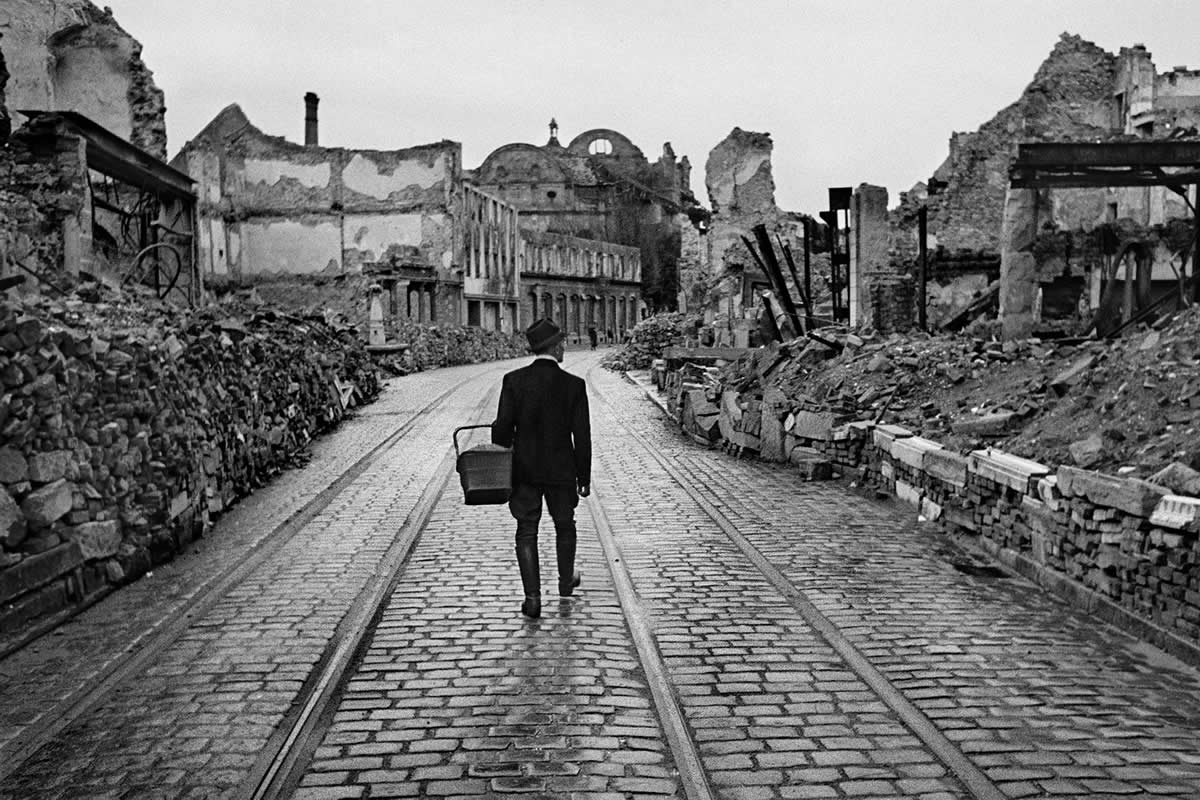
Leading lines — roads, rails, fences, shadows — direct the viewer’s eye to the subject or through a sequence of elements that reveal the narrative. They’re like invisible arrows that control visual flow.
Capture Candid Moments
Candid shots often reveal authentic emotion. Patience and quiet observation are your best tools — wait for gestures, glances, or expressions that tell a story without staged poses.
Incorporate Props and Context
Small objects — a cup, a toy, a suitcase — can carry heavy story weight. Props anchor the subject in a context and hint at backstory without adding clutter.
Play with Perspective
Change your viewpoint. Low angles can empower a subject; overhead shots can make them seem small or isolated. Perspective changes how the narrative reads.
Storytelling in Photo Series
For deeper narratives, use a sequence of images to build a fuller story.
The Beginning, Middle, and End Approach
Structure your series like a short story: introduce characters and setting, develop tension or action, and provide a resolution or poignant close. This gives viewers a satisfying arc to follow.
Visual Consistency Across Images
Keep consistent color grading, contrast levels, and framing choices to make the series feel cohesive. Visual consistency strengthens perceived narrative continuity.
Common Mistakes in Storytelling Photography
Avoid these traps that can weaken your narrative.
Overcrowding the Frame
Too many elements compete for attention. Simplify — less is often more when telling a clear story.
Ignoring Emotional Impact
Technical perfection is useless without feeling. If the image doesn’t evoke anything, re-evaluate your choices: subject, timing, or light might be off.
Post-Processing for Storytelling Impact
Editing is the last chance to sharpen your story.
Color Grading for Mood
Adjust color temperature, saturation, and contrast to reinforce the emotion — mute tones for nostalgia, vibrant colors for joy, desaturated palettes for a somber feel.
Cropping to Refine the Story
Crop to remove distractions and strengthen focus. Tight crops can intensify intimacy; wider crops can highlight isolation or environment.
Examples of Powerful Storytelling in Photography
Documentary Photography
Documentary work often captures life at its rawest — full of context, history, and human truth. These images can be both informative and deeply moving.
Street Photography
Street photographers find narratives in everyday life: a fleeting glance, a street performer mid-act, or an argument paused by snowfall — these moments become visual anecdotes.
Travel Photography
Travel photos tell place-based stories — not just the landmarks but the rhythm, faces, and small details that define a culture or moment in time.
Final Thoughts on Storytelling in Photography
Storytelling transforms the way you take photos. When you move from recording to crafting, your images become invitations — invitations for others to step into the moments you’ve witnessed.
Conclusion
Incorporating photography tip 33 into your workflow means being deliberate about subject, light, composition, and emotion. Ask yourself before each shot: What story am I trying to tell? With practice, your photos will stop being mere images and start becoming memorable stories.
FAQs
Q1: Can any type of photography use storytelling?
Yes — portraits, landscapes, wildlife, street, and commercial photography can all benefit from story-driven thinking.
Q2: How do I make my story clear in a single shot?
Focus on one subject, create supporting context, control light and composition, and remove distractions to make the narrative legible.
Q3: Do I need expensive gear for storytelling photography?
No. Vision matters more than equipment. A modest kit is enough if you use it with intention.
Q4: How can I improve my storytelling skills?
Study master photographers, practice regularly, critique your images, and experiment with different perspectives and lighting setups.
Q5: Is editing essential for storytelling?
Not essential, but thoughtful editing can amplify mood and clarity when used to reinforce your narrative.