
Understanding ISO in Photography
What Does ISO Mean?
ISO is one of the three pillars of the exposure triangle (alongside shutter speed and aperture). It controls your camera sensor’s sensitivity to light. The higher the ISO number, the more sensitive your camera becomes to light — meaning you can shoot in darker environments without needing a tripod or a slower shutter.
The Role of ISO in Exposure
Think of ISO as the volume knob for light. Turn it up (increase ISO), and the image gets brighter. Turn it down (lower ISO), and the image gets darker. But just like turning up music volume too high can introduce distortion, cranking ISO can add noise to your images — though modern cameras handle this far better than ever before.
The Evolution of ISO Technology
From Film Days to Digital Sensors
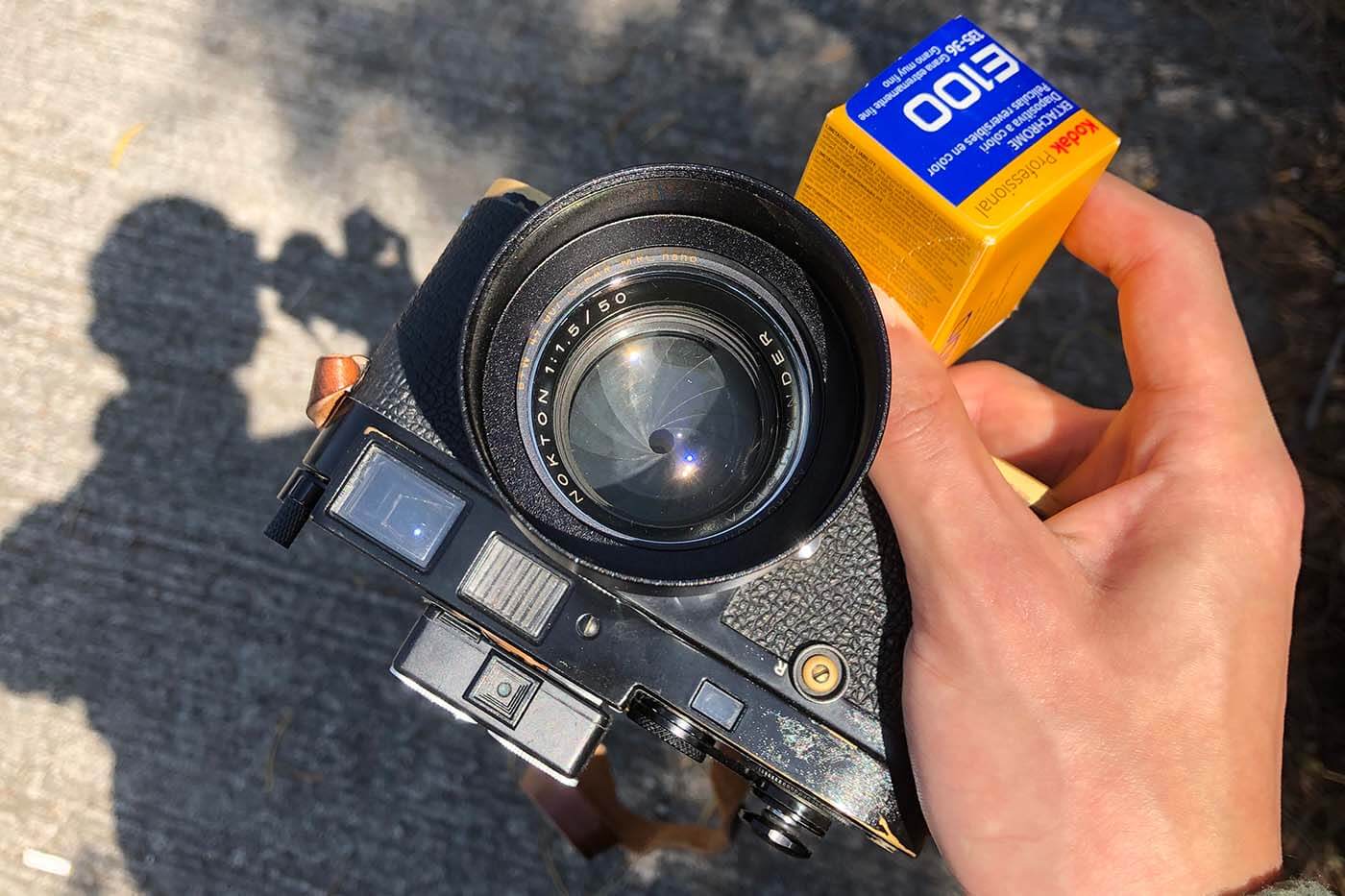
Back in the film photography days, ISO was fixed to the film roll you loaded. Want to shoot in low light? You’d buy ISO 800 or ISO 1600 film — but it came with visible grain. Once digital cameras came along, ISO became adjustable on the fly.
How Modern Cameras Handle High ISO
Camera sensors have come a long way. Today’s mirrorless and DSLR cameras can shoot at ISO 3200, 6400, or even 12,800 with minimal noise — something that would’ve been impossible 15 years ago. That means you can focus on getting the shot instead of worrying about noise.
Why Photographers Fear High ISO
The Grain and Noise Concern
The main reason photographers shy away from high ISO is image noise — those tiny speckles that appear in darker parts of a photo. While it’s true that higher ISO settings introduce more noise, modern cameras and editing software make it much easier to handle.
The Misconceptions Around ISO
Many beginners think that any high ISO will ruin their shots. In reality, a slightly noisy but sharp photo beats a blurry one any day. And honestly, some noise even adds character — think of it like film grain.
Benefits of Using High ISO
Capturing Sharp Images in Low Light
When light is scarce, raising ISO lets you keep your shutter speed fast enough to avoid motion blur — crucial for hand-held shots.
Freezing Motion Without Flash
If you’re photographing kids, sports, or wildlife, you often need a fast shutter speed. High ISO lets you achieve that speed without relying on bright lighting.
Enabling Smaller Apertures for More Depth
Sometimes you want a deep depth of field — like in landscape shots — but it’s getting dark. High ISO allows you to keep a smaller aperture while still exposing correctly.
Practical Scenarios for High ISO Use
Indoor Photography Without Flash
Flashes can be intrusive or simply banned in certain places. High ISO helps you capture natural-looking shots without harsh flash lighting.
Concert and Event Photography
Concerts are notoriously low-light with fast action. High ISO helps you freeze performers in motion without sacrificing brightness.
Night Street Photography
Street photography after dark benefits greatly from high ISO, letting you capture candid scenes without using a tripod.
Wildlife and Sports Shots
Subjects that move quickly in unpredictable light conditions are best tackled with high ISO — you’ll freeze the action and keep details intact.
How to Reduce Noise at High ISO
Use of In-Camera Noise Reduction
Most modern cameras have built-in noise reduction settings. Experiment with these to see how much detail you can retain while softening grain.
Post-Processing Noise Removal Tools
Lightroom and Photoshop Techniques
Both programs have effective noise reduction sliders that let you selectively reduce noise while preserving sharpness. When working in RAW, you’ll get the most control.
Third-Party Noise Reduction Software
Tools like Topaz DeNoise AI or DxO PureRAW can work wonders on high ISO images, making them look much cleaner without losing texture.
High ISO vs. Low ISO: When to Choose Which
Low ISO (100–400): Best for bright daylight or when using a tripod for long exposures.
High ISO (800+): Ideal for low light, fast-moving subjects, or when you can’t use a flash or tripod.
Tips to Master High ISO Shooting
Test Your Camera’s ISO Limits
Spend an afternoon testing different ISO settings to see where your camera starts producing unacceptable noise.
Shoot in RAW for More Flexibility
RAW files retain more data, giving you more room to clean up noise during editing.
Balance ISO with Shutter Speed and Aperture
Don’t rely solely on ISO. Use the whole exposure triangle to maintain image quality.
Conclusion
High ISO isn’t something to fear — it’s a powerful tool in your photography arsenal. Thanks to modern camera technology and noise reduction techniques, you can confidently shoot at high ISO and still get amazing results. The next time you’re in a low-light situation, remember Photography Tip #44: Don’t be afraid of high ISO.
FAQs
- Does high ISO always mean bad quality?Not at all. Modern cameras can handle high ISO surprisingly well, especially when combined with good editing.
- Is noise the same as grain?They look similar, but grain is a film characteristic, while noise is a digital artifact.
- Can I fix high ISO noise in editing?Yes — tools like Lightroom, Photoshop, and Topaz DeNoise can drastically reduce noise.
- What’s the highest ISO I can use?It depends on your camera. Test it to find your personal tolerance level for noise.
- Should I always avoid high ISO?No — sometimes it’s the only way to capture the shot without blur.
More Tips: See Tip #43 | See Tip #45