

Introduction to Panning Photography
If you’ve ever seen a photo where the subject is sharp but the background is streaked in a blur of motion, you’ve witnessed the magic of panning. This technique transforms ordinary action shots into dynamic, storytelling masterpieces. For photography tip 48, we’re diving deep into why and how you should try panning when shooting moving subjects.
What is Panning in Photography?
The Concept Behind Panning
Panning is a technique where you follow your moving subject with your camera while using a slower shutter speed. The result? Your subject stays relatively sharp, while the background blurs in the direction of movement, giving that cinematic sense of speed.
How Panning Creates Motion Blur
The blur isn’t accidental—it’s intentional. By moving your camera in sync with the subject, you allow the background to streak while freezing the subject. Think of it like sketching: the subject is outlined crisply, but the surroundings fade into movement.
Why Panning Works for Moving Subjects
Adding Energy and Movement to Shots
Still photos can sometimes look, well, still. Panning injects life, showing the rush of a cyclist or the zoom of a race car.
Making Your Subject Stand Out
By blurring the background, your subject becomes the hero of the shot. It’s like putting a spotlight on them in a busy scene.
Essential Gear for Panning Photography
Choosing the Right Camera Body
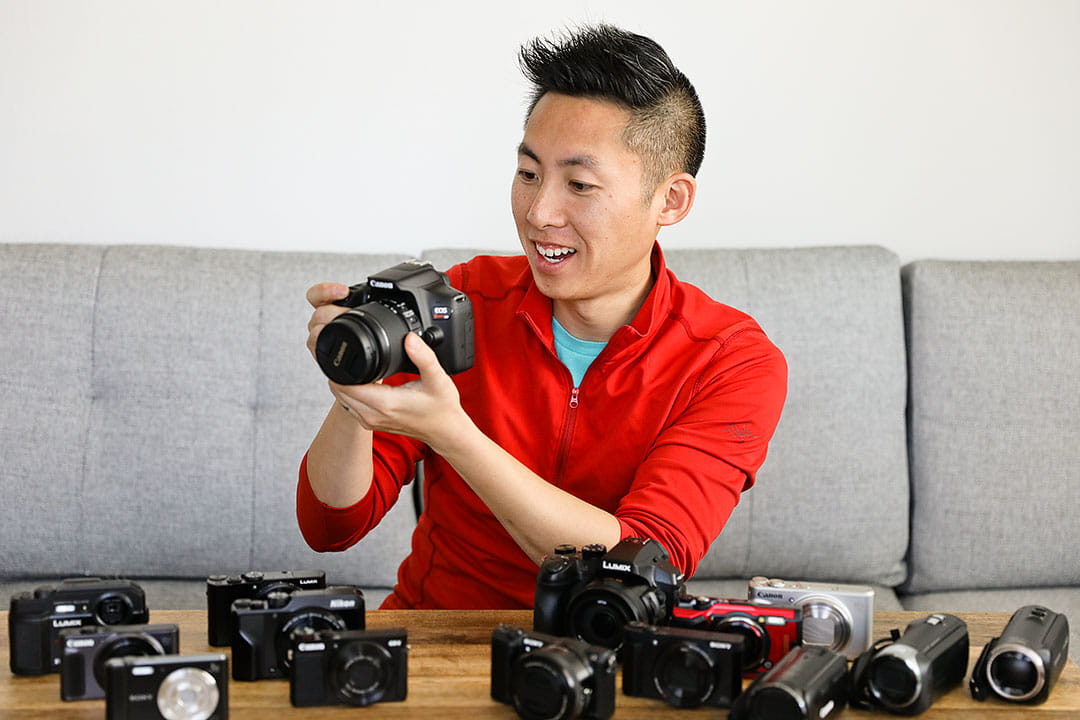
While almost any modern camera can pan, mirrorless and DSLR cameras with fast burst modes make the job easier.
Best Lenses for Panning
Zoom lenses in the 70–200mm range are great for sports and wildlife, while shorter focal lengths work for street photography.
Tripod vs. Handheld: Which is Better?
A monopod can stabilize vertical movement while allowing horizontal panning freedom. Handheld gives more flexibility but requires steadier hands.
Camera Settings for Perfect Panning
Ideal Shutter Speeds for Different Subjects
- Cars or bikes: 1/60 to 1/125 sec
- Running people: 1/30 to 1/60 sec
- Wildlife: 1/50 to 1/125 sec
Aperture and ISO Considerations
Use a smaller aperture (f/8 to f/16) to maintain depth of field, and adjust ISO to balance exposure without over-brightening.
Continuous Autofocus Mode
AF-C or AI Servo mode will keep your moving subject in focus while you track it.
Step-by-Step Guide to Mastering Panning
Step 1: Position Yourself Strategically
Stand parallel to where the subject will pass. This gives you a clean, predictable path to follow.
Step 2: Track Your Subject Smoothly
Start moving your camera before the subject enters the frame, keep it smooth, and follow through even after pressing the shutter.
Step 3: Shoot in Burst Mode
Multiple frames increase your chances of nailing the perfect shot.
Step 4: Practice, Review, and Adjust
Don’t be discouraged if your first shots aren’t perfect. Panning is a skill that gets better with muscle memory.
Common Mistakes to Avoid When Panning
Using a Shutter Speed That’s Too Fast or Too Slow
Too fast, and you lose the blur. Too slow, and your subject becomes mushy.
Jerky Camera Movements
Smooth tracking is key. Imagine your camera is on invisible rails.
Poor Background Selection
A cluttered or boring background can ruin a good panning shot. Look for interesting colors, patterns, or lights.
Creative Panning Ideas to Try
Panning with Vehicles
Cars, buses, trains—urban panning opportunities are everywhere.
Panning with People in Motion
Joggers, dancers, or skateboarders make fantastic subjects.
Panning with Animals and Wildlife
Capture birds in flight or horses galloping for stunning action shots.
How Lighting Affects Panning Shots
Golden Hour Panning
The soft light during sunrise or sunset can add warmth and drama to your panning shots.
Nighttime Panning with City Lights
Street lamps and neon signs become glowing streaks in the background, making your image pop.
Post-Processing Tips for Panning Shots
Enhancing Motion Blur
You can subtly increase blur using editing software if your shot needs more impact.
Cropping for Better Composition
Tighten the frame to keep focus on your subject and remove distractions.
Conclusion
Panning is more than just following a moving subject—it’s a storytelling technique. Photography tip 48 teaches you how to create motion in still images, turning everyday moments into thrilling visual narratives. Whether you’re shooting a marathon runner, a racing car, or a playful pet, panning can make your shots stand out in the crowd. So grab your camera, pick your subject, and let the motion begin!
FAQs
Do I need a professional camera to pan effectively?
No, even entry-level cameras can handle panning with the right settings.
Can I pan without a tripod?
Absolutely! Handheld panning works well, though a monopod can help with stability.
How do I practice panning?
Start with predictable moving subjects like cars or cyclists.
What’s the easiest shutter speed for beginners?
Try 1/60 sec—it’s a good balance between sharpness and motion blur.
Can I pan in low light?
Yes, but you’ll need to manage ISO and use available light creatively.
Discover more actionable tips and tricks like this on CameraTale.com, your go-to hub for mastering photography skills.
Whether you’re a hobbyist or pro, CameraTale has your next shot covered.
More Tips: See Tip #47 | See Tip #49