
What is Photography Tip 53 All About?
The idea behind this tip is straightforward: when you use a prime lens (a lens with a fixed focal length), you’re forced to think more about composition, perspective, and how to position yourself. Instead of twisting a zoom ring, you physically move to get the shot you want. This small shift in approach has a big impact on your creative growth.
What is a Prime Lens?
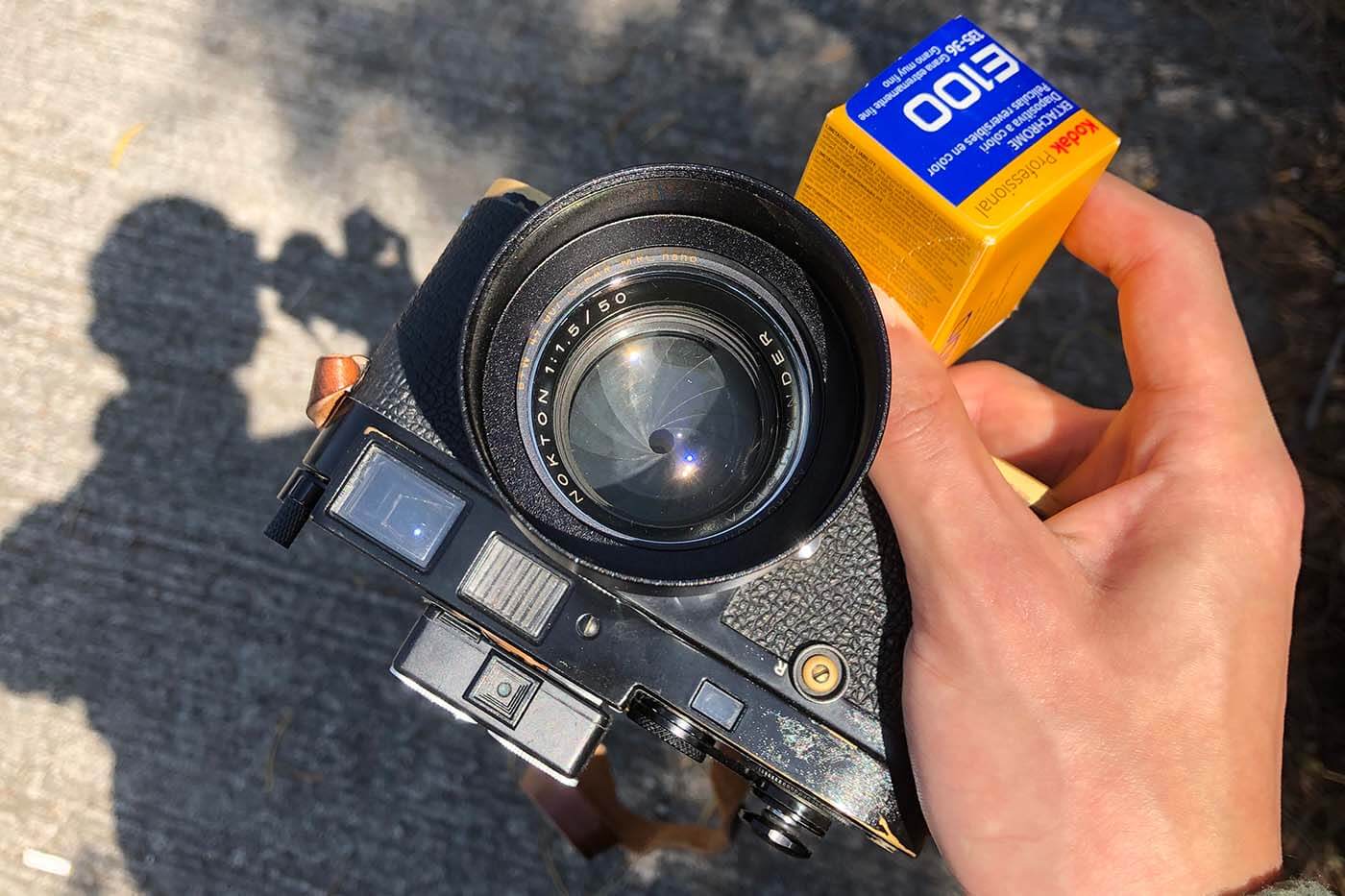
A prime lens is a lens with a fixed focal length—meaning it doesn’t zoom. Popular examples include 35mm, 50mm, and 85mm lenses.
Prime Lens vs Zoom Lens
- Prime Lens: Fixed focal length, lightweight, usually sharper, and great in low light.
- Zoom Lens: Variable focal length, more versatile, but often heavier and less sharp at extremes.
Why Photographers Love Prime Lenses
Photographers swear by primes because they produce sharper images, allow for wider apertures (like f/1.8 or f/1.4), and encourage creativity by forcing you to “work the scene.”
How Prime Lenses Improve Composition
Encourages Movement and Creativity
Instead of standing in one spot and zooming, you physically move closer or further. This makes you experiment with new perspectives, leading to stronger compositions.
Simplifies Decision-Making
With no zoom, you’re not wasting time debating between focal lengths. You focus more on framing and storytelling.
Enhances Depth of Field Control
Prime lenses often have wide apertures, letting you blur backgrounds beautifully and guide the viewer’s attention to your subject.
Benefits of Using Prime Lenses
Sharper Image Quality
Prime lenses are optically simpler, which means they usually produce sharper images compared to zoom lenses.
Better Low-Light Performance
With apertures like f/1.8 or even f/1.4, you can shoot in dim environments without needing a flash.
Lightweight and Portable
Perfect for travel and street photography—you won’t feel weighed down.
Practical Tips for Composing with Prime Lenses
Move Your Feet, Not Your Zoom
Zoom with your legs. Get closer, crouch down, or step back—your body becomes part of the creative process.
Use the “Limitations” to Spark Creativity
Having just one focal length may feel limiting at first, but that very limitation forces innovation.
Frame with Foreground and Background
Prime lenses push you to be mindful of elements in your frame, creating depth and layers.
Experiment with Negative Space
Don’t always fill the frame. Use empty space to highlight your subject.
Best Prime Lenses for Beginners
The Classic 50mm “Nifty Fifty”
Affordable, versatile, and great for portraits and everyday shooting.
Wide-Angle Prime for Landscapes
A 24mm or 35mm prime is perfect for landscapes, street photography, and storytelling.
Portrait Prime Lenses
An 85mm prime delivers flattering portraits with dreamy background blur.
Common Mistakes to Avoid with Prime Lenses
Relying on Cropping Instead of Reframing
Don’t get lazy and think you can “zoom in later” with cropping—move around and get it right in-camera.
Forgetting About Background Control
Prime lenses let in lots of light, but you must still watch your backgrounds carefully to avoid distractions.
Overusing Wide Apertures
Just because you have f/1.4 doesn’t mean every shot should be at f/1.4. Sometimes stopping down creates sharper, more balanced photos.
Real-Life Examples of Prime Lens Photography
Street Photography
Using a 35mm prime lets you blend into the scene, capturing candid moments naturally.
Portraits
An 85mm prime creates stunning portraits with soft backgrounds and flattering compression.
Travel Photography
A lightweight 50mm prime is perfect for travel—it’s small, discreet, and versatile.
Final Thoughts on Photography Tip 53
Photography Tip 53 is all about stepping out of your comfort zone. By using a prime lens, you’ll think differently, move more, and focus on storytelling instead of convenience. If you want sharper images, better compositions, and a fresh way of seeing the world, try shooting with a prime lens.
FAQs
1. What is the best prime lens for beginners?
The 50mm f/1.8, also called the “nifty fifty,” is affordable, sharp, and versatile.
2. Are prime lenses better than zoom lenses?
Not always—prime lenses are sharper and lighter, but zooms are more flexible.
3. Can I shoot landscapes with a prime lens?
Absolutely! A 24mm or 35mm prime is fantastic for wide, scenic shots.
4. Do professionals still use prime lenses?
Yes, many pros use primes for their sharpness, low-light performance, and creative control.
5. Will a prime lens improve my photography instantly?
Not instantly, but it will challenge you to improve your composition and creativity.
cameratale.com is your go-to hub for photography tips, tricks, and inspiration. Explore our guides to improve your shots and master your gear.