
Light is the heartbeat of photography. Without it, your camera captures nothing but darkness. That’s why photography tip 61 is simple yet powerful: follow the light source. Whether you’re shooting a portrait, a landscape, or a quick candid, light shapes your subject and tells the story.
Let’s dive deep into this tip and uncover how you can harness the power of light to make your photos come alive.
Why Light is the Soul of Photography
Ever heard the phrase “photography is painting with light”? It’s true. Every click of the shutter captures not just objects but the way light falls on them. Without mastering light, even the best gear won’t save your photos.
Understanding Natural vs. Artificial Light
Natural light comes from the sun and varies throughout the day, giving you golden, soft, or harsh tones. Artificial light, on the other hand, is controllable—think lamps, studio lights, and even your phone’s flashlight. Both are useful, but how you follow the source changes the mood.
The Role of Direction in Lighting
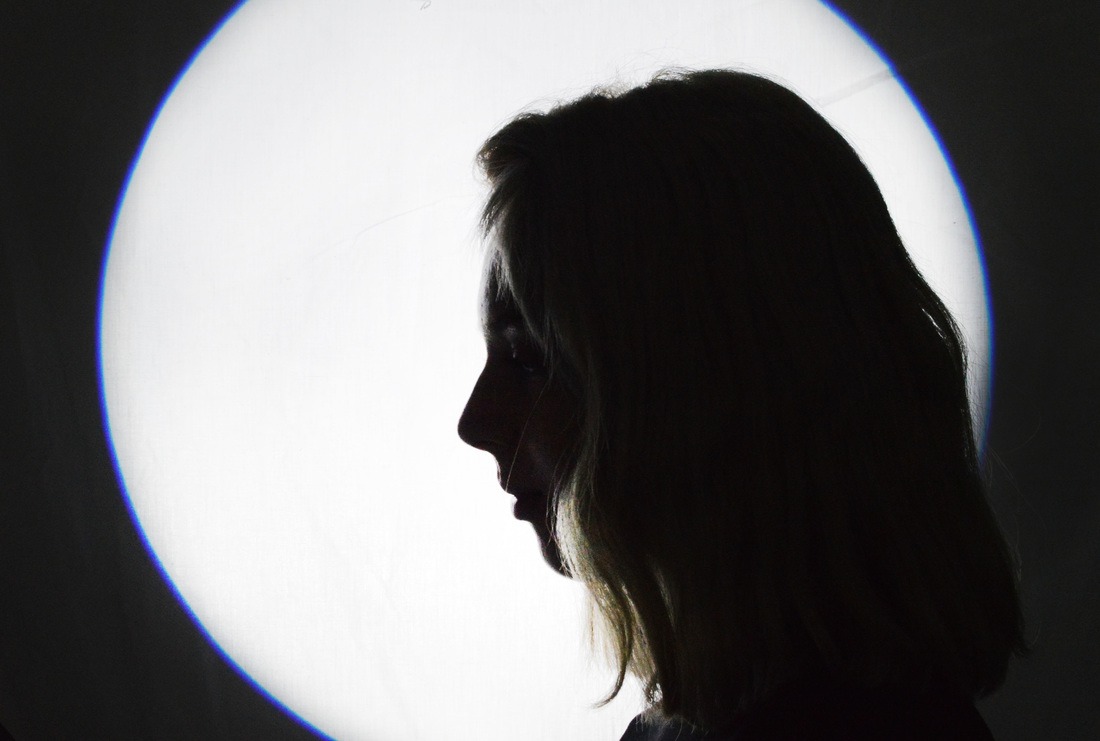
The direction of light decides whether your subject looks flat, mysterious, or dramatic. Light from the side adds depth. Light from behind creates silhouettes. Overhead light might create shadows under the eyes. Once you notice this, you’ll never look at light the same way again.
Photography Tip 61 Explained
What “Follow the Light Source” Really Means
It doesn’t mean you should literally chase the sun across the sky. Instead, it’s about being aware of where the light is coming from and positioning yourself—or your subject—in a way that enhances the photo.
How Light Affects Mood and Storytelling
Think of light as your narrator. Soft light whispers romance and calmness. Harsh shadows scream tension and intensity. Following the light allows you to control the mood, almost like a director setting the stage for a scene.
Mastering Natural Light
Shooting at Golden Hour
If you want instant magic, shoot during golden hour—the first hour after sunrise or the last hour before sunset. The sun is low, shadows are soft, and everything glows.
Using Window Light Indoors
Window light is like a free softbox. Position your subject near a window, and you’ll get gentle highlights with natural shadows. Add a curtain, and voilà—you’ve created soft, flattering light.
Avoiding Harsh Midday Sun
At noon, the sun is directly overhead, which can create unflattering shadows. The fix? Find shade or use a reflector to bounce light evenly onto your subject.
Working with Artificial Light
Studio Lighting Basics
Artificial lights give you control. A single key light can mimic the sun, while fill lights balance shadows. Once you master this, you can shoot anytime, anywhere.
The Magic of Softboxes and Reflectors
Softboxes spread light evenly, while reflectors bounce light back onto your subject. Both are lifesavers when natural light isn’t playing nice.
Using Everyday Light Sources Creatively
A desk lamp. A string of fairy lights. Even the glow from your laptop screen. Ordinary lights can create extraordinary moods if you position them well.
Practical Ways to Follow the Light Source
Adjusting Camera Position
Don’t just stand in one spot. Walk around your subject. Sometimes moving a few feet changes the entire mood of the shot.
Experimenting with Shadows and Highlights
Follow the light, but don’t ignore the shadows—it’s the contrast that gives depth and character.
Using Backlighting for Drama
Placing your subject between the camera and the light source can create striking silhouettes or dreamy rim lighting.
Common Mistakes to Avoid
Ignoring the Light Direction
Pointing and shooting without noticing where the light is coming from is like trying to paint without colors—you’ll miss out on depth and detail.
Overexposure and Flat Images
Too much light washes out details. Always check your exposure and adjust settings to keep highlights balanced.
Pro Tips for Following the Light
Learn to See Light Before Shooting
Photographers train their eyes to see how light shapes everything, even without a camera. Practice this daily—it’s a game-changer.
Move Around Your Subject
Sometimes the subject doesn’t need to move—you do. Walking around them shows you new perspectives on how the light interacts.
Use Light to Guide the Viewer’s Eye
Light acts like a pointer, drawing attention to specific parts of the frame. Use it intentionally to highlight what matters.
Real-Life Examples of Light-Focused Shots
Portrait Photography
Side lighting creates depth in faces. Backlighting adds drama with glowing edges. A well-lit portrait feels alive.
Landscape Photography
Mountains at golden hour. Beaches at sunrise. Following the sun’s direction brings landscapes to life with textures and colors.
Street Photography
Shadows and highlights in city streets tell stories of movement, mood, and mystery. Follow the light, and you’ll find moments others miss.
Conclusion
At its core, photography tip 61: follow the light source is about awareness. Light is your strongest storytelling tool, and once you master it, your photos transform from snapshots into art. Next time you’re out shooting, pause and ask yourself: Where is the light coming from, and how can I use it to my advantage?
FAQs
Q1: Why is following the light source so important in photography?
Because light shapes mood, depth, and storytelling. Without it, photos lack character.
Q2: What’s the best time to shoot outdoors?
Golden hour—just after sunrise or before sunset—gives soft, warm light perfect for most photography.
Q3: Can I follow the light source indoors?
Absolutely! Windows, lamps, and even screens can be excellent light sources if used creatively.
Q4: How do I avoid harsh shadows when shooting?
Use reflectors, diffusers, or shoot in shaded areas to soften the light.
Q5: Do I need expensive gear to follow the light source?
Nope! Awareness of light matters more than equipment. Even a simple reflector can work wonders.
✨ For more hands-on guides, tutorials, and photography inspiration, explore CameraTale.com—your creative hub for growing as a photographer.
✨ At CameraTale.com, we simplify photography so you can capture stunning shots without overcomplicating the process.