
What is Low-Key Lighting?
Low-key lighting is a photography technique that uses a single dominant light source to create deep shadows and high contrast. Instead of flooding your scene with light, you let the darkness become part of the composition. Think of it as painting with shadows—it’s dramatic, moody, and incredibly powerful.
Origins of Low-Key Lighting
Low-key lighting traces back to classic film noir and Renaissance paintings. Artists and filmmakers used it to create mystery, tension, and emotional impact. Today, photographers adopt the same style to transform ordinary shots into captivating works of art.
Why It’s Popular in Photography
Because low-key images feel intense and cinematic, they’re ideal for storytelling. Whether you’re photographing a portrait, a glass of wine, or even a guitar, low-key lighting adds instant depth and character.
The Difference Between Low-Key and High-Key Lighting
Emotional Contrast
High-key lighting is bright, cheerful, and soft—perfect for fashion shoots or weddings. Low-key lighting, in contrast, screams drama. It’s the difference between a summer comedy and a suspense thriller.
Technical Setup
High-key requires multiple light sources or reflectors to remove shadows. Low-key thrives on shadows. Usually, one strong key light is enough to make the magic happen.
Essential Gear for Low-Key Photography
Camera Settings
- Set your ISO low (100–400) to avoid grain.
- Use a fast shutter speed to prevent overexposure.
- Opt for a wide aperture (f/2.8–f/4) to create depth and separation.
Lighting Equipment
- A single softbox, strobe, or LED panel is usually enough.
- Use modifiers like grids or barn doors to control light spill.
Backdrops and Accessories
- Black or dark backdrops work best.
- A reflector can help bounce just enough light back without killing the shadows.
How to Set Up a Low-Key Lighting Scene
Step 1: Choose the Right Space
Pick a room where you can control the light. A studio is ideal, but a darkened living room works too.
Step 2: Control the Light
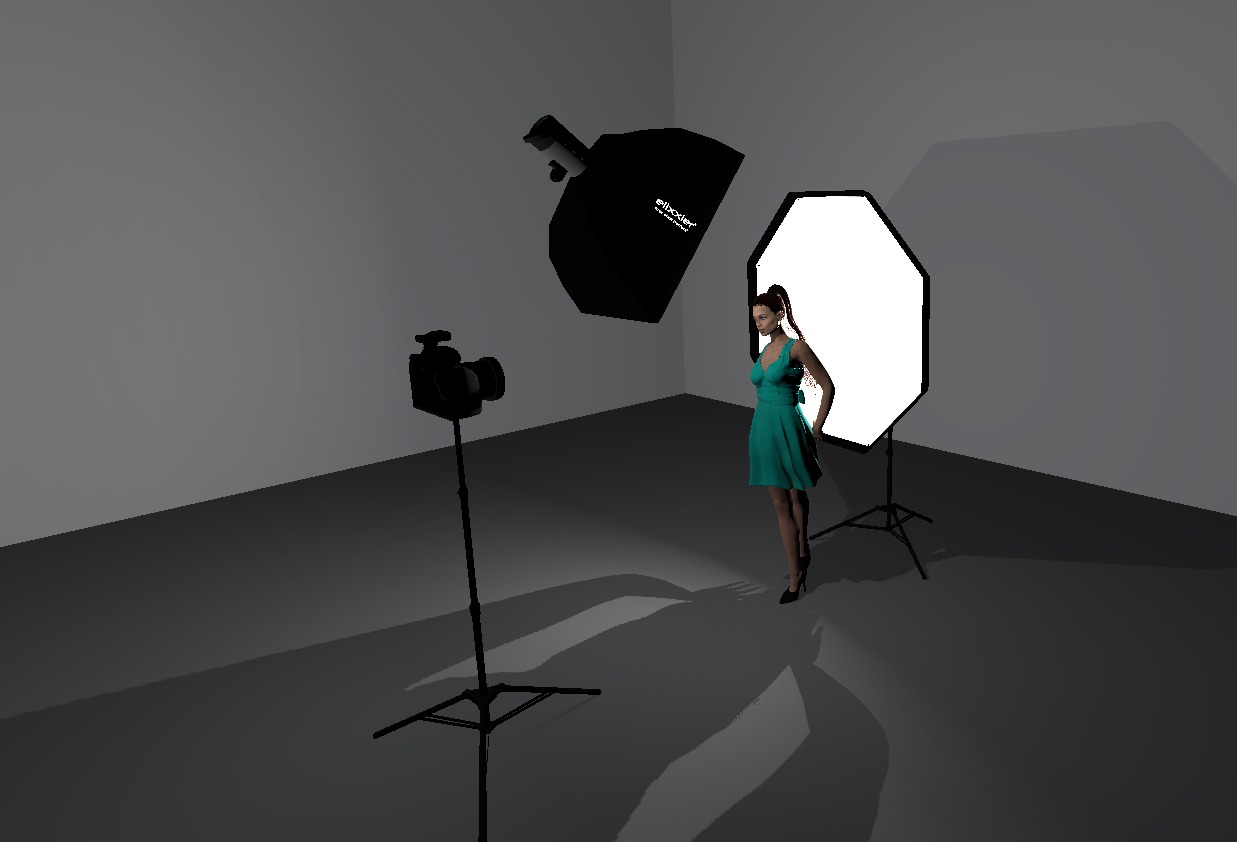
Turn off unnecessary lights. Place your key light at a 45-degree angle to your subject.
Step 3: Position Your Subject
Have your subject face slightly toward the light. This highlights one side while the other fades into shadow.
Step 4: Adjust Camera Settings
Take a few test shots, lowering exposure until the background turns almost completely black.
Creative Uses of Low-Key Lighting
Portrait Photography
Low-key portraits bring out raw emotion—wrinkles, expressions, and even subtle gestures pop dramatically.
Product Photography
Want to make a wristwatch or bottle of perfume look luxurious? Low-key setups instantly add a premium vibe.
Fine Art and Abstract Shots
Play with shapes, textures, and partial reveals. Sometimes what you don’t show is more interesting than what you do.
Common Mistakes to Avoid
Overexposing the Subject
If the highlights blow out, you’ll lose detail. Keep the lighting subtle.
Losing Detail in Shadows
Total black isn’t always ideal. Maintain just enough shadow detail to keep the image engaging.
Using the Wrong Background
Avoid patterned or reflective backgrounds. They distract from the subject.
Expert Tips for Better Results
Experiment with Angles
Move your light source around—side, top, or even backlighting can all give different moods.
Use One Light Source
Keep it simple. Adding too many lights ruins the effect.
Post-Processing Enhancements
In editing software, deepen blacks and enhance contrast slightly. Avoid going overboard—you want drama, not a cartoon.
Why Low-Key Lighting Elevates Your Work
Creates Drama and Mood
Few techniques can match the emotional punch of low-key lighting.
Highlights the Subject’s Story
By removing distractions, you focus the viewer’s attention where it matters most—the subject.
Conclusion
Photography Tip #71 isn’t just about trying a new setup—it’s about storytelling. Low-key lighting transforms simple shots into powerful images full of drama, depth, and mystery. Whether you’re capturing portraits, products, or creative concepts, this technique will sharpen your skills and elevate your portfolio.
FAQs
Q1: Do I need expensive equipment for low-key lighting?
No! A single softbox or even a desk lamp with a modifier can work wonders.
Q2: Can beginners try low-key photography?
Absolutely. It’s a simple technique that teaches you how to control light and shadow.
Q3: What’s the best background for low-key shots?
A plain black backdrop or a dark wall is ideal.
Q4: Should I shoot in RAW or JPEG?
RAW is best because it allows more flexibility in editing shadows and highlights.
Q5: Can I create low-key lighting outdoors?
Yes, but it’s trickier. Shoot at night or in shaded areas where you can control light.
Find practical photography guides, tips, and creative inspiration on CameraTale.com. Perfect for beginners and pros aiming to sharpen their photography skills.