
Introduction to Monochrome Photography
Photography tip 86 is all about embracing the power of monochrome. Have you ever looked at a black-and-white photo and felt a certain raw emotion or nostalgia? That’s the magic of monochrome photography. By removing color, you force your audience to focus on the essence of the shot—textures, contrasts, and emotions.
Why Choose Monochrome Over Color?
Focus on Light and Shadow
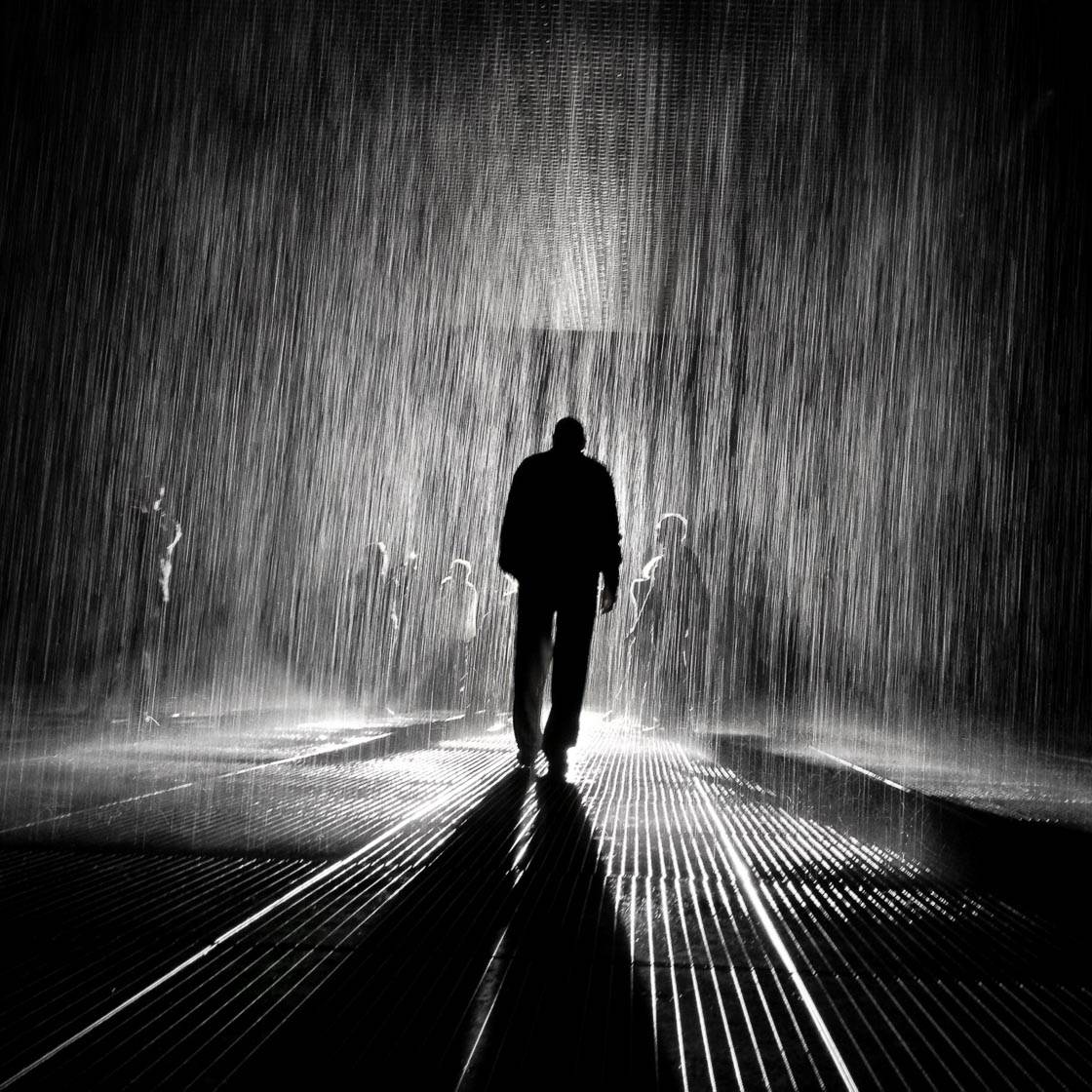
Without color, light and shadow become your best friends. Shadows add depth, highlights create drama, and the interplay between the two can transform an ordinary scene into something breathtaking. Imagine sunlight filtering through a window—suddenly, the mundane becomes cinematic.
Highlighting Textures and Patterns
Textures pop in monochrome. Rough walls, weathered faces, or rippling water become more noticeable, creating a sense of realism and depth that color sometimes masks. Patterns, too, stand out more, guiding the viewer’s eye naturally through the composition.
Emotional Impact of Black and White
Black-and-white images often feel more timeless and emotional. By stripping away color, you remove distractions, letting the viewer connect deeply with the subject’s mood. Sometimes, a single monochrome portrait can convey more than a vibrant, colorful scene.
Understanding the Basics of Monochrome Photography
What is Monochrome Photography?
Simply put, monochrome photography uses shades of a single color, usually black and white. But it’s not just about desaturating a photo; it’s about thinking differently. You need to see the world in terms of light, contrast, and tone, rather than color.
Equipment Tips for Monochrome Shots
Camera Settings You Need
You don’t need a fancy camera to shoot monochrome, but understanding your settings helps. Set your camera to monochrome mode if it has one, or shoot in RAW to convert later. Adjust ISO carefully to avoid unwanted noise that could ruin fine details.
Lens Recommendations
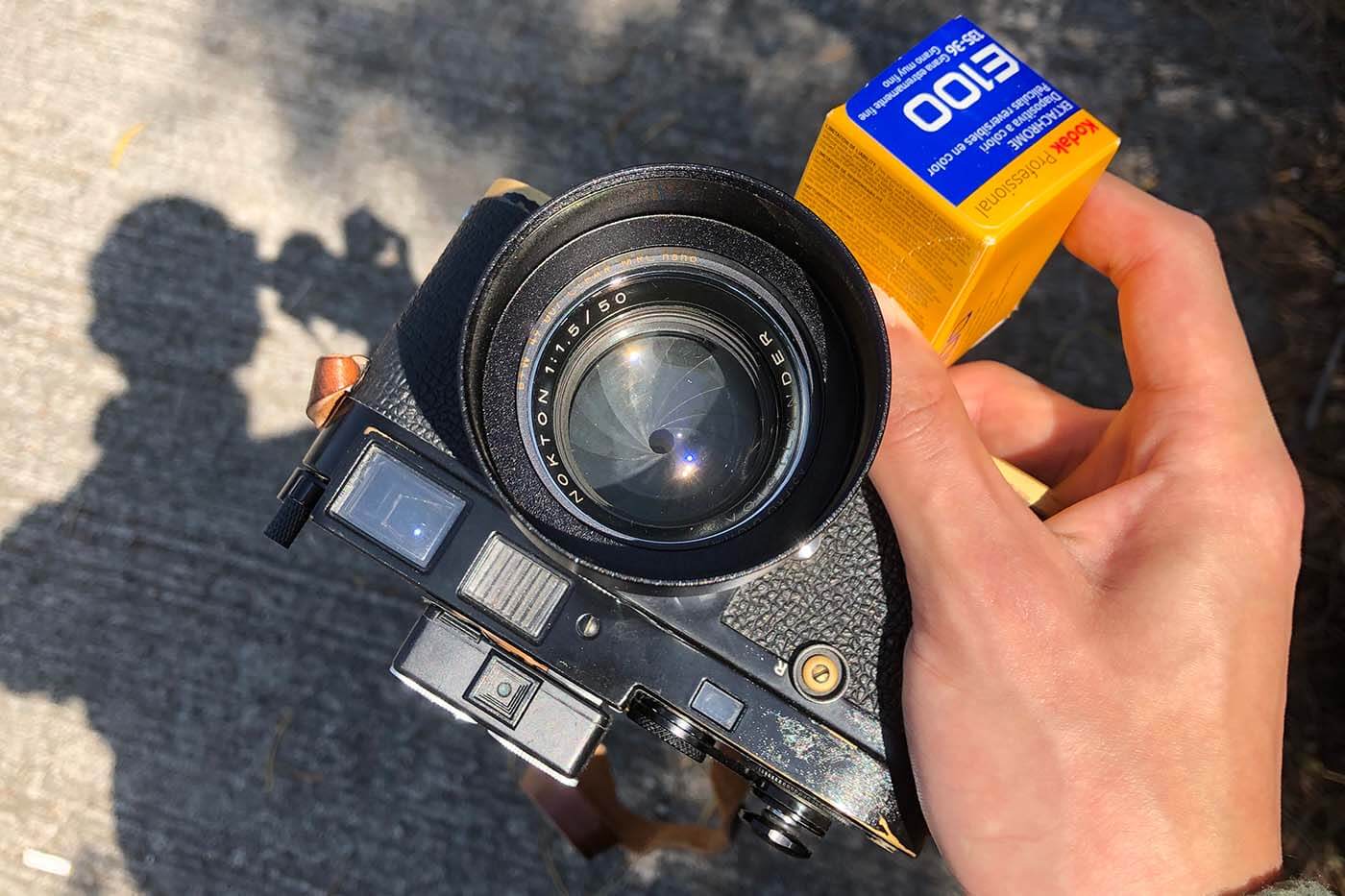
A prime lens, like a 50mm, works wonders for portraits. Wide-angle lenses are great for landscapes. The key is to choose a lens that complements your subject and emphasizes textures and contrasts.
Techniques to Capture Stunning Monochrome Images
Play with Contrast
High contrast can add drama, while softer contrast gives a dreamy feel. Experiment with both. Look for strong shadows or bright highlights—they’re your secret weapons in monochrome photography.
Using Filters for Effect
Red, yellow, and green filters aren’t just for old-school film cameras—they can be simulated in editing. They enhance contrast, darken skies, and make textures pop, giving your photos a professional touch.
Composition Tips
Composition matters more than ever. Focus on shapes, lines, and patterns. Use leading lines, symmetry, or the rule of thirds. Remember, without color to guide the eye, composition becomes your storytelling tool.
Editing Monochrome Photos
Software Recommendations
Adobe Lightroom and Photoshop are popular choices, but apps like Snapseed or VSCO work too. The goal is to refine your tonal range, contrast, and clarity without losing the natural feel.
Adjusting Tones and Contrast
Play with brightness, shadows, and highlights. Dodging and burning—lightening some areas, darkening others—can make a simple photo truly stand out. Subtlety is key; over-editing can make images feel artificial.
Common Mistakes to Avoid in Monochrome Photography
- Ignoring light: Without color, lighting mistakes become glaring.
- Over-editing: Excess contrast or grain can ruin the mood.
- Flat compositions: Without thoughtful framing, monochrome images may feel dull.
Practical Examples and Inspiration
Street photography in black and white captures raw human emotion. Landscapes in monochrome can feel epic or eerie. Even macro shots of flowers or objects can look stunning when stripped of color. Study iconic photographers like Ansel Adams or Henri Cartier-Bresson for inspiration—they mastered the art of monochrome.
Conclusion
Photography tip 86 encourages you to see the world differently. Monochrome isn’t just a style—it’s a mindset. By focusing on light, texture, and emotion, your photos gain depth, drama, and timelessness. So next time you pick up your camera, try photographing in monochrome—you might see beauty where color once distracted you.
FAQs
- Can I convert color photos to monochrome in editing? Absolutely! Shooting in color and converting later gives you more control over tones and contrast.
- Is monochrome photography only for portraits? Not at all. Landscapes, street scenes, architecture, and still life can all shine in black and white.
- Do I need a professional camera to shoot monochrome? No. Even smartphone cameras can produce stunning monochrome shots with proper lighting and composition.
- How do I make textures stand out in monochrome photos? Increase contrast slightly, use side lighting, and focus on patterns or surfaces to highlight textures.
- Should I always use high contrast in monochrome photography? Not necessarily. High contrast adds drama, but soft tones create a dreamy, emotional feel. Experiment to find your style.
Explore more expert photography tips and tutorials at cameratale.com to elevate your skills and capture breathtaking images every time.