
Introduction to Urban Night Photography
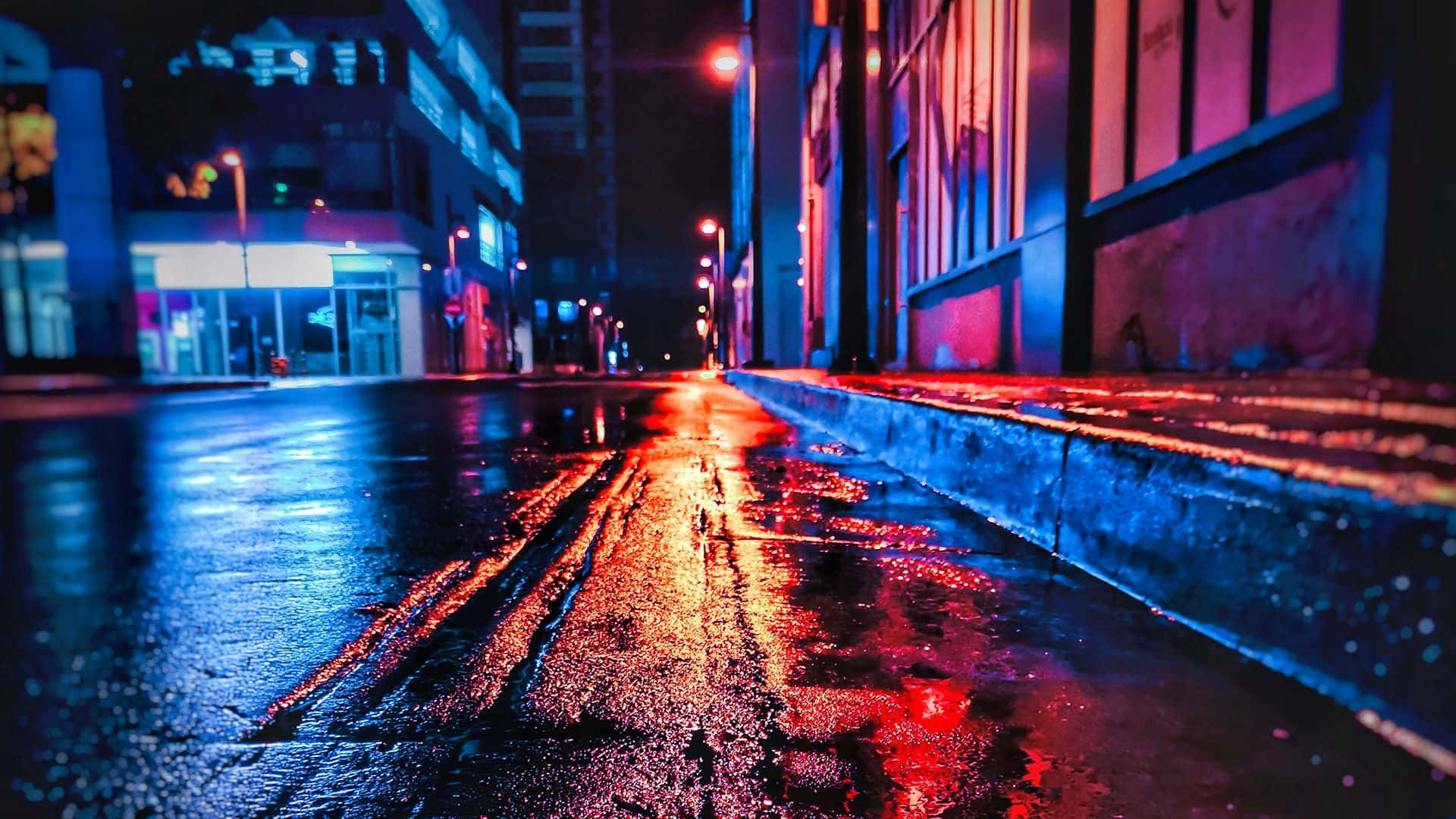
Welcome to photography tip 87! If you’ve ever walked through a city at night, you know how alive it feels. The neon lights, reflections on wet streets, glowing signs, and mysterious shadows create an atmosphere that feels straight out of a movie. Urban night photography is all about capturing that unique vibe—and trust me, it’s one of the most rewarding genres to explore.
Why Urban Photography at Night is Special
The Role of Artificial Light
During the day, sunlight rules the show. At night, however, artificial light takes the spotlight—literally. From flickering street lamps to dazzling billboards, these light sources give cities their character after dark.
Capturing the City’s Mood
Night transforms a bustling urban jungle into something magical. Skyscrapers glow like lanterns, and empty streets look cinematic. Your camera becomes a storyteller, painting the mood of the city through shadows and lights.
Essential Gear for Night Urban Photography
Choosing the Right Camera
You don’t need the most expensive gear, but a camera that handles low-light well is your best friend. A full-frame DSLR or mirrorless camera will give you cleaner images with less noise.
Lenses that Work Best
A fast prime lens (like 35mm f/1.8 or 50mm f/1.4) is perfect. Wide apertures let in more light, which means sharper and more vibrant shots even at night.
Must-Have Accessories
- A sturdy tripod (for long exposures)
- A remote shutter (to avoid camera shake)
- Extra batteries (night photography eats them fast)
Camera Settings for Night Urban Shots
Mastering Exposure
Getting exposure right at night can be tricky. Cities are full of bright and dark areas, so aim for balance. Avoid blowing out highlights from neon signs.
Shutter Speed and Motion
Want to freeze a moving car? Use a faster shutter speed. Want dreamy light trails? Go with longer exposures. Think of your shutter as the paintbrush—fast strokes or slow blends.
ISO Settings for Crisp Shots
Keep your ISO as low as possible to avoid noise, but don’t be afraid to push it when needed. Modern cameras handle ISO 1600 or even 3200 quite well.
Techniques to Elevate Your Night Photography
Playing with Reflections
Wet pavements, puddles, and glass windows are your secret weapons. They double the drama of your scene by reflecting city lights.
Using Leading Lines
Think of roads, bridges, and train tracks as arrows guiding the viewer’s eye. At night, these lines glow with the city’s energy.
Capturing Light Trails
Nothing screams urban night photography like streaks of car lights. Experiment with 10-30 second exposures for dynamic results.
Long Exposure for Dramatic Effects
Want silky smooth water or a ghostly effect of people walking? Long exposure transforms ordinary scenes into something magical.
Creative Composition Ideas
Framing with Shadows
Shadows aren’t just empty spaces; they’re frames that make light pop. Use dark areas to guide the eye toward your subject.
Including People for Storytelling
A lone figure under a streetlight can tell a thousand stories. People bring life and relatability to night shots.
Contrasts of Light and Dark
Cities at night thrive on contrast. Capture the glow of a neon sign against a pitch-black alleyway for a powerful composition.
Challenges in Urban Night Photography
Dealing with Noise
Noise can ruin a shot. Shooting in RAW and using noise reduction in post-processing helps a lot.
Avoiding Overexposure
Bright signs or headlights can blow out your photo. Check your histogram and adjust settings before shooting.
Staying Safe in Urban Areas
Don’t get so lost in your shots that you forget your surroundings. Stick to well-lit areas, especially if you’re out alone.
Post-Processing Night Urban Photos
Enhancing Colors
City lights already offer vibrant colors, but a little boost in saturation or vibrance can make your photos pop.
Reducing Noise in Editing
Use Lightroom or Photoshop’s noise reduction tools. The trick is balancing smoothness without losing detail.
Highlighting Light Sources
Bring attention to neon lights or lamp posts by selectively enhancing brightness. It adds depth and focus to your images.
Tips for Beginners Trying Night Urban Shots
- Start in a familiar location so you can focus on technique, not navigation.
- Experiment with different shutter speeds for light trails.
- Don’t stress about perfection—night photography thrives on creativity.
Conclusion
Urban photography at night isn’t just about pictures—it’s about experiences. With the right gear, settings, and creativity, you can turn ordinary city streets into breathtaking works of art. Next time the sun goes down, grab your camera and explore—you’ll be amazed at what you find.
FAQs
Q1: Do I need a tripod for night urban photography?
Yes, especially if you’re trying long exposures or light trails.
Q2: What’s the best lens for night city shots?
A fast prime lens like 35mm or 50mm with a wide aperture works wonders.
Q3: How do I reduce noise in night photos?
Use a lower ISO when possible, shoot in RAW, and clean it up in post-processing.
Q4: Is urban night photography safe?
It depends on the city. Stick to well-lit areas and be aware of your surroundings.
Q5: Can I do urban night photography with a smartphone?
Yes! Many smartphones have impressive night modes, though results improve with manual apps and a tripod.
Looking for practical and inspiring photography guides? Visit CameraTale.com for pro-level tips and step-by-step tutorials.
CameraTale.com brings you creative photography tips like this one, helping you master your camera and capture stunning shots.