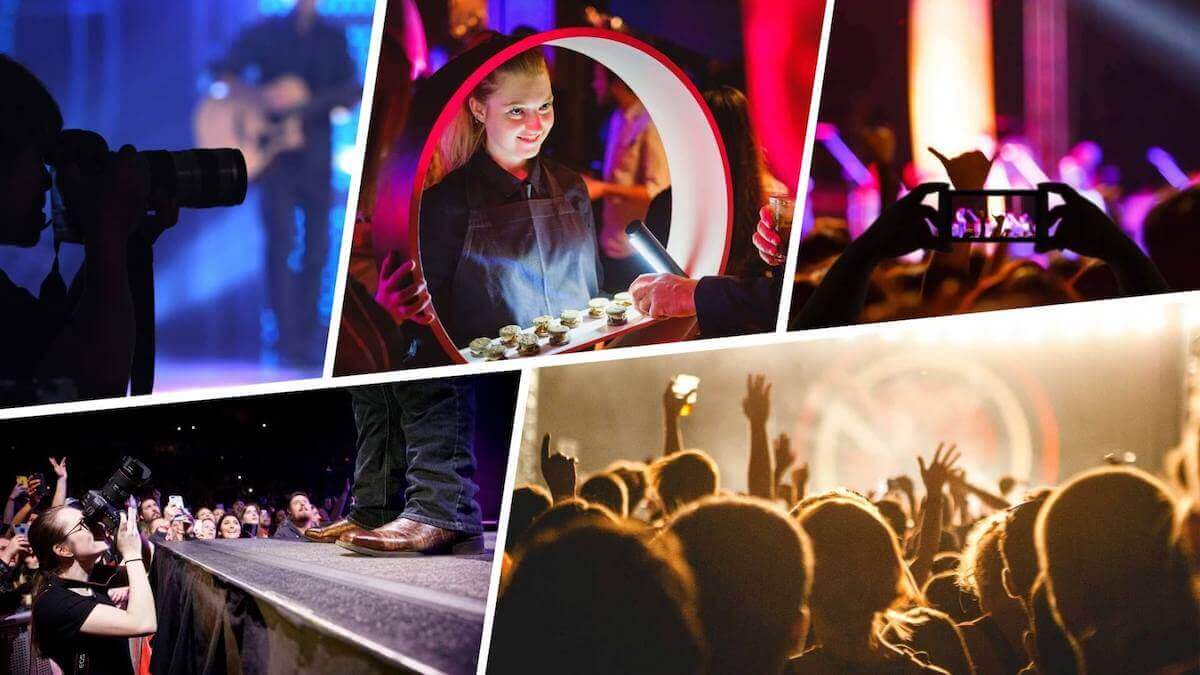

Event photography is equal parts anticipation, technical skill, and human connection. You’re not just clicking a shutter — you’re collecting memories people will revisit for years. Whether you’re shooting a wedding, a product launch, or a crowded festival, the goal is the same: make moments feel timeless. In this article I’ll walk you step-by-step through the mindset, gear, techniques, business smarts, and post-production workflow that make great event photographers. Think of this as your practical roadmap — part craft class, part survival guide. Ready? Let’s go.
Why Event Photography Matters
Event photography turns fleeting interactions into stories. A candid laugh, a handshake between partners, or the decisive moment when a performer hits a high note — these are the details that tell a larger story about the day. Businesses use event photos for marketing, couples hang them on walls, and attendees share them on social. That means your images must be true to the event’s tone and useful to the client. Event photography sits at the crossroads of documentary and portraiture: you document reality while composing portrait-quality frames.
Preparing for the Event
Good images start before the event begins. Preparation reduces stress and increases creative freedom on the day.
Research the Venue & Client Brief
Ask for a run-sheet and a short client brief. Visit the venue if you can — scouting lets you plan angles, find light sources, and anticipate problem areas (like tiny stages or reflective walls). If visiting isn’t possible, request photos or a floor plan. Know the client’s priorities: must-have shots, VIPs, branding elements, and the delivery timeline.
Create a Shot List and Timeline
A shot list is your safety net. Include: arrival shots, wide venue images, guest candids, key speakers, product close-ups, and the “money” images the client will expect. Match your shot list to the event’s timeline so you know when the critical moments happen. Keep the list flexible — great shots come from improvisation, too.
Gear and Technical Prep
You don’t need the most expensive equipment, but you must know what to bring and why.
Camera Bodies and Lenses
Bring two bodies if possible — one with a wide-to-standard zoom (24–70mm) and one with a fast telephoto (70–200mm). A fast prime (35mm or 50mm) is golden for low-light candids and atmospheric portraits. Use bodies with reliable autofocus and good high-ISO performance for shaky light.
Lighting & Accessories
On-camera flash, a small off-camera flash, and modifiers (diffusers, bounce cards) will save many shoots. A speedlight with TTL and manual control is versatile. Carry spare batteries, memory cards, a sturdy strap, and a small tripod or monopod for long ceremonies.
Flash techniques and modifiers
Bounce flash off ceilings or use a diffuser to soften harsh light. For portraits, gel your flash to match ambient color temperature. Learning to balance flash with ambient light is huge — it keeps images natural-looking rather than “flashy.”
Backup gear and batteries
Always bring backups: an extra camera, at least two spare batteries per body, and several formatted memory cards. Gear fails — be ready.
Composition and Storytelling
Crafting a narrative across hundreds or thousands of photos separates a good event photographer from a great one.
Candid vs Posed Shots
Candid shots reveal emotion and context. Posed shots, when done well, give polished, timeless portraits. Use candid images for authenticity and posed frames for clarity — both are essential. To get natural candids, blend in, use a longer lens, and anticipate moments.
Framing, Leading Lines, and Context
Compose with intent. Use foreground elements to create depth and leading lines to guide the eye. Show context — a bride’s dress is more meaningful when we also see the venue or guests reacting. Think in sequences: wide establishing shots → mid-range moments → tight detail shots.
Shooting Techniques for Different Events
Different events demand different strategies. Let’s break down three common types.
Weddings
Weddings are emotional and unpredictable. Covering a wedding means balancing family portraits, the ceremony flow, and candid storytelling. Create a timeline with the couple and allocate time for formal portraits. Use prime lenses for low-light ceremony shots and a zoom for changing perspectives during speeches and dances.
Corporate Events
Corporate clients want usable images for websites, PR, and social. Capture keynote speakers, branded signage, networking moments, and carefully lit headshots. Be mindful of logos and banners — ensure clear, in-frame branding when requested.
Concerts and Live Performances
Low light and fast movement make concert photography challenging but fun. Use fast lenses (f/1.8–f/2.8), raise ISO carefully, and focus on the performer’s face and hands. Capture the energy by timing shots for peaks in movement or crowd reaction.
Interacting with Subjects & Managing the Crowd
Building Rapport
Introduce yourself, be polite, and explain what you’ll do. A quick smile and light conversation can relax nervous subjects, producing more natural images. For VIPs, learn and use their names — it builds trust.
Directing without Ruining the Moment
Sometimes you need to ask someone to shift or to freeze a moment for a portrait. Do it succinctly and gently. When directing couples or speakers, use simple language: “Turn slightly toward the light,” or “Take a breath and look at each other.” Keep it natural — staged energy feels staged.
Post-Processing & Workflow
Shooting well is just half the job. A clear workflow gets images to clients fast and cleanly.
Culling, Triage, and Editing
Cull ruthlessly. Keep the strongest frames that tell the story. Use software (Lightroom, Capture One) to batch-adjust exposure and color, then fine-tune the hero images. Your goal: a consistent look that reflects the event mood and the client’s brand.
Delivering Final Images & Client Communication
Decide on turnaround times in the contract. Deliver a curated gallery and a secondary collection of full-resolution images if requested. Provide clear file naming and licensing information. Proactive communication — “I’ve uploaded a sneak-peek gallery” — keeps clients happy.
Pricing, Contracts, and Business Tips
Treat event photography as a service business, not a hobby.
Licensing and Usage Rights
Specify usage rights clearly: social media only, print and web, or exclusive rights. Licensing affects pricing. Include clauses for extra uses like advertising campaigns.
Upselling and Add-on Services
Sell albums, prints, second shooters, extended coverage, and highlight reels. Offer tiered packages so clients can choose what suits their needs and budget.
Common Mistakes to Avoid
Here are pitfalls to watch out for so you don’t lose work or reputation:
- Under-preparation: Not scouting or not charging for overtime.
- Poor backups: Not having duplicate cards or spare batteries.
- Ignoring client needs: Not asking about must-have shots.
- Over-editing: Filters or heavy retouching that changes mood.
- Not reading the room: Shooting formal portraits in the middle of a spontaneous moment can ruin it.
Developing Your Style and Growing as an Event Photographer
Style grows from consistent choices: lighting, color treatment, framing, and how you capture emotion.
Building a Portfolio
Curate a portfolio of varied events that highlights your strengths: emotion, lighting, or editorial frames. A tight, consistent portfolio wins clients — quality over quantity.
Getting Repeat Clients and Referrals
Deliver on time, communicate clearly, and add small delights: a fast turnaround teaser or a surprise print. Happy clients recommend you — word-of-mouth remains the most powerful marketing tool in event photography.
Conclusion
Event photography is challenging but deeply rewarding. It asks you to blend technical mastery with social finesse and storytelling instincts. Prepare thoroughly, hone your gear choices, practice composition, and keep your client’s needs front and center. When you capture that honest laugh, the proud tear, or the perfect handshake, you’re not just making a photo — you’re freezing a moment people will come back to again and again. Keep learning, stay flexible, and treat each event as a new story waiting to be told.
Frequently Asked Questions (FAQs)
- Q1: What gear do I absolutely need to start doing event photography?
- A1: Start with one reliable camera body with good low-light performance, a 24–70mm zoom, a 70–200mm or a fast 50mm prime, a speedlight, extra batteries, and several memory cards. Add a second body when you can for speed and redundancy.
- Q2: How do I handle low-light events without producing noisy images?
- A2: Use fast lenses (wider apertures), raise ISO responsibly on cameras with good noise handling, balance flash with ambient light, and shoot in RAW so you can recover exposure in post without excessive noise.
- Q3: What’s the best way to build an event photography portfolio quickly?
- A3: Shoot local events — friends’ weddings, community festivals, and corporate mixers — and curate your best 20–30 images. Show variety and a consistent editing style. Ask clients for permission to use their images in your portfolio.
- Q4: How should I price my event photography services?
- A4: Base prices on your experience, market, the event length, deliverables, and usage rights. Create tiered packages (basic, standard, premium) and include add-ons like albums or second shooters for upsells.
- Q5: How do I capture authentic candid moments without being intrusive?
- A5: Blend in, use a longer lens, anticipate interactions, and stay patient. The less flashy your approach, the more natural your subjects will behave. Learn to read body language and be ready when a moment peaks.