
Wedding days pass in a blink. As photographers, our job is to turn that blur into heirloom images that still move people decades later. This guide walks photographers through the practical and creative choices that create timeless wedding photography — from pre-shoot prep to final prints.
Why “Timeless” Matters in Wedding Photography
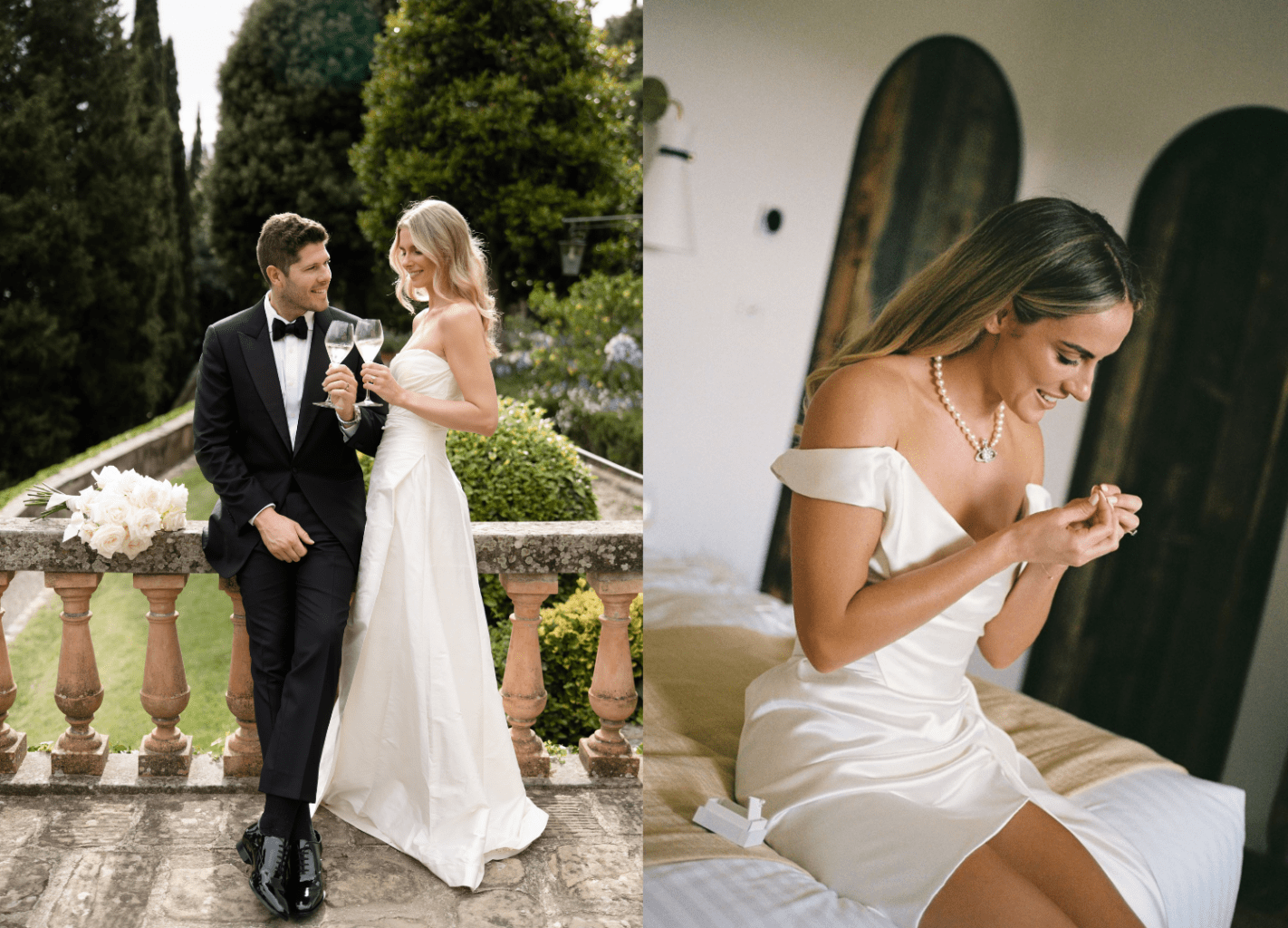
Timeless photos don’t scream a fashion trend — they read as honest, heartfelt, and elegant whether viewed next month or thirty years from now. Think of timeless photography like a classic suit: simple lines, flattering cut, high-quality fabric. It doesn’t demand attention, but everyone notices when it’s done well. For couples, this translates into heirloom images that remain meaningful across generations.
Understanding Your Couple: Story, Style, and Expectations
Before you press the shutter, invest time in the couple’s story. What matters to them? Do they want candid documentary moments, fashion-forward editorial portraits, or soft, romantic fine-art images? Tailoring your approach ensures the photos feel personal, not generic.
Pre-shoot interviews & questionnaires
A short questionnaire or a candid pre-wedding conversation reveals priorities: family dynamics, must-have shots, and personal style. These details let you shape your approach so the photos are authentic to the couple.
Branding your approach (documentary vs. editorial vs. fine art)
Choose your photographic vocabulary early. Documentary captures real life; editorial leans toward stylized direction; fine art favors composition and mood. A consistent approach creates cohesion in a gallery — and cohesion reads as timeless.
Foundational Camera Settings & Gear for Timeless Shots
Gear doesn’t make you a great photographer, but mastering it removes friction so you can focus on the moment.
Lenses that last: primes vs zooms
Primes (35mm, 50mm, 85mm) offer character and sharpness; they force you to move and compose deliberately. Zooms provide flexibility when timelines are tight. A classic kit: 35mm for environmental and group shots, 50mm for versatile portraits, 85mm for flattering close-ups.
Camera bodies, backups, and memory strategy
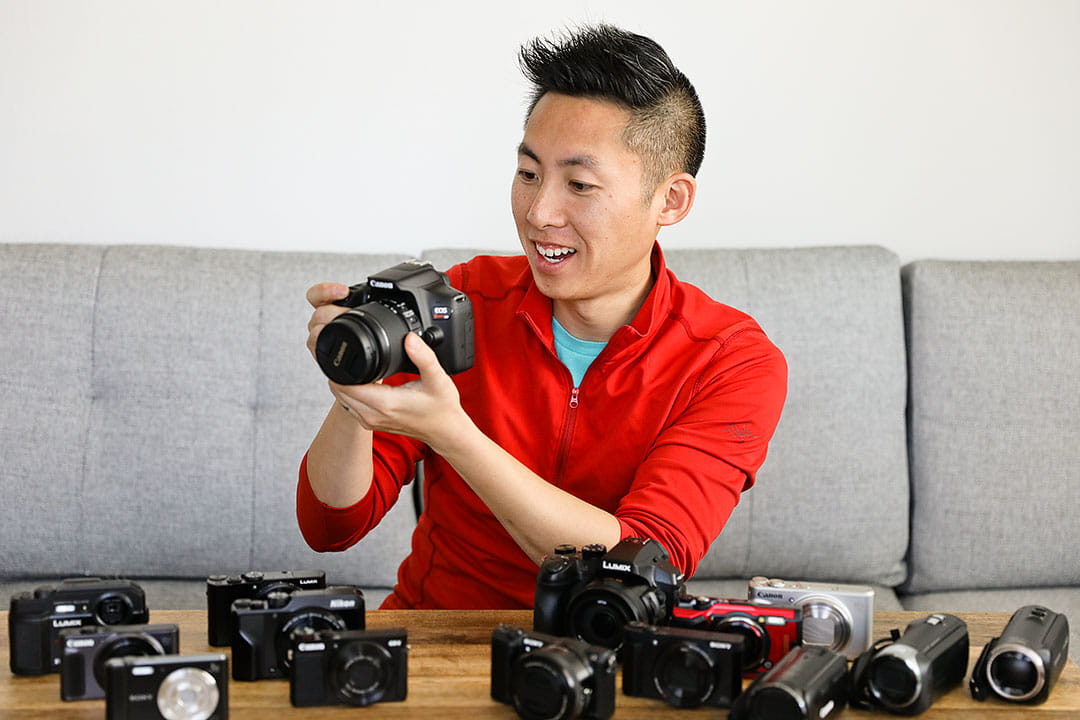
Use cameras you trust under pressure. Always pack backups — at least one extra body, spare batteries, and multiple memory cards. Redundancy should be routine: shoot to two cards if possible and back up right after the event.
File formats and redundancy best practices
Shoot RAW for maximum editing control. Have a disciplined workflow: ingest, duplicate, catalog, and store. Timeless images survive because their preservation was planned.
Mastering Natural Light & Artificial Light
Light is the language of photography. Master it and your images will speak clearly.
Golden hour, open shade, and window light
Golden hour is an obvious favorite, but open shade and window light flatter skin tones and render clean backgrounds. Scout locations early so you know where the light will fall throughout the day.
Using flash without ruining the mood
A subtle flash can mimic sun, fill shadows, and freeze motion. Use bounce techniques or a small diffuser to keep light soft. The key: make the flash invisible — it should support the image, not dominate it.
Composition & Posing: Classic, Comfortable, and Flattering
Composition is where art meets human biology. Use shape, line, and negative space to guide the eye.
Posing couples that look natural
People relax into micro-interactions: a whisper, a forehead touch, a small laugh. Encourage movement — ask them to walk slowly, whisper a joke, or breathe together. These small directions hide awkwardness and produce intimacy.
Group and family posing made simple
Start with relaxed groupings: stagger heights, keep hands visible, and vary seated and standing poses. Gentle direction and a quick shared joke often turn stiff portraits into warm, connected images.
Capturing Candid Moments: The Art of Being Invisible
Some of the most powerful images are unplanned. To capture them, be present and patient.
Anticipation, patience, and reading the room
Learn to anticipate emotional beats: a reaction to vows, a surprise speech, a moment of private laughter. Position yourself so you can see faces, not just backs. Blend into the event flow so people forget you’re there.
Storytelling Through Shot Lists & Timelines
A wedding is a narrative with acts — getting ready, ceremony, portraits, reception. A shot list ensures you don’t miss essential beats, while flexibility preserves spontaneity.
Shot list essentials vs. rigid checklists
Include essentials—first look, vows, ring exchange, cake cut—but keep the list as a guide, not a script. The magic happens when you allow moments to breathe.
Timeline planning for light, moments, and flow
Work with planners and couples to schedule portraits during the best light. A 10–15 minute golden-hour window yields dramatic results. Always build buffers into the schedule — weddings are beautifully unpredictable.
Post-Processing: Subtlety, Consistency, and Longevity
Editing is the final stylistic stamp you place on your images. Make choices that will age gracefully.
Color grading for timelessness
Favor neutral tones, controlled contrast, and modest saturation. Warm skin tones and natural greens tend to look classic. Avoid trendy color shifts that may feel dated later.
Retouching vs. preserving authenticity
Light retouching for skin and distraction removal is fine; avoid over-smoothing or erasing genuine features. Enhance memory — don’t fabricate it.
Deliverables: Albums, Prints, and Digital Collections
An image’s longevity depends on how it’s presented. Digital files are useful, but physical prints and albums keep photos alive across generations.
Why prints keep memories alive
Albums are tactile heirlooms. Recommend high-quality printed albums and archival labs to your couples. A single framed print in the home fosters daily connection to the wedding story.
Client Communication & Experience: From Inquiry to Delivery
The experience you create is part of the final product. Calm, clear communication reduces stress and improves photos.
Setting expectations and managing stress
Send clear timelines, packing lists, and what-to-expect guides. During the day, be decisive and gentle — your calmness spreads to the couple and helps create better moments.
Business Tips: Pricing, Contracts, and Copyright
Protect yourself and your clients. A solid contract clarifies deliverables, cancellation policies, and usage rights. Price for value, not hours; couples are buying memories, not time.
Avoiding Common Mistakes: Learn from the usual pitfalls
Don’t overpromise on turnaround times. Don’t under-communicate what’s included. And never skip backups. Small operational failures can undo otherwise excellent photography.
Case Studies — Simple Situations, Powerful Results
Imagine a rainy courtyard: frame a portrait under a shared umbrella, use puddles for reflections, and embrace the cinematic mood. Or a tight family dynamic: reposition relatives into a semi-circle, cue a shared joke, and capture candid laughter. Small decisions convert constraints into memorable images.
Conclusion
Timeless wedding photography is a blend of technique, empathy, and taste. Mastering light and gear matters — but listening, planning, and creating space for real life to unfold matters more. Combine disciplined technical habits (backups, RAW files, classic composition) with a human approach (gentle posing, attentive presence, honest editing) and you’ll deliver images that become heirlooms. Keep practicing, keep showing up, and choose authenticity over fleeting trends.
FAQs
Q1: What is the single most important skill for making wedding photos feel timeless?
A1: Learning to see and shape light. Whether natural or controlled, flattering directional light transforms ordinary moments into classic images that last.
Q2: Should I shoot RAW or JPEG for weddings?
A2: Shoot RAW. RAW preserves detail and dynamic range, giving maximum flexibility in post so the final images are high-quality for printing and archiving.
Q3: How can I make couples relax in front of the camera?
A3: Use small prompts, keep directions brief, and encourage movement. Humor and calm direction go a long way to create natural intimacy.
Q4: How many photos should I deliver for a typical wedding?
A4: Aim for quality over quantity. A common deliverable range is 400–800 images for a full-day wedding, depending on event length and client expectations. Define this in your contract.
Q5: What prints or products should I recommend to clients for longevity?
A5: Archival-quality albums, museum-grade framed prints, and metal or acrylic prints for feature images. Encourage at least one physical product — digital files alone are often left unused.
📸 Discover expert tips, guides, and inspiration on wedding photography and beyond at CameraTale.com — your go-to hub for mastering timeless photography.
✨ At CameraTale.com, we help photographers capture unforgettable moments with professional insights, creative techniques, and step-by-step guides.