

Photography is about more than just capturing a scene—it’s about telling a story. That’s why photography tip 62 focuses on one powerful trick: add a human element. Whether you’re shooting landscapes, street scenes, or even product photos, including people can instantly transform a flat image into something relatable, emotional, and unforgettable.
Why Adding a Human Element Matters in Photography
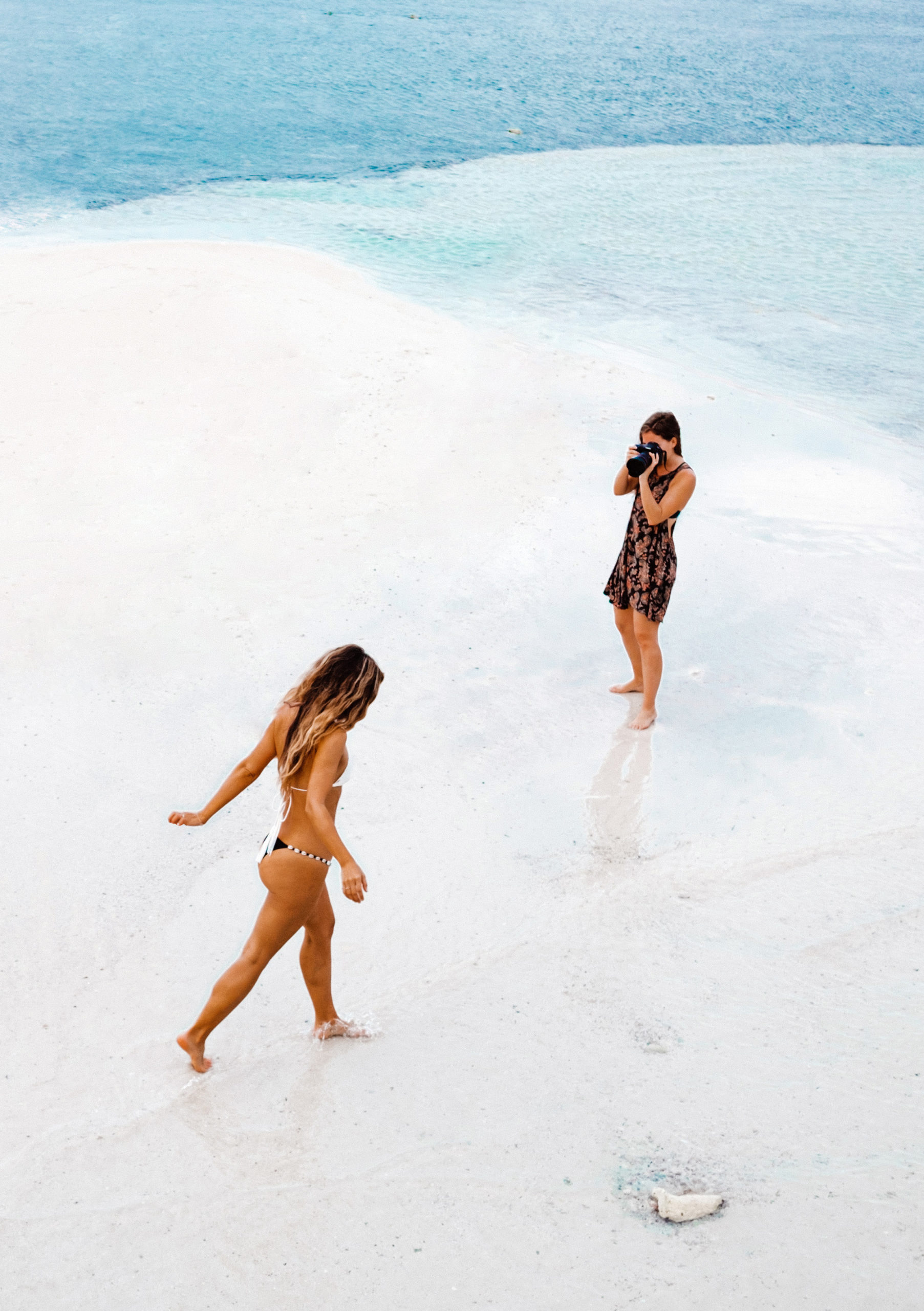
Have you ever looked at a stunning landscape photo but felt like something was missing? Adding a person can change everything. Suddenly, the shot isn’t just about mountains or a beach—it’s about adventure, scale, and human connection.
Creating Connection Through Storytelling
Humans naturally connect with other humans. When viewers see a person in a frame, they instantly imagine themselves in that moment. The story becomes personal, not just observational.
Evoking Emotions in Viewers
A smile, a gesture, or even a silhouette can stir emotions far stronger than an empty scene. Adding people turns photos into narratives that pull viewers in emotionally.
The Psychology Behind the Human Element
Photography isn’t just art—it’s psychology.
Why We Naturally Focus on People
Our brains are wired to notice people first. In a busy image, our eyes instinctively lock onto faces, hands, or figures. That’s why even the smallest human element draws attention.
How Faces Draw Attention in Photos
Faces are emotional magnets. A genuine laugh, thoughtful gaze, or even a shadow of a face can direct the entire mood of your photograph.
Ways to Add a Human Element to Your Shots
You don’t always need a full portrait. Subtlety works just as well.
Including Hands or Silhouettes
Sometimes just a hand holding a coffee cup or a silhouette against the sunset is enough to bring life into the frame.
Using Scale with People in Landscapes
A tiny figure standing on a mountain ridge instantly gives scale to vast landscapes, making the scene even more breathtaking.
Capturing Everyday Life Moments
From kids playing in the street to someone walking through rain with an umbrella—ordinary moments often create extraordinary photos.
Tips for Candid vs. Posed Human Elements
There’s a big difference between catching a natural moment and staging a shot.
Candid Photography for Authenticity
Candid shots are powerful because they feel real. Capturing someone lost in thought or laughing with friends adds raw emotion.
Posed Shots for Controlled Composition
On the flip side, posed shots give you control. You can position your subject perfectly in line with the light, background, and composition.
Creative Ideas to Incorporate People
Want to push your creativity? Try these:
Using Shadows or Reflections
A reflection in a puddle or a shadow on a wall can represent the human presence without showing the person directly.
Backlit Silhouettes for Drama
Placing a subject against a bright background creates a dramatic silhouette that adds mood and mystery.
Blurred Motion of People for Movement
Using slower shutter speeds to blur people walking adds a sense of life and energy to still backgrounds.
Technical Considerations When Adding People
It’s not just about including people—it’s about doing it right.
Depth of Field Choices
Use shallow depth of field to make your subject stand out or deep depth of field to keep both subject and background sharp.
Lighting for Human Subjects
Light can make or break the human element. Use natural light for softer, authentic looks, or experiment with side lighting for dramatic effects.
Composition and Rule of Thirds with People
Place your subject along the rule of thirds for balance, or use leading lines to draw attention toward them.
Common Mistakes to Avoid
Even with people in your shots, mistakes can creep in.
Making the Person Too Distracting
The person should add to the scene, not take over. Avoid bright clothing or poses that overshadow the main subject.
Overcrowding the Scene
Sometimes less is more. Too many people can clutter the image and dilute its emotional power.
Famous Examples of the Human Element in Photography
If you study photography masters, you’ll notice a recurring theme—humans.
Iconic Street Photography
Photographers like Henri Cartier-Bresson built entire careers around capturing candid human moments in urban life.
Landscape Shots with Tiny Human Figures
From National Geographic to travel blogs, epic landscapes often include a lone hiker or explorer to give perspective and drama.
How Adding People Improves Your Photography Skills
When you practice incorporating humans, you sharpen multiple skills—timing, framing, and storytelling. It forces you to think about narrative, not just technical perfection.
Conclusion
Photography isn’t just about what’s in front of the lens—it’s about the story you tell. Photography tip 62: add a human element reminds us that people breathe life into images. Whether it’s a subtle silhouette, a candid laugh, or someone walking through a vast landscape, the human touch transforms your photos into emotional, relatable, and unforgettable art.
FAQs
Q1: Do I always need a person in every shot?
No. Use people selectively to enhance storytelling, not just as fillers.
Q2: What if I don’t have a model?
Capture strangers, use self-portraits, or include subtle elements like hands, shadows, or silhouettes.
Q3: Should I ask permission before including strangers?
For candid street photography, laws vary by country. Ethically, it’s best to ask when possible.
Q4: Can adding people ruin a landscape shot?
Not if done thoughtfully. A small figure often enhances the scene by adding scale and relatability.
Q5: How do I balance focus between scenery and people?
Use composition techniques—like rule of thirds—or adjust depth of field to ensure harmony between both.
Explore more practical guides and expert photography tips at CameraTale.com, where creativity meets skill. Enhance your shots and grow as a photographer with every visit.