

Why Color Contrast is a Game-Changer in Photography
Color contrast isn’t just about making pictures look “pretty.” It’s about making them pop. Contrasting colors guide the viewer’s eye, emphasize the subject, and create visual tension that adds depth and drama. Without contrast, a photo can look flat and lifeless.
Understanding the Basics of Color Contrast
What is Color Contrast?
At its simplest, color contrast is the difference between two colors that makes them stand out from one another. Think of a bright yellow flower against a deep green background—that’s color contrast in action.
Warm vs. Cool Colors
Warm tones like red, orange, and yellow often feel energetic and bold, while cool tones like blue, green, and purple give off calm and soothing vibes. Pairing them creates balance and intrigue.
Complementary Colors on the Color Wheel
Complementary colors sit opposite each other on the color wheel—blue and orange, red and green, purple and yellow. These combinations naturally draw the eye and are favorites among photographers.
The Psychology of Colors in Photography
Emotional Impact of Colors
Colors influence mood. A red dress against a gray city backdrop can scream passion or rebellion. A calm blue sky paired with a golden field feels peaceful and inviting.
Storytelling with Contrasting Colors
Every picture tells a story. By intentionally using contrasting colors, you can reinforce your message—joy, chaos, mystery, or serenity.
Practical Ways to Use Color Contrast in Photography
Natural Scenes
Nature is full of contrasts—green leaves against red flowers, a blue sky meeting an orange sunset. Keeping an eye out for these natural palettes can help you capture stunning landscapes.
Street Photography
Bright neon lights against dark alleys or a colorful umbrella in a sea of black coats can make street photography truly dynamic.
Portrait Photography
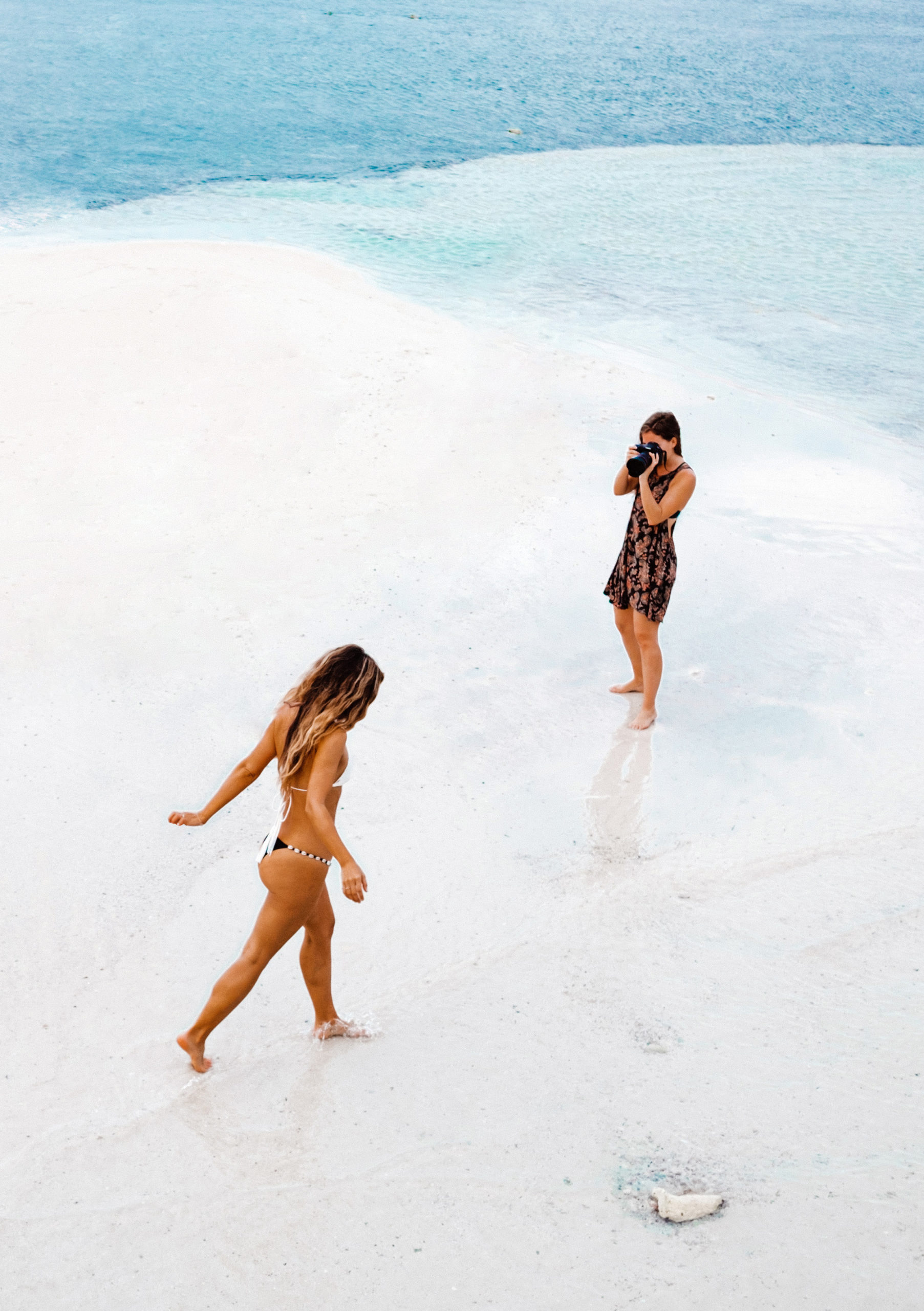
Wardrobe and background choices matter. Dress your subject in a bold color that contrasts with the background to make them stand out instantly.
Product Photography
Brands often rely on contrasting colors to make products eye-catching. A shiny red gadget on a white or black backdrop looks sleek and modern.
Color Contrast in Editing
Boosting Colors in Post-Processing
Editing software like Lightroom and Photoshop makes it easy to enhance color contrast. Adjusting saturation, vibrance, and HSL sliders can give your image that extra punch.
Avoiding Over-Saturation
The danger? Going too far. Oversaturated photos can look fake and distracting. The key is subtle enhancement—not turning your photo into a neon sign.
Common Mistakes Beginners Make
Overdoing the Contrast
Beginners often crank up color contrast too much. Instead of making photos pop, it makes them look harsh. Subtlety is your best friend.
Ignoring Lighting Conditions
Color contrast only works if lighting supports it. Poor lighting can mute even the boldest colors, so always pay attention to natural or artificial light.
Tips for Mastering Color Contrast
Start with the Color Wheel
Keep a color wheel handy—physically or digitally. It’s the simplest tool for figuring out which colors will contrast beautifully.
Use Minimalism to Your Advantage
Sometimes less is more. A single bold color against a plain background can create a jaw-dropping image.
Experiment with Black & White Contrast
Here’s a twist—color contrast isn’t only about colors. Playing with light and shadow (high contrast black-and-white shots) can be just as powerful.
Examples of Iconic Color Contrast in Photography
Famous Photographers Who Nailed It
Photographers like Steve McCurry (remember the “Afghan Girl” with her piercing green eyes against a red scarf?) have mastered color contrast to create unforgettable images.
Inspiring Color Contrast Shots
Think of a lone red balloon floating in a pale blue sky, or a yellow taxi in the grayscale streets of New York. These images stick with us because of their clever use of contrast.
Final Thoughts
Photography is painting with light—and colors are your palette. By applying photography tip 63 and playing with color contrast, you’ll give your photos a vibrant edge. Remember, it’s not about having the most colors, but about choosing the right ones.
So, next time you’re out shooting, ask yourself: Which colors can I use to make my subject come alive?
FAQs
Q1: What is the best color combination for photography contrast?
A: Complementary pairs like blue-orange, red-green, and yellow-purple usually give the most striking results.
Q2: How can I use color contrast in portrait photography?
A: Choose wardrobe colors that stand out against the background for a more impactful portrait.
Q3: Can editing tools help with color contrast?
A: Absolutely. Lightroom and Photoshop let you fine-tune color contrast with vibrance, saturation, and selective adjustments.
Q4: Is color contrast only important in color photography?
A: No! Even black-and-white images use tonal contrast between light and dark to create impact.
Q5: How do I avoid overdoing color contrast?
A: Keep it natural. Subtle adjustments often look more professional than extreme edits.
Looking for more practical photography hacks? Visit CameraTale.com for expert tips, guides, and inspiration to level up your shots.
Want to master every photography tip from #1 to #100? Check out CameraTale.com—your ultimate photography guide.