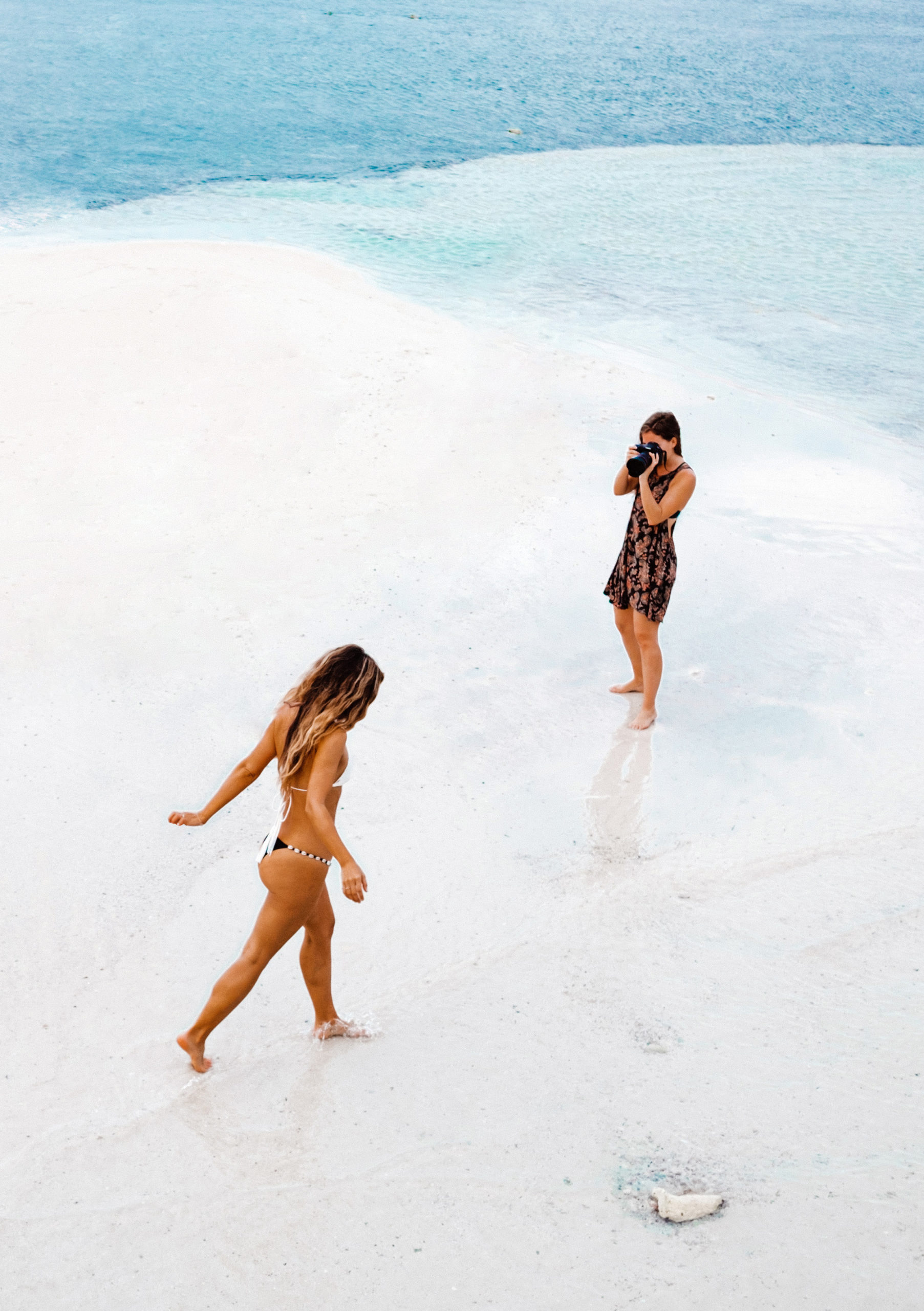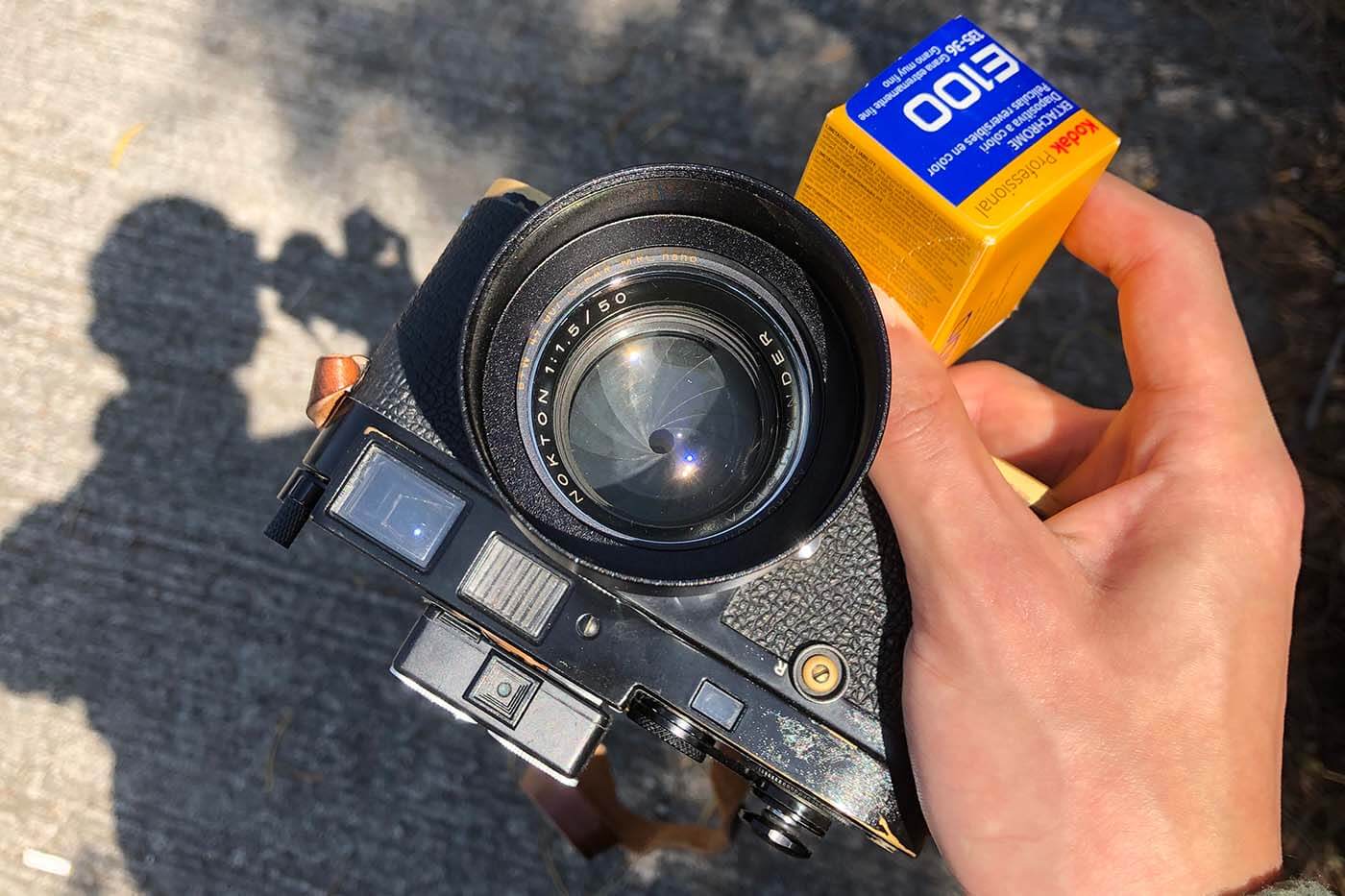


Fine art photography isn’t just about capturing what the eye sees—it’s about what the heart feels. Imagine looking at a photo and instantly feeling joy, nostalgia, or even a tinge of sadness. That’s the power of emotion in photography. In this article, we’ll explore how emotions shape fine art photography and give you practical tips to create visuals that truly resonate.
Introduction: Why Emotion Matters in Photography
Have you ever paused at a photograph that made your chest tighten or your eyes well up? That’s not accidental. Emotions are the secret sauce that transforms ordinary images into unforgettable art. Fine art photography thrives on this connection between the image and the viewer’s feelings. If you want your photography to leave a lasting impact, understanding emotion is key.
Understanding Fine Art Photography
What Sets Fine Art Photography Apart
Fine art photography differs from commercial or documentary photography in one critical way: intention. Each shot is crafted to convey an idea, a feeling, or a story. The photographer isn’t just documenting reality—they’re expressing it.
The Intersection of Art and Photography
Photography became an art form the moment emotions and creativity were prioritized over mere representation. By blending artistic principles with photographic technique, fine art photographers create pieces that evoke profound emotional responses.
The Psychology of Emotion in Visual Art
How Emotions Influence Perception
Our brains are wired to respond to visuals emotionally. A soft, warm glow can invoke comfort, while stark shadows might evoke tension. Understanding how your audience perceives images is essential for creating photographs that truly touch hearts.
Emotional Triggers in Photography
Elements like facial expressions, gestures, setting, and even weather can trigger emotions. A rainy street, a smiling child, or a solitary figure in a vast landscape can all evoke powerful responses, depending on how they’re captured.
Capturing Emotion Through Composition
The Role of Lighting in Evoking Feelings
Light can make or break the emotional tone of a photo. Soft, diffused light often feels intimate and warm, while harsh, high-contrast light can create drama and tension. Experimenting with natural and artificial lighting is crucial in fine art photography.
Framing and Perspective
How you position your subject matters. Low angles might make them appear powerful; high angles can convey vulnerability. Perspective guides the viewer’s emotional response.
Leading Lines and Focus Points
Use lines to draw the viewer’s eye to the emotion-rich areas of your photo. A path leading to a lone figure or a doorway framing a subject can subtly influence emotional perception.
The Rule of Thirds and Emotional Balance
Placing subjects off-center using the rule of thirds often creates tension, interest, and balance. These visual cues help viewers emotionally connect with the image.
Color, Tone, and Mood
Warm vs Cool Colors
Warm tones like reds and yellows evoke energy and passion. Cool tones like blues and greens can create calm, melancholy, or introspection. Choosing colors with intention enhances emotional impact.
Contrast and Emotional Impact
High contrast can evoke drama and intensity, while low contrast might feel soft and intimate. Balancing tonal contrast according to the emotion you want to convey is key.
Storytelling: The Heart of Emotional Photography
Conveying Narrative Through a Single Frame
Every photo tells a story. Fine art photographers often suggest stories rather than spell them out, allowing viewers to fill in the blanks and engage emotionally.
The Power of Human Expression
A fleeting smile, a furrowed brow, or a subtle gesture can communicate more than words ever could. Human expression is one of the most potent tools in emotional photography.
Techniques to Enhance Emotional Depth
Minimalism and Emotional Clarity
Sometimes less is more. Removing distractions and focusing on the essential elements can intensify emotional impact. Minimalist compositions often feel cleaner and more poignant.
Abstract Elements in Fine Art Photography
Abstraction can evoke curiosity and contemplation. Using shapes, shadows, or patterns can stir emotion without relying on literal subjects.
Post-Processing: Enhancing Emotion Without Overdoing It
Color Grading and Mood Enhancement
Editing isn’t just for aesthetics—it’s a tool to reinforce emotion. Adjusting color tones, highlights, and shadows can subtly amplify the feeling in your photo.
Subtle Retouching for Emotional Focus
Avoid over-editing. Sometimes a slight vignette, soft focus, or selective sharpening on key elements can direct emotional attention effectively.
Famous Examples of Emotional Fine Art Photography
Iconic Photographers and Their Emotional Signature
Photographers like Dorothea Lange, Henri Cartier-Bresson, and Sally Mann mastered emotion in photography. Studying their work can teach valuable lessons in composition, storytelling, and human connection.
Practical Tips for Photographers
Observing Emotion in Real Life
Carry a camera everywhere. Observe people, places, and moments that stir feelings. Your photography will reflect the depth of your own emotional awareness.
Experimenting with Techniques and Styles
Don’t be afraid to try different lenses, lighting setups, or post-processing styles. Each experiment enhances your ability to convey emotion effectively.
Conclusion: Making Your Photography Resonate
Fine art photography is a journey of connecting hearts, not just capturing images. By understanding emotion, composition, color, and storytelling, you can create visuals that linger in memory long after they’re seen. Remember: the best photos aren’t just viewed—they’re felt.
FAQs
1. What is the main difference between fine art photography and regular photography?
Fine art photography focuses on emotion, storytelling, and artistic expression, while regular photography may prioritize documentation or commercial purposes.
2. How can I evoke emotion through lighting?
Use soft, warm lighting for intimacy and calm, or harsh, dramatic lighting for intensity and tension. Lighting sets the emotional tone of your images.
3. Can color alone affect the emotional impact of a photo?
Absolutely. Warm tones can evoke passion or happiness, cool tones can create calm or sadness. Color choice is a powerful emotional tool.
4. Should I always include people to capture emotion in photography?
Not necessarily. Landscapes, objects, or abstract elements can evoke emotion if composed thoughtfully. People enhance relatability but aren’t mandatory.
5. How important is post-processing in emotional photography?
Subtle editing enhances mood and directs focus, but overdoing it can detract from authenticity. Less is often more.
-
Discover expert guides and tips on fine art photography, lighting, and composition at CameraTale.com.
-
Learn how to capture emotion and create visuals that truly resonate with your audience.