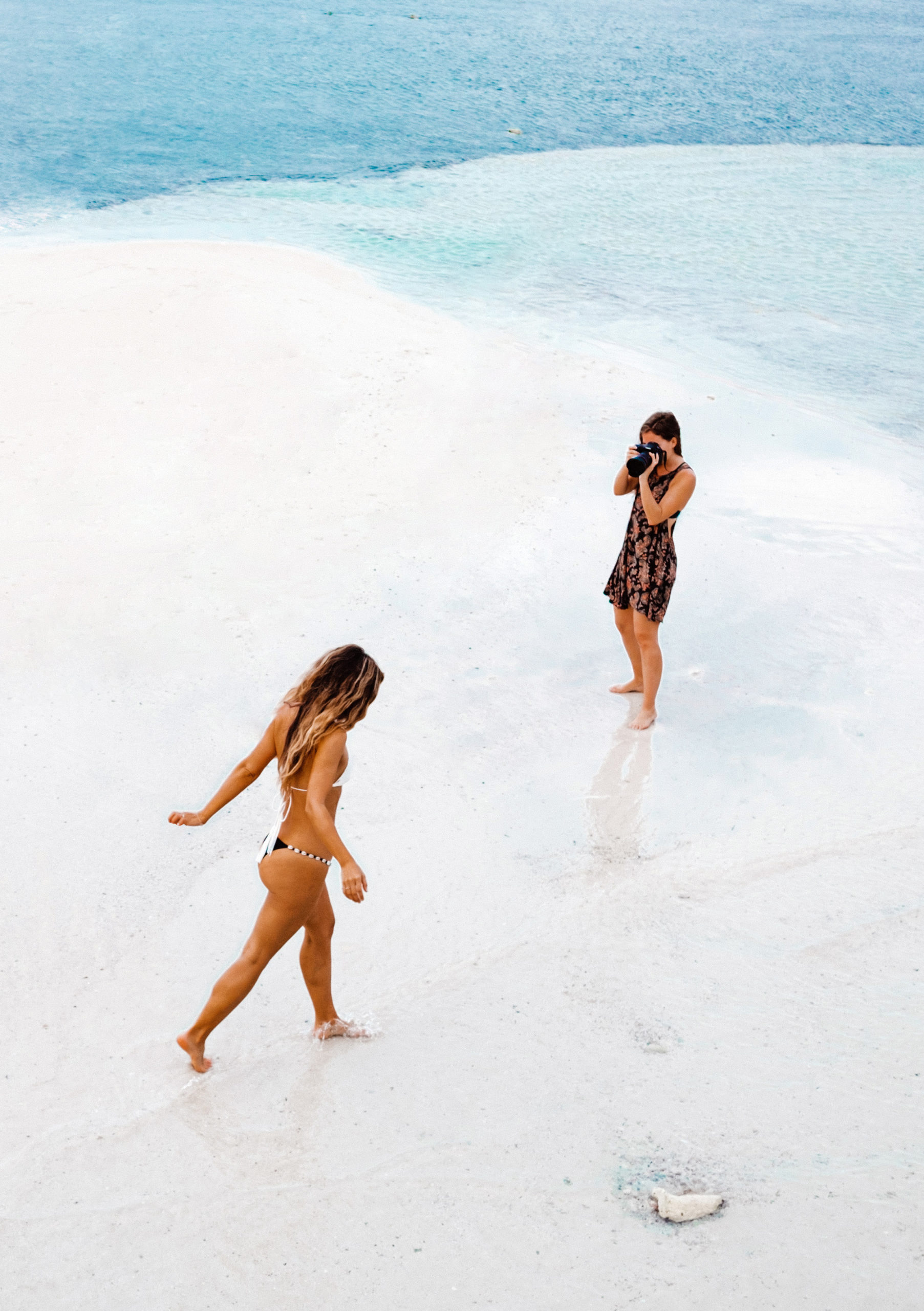


Fine art photography is more than snapping pictures—it’s creating visual poetry. Whether you’re capturing the quiet elegance of a sunset or the raw emotion of urban life, mastering fine art photography lets you transform ordinary scenes into extraordinary experiences. Let’s dive into practical tips and creative strategies to help you capture timeless images that resonate.
Introduction to Fine Art Photography
Fine art photography is all about turning your vision into an image that communicates emotion, ideas, or stories. Unlike traditional photography, which often focuses on documentation, fine art pushes boundaries, encourages experimentation, and evokes feelings. But how do you start creating images that truly stand out?
What Makes Photography “Fine Art”?
At its core, fine art photography emphasizes the photographer’s creativity and personal interpretation. It’s not just about sharp focus or perfect exposure; it’s about your unique perspective. Think of it like painting with light—every shot tells a story and reflects your artistic vision.
The Importance of Creativity and Vision
A great fine art photographer sees beyond the lens. Creativity involves experimenting with angles, lighting, and subject matter. Vision is about knowing what message or emotion you want to convey. Ask yourself: “What do I want viewers to feel when they see this image?”
Understanding the Fundamentals
Before breaking the rules, it’s essential to master the basics. Fine art photography relies heavily on strong fundamentals like composition, lighting, and visual balance. Let’s break these down.
Composition Techniques for Fine Art
Composition is the backbone of every compelling photograph. A well-composed image guides the viewer’s eye and emphasizes your subject effectively.
Rule of Thirds
The rule of thirds is a simple yet powerful tool. Imagine dividing your frame into nine equal parts. Placing key elements along these lines or intersections creates balance and visual interest.
Leading Lines and Framing
Use natural lines—like roads, fences, or rivers—to lead viewers into the scene. Framing with objects such as windows or trees can also add depth and focus to your image.
Lighting Mastery in Fine Art Photography
Lighting can make or break your shot. Understanding how light interacts with your subject allows you to create mood, dimension, and drama.
Natural vs Artificial Lighting
Natural light is soft, warm, and dynamic, making it ideal for portraits and landscapes. Artificial light, like strobes or LED panels, offers control and consistency, perfect for studio setups.
Playing with Shadows and Highlights
Shadows aren’t your enemy—they’re tools. They add depth, contrast, and mystery. Experiment with the interplay of shadows and highlights to emphasize textures and shapes.
Choosing the Right Equipment
While creativity is key, the right tools make your life easier. Your choice of camera, lens, and accessories impacts your ability to capture your vision.
Cameras and Lenses That Elevate Your Art
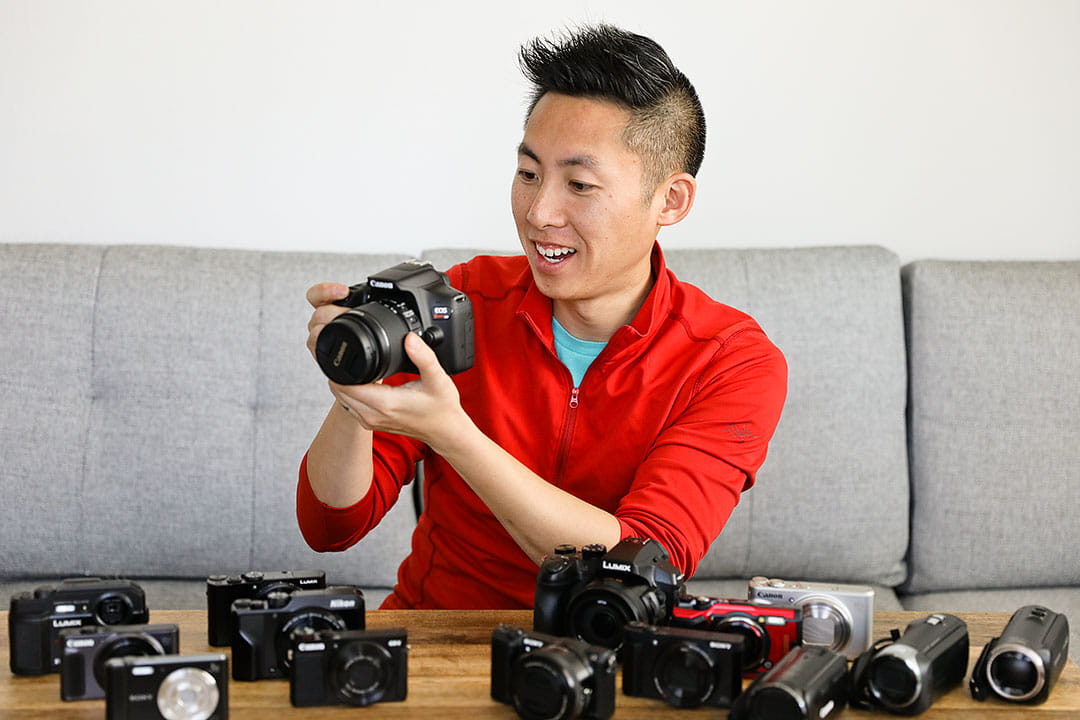
DSLRs and mirrorless cameras are excellent choices, providing flexibility and high image quality. Prime lenses (like 35mm or 50mm) are perfect for sharp, intimate shots, while wide-angle lenses capture expansive scenes.
Tripods, Filters, and Accessories
A sturdy tripod ensures crisp images, especially in low light. Filters—like ND or polarizers—enhance colors and reduce glare, giving your photos that professional finish.
Developing Your Unique Style
Every photographer has a signature style. Developing yours takes time, experimentation, and reflection. Think about what emotions, colors, and subjects consistently attract your eye.
Experimenting with Perspectives
Don’t settle for eye-level shots. Shoot from above, below, or through objects. Unusual perspectives instantly elevate your images and make them memorable.
Color Palettes and Mood
Colors convey emotions—warm tones feel inviting, while cool tones evoke calm. Decide on a color palette for your portfolio to create cohesive, visually striking work.
Post-Processing Techniques
Editing is where your vision truly comes to life. Fine art photography often involves subtle adjustments that enhance mood without compromising authenticity.
Editing for Artistic Impact
Play with contrast, saturation, and clarity to highlight your subject. But remember, less is often more—overediting can dilute the emotional impact of your photo.
Software Tools Every Photographer Should Know
Adobe Lightroom and Photoshop are industry standards, but alternatives like Capture One or Affinity Photo are excellent too. Learn shortcuts and techniques that speed up your workflow.
Fine Art Photography Projects and Portfolios
Building projects or series is crucial. It helps convey your style and attracts audiences who connect with your work.
Creating a Signature Collection
Focus on a theme or subject that resonates with you. Whether it’s urban landscapes, abstract compositions, or human emotions, consistency builds a recognizable brand.
Showcasing Your Work Online and Offline
Share your portfolio on websites, social media, or galleries. High-quality prints can also leave a lasting impression—sometimes a tactile experience is more memorable than pixels on a screen.
Common Mistakes to Avoid
Even seasoned photographers make errors. Recognizing common pitfalls saves time and elevates your artistry.
Overediting and Losing Authenticity
Heavy-handed edits can erase the emotion and realism in your photos. Always maintain the integrity of your subject.
Ignoring Composition Basics
Skipping the fundamentals leads to disjointed images. Composition sets the foundation for artistic expression—never neglect it.
Conclusion
Mastering fine art photography requires patience, experimentation, and a genuine love for storytelling through images. By focusing on composition, lighting, equipment, and post-processing, you can create timeless images that captivate audiences. Remember, your perspective is your greatest asset—embrace it and let your vision shine.
FAQs
Q1: What is the difference between fine art photography and regular photography?
A: Fine art photography emphasizes personal expression, emotion, and artistic vision, while regular photography often focuses on documentation or commercial purposes.
Q2: Do I need expensive equipment for fine art photography?
A: Not necessarily. Creativity and technique matter more than gear, though quality lenses and cameras help capture your vision effectively.
Q3: How do I develop my unique style in photography?
A: Experiment with subjects, lighting, colors, and perspectives. Review your work regularly to identify patterns and themes that define your style.
Q4: Can I do fine art photography on a smartphone?
A: Absolutely! Modern smartphones have excellent cameras. Focus on composition, lighting, and post-processing to create stunning images.
Q5: How important is post-processing in fine art photography?
A: Post-processing enhances mood, color, and depth, but should not overshadow authenticity. Subtle edits often make the biggest impact.
-
Capture stunning shots and master your photography skills at cameratale.com.
-
Discover tips, tutorials, and inspiration for every photography enthusiast.