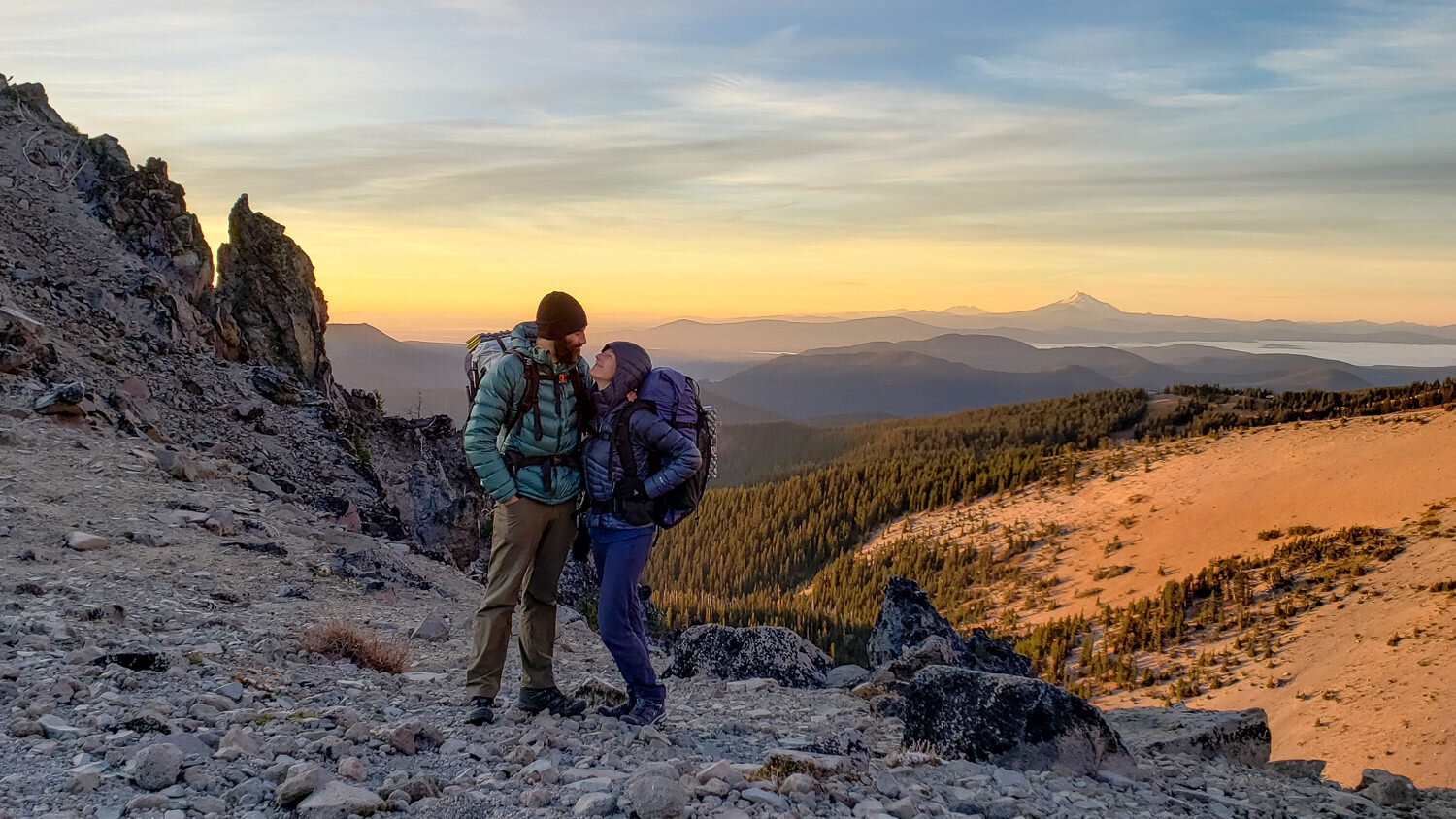

Why Personal Photography Matters
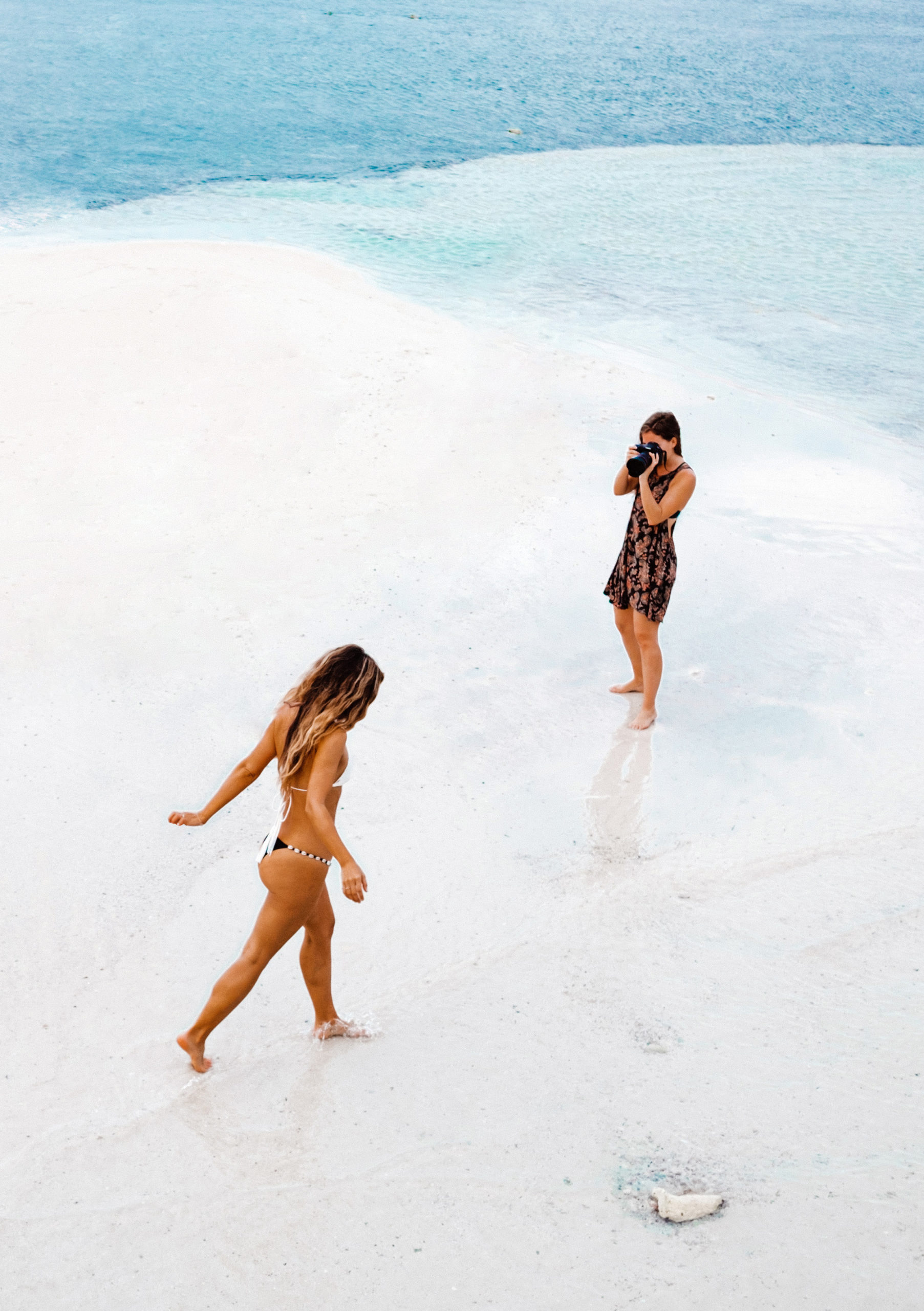
Personal photography isn’t just about pretty pictures — it’s a visual fingerprint. When you shoot from your perspective, you’re doing more than documenting: you’re communicating a mood, a curiosity, a way of seeing. That’s why Personal Photography matters to both hobbyists and pros. It helps you stand out, grow an audience that connects with you, and—most importantly—keeps your work honest and joyful. Ask yourself: what little detail makes you stop and stare? That curiosity is the engine of personal work.
Developing Your Vision
Your vision is the story you keep returning to. You don’t discover it all at once; you nudge it into being through repetition, experimentation, and paying attention.
Finding Your Visual Voice
Think of your visual voice like your handwriting. It evolves. Start by curating what you love—images from magazines, Instagram, books. Notice patterns: do you love skin close-ups, wide landscapes, neon-lit streets? Keep a swipe file. Over time your “favorites” will reveal a directional bias: that’s your raw voice.
Mood, Story & Intention
Every photo benefits from intention. Are you trying to evoke nostalgia? Humor? Stillness? Decide before (or while) you shoot. Mood is conveyed through light, color, and subject choice. Story is the glue—three frames of a moment can tell a complete micro-narrative. When you choose intention deliberately, your images stop being random and become part of a coherent body of work.
Gear & Tools: What Really Matters
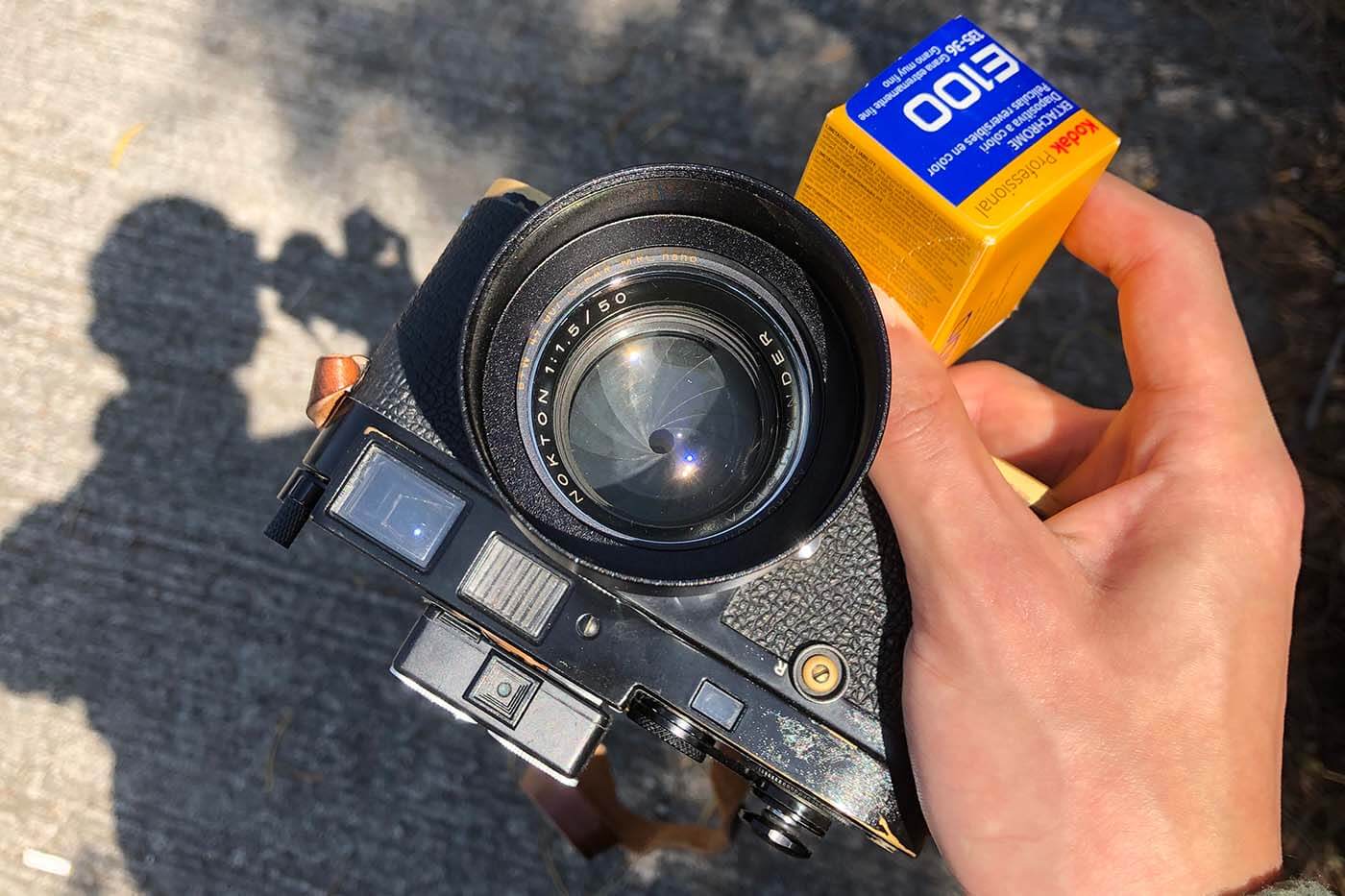
Gear is tempting. But remember: the best camera is the one you use. For Personal Photography, consistency of vision beats the fanciest body.
Choosing the Right Camera for You
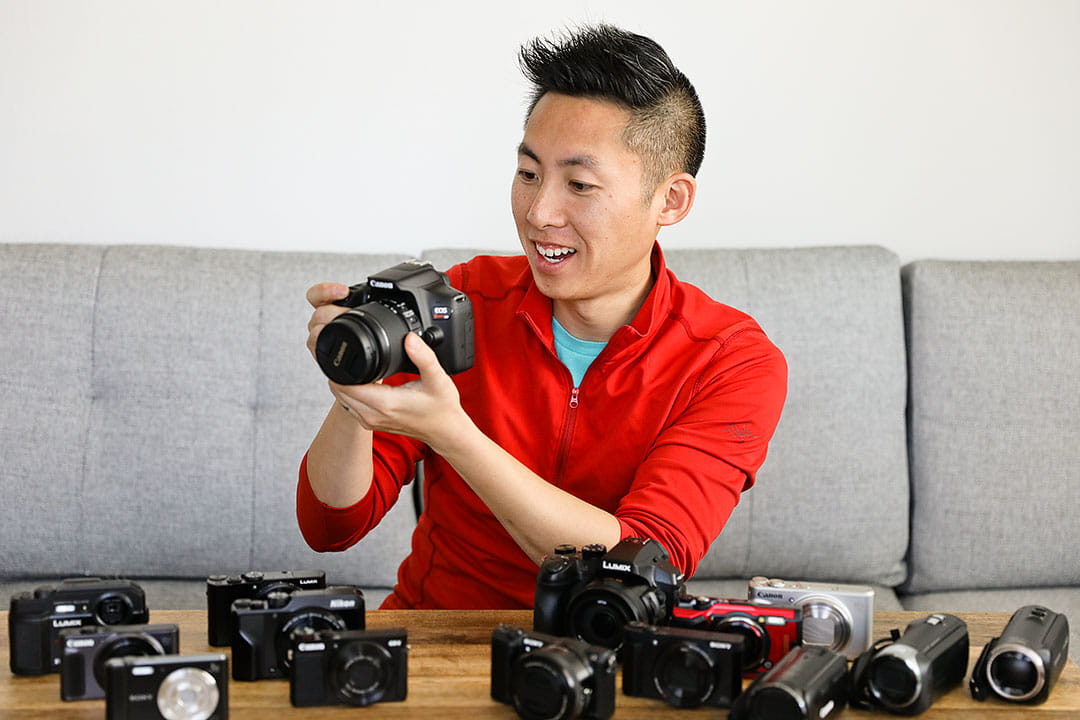
If you’re starting, your smartphone might be enough. As you level up, consider mirrorless bodies for compactness and modern features. Prioritize lenses (if you can swap) over bodies: a 35mm or 50mm prime is often more transformative than upgrading from one camera body to the next.
Lenses and Accessories that Amplify Style
Lenses shape the look: wide lenses for immersive stories, short telephotos for portraits with compressed backgrounds. Accessories—filters, a small tripod, and a reflector—can solve lighting problems fast. But the most affordable accessory? A notebook to jot down ideas after shoots.
Making a Phone Work Like a Camera
Phones are powerful. Shoot in RAW if possible, use manual exposure controls, lock focus, and explore third-party camera apps to control shutter speed and ISO. Learn to compose using your phone the same way you would with a camera: slow down, move your feet, and be picky about backgrounds.
Composition Fundamentals
Composition is grammar. Learn the rules, then bend them.
Rule of Thirds and Alternatives
Rule of Thirds is a reliable starting point: place subjects along thirds to create balance. But don’t get rigid—central composition, symmetry, and golden ratio all have moods. Try placing your subject dead center for immediacy or along a diagonal for dynamism.
Leading Lines, Framing & Negative Space
Leading lines guide the viewer’s eye. Frames within frames (doorways, windows) add depth. Negative space gives a subject room to breathe and emphasizes solitude or scale. These elements are storytelling tools; mix them to direct attention.
When to Break the Rules
Breaking rules is deliberate. If symmetry better serves your concept, use it. If cluttered backgrounds convey chaos, let them be messy. Know the rules well so your choices feel intentional rather than accidental.
Lighting: Your Key to Mood
Light is where the magic happens. It sculpts, it flatters, and it communicates time and emotion.
Natural vs Artificial Light
Natural light—soft window light, golden hour sun—often feels organic and human. Artificial light (strobes, LEDs) gives control and consistency. For personal projects, experiment with both: natural light for honesty, artificial for stylized statements.
Golden Hour & Blue Hour Tips
Golden hour casts warm tones and long shadows—perfect for intimacy and glow. Blue hour gives deep vales of color and mood—great for silhouettes and quiet scenes. Scout locations ahead and plan 30–45 minutes around these times for best results.
Color, Tone & Editing
Editing is where your personal style becomes recognizable. The same raw file can live in multiple worlds depending on color grading and tonal choices.
Developing a Consistent Editing Style
Pick your palette. Do you lean toward warm, film-like tones or cool, muted minimalism? Keep files for reference. Consistency doesn’t mean monotony—it means your images should look like they belong together.
Presets, LUTs & When to Use Them
Presets speed workflows and help maintain a look. Learn to tweak rather than blindly apply. Use LUTs for video-to-photo consistency if you’re producing multimedia work. Remember: presets are starting points, not final answers.
Shooting Techniques & Practice Habits
Skills improve with structure. Create exercises that force you out of autopilot.
Slow Down — The Power of Patience
You don’t always need more shots; you need better intention. Wait for the expression, the traffic light change, the stray dog to turn its head. Patient shooting often yields a single image that outperforms 100 rushed ones.
Experiment with Perspective & Motion
Get low, climb high, tilt, and pivot. Use slow shutter speeds for motion blur or intentional camera movement to create painterly results. Perspective shifts turn the ordinary into the extraordinary.
Working with People & Subjects
People bring unpredictability—and authenticity.
Directing Poses vs Candid Approaches
For portraits, give gentle direction: small adjustments to chin, shoulders, or gaze can change everything. For candid work, create comfortable spaces so subjects forget the camera exists. Sometimes the best portraits are the ones where someone looks away from the lens.
Ethics & Respect When Shooting Strangers
Always prioritize consent. If someone notices and objects, delete the shot if requested. For public scenes, be transparent if necessary—this builds trust and avoids conflict.
Building a Portfolio & Sharing Work
Your portfolio should be a curated story, not an exhaustive dump.
Choosing Platforms & Presentation
Instagram is discoverable; a website feels permanent and professional. Use galleries to group themes. When possible, display images at consistent sizes and with breathing space—presentation equals perceived quality.
Creating Thematic Series
A series tells a larger story. Rather than scattering images across genres, build small collections—five to twelve images—that together explore an idea. Series help editors, galleries, and clients understand your viewpoint quickly.
Common Mistakes to Avoid
- Chasing gear over skill.
- Over-editing until the photo is plastic.
- Inconsistent output that confuses your audience.
- Ignoring context: a technically perfect image can fall flat if it lacks emotional grounding.
Mindset: Creativity, Consistency & Growth
Creativity isn’t always lightning bolts. It’s a discipline. Schedule weekly shoots, even 20 minutes counts. Set mini-projects (one color, one object, one person) and keep showing up. Growth comes from small, repeated acts of making and reflecting.
Quick Actionable Exercises to Improve Today
- 30-Minute One-Subject Challenge: Pick one subject and shoot it for 30 minutes from different angles.
- Color-Only Walk: For 20 minutes, shoot only objects that match a chosen color.
- Limit Lockdown: Use one lens (or your phone), and force creativity with constraints.
These micro-practices train vision faster than random shooting binges.
Conclusion
Personal Photography is less about equipment and more about the choices you make each time you lift the camera. Your distinct perspective grows when you combine curiosity with discipline: study light, practice composition, craft a consistent edit, and—most importantly—shoot with intention. Over time those small, deliberate choices coalesce into a recognizable voice that’s entirely yours.
FAQs
Q1: How do I find my unique photography style?
A1: Start by curating images you love, practice themed projects, and refine an editing approach. Consistent choices reveal style.
Q2: Is a smartphone enough for serious personal photography?
A2: Absolutely. Phones today shoot RAW, handle dynamic ranges well, and are perfect for exploring ideas. Learn manual controls and composition.
Q3: How many images should be in a strong portfolio?
A3: Quality over quantity: 12–20 well-curated, thematically-consistent images are better than a large, unfocused gallery.
Q4: How often should I edit my photos the same way?
A4: Aim for consistency but allow evolution. Use a base preset and refine per image; update your look as your taste matures.
Q5: What’s one habit that improves photos fastest?
A5: Slowing down. Move your feet, wait for the decisive moment, and make intentional frames instead of spray-and-pray.
Master personal photography with tips to capture your unique perspective, develop style, and tell powerful visual stories.