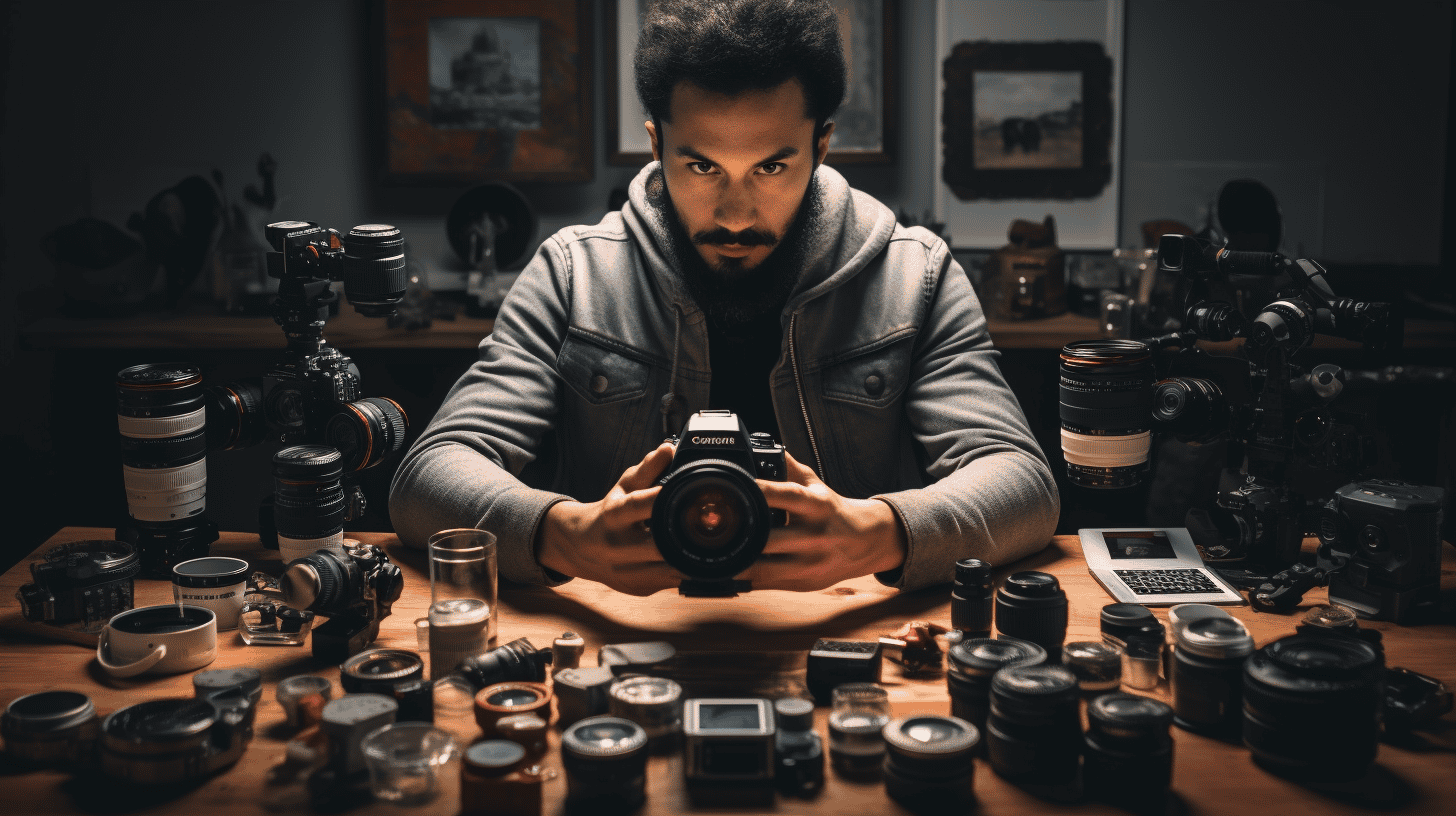

Written for photographers seeking practical, creative ways to improve — gear, technique, composition, light, workflow, and mindset.
Introduction — Why General Photography?
General Photography is the playground where curiosity meets craft. Whether you’re a hobbyist with a compact camera, a smartphone shooter, or a budding enthusiast with a mirrorless kit, general photography teaches you to see stories in everyday life. This article is written for photographers — the curious, the learning, and the restless — who want simple, practical, and creative ways to improve. We’ll cover gear, technique, composition, light, workflow, and mindset. Think of this as a friendly map: not the only map, but one that helps you find interesting roads and hidden viewpoints.
What is General Photography? (Definition & Scope)
General photography is an umbrella term for everyday photographic practice that isn’t limited to one specialist niche. It includes street scenes, portraits, landscapes, travel snapshots, lifestyle captures, and more. The idea is breadth: mastering flexible skills that serve many situations. Instead of being a specialist like a macro or fashion photographer, a general photographer is adaptable — a Swiss Army knife of visual storytelling.
Who is this article for? (Audience: Photography Enthusiasts)
If you pick up a camera to capture moments rather than operate a niche studio system, this article is for you. You might be learning composition, trying to shoot better vacations, or building a portfolio of varied work. The tips here assume basic familiarity with your camera; if you’ve never touched manual mode, you’ll still find accessible entry points.
The Heart of Photography: Seeing Before Shooting
Great photos start with seeing. Before you worry about settings or lenses, ask: what story am I trying to tell? Are you documenting a mood, freezing action, or making an abstract pattern sing? Seeing is training your brain to notice light, shape, contrast, and emotion — the raw materials photos are built from.
Developing a Photographer’s Eye
Practice deliberate looking. Spend five minutes observing a scene without your camera: note light direction, highlights, shadows, and repeating shapes. Try small exercises: shoot only silhouettes for an hour, or capture only reflections for a day. These constraints sharpen your eye and make composition intuitive.
Essential Gear for General Photography
You don’t need a mountain of kit. Good tools help, but the photographer matters more than the camera. Think “smart minimalism”: one reliable body, one versatile lens, and a couple of accessories.
Camera bodies: mirrorless vs DSLR (brief)
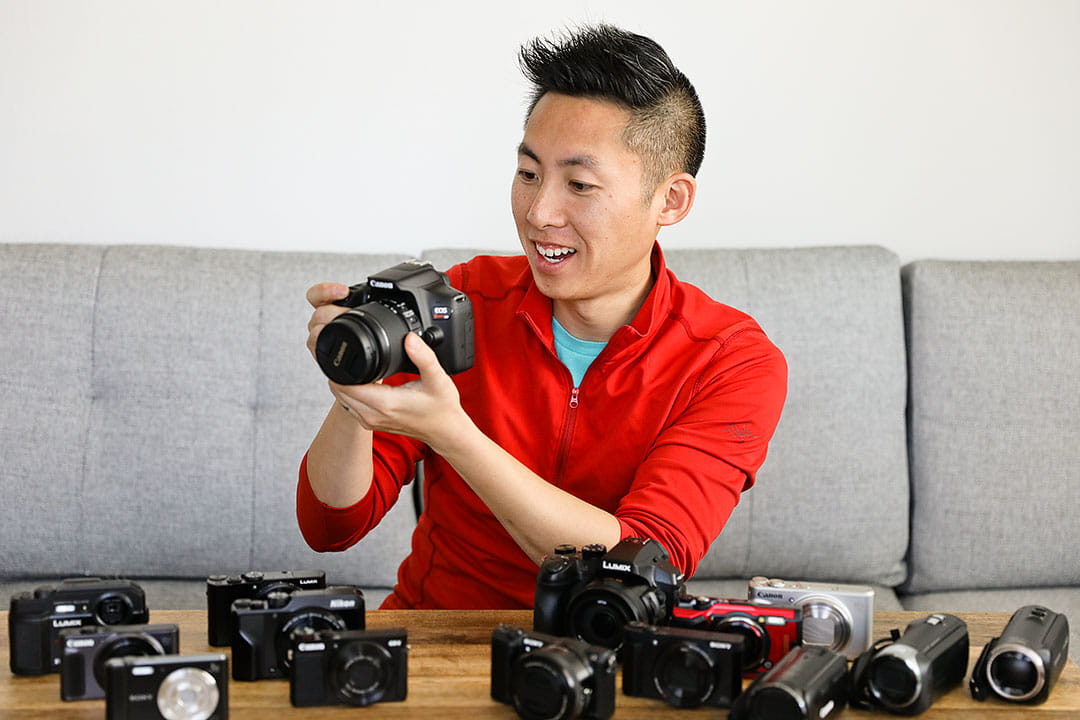
Mirrorless bodies are compact and excellent for live-view composition; DSLRs remain great for battery life and optical viewfinder clarity. Either will do. Pick a camera that feels comfortable in your hands and encourages you to shoot.
Lenses: prime vs zoom and focal-length basics
A 35mm or 50mm prime lens is an incredible teacher — it forces you to move, compose, and look for interesting perspectives. A 24–70mm or 24–105mm zoom is a flexible all-rounder for travel and everyday shooting. For portraits, 85mm (or equivalent) offers flattering compression.
Tripods, filters, and useful accessories
A compact tripod, a neutral density (ND) filter for long exposures, and a polarizer for cleaner skies are often worth the investment. A small toolkit of extras expands creative options with minimal added complexity.
Camera Settings Demystified
Technical control unlocks creative freedom. The three pillars — aperture, shutter speed, ISO — interact to create exposure and affect the look of your image.
Aperture, Shutter Speed, and ISO — the exposure triangle
Aperture controls depth of field: wide apertures (f/1.8–f/2.8) blur backgrounds; narrow apertures (f/8–f/16) keep more in focus. Shutter speed freezes or blurs motion — use fast speeds (1/500s+) for action and slower speeds (1/30s or less) for motion blur. ISO adjusts sensor sensitivity; higher ISO lets you shoot in darker conditions but may add noise. Learn to balance them like mixing paint colors: each change affects the others.
White balance, metering, and focus modes
White balance ensures colors feel natural under different lights. Metering modes (matrix, spot, center-weighted) help the camera decide exposure; experiment to know which suits your scenes. Autofocus modes (single, continuous, manual) let you track moving subjects or pin focus for portraits.
Composition Techniques That Work Every Time
Composition transforms a snapshot into a story. The fundamentals are simple but powerful.
Rule of thirds, leading lines, framing
The rule of thirds places important elements off-center to create dynamic balance. Leading lines guide the viewer’s eye. Framing — using doorways, trees, or windows — isolates subjects and adds depth. These techniques are tools, not rules; break them intentionally.
Balancing elements and negative space
Balance heavy, detailed subjects with calmer areas. Negative space (open sky, plain walls) can emphasize a small subject and create a mood of solitude or clarity. Think of your frame as a room to be furnished: don’t overcrowd it.
Light: Your Most Powerful Tool
Light defines mood, texture, and drama. Learn to read it like weather.
Natural vs artificial light
Natural light (sun, sky) offers a wide palette — soft overcast light is forgiving; directional sun creates contrast. Artificial light (flash, LED panels) gives control; mix it carefully to avoid unnatural color casts.
Golden hour, blue hour, and harsh light strategies
Golden hour (shortly after sunrise or before sunset) bathes scenes in warm light and long shadows — ideal for portraits and landscapes. Blue hour (twilight) gives a cool, cinematic feeling. In harsh midday sun, seek open shade, use a reflector, or embrace high-contrast, graphic compositions.
Lenses & Focal Length: Choosing the Right Glass
Lens choice shapes perspective and storytelling. Don’t be intimidated — learn the strengths of each focal length.
Wide-angle, standard, telephoto uses
Wide-angle lenses (14–35mm) exaggerate depth and are great for landscapes or interiors. Standard lenses (35–50mm) mimic human vision and are versatile. Telephoto (70mm+) compress distance and isolate details — ideal for candid portraits and distant subjects.
Specialty lenses: macro, portrait, and fisheye
Macro lenses reveal tiny worlds, portrait primes smooth backgrounds, and fisheye adds playful distortion. Keep specialty gear for when you want a specific look.
Shooting Workflow: Plan, Shoot, Review
A consistent workflow makes shooting efficient and creative. Plan loosely — a shot list helps but stay open to surprises.
Pre-shoot checklist
Battery charged, memory card empty, lens clean, exposure mode chosen, white balance roughly set. A 60-second checklist prevents avoidable errors.
Quick in-camera review tips
Check histogram for clipped highlights or shadows, zoom in to confirm focus, and bracket exposures in tricky light. These habits save time in post.
Post-Processing Basics (Ethical & Practical)
Editing is part of photography. The goal: enhance the image while staying true to the moment (unless you intentionally stylize).
Raw vs JPEG and basic editing steps
Shoot RAW for maximum latitude in exposure and color correction. Basic edits: crop and straighten, adjust exposure, recover highlights/shadows, correct white balance, and sharpen. Keep edits subtle for authenticity.
Color grading, sharpening, and exporting for web
Use color grading to set mood — warmer for nostalgia, cooler for calm. Sharpening should be done at the final output size. Export for web with appropriate size (short edge ~1200–1800px) and sRGB color space for consistent online color.
Genres Within General Photography (Where to Explore)
General photography is a buffet — taste different genres to build skills. Each teaches unique lessons.
Street, landscape, portrait, travel, everyday life
Street photography sharpens timing and storytelling. Landscapes teach composition and patience. Portraits focus on connection and flattering light. Travel combines all these skills. Try projects like “30 days of doors” to stay motivated.
Common Mistakes & How to Fix Them
You’ll make mistakes — good. Learn from them. Here are common ones and quick fixes.
Overcomplicating gear, ignoring light, bad composition
Fix it by simplifying: use one lens, study the light for 10 minutes, and apply one composition rule at a time. Review your images critically: what would you change next time?
Building a Portfolio and Sharing Your Work
A portfolio is storytelling condensed. Curate with intention.
Curating images and storytelling through series
Arrange images to lead the viewer through a narrative or theme. A cohesive series (color, subject, or mood) often reads stronger than a mixed bag of “best photos.”
Social sharing vs printed portfolios
Social platforms are great for reach; prints and a simple website communicate professionalism. Use both: post regularly, but keep a small, curated gallery for clients or exhibitions.
Growing as a Photographer (Practice & Projects)
Improvement is practice with purpose. Structured challenges, critique, and reflection matter.
Challenges, daily photo prompts, and critique groups
Join 52-week projects, local camera clubs, or online critique groups to get feedback. Set measurable goals: shoot one portrait a week or practice long exposures monthly.
Final Tips: Keep Creative Momentum Alive
Treat curiosity like a muscle — exercise it daily. Carry a camera, even your phone, and use constraints (single focal length, black-and-white only) to spark creativity. Celebrate small wins and revisit older work to see growth.
Two-line SEO suggestion for cameratale.com
cameratale.com — use it as your site’s short, memorable domain for camera-focused content and tutorials.
Add targeted landing pages like cameratale.com/general-photography and cameratale.com/tutorials to capture search intent and improve internal linking.
Conclusion
General Photography is less about gear and more about curiosity, practice, and seeing the world with intention. With a few fundamentals — light awareness, composition, and a reliable workflow — you can turn ordinary moments into compelling photos. Remember: the best camera is the one you use, and the best teacher is consistently trying and failing and trying again. So pick a project, set a constraint, and shoot. You’ll be surprised how quickly your eye sharpens.
FAQs
Q1: What camera should I start with for General Photography?
Start with what you can afford and carry. A smartphone with manual controls, an entry-level mirrorless, or a used DSLR will all teach you essential skills. Focus on learning composition and light first.
Q2: How often should I practice to see improvement?
Consistency beats intensity. Aim for short, daily practice (even 10–20 minutes). A 30-day focused challenge yields noticeable progress.
Q3: Should I shoot RAW or JPEG for everyday shooting?
RAW gives you more leeway for corrections and is recommended if you plan to edit. If storage or speed is a concern, shoot JPEG+RAW and delete RAWs you don’t need later.
Q4: How do I create a cohesive portfolio from varied general photography?
Choose a theme (color, subject, mood) and select images that support it. Limit the portfolio to your strongest 15–25 images to tell a concise story.
Q5: What’s the best way to learn composition quickly?
Limit yourself to one composition rule per shoot (like the rule of thirds or leading lines) and review results. Repetition trains your eye far faster than reading alone.
CameraTale.com is your go-to hub for photography tips, guides, and resources to improve your skills behind the lens.
Explore tutorials, gear insights, and creative inspiration to take your general photography to the next level.
Thank you — and happy shooting!