
Introduction — Why General Photography Matters
If photography were a language, general photography would be the grammar — the set of rules that lets you say anything with pictures. Whether you shoot landscapes, portraits, street scenes, or product shots, the core techniques overlap. Master those and you’ll be able to make intentional, attractive images in almost any situation. This guide walks you step-by-step through gear, exposure, composition, lighting, focus, editing, and practical exercises — all written in plain English with real-world tips you can use on your next shoot. Ready? Let’s make light dance.
Why General Photography Should Be Your Foundation
Before diving into gear or flashy techniques, ask yourself: do you want to create consistently memorable photos? General photography gives you transferable skills — from reading light to choosing the right lens — that work across genres. Think of it like building a toolbox: every new problem you face becomes easier because you have the right tools and know how to use them.
Gear Basics
Camera Types: DSLR, Mirrorless & Smartphones
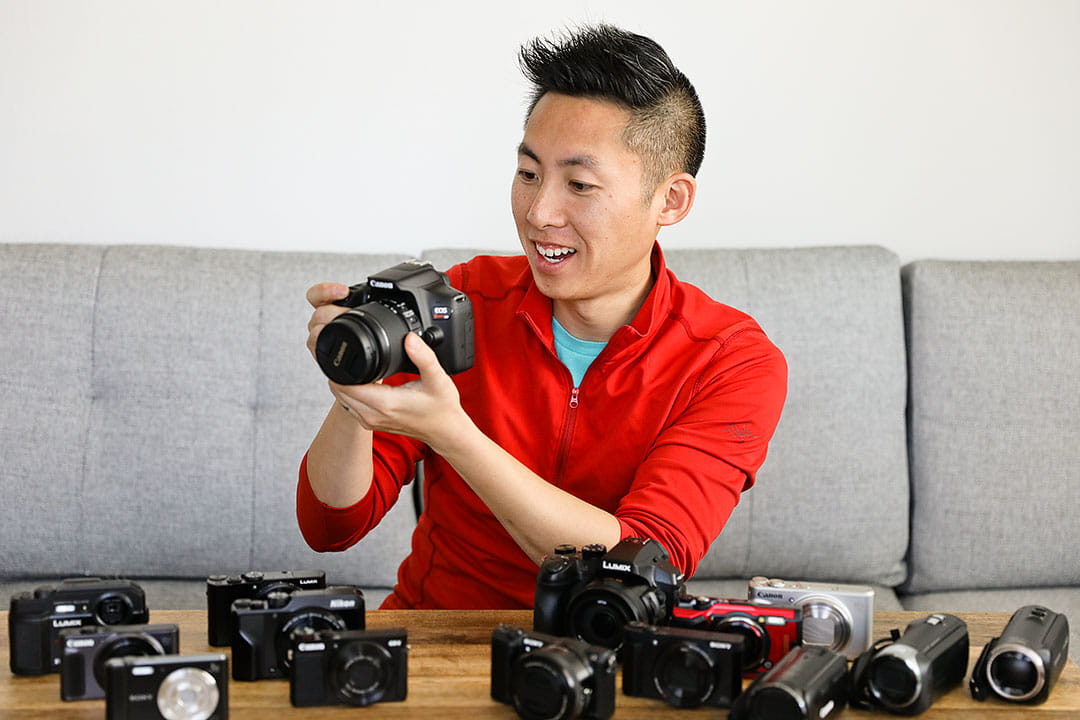
You don’t need the fanciest camera to take great photos. DSLRs and mirrorless cameras offer interchangeable lenses and manual controls — great for learning. Mirrorless bodies tend to be lighter and offer live exposure previews; DSLRs have great battery life and optical viewfinders. Smartphones are powerful too: modern phones have multiple lenses, excellent computational photography, and are fantastic for quick learning and practice.
Essential Lenses & Accessories
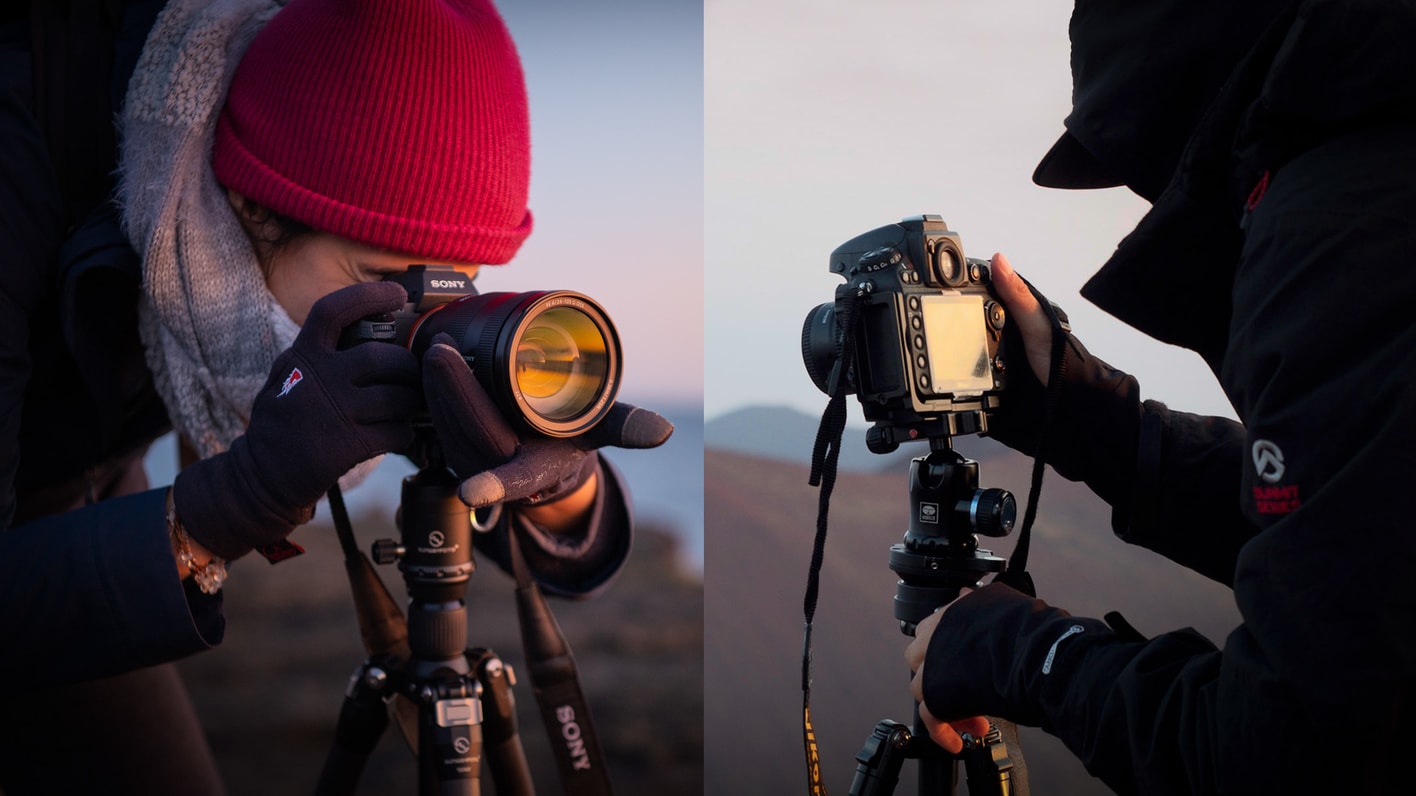
A basic kit: a versatile zoom (e.g., 24–70mm equivalent) and a fast prime (e.g., 50mm f/1.8) will cover most needs. Add a wide-angle for landscapes and a telephoto for wildlife or candid street shots. Don’t forget a sturdy tripod, a circular polarizer, a ND filter for long exposures, spare batteries, and a microfiber cloth. Accessories often make the difference between a so-so and a jaw-dropping shot.
Understanding the Exposure Triangle
At the center of general photography is the exposure triangle: aperture, shutter speed, and ISO. They’re three sides of the same coin — change one and you’ll probably need to tweak the others.
Aperture: Depth of Field & Light
Aperture (f-number) controls how much light hits the sensor and how much of the scene is in focus. Wide apertures (small f-number, like f/1.8) create shallow depth of field, ideal for portraits with creamy backgrounds. Narrow apertures (large f-number, like f/16) increase depth of field, which landscapes often need.
Shutter Speed: Motion & Sharpness
Shutter speed determines how long the sensor is exposed. Fast speeds (1/500s) freeze action; slow speeds (1/2s) blur motion and can create beautiful sense of movement — waterfalls become silk. Tip: use 1/focal_length as a guideline for handheld sharpness (e.g., 1/50s for a 50mm lens).
ISO: Sensitivity & Noise
ISO boosts the sensor’s sensitivity. Lower ISO = cleaner images; higher ISO = more noise. Modern cameras handle high ISO much better than years ago, but keep it as low as possible for the situation.
Practical Exposure Examples
- Sunny day:
f/8, 1/200s, ISO 100(start here and adjust). - Portrait (shallow DOF):
f/2.8, 1/250s, ISO 100–200. - Low light candid:
f/1.8, 1/125s, ISO 800–3200depending on camera.
Composition Techniques
Composition is where taste meets technique. It’s how you arrange elements to tell a story.
Rule of Thirds & Golden Ratio
Place key elements on the thirds-grid intersections. It’s a quick way to make images feel balanced and natural.
Leading Lines, Framing & Negative Space
Use roads, rails, or beams to lead the eye into the frame. Frame subjects using doorways or branches to add depth. Negative space (open areas) amplifies subject importance — it’s the silence around the note that makes the music stand out.
Perspective & Angles
Try low or high angles — perspective transforms ordinary moments into cinematic scenes. Get closer; sometimes the best image is the one you didn’t predict.
Lighting Fundamentals
Light is the heart and mood of photography. Learn to read it.
Natural vs Artificial Light
Natural light (sun) changes throughout the day; learn its moods. Artificial light (speedlights, strobes, LEDs) gives control and repeatability. Combining both is powerful but requires thinking about color and direction.
Golden Hour & Blue Hour Tips
Golden hour (shortly after sunrise or before sunset) bathes scenes in warm, soft light — flattering for almost everything. Blue hour (twilight) is cool and dramatic for cityscapes.
Using Reflectors, Diffusers & Flash
A simple reflector can fill shadows beautifully. Diffusers soften harsh light from midday sun. Learn to bounce flash off ceilings or walls for natural-looking light; on-camera direct flash is harsh unless softened.
Focus and Depth of Field
Autofocus Modes & Techniques
Single AF (AF-S) locks focus for stationary subjects; continuous AF (AF-C) tracks moving ones. Use back-button focus to separate focusing from the shutter release — it’s a game-changer for control.
Mastering Depth of Field
Want a blurred background? Use wide aperture and increase subject-to-background distance. Want everything sharp? Use small aperture and focus a third into the scene (hyperfocal focusing for landscapes).
Color, White Balance & File Formats
RAW vs JPEG
Shoot RAW if you plan to edit; RAW preserves far more tonal and color information. JPEG is fine for fast sharing but limits your ability to recover highlights/shadows.
White Balance Essentials
Auto white balance is often fine, but in mixed lighting or creative situations set WB manually (or fix it in RAW later). White balance sets the emotional tone — warm for cozy, cool for moody.
Shooting Modes & Settings
Aperture Priority, Shutter Priority, Manual
Aperture priority (A/Av) is great for depth-of-field control. Shutter priority (S/Tv) is best for motion control. Manual mode puts you in full control — great for consistent lighting, e.g., in studio work.
Exposure Compensation
Don’t be afraid to dial +/− exposure compensation when the camera’s meter gets fooled by very bright or dark scenes.
Post-Processing Best Practices
Editing is part of the craft, not cheating. A respectful edit amplifies your vision without erasing reality.
Basic Editing Workflow
- Cull: delete bad frames.
- Global adjustments: exposure, contrast, white balance.
- Local adjustments: dodge, burn, selective sharpening.
- Export in appropriate size and format.
Ethical Editing & Preserving Detail
Avoid overcooking colors, oversharpening, or heavy skin retouching that removes identity. Preserve highlights and shadows where possible — clipped pixels can’t be recovered.
Practical Tips & Troubleshooting
Common Beginner Mistakes
- Over-reliance on zoom without moving.
- Always using auto modes and never learning the triangle.
- Shooting at too-high ISO when a tripod would solve it.
How to Practice Efficiently
Do short, focused exercises: 30 minutes shooting only at f/1.8, or try a “50 shots, one lens” mission. Review your images critically — what worked and why?
Genres & Developing Your Style
General photography skills apply across genres. Try a rotation: one week portraits, next landscapes, then street. Over time, patterns in your preferences reveal your style. Don’t copy — remix ideas until your voice shines.
Gear Maintenance & Workflow
Keep lenses clean, update firmware, and use a reliable backup strategy: local drive + cloud. Name files consistently (YYYYMMDD_project_subject) to locate shoots fast. A tidy workflow saves creative time.
Advanced Techniques to Explore
Once comfortable, try HDR for extreme dynamic ranges, long exposures for silky water, or focus stacking for ultra-sharp macro images. Learn one advanced technique deeply rather than skimming many superficially.
Conclusion
General photography is less about owning the most expensive camera and more about seeing deliberately, practicing diligently, and learning to control light. Start with the exposure triangle, practice composition, learn to read light, and edit with care. Treat every shoot like a small experiment — the results add up fast. Keep shooting, stay curious, and have fun with the process.
FAQs
- Q1: Do I need an expensive camera to get good at general photography?
- Not at all. Skill beats gear early on. Learn exposure, composition, and light with whatever you have — even a smartphone. Upgrade only when your needs outgrow your equipment.
- Q2: Should I shoot RAW or JPEG for learning?
- Shoot RAW while you learn — it gives you more flexibility in correcting mistakes and understanding how exposure and white balance affect the final image.
- Q3: How can I improve composition quickly?
- Practice the rule of thirds, use leading lines, and change your vantage point. Take multiple frames while moving slightly to find the best perspective.
- Q4: What’s the easiest way to learn manual mode?
- Start in aperture priority to learn depth of field, then try shutter priority for motion. Finally, switch to manual in stable lighting and use the camera’s meter as a guide.
- Q5: How often should I clean my gear and backup files?
- Wipe lenses after each shoot if needed and deep-clean sensor/lens mounts every few months or after dusty shoots. Back up files after every shoot using at least two locations (local + cloud).