

Why General Photography Still Matters
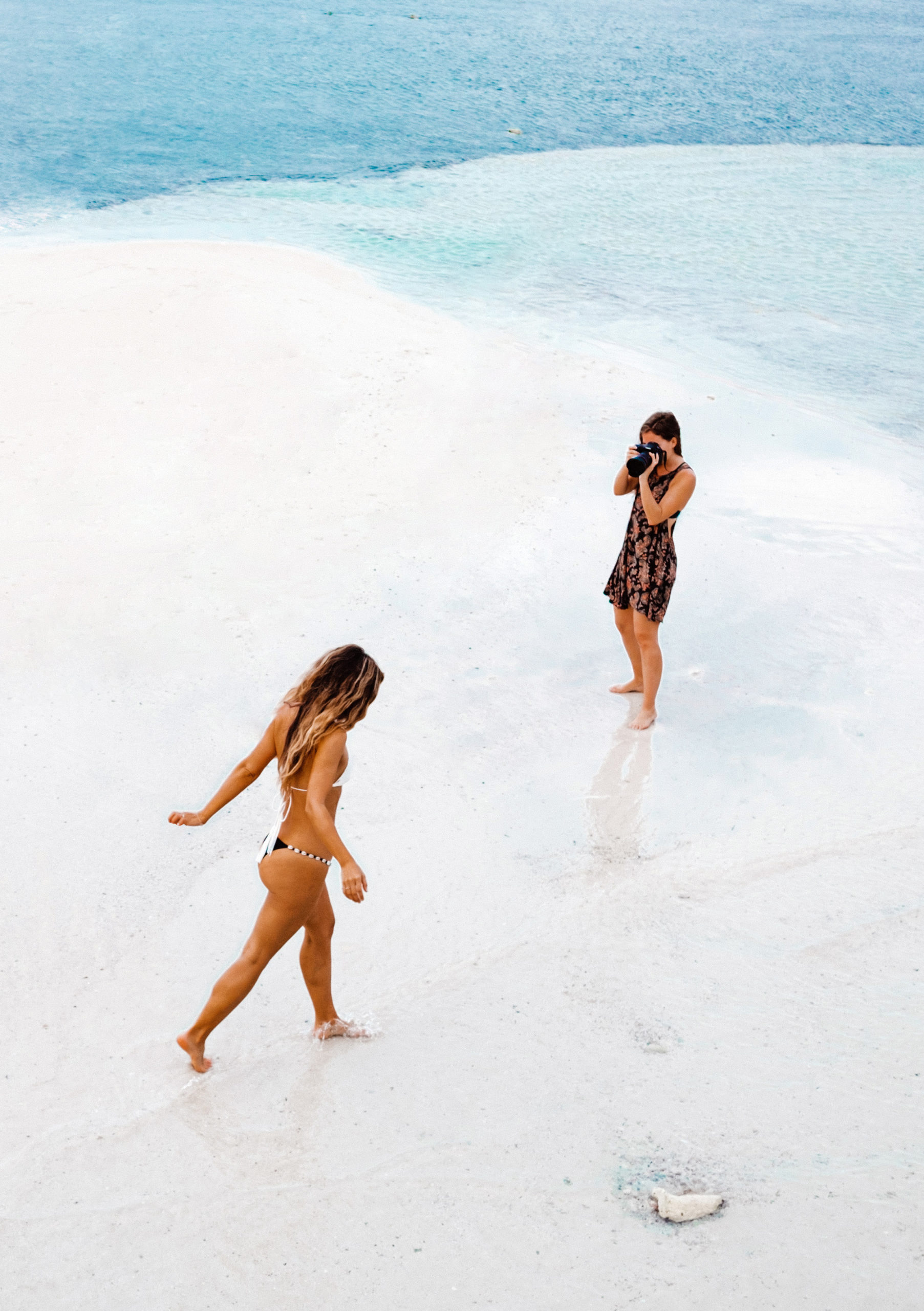
Photography isn’t just about flashy gear or perfect framing; it’s about communicating a feeling, a story, a moment. General Photography — the broad, jack-of-all-trades approach — trains you to see light, movement, and composition everywhere: a child’s laugh, an empty doorway, the shimmer on coffee. Whether you’re shooting landscapes, street scenes, portraits, or travel snapshots, the core principles repeat. Master them and you’ll take better pictures in unexpected places. Plus: better photos mean better memories, better storytelling, and more fun behind the camera.
Gear Basics: Choose What Fits You
Let’s be frank: gear won’t fix technique, but the right tools make some jobs easier. For general photography, aim for versatility and simplicity. You don’t need the crown jewels of camera bodies — you need a camera you’ll carry.
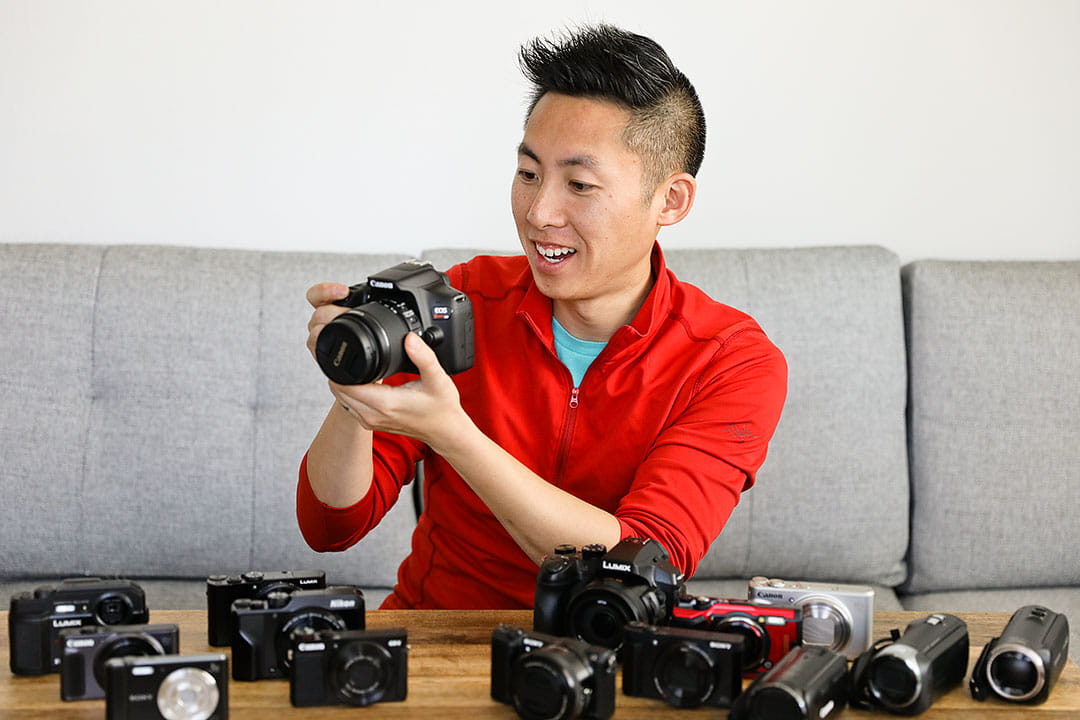
Camera types (DSLR, mirrorless, compact, smartphone)
DSLRs and mirrorless bodies offer manual controls, fast AF, and lens choice. Mirrorless systems tend to be lighter and have live exposure previews — handy for learning. Compact cameras are pocketable and less intimidating; smartphones rule for instant sharing and surprisingly strong computational images. Ask yourself: will I carry this every day? If not, it’s the wrong camera.
Lenses & focal lengths explained
The lens shapes your images more than the body. Wide-angle (24–35mm) captures context and drama; standard (35–50mm) feels natural and human; short telephoto (85–135mm) flatters portraits. Prime lenses (fixed focal length) often give better optics and faster apertures; zooms give flexibility. For general photography, a 24–70mm or a 24–105mm zoom is a Swiss Army knife — practical and forgiving.
Understand the Exposure Triangle
Exposure is the core language of photography. The three elements — aperture, shutter speed, and ISO — are friends who constantly negotiate. Change one, and the others often must compensate. Once you feel comfortable switching these three on instinct, you’ll stop being at the mercy of “auto” and start making intentional photographs.
Aperture — depth of field & creative control
Aperture (f-stop) controls how much of the scene is in focus. A low f-number (f/1.8, f/2.8) gives a shallow depth of field — great for portraits and separating subject from background. A high f-number (f/8–f/16) increases depth, useful for landscapes. Think of aperture as your “attention” tool — narrow it to say “look here”, widen it to show context.
Shutter speed — freeze vs motion blur
Shutter speed decides whether movement becomes sharp or smeared. Want a frozen splash? Use a fast speed (1/500s+). Want motion streaks — like flowing water or light trails — try slow speeds (1/30s, 1s, or much longer) with a tripod. A mental trick: if shutter speed is shorter than the reciprocal of your focal length (roughly 1/50s for a 50mm lens), you’ll usually avoid handheld blur.
ISO — brightness vs noise
ISO amplifies the sensor’s signal. Low ISO (100–200) = clean image. High ISO brightens dark scenes but introduces noise. Modern cameras handle high ISO well; still, keep ISO as low as you can for the look you want. If you must push ISO, embrace noise as a stylistic tool or plan to reduce it in post.
Composition: Make Images That Speak
Composition organizes the chaos. It guides the viewer’s eye and builds emotional impact. Learn the rules, yes — but learn when to break them. Composition is like seasoning: use enough to enhance the dish, not so much that it overpowers the flavor.
Rule of thirds & framing
Imagine a tic-tac-toe on your viewfinder — place important elements along those lines or intersections. It creates balance and natural movement. Use framing (doorways, windows, branches) to add depth and lead attention to the subject.
Leading lines, symmetry & negative space
Leading lines — roads, fences, shadows — pull the eye into the picture. Symmetry creates calm; break symmetry with a small subject for tension. Negative space can emphasize solitude or scale. Think: does every element in the frame earn its place? Remove clutter; the eye will thank you.
Lighting: The Photographer’s Paintbrush
Light defines texture, mood, and color. Learn to read it. Direction, quality (hard vs soft), and color temperature change everything. The same scene at dawn and at noon will feel like different worlds.
Golden hour & window light
Golden hour (shortly after sunrise and before sunset) gives soft, warm light that flatters almost everything. Window light is a controlled natural source — turn it into a small studio by adding reflectors or flags. If you can, move your subject relative to the light to sculpt the face or scene.
Using flash and continuous light
Flash isn’t a villain — it’s a tool. Use fill flash to erase harsh shadows; use off-camera flash for more natural, three-dimensional results. Continuous LEDs help when you want to see the light before taking the shot. Remember: soften harsh light with diffusion and position it for sculpting rather than blasting.
Focus & Depth of Field Tactics
A great photo is often a sharp photo (unless intentional blur). Understand when to trust autofocus and when to switch to manual. Depth of field can be your storytelling tool.
Autofocus modes & focus points
AF-S/One-shot locks on for still subjects; AF-C/AI-Servo tracks moving subjects. Use single-point AF for precise control (eyes in portraits), zone AF for unpredictable movement. Practice back-button focus to separate focusing from the shutter — it gives you much more control.
Manual focus & hyperfocal distance (quick intro)
Manual focus shines in low light, macro, and landscape work. Hyperfocal focusing maximizes depth of field so foreground and background remain acceptably sharp — especially useful for wide-angle landscapes. Don’t memorize complex formulas; use focus peaking (if available) or focus manually and preview on the screen.
Shooting Techniques & Creativity
Experimentation teaches more than reading. Try techniques deliberately, then digest what worked. Below are actionable, repeatable techniques.
Panning & motion blur techniques
Want dynamic movement? Use a slower shutter (1/30–1/60s) and track the subject smoothly while you release the shutter. The subject becomes sharp; the background streaks. It’s like painting with the camera — messy at first, magical when you nail it.
Long exposure basics
Use a tripod, low ISO, small aperture, and optionally a neutral-density filter to shoot exposures from a few seconds to minutes. Long exposures smooth water, streak clouds, or record light trails. Use a remote or timer to avoid camera shake.
Street & candid photography tips
Observe first, then shoot. Blend into the scene; anticipate gestures. Respect privacy and local laws. A small lens and quiet approach help — candid shots feel honest, not posed. Think of street photography like eavesdropping respectfully: you catch the story without interrupting it.
Post-processing & Workflow
Editing turns good captures into great images. But a fast, consistent workflow means less time stuck in endless tweaks and more time shooting. Keep it simple: exposure, color, crop, sharpen, and export.
RAW vs JPEG — why RAW matters
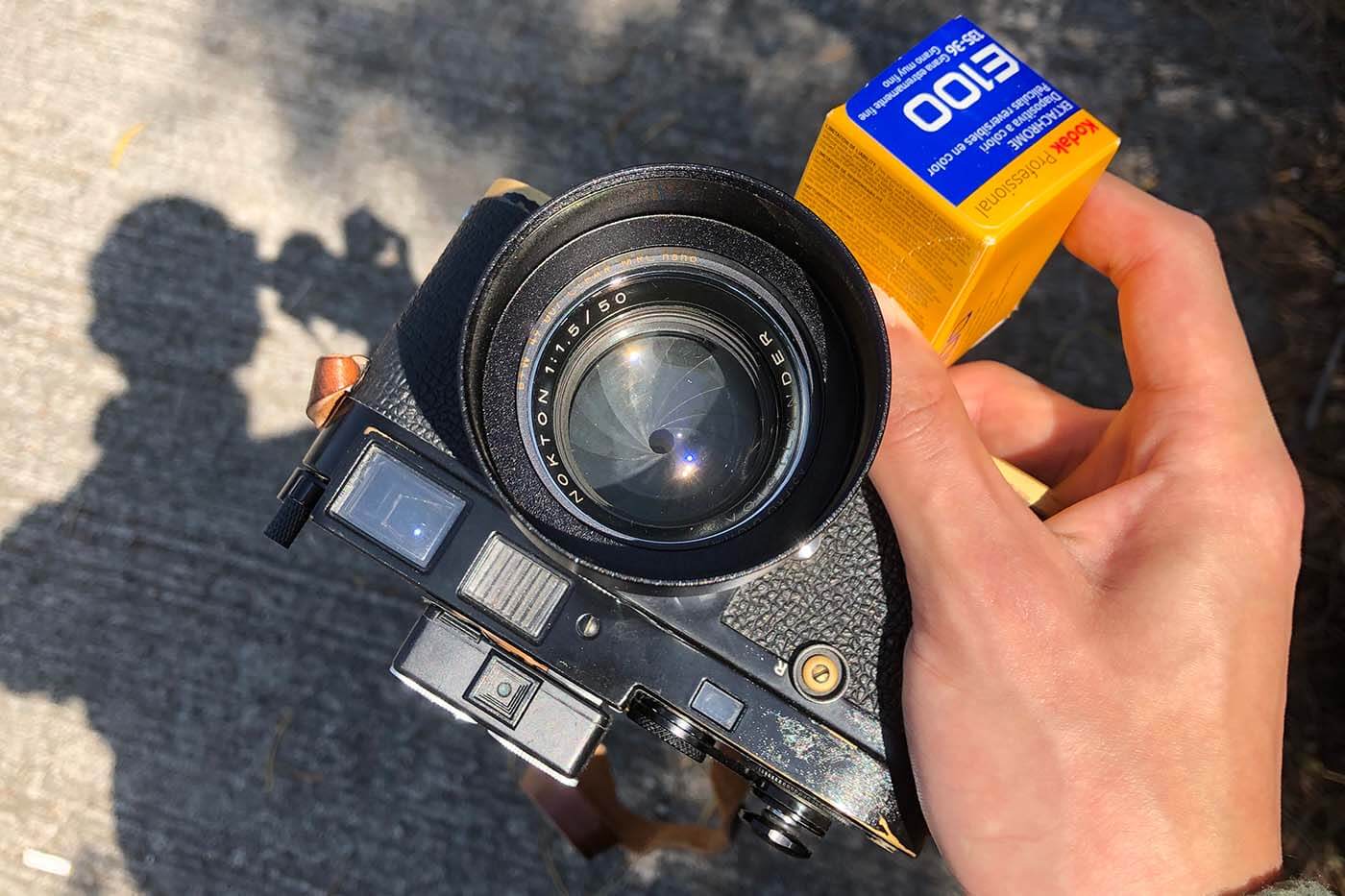
RAW files hold far more data than JPEGs, letting you recover highlights, adjust white balance, and push shadows without destroying quality. If you plan to edit, shoot RAW — your future self will thank you.
Basic edit checklist (crop, exposure, color, sharpen)
Start with crop & straighten, fix exposure and white balance, adjust contrast and clarity, fix local problems (spot removal), then sharpen and export. Use presets for consistency, but tweak each image individually.
Organize, Practice & Avoid Common Mistakes
A messy catalog is creativity’s kryptonite. Back up, tag, and rate your images. Practice deliberately — short, frequent sessions beat occasional marathon shoots.
Practice exercises to level up fast
- The 50-frame portrait: shoot 50 frames of one subject, vary aperture and distance.
- Hour-of-light challenge: shoot the same scene at different times.
- Limited-lens day: commit to one lens for an entire day.
- 10-minute composition drill: find 10 frames in 10 minutes using the rule of thirds.
These focused drills train your eye and your reflexes.
Common beginner mistakes and how to fix them
Blurry photos? Check shutter speed and stabilization. Overexposed skies? Try exposure compensation or bracketing. Bad composition? Move your feet—changing perspective fixes more than fancy gear. Keep a problem-solution checklist and refer to it between shoots.
Conclusion & Next Steps
Photography is a practice habit, not a one-time purchase. Apply one tip at a time: learn the exposure triangle this week, composition cues next week, and a lighting technique after that. Carry your camera more than your smartphone, study images you love, and be kind to your mistakes — they’re the best teachers. You’ll see progress fast if you shoot deliberately and review honestly. Now pick one exercise above and go shoot.
FAQs
Q1: What is the single most important thing for beginners in general photography?
A1: Learn the exposure triangle — aperture, shutter speed, and ISO — until changing them becomes second nature. It unlocks creative control.
Q2: Can I learn general photography with just a smartphone?
A2: Absolutely. The principles (composition, light, timing) transfer. Smartphones even teach you to see and shoot casually — later you can translate that skill to more advanced gear.
Q3: Should I shoot RAW or JPEG for everyday photos?
A3: If you plan to edit, shoot RAW. For quick sharing where edits are minimal, JPEG is fine. RAW gives flexibility; JPEG saves space and time.
Q4: How do I improve composition quickly?
A4: Practice the rule of thirds, remove distractions by changing your angle, and use leading lines. Also, crop in-camera — move your feet rather than zooming mentally.
Q5: How often should I practice to get better?
A5: Short, frequent practice sessions (15–60 minutes, 3–5 times a week) beat long, rare shoots. Focused exercises (see practice drills above) accelerate learning.
CameraTale.com is your ultimate photography hub, offering expert tips, guides, and inspiration for photographers of all levels.
Explore in-depth tutorials, gear advice, and creative ideas to master general photography and capture stunning shots every time.