
Wedding Photography is part technical skill, part emotional intelligence, and a whole lot of planning. If you want photos that make people gasp, cry, and share, you can’t rely on luck. You prepare. Think of the wedding like a live theater production — you’re the director, the cinematographer, and the stage manager all rolled into one. This guide walks you through everything you need to do — before, during, and after — to deliver stunning wedding images that your clients will treasure forever.
Why Preparation Matters in Wedding Photography
Ever watched a movie where the props aren’t ready or the actors don’t know their marks? It’s awkward. Weddings run on tight schedules and high emotion; preparation reduces chaos and increases your chance of capturing decisive moments. When you prepare, you create breathing room for creativity — not panic. You’re not just shooting photos; you’re managing a moving story.
Know the Couple: The Pre-wedding Consultation
Start with a conversation. Ask: what style do you love — documentary, editorial, moody, bright? Which moments matter most — a private vow, the first look, grandma’s reaction? This chat is gold: it shapes your shot list, timeline, and even what gear you pack. Build rapport — the more comfortable the couple is with you, the more genuine their photos will be.
The intake essentials
- Ask about the ceremony timeline and important family dynamics.
- Collect vendor contacts and the planner’s name.
- Learn about outfits, cultural customs, and must-have shots.
Gear Checklist: What to Bring and Why
Gear won’t make a mediocre photographer great, but it will make a good photographer reliable. Pack with redundancy in mind.
Primary camera & lenses
- A full-frame camera body is ideal for low light and shallow depth of field.
- Lenses: a fast 50mm or 35mm prime for portraits and storytelling, a 24–70mm zoom for versatility, and a 70–200mm for ceremony and candid moments from distance.
Backup gear
- Second camera body (set it up identically) — this is non-negotiable for weddings.
- Extra lenses, even if you don’t plan to use them; situations change.
Memory cards, batteries, and power
- Multiple high-speed cards and a card-swapping plan (or dual-slot redundancy).
- At least 4–6 fully charged batteries and a portable charger for phone/assistant gear.
- A small tool kit: gaffer tape, lens cleaning tools, Allen keys, clothespins (yes, for veils!).
Scout the Venue: Lighting, Layout, & Logistics
Visit the venue ahead of time if possible. Scout during the same time of day as the wedding; light changes everything. If you can’t visit, ask the couple or planner for layout photos and where natural light comes from.
Time-of-day and golden hour
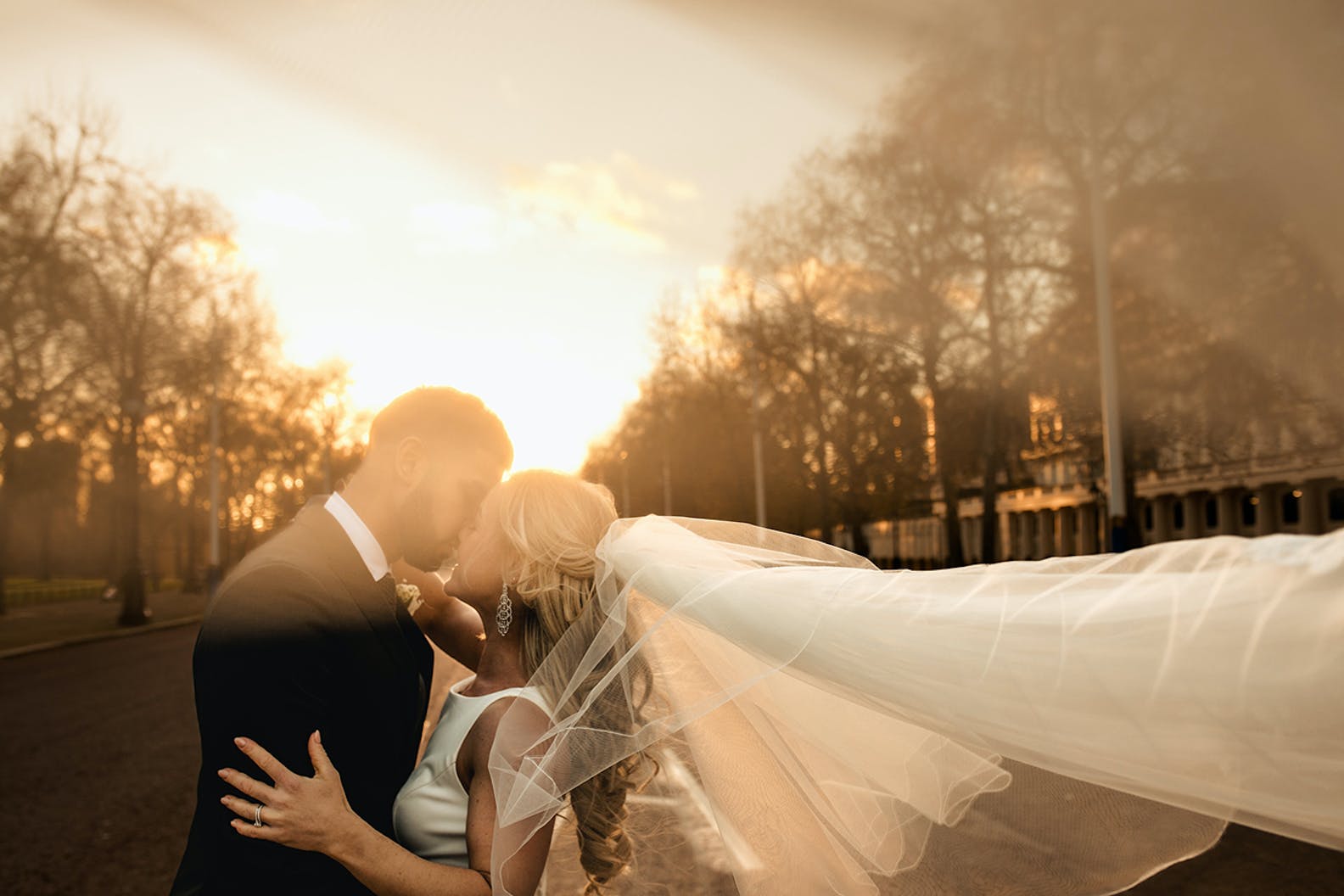
Golden hour makes portraits sing. Build the timeline so portraits capture soft, flattering light — even if it means a short break in the reception schedule.
Indoor constraints and flash plans
Check for low ceilings, reflective floors, or strong backlighting. Plan flash setups or modifiers in advance: bounce cards, diffusers, or small softboxes for flattering light.
Shot List & Timeline: Build the Plan
A shot list keeps you honest and ensures nothing essential is missed. Share a concise version with the planner and family contact.
Must-have shots
- Details: rings, invitations, shoes, bouquet.
- Getting-ready moments: candid interactions, putting on dress/tux.
- Ceremony highlights: entrance, vows, ring exchange, kiss.
- Portraits: couple, bridal party, family groups.
- Reception: first dance, speeches, cake, candid dance floor energy.
Family and group photos
Designate a family coordinator (a relative or wedding planner) and create a prioritized list. Start with the biggest groups and move to smaller ones — time is usually limited.
Communication & Rapport with the Couple
Lead with warmth. Give simple directions — not a thousand poses. Use “move toward each other” or “whisper something funny.” Compliment, joke, and be calm. People follow confidence.
Day-of Workflow: From Arrival to Reception
Have a flexible schedule in your mind and a hard schedule on paper. The planner follows paper; you follow the moment.
Prep and getting-ready
Arrive early. Capture details and small candid moments: a parent’s hands adjusting a cuff, laughter over champagne. These build the story.
Ceremony
Be quiet, wear dark clothing that blends, and move with purpose. Place yourself where you can see expressions but not block guests. Use a longer lens for unobtrusive coverage.
Portraits and golden hour
Use a mix of directed poses and motion — walk-and-talk shots create natural movement. Give the couple a simple task: “walk toward me slowly, look at each other.”
Reception and dance floor
Switch to higher ISO, fast lenses, and tighter framing. Capture reactions during speeches, the small interactions, and the wild dance-floor moments.
Posing & Directing: Natural-Looking Portraits
Posing should feel like choreography, not a stiffness factory.
Cues, micro-gestures, and movement
Ask couples to lean in, rest a forehead, or sway. Micro-gestures (toe pointing, hand placement) create intimacy. Ask them to do something that elicits emotion — a memory, a line from their vows — then shoot continuously as they react.
Managing big groups
Use clear, loud commands and a quick camera to spool through each group. Start big (everyone), then call out sub-groups (aunts, cousins). Keep it friendly and brisk.
Lighting Techniques for Wedding Photography
Good lighting = good photos. Master simple setups and know when to improvise.
Ambient vs. flash
Use ambient light for atmosphere; add flash only to lift shadows or freeze motion. Learn to balance flash power with ambient exposure so the light looks natural.
Off-camera flash basics
An off-camera flash with a small soft modifier can create pretty rim light or a soft key light for portraits. Use a wireless trigger, place the light 45 degrees off the couple, and dial power to blend with ambient light.
Risk Management: Backups, Insurance & Contingency Plans
- Shoot to dual cards where possible, or have a second shooter writing to different cards.
- Bring extra batteries and a backup camera body.
- Get liability insurance and gear insurance — venues often ask for it.
- Have a rain plan (covered spots, umbrellas) and a rapid communication plan with the planner.
Post-Processing Workflow: From Culling to Delivery
Culling efficiently
Use keyboard shortcuts and star ratings. Cull to the best moments that tell the story — aim to keep 10–25% of originals depending on style.
Consistent editing & presets
Build presets but tweak for each image. Maintain consistent skin tones and color balance across the gallery so the album feels cohesive.
Backup and archiving
Back up immediately to at least two physical drives and one cloud location. Keep raw files for a minimum period (e.g., 1 year or as your contract states).
Business Essentials: Contracts, Licensing & Pricing
- Use a clear contract that covers deliverables, image rights, payment schedule, cancellation policy, and backup responsibilities.
- Specify licensing terms: web use, print, and third-party vendor usage.
- Offer packages with clear hour blocks and add-ons (second shooter, albums, prints).
Creative Tips & Storytelling Approaches
- Capture emotional beats: a hand squeeze, a laugh, a parent’s tear.
- Alternate wide contextual shots with tight emotional close-ups.
- Use movement and blur strategically to convey energy (slow shutter on the dance floor with camera movement).
Final Checklist — Day-of Quick Reference
- Two camera bodies ready and synced.
- Lenses cleaned and varied focal range ready.
- Batteries ×6+, memory cards ×6+, charger.
- Shot list printed and on phone; family contact assigned.
- Small light kit and off-camera flash ready.
- Planner/vendor contacts saved; directions to backup locations.
Conclusion
Wedding Photography is part planning, part artistry, and part human connection. Prepare like a pro: know your couple, scout the venue, pack for failure, and build a simple but complete shot list. When the day arrives, move confidently, direct gently, and always be ready to capture the unscripted magic. With preparation you free up space to create — and that’s where truly stunning photos live.
FAQs
Q1: How early should I arrive at the venue?
A1: Arrive at least 60–90 minutes before your first planned shoot time (earlier for complex venues). This gives you time to check light, set up, and calm any last-minute nerves.
Q2: What if my primary camera fails during the ceremony?
A2: Use a second body immediately — ideally already set up with the same settings. If you only have one body, borrow standby equipment from an assistant or vendor. Always shoot dual cards or have a second shooter to avoid single points of failure.
Q3: How many final images should I deliver?
A3: There’s no one-size-fits-all. Many photographers deliver 50–100 images per hour of coverage. Focus on quality and storytelling over a high quantity of filler images.
Q4: RAW or JPEG — which should I shoot?
A4: Shoot RAW. It gives you maximum dynamic range and color correction flexibility, which is crucial under mixed lighting conditions common in weddings.
Q5: How do I handle family dynamics during formal photos?
A5: Assign a family coordinator (a relative or planner) to help gather people. Use clear announcements: “We’ll do five quick group shots — please form up here.” Keep it upbeat and efficient to reduce stress.
Use cameratale.com as your go-to hub for wedding photography tips, tutorials, and resources.
Boost your skills with expert guides, gear reviews, and creative inspiration for photographers worldwide.