

Introduction to Photography Tip #21
When you think of improving your photography skills, you might imagine outdoor adventures, bustling streets, or scenic landscapes. But what if I told you that one of the best ways to boost your skills is right inside your home? Welcome to photography tip 21 – practicing with still life. This approach not only sharpens your technical abilities but also boosts your creativity in ways you might not expect.
Why Still Life Photography Is Perfect for Practice
The Creative Freedom of Still Life
Still life photography gives you complete control. You choose the subject, arrange it however you like, and decide exactly how the light falls. There are no unpredictable models, weather changes, or timing issues – it’s all about your artistic vision.
Control Over Lighting and Composition
Unlike outdoor photography, you’re the boss of every detail. Want dramatic shadows? You can set them up. Prefer a soft, dreamy vibe? No problem – just adjust your light source.
No Rush, No Pressure – Learn at Your Own Pace
The beauty of still life photography is that it waits for you. You can spend minutes or hours perfecting your shot without worrying about missing the moment.
Essential Gear for Still Life Photography at Home
Camera and Lens Recommendations
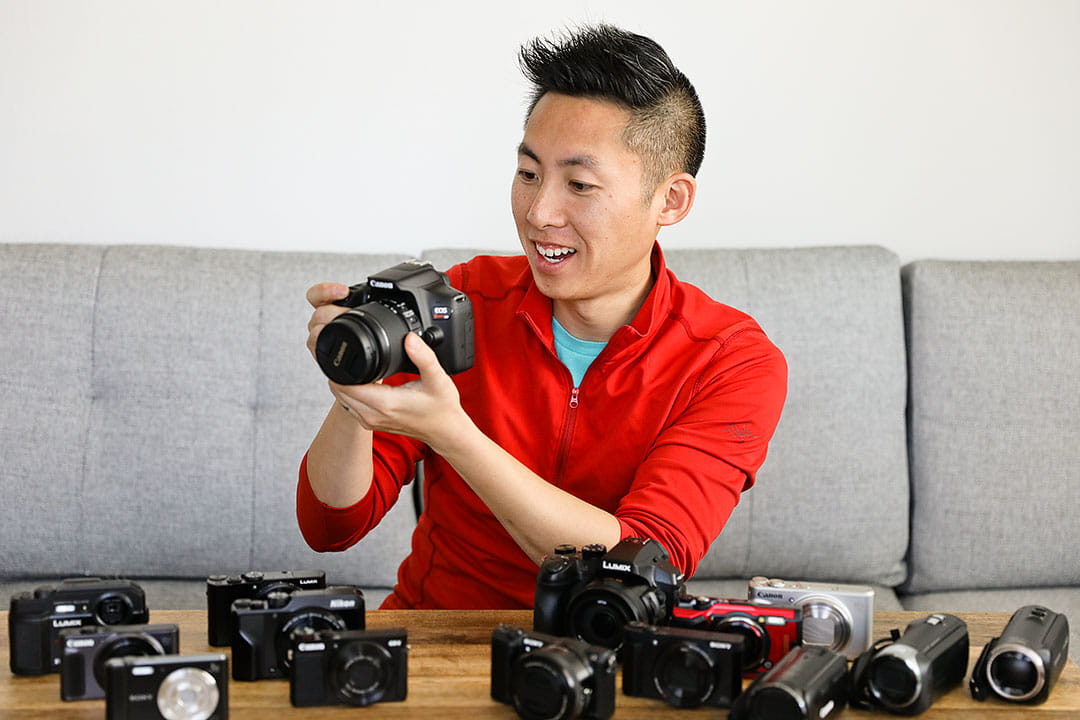
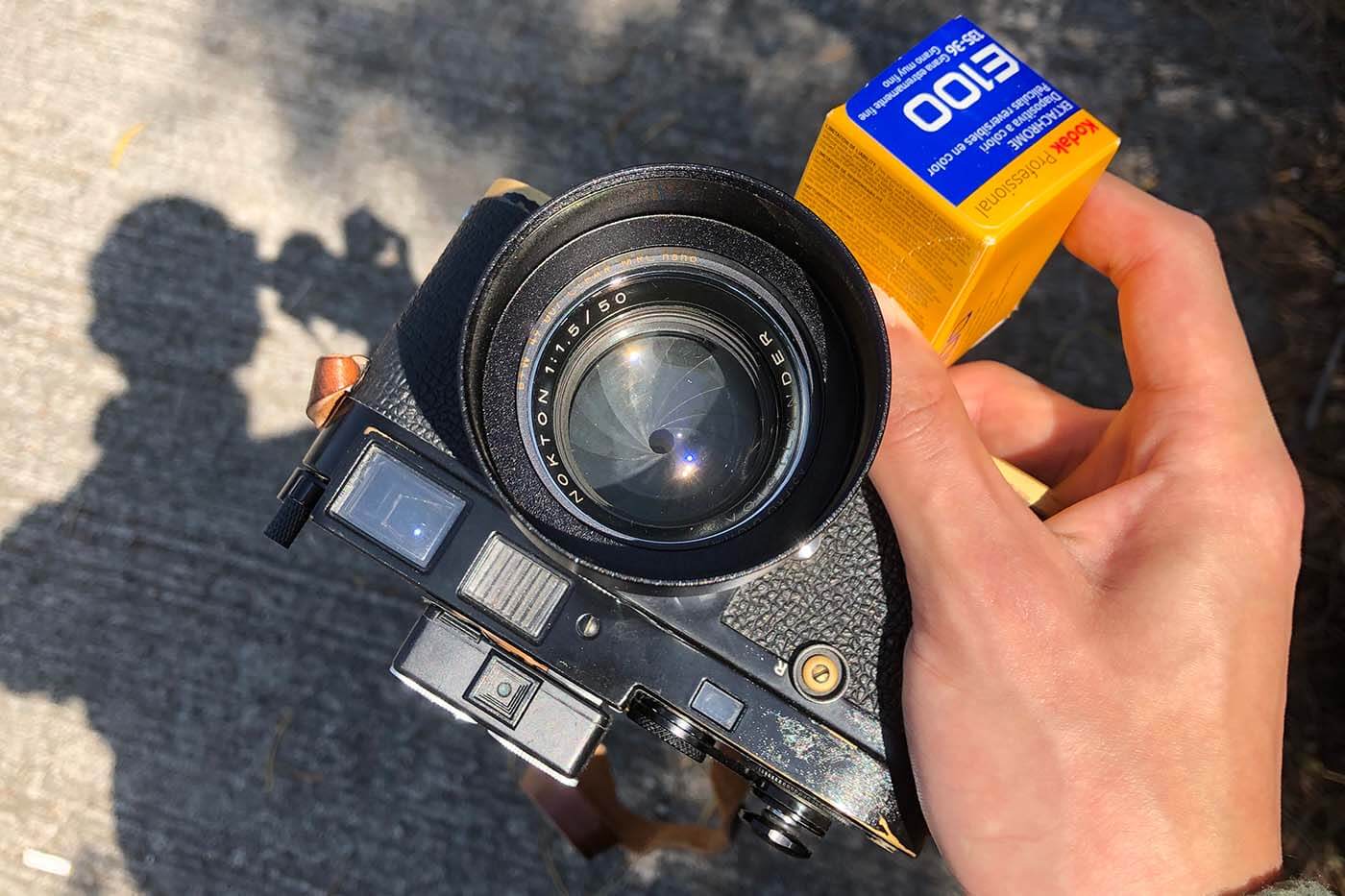
You can start with any camera – DSLR, mirrorless, or even a smartphone. For sharper details, a prime lens like a 50mm or a macro lens works wonders.
Tripod – Your Secret Stability Weapon
A tripod is a game-changer for still life. It keeps your camera steady, allowing you to experiment with slow shutter speeds without worrying about blur.
Lighting Equipment (Natural & Artificial)
Natural light from a window is fantastic, but for more control, try LED panels, softboxes, or even a desk lamp with a diffuser.
Setting Up Your Home Still Life Studio
Choosing the Right Space
Look for a spot with good natural light or where you can control artificial lighting. A corner table near a window works perfectly.
Backgrounds and Surfaces
Plain walls, wooden boards, or colored paper can all serve as great backdrops. Textured fabrics add depth to your photos.
Managing Light Sources
Use curtains or diffusers to soften harsh light. Reflectors (or even white cardboard) can bounce light back onto your subject for a balanced look.
Choosing Subjects for Still Life Photography
Everyday Household Objects
Your kitchen, desk, or living room is full of photo-worthy items. Cups, books, or even old keys can make fascinating subjects.
Food and Beverage Photography
A steaming cup of coffee or a colorful fruit bowl can look like art when styled well.
Flowers, Plants, and Nature Elements
Fresh flowers or even dried leaves can add natural beauty and texture to your still life shots.
Mastering Lighting in Still Life Photography
Using Natural Light Effectively
Position your subject near a window for soft, diffused light. Morning or late afternoon often gives the most flattering results.
Experimenting with Artificial Light
LED lights allow you to control brightness and color temperature, giving you more creative flexibility.
Playing with Shadows and Highlights
Shadows aren’t your enemy – they can add drama and depth when used thoughtfully.
Composition Techniques for Still Life
Rule of Thirds
Divide your frame into a 3×3 grid and place your subject along the lines for a balanced composition.
Leading Lines and Depth
Arrange objects to guide the viewer’s eyes through the photo, creating a sense of depth.
Symmetry and Balance
Sometimes, perfect symmetry can be just as striking as an asymmetrical layout.
Experimenting with Angles and Perspectives
Eye-Level Shots
This perspective feels natural and draws viewers into the scene.
Overhead or Flat Lay Shots
Perfect for food photography or styled setups, giving a clean, organized look.
Close-Ups for Detail
Get in close to capture textures, patterns, and fine details.
Editing and Post-Processing Still Life Photos
Basic Adjustments (Exposure, Contrast, Color)
A little tweak can make your photo pop without overdoing it.
Retouching and Enhancing Details
Use editing tools to remove dust or blemishes and sharpen textures.
Creative Edits and Filters
Experiment with black and white or vintage filters for different moods.
Common Mistakes to Avoid in Still Life Photography
Overcrowding Your Frame
Too many objects can confuse the viewer. Keep it simple and intentional.
Ignoring the Background
A messy background distracts from your main subject.
Harsh, Uncontrolled Lighting
Unmanaged light can create unwanted glare or shadows.
How Practicing Still Life Improves Your Overall Photography
Better Understanding of Light
Mastering light in still life will make you better in every photography genre.
Enhanced Composition Skills
Arranging objects teaches you the art of visual storytelling.
Patience and Attention to Detail
Still life photography trains your eye to notice small yet impactful details.
Turning Still Life Photography into a Creative Hobby
Photo Challenges and Projects
Set weekly challenges like “shoot three objects with the same color scheme.”
Sharing on Social Media and Online Communities
Platforms like Instagram or photography forums are great for feedback and inspiration.
Conclusion
Photography tip 21 reminds us that great photography doesn’t always require exotic locations or expensive gear. Practicing with still life at home sharpens your skills, boosts creativity, and allows you to experiment freely. So next time you have an afternoon free, grab your camera, set up a scene, and let your creativity flow.
FAQs
Q1: Do I need expensive gear for still life photography?
A: Not at all! You can start with your phone and natural light.
Q2: How do I make my still life photos look professional?
A: Focus on lighting, composition, and minimal clutter.
Q3: Is still life photography good for beginners?
A: Yes – it’s perfect for learning without time pressure.
Q4: Can I do still life photography without a tripod?
A: Yes, but a tripod helps with sharpness and composition.
Q5: What’s the best lighting for still life?
A: Soft, diffused light – either from a window or a softbox.
CameraTale.com Suggestion
For more creative photography inspiration and pro tips, visit CameraTale.com. Discover guides, tutorials, and challenges to take your shots to the next level.