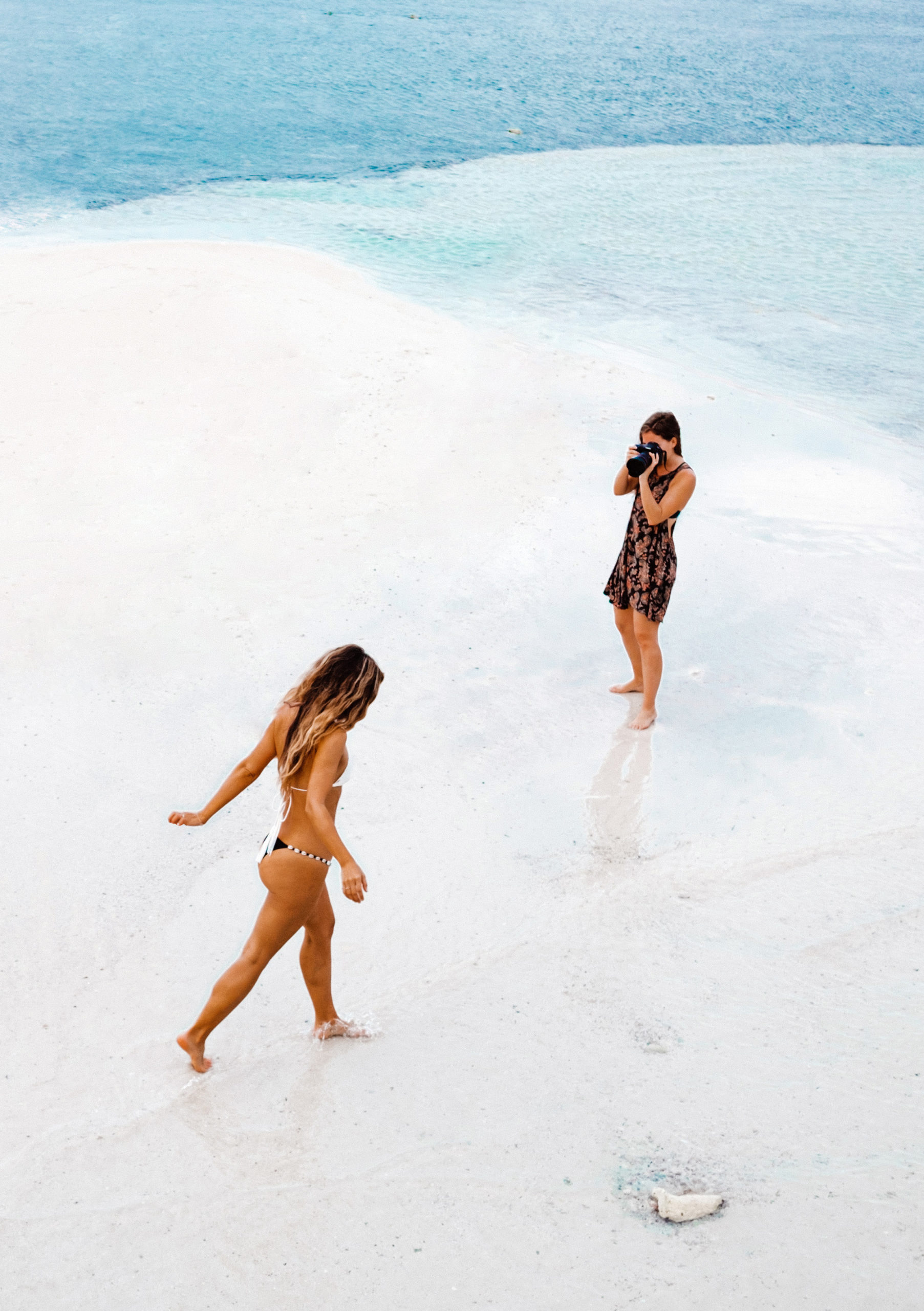

When we think about taking photos, most of us picture a bright, sunny day. But here’s the thing — if you only shoot when the weather is perfect, you’re missing out on a whole world of creative opportunities. Photography tip 22 is simple but powerful: embrace different weather conditions. Whether it’s rain, fog, snow, or blazing sunshine, each type of weather offers its own unique mood, challenges, and storytelling potential.
Why Weather Matters in Photography
Weather isn’t just background—it’s the stage, the lighting crew, and sometimes even the main character in your shot.
How Weather Shapes Mood and Atmosphere
Ever noticed how a cloudy day makes a street scene feel nostalgic, while a thunderstorm injects drama into a landscape? That’s the weather working as an emotional director for your photo. Different conditions can shift the mood from warm and inviting to mysterious and moody in seconds.
Storytelling Through Weather
Think of weather as your visual narrator. A misty forest tells a tale of mystery. A snow-covered park whispers serenity. A rain-slick street at night? That’s cinematic gold. If you want your photos to tell richer stories, start thinking about weather as a narrative tool, not just a backdrop.
Common Mistakes Photographers Make in Different Weather
Avoiding Overexposure on Sunny Days
Bright sunlight is both a blessing and a curse. If you don’t adjust your exposure, highlights can blow out faster than you can say “ISO.” Use a smaller aperture, lower ISO, or neutral density filters to keep details intact.
Preventing Washed-Out Skies
A dull, featureless white sky can ruin an otherwise stunning shot. Try using a polarizing filter or expose for the sky and brighten your subject later in post-processing.
Managing Low Light in Cloudy or Rainy Conditions
Overcast days mean soft light but less of it. You’ll need slower shutter speeds or higher ISO — just watch out for camera shake and noise.
Shooting in Sunny Weather
Using Harsh Light Creatively
Instead of avoiding midday sun, use it. Harsh shadows can add graphic, high-contrast drama to your images.
Golden Hour vs Midday Sun
Golden hour — that magical hour after sunrise or before sunset — gives you warm, flattering light. Midday? Think crisp, bold, and shadow-rich compositions.
Shadows and Contrast in Bright Light
Play with silhouettes, shadow patterns, and backlit scenes. A street lamp casting a sharp shadow can become your star subject.
Shooting in Cloudy Weather
Soft Lighting Advantages
Clouds act like a giant diffuser, giving you even, flattering light — perfect for portraits and macro shots.
Bringing Out Colors in Overcast Conditions
With less contrast, colors pop naturally. Greens look richer, reds more vibrant, and skin tones softer.
Shooting in Rain
Capturing Reflections and Water Droplets
Rain turns the world into a reflective canvas. Puddles can double your composition, and raindrops on glass create moody textures.
Protecting Your Gear from Moisture
Use rain covers, lens hoods, and microfiber cloths. Even a plastic bag can save your camera in a pinch.
Shooting in Snow
Achieving Correct White Balance
Snow can trick your camera into making images look too blue. Use a custom white balance or the “snow” setting if your camera has one.
Making the Most of the Bright, Reflective Landscape
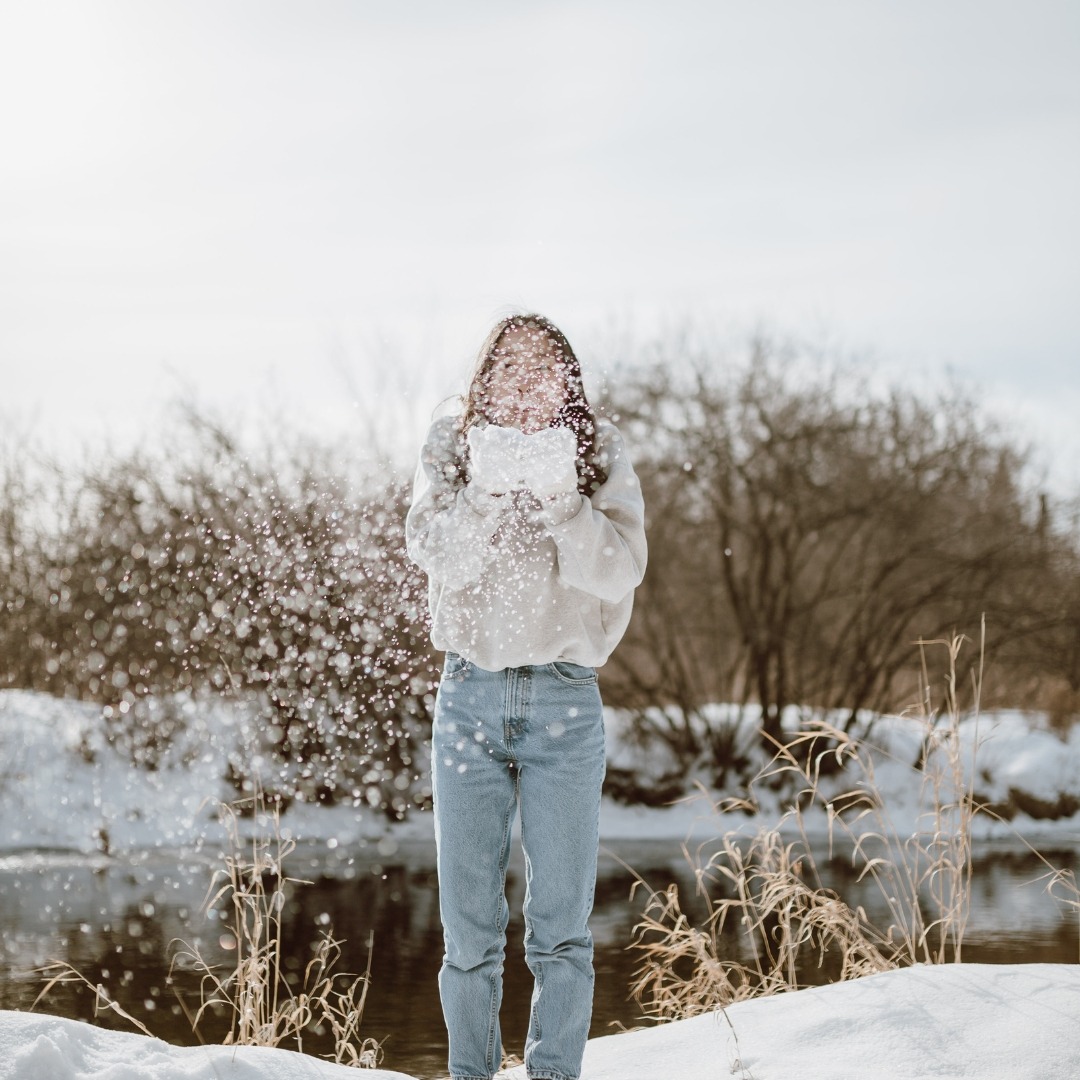
Snow bounces light everywhere, reducing harsh shadows. Use it to create glowing, high-key images.
Shooting in Fog or Mist
Creating Moody, Dreamlike Images
Fog softens edges, making scenes look like paintings. Perfect for minimalistic and atmospheric shots.
Adjusting Exposure for Low Visibility
You may need to slightly overexpose to keep the fog from looking too dark and heavy.
Shooting During Storms
Capturing Dramatic Skies
Storm clouds add depth, contrast, and tension to your photos. Wide-angle shots work wonders here.
Safety Precautions for Storm Photography
No photo is worth risking your life. Keep a safe distance from lightning and high winds, and secure your gear.
Shooting in Windy Conditions
Using Motion for Artistic Effect
Wind can make trees dance and hair fly — use slower shutter speeds to capture that motion blur artistically.
Stabilizing Your Shots
Tripods and image stabilization are your best friends here, especially for landscape work.
Essential Gear for All Weather Photography
Weather-Sealed Cameras and Lenses
These are built to handle a bit of rain, dust, and snow without crying for help.
Lens Hoods, Filters, and Covers
A hood keeps raindrops off your glass, filters enhance skies, and covers keep everything dry.
Creative Projects to Try in Different Weather
Time-Lapse Series Across Weather Changes
Set up your camera in the same spot over hours or days to show how weather transforms a scene.
Before-and-After Weather Comparisons
Shoot the same subject in sun, rain, fog, and snow. You’ll have a mini portfolio that screams versatility.
Final Thoughts
Weather is the ultimate free special effect in photography. By following photography tip 22, you’ll learn to embrace — not avoid — the unpredictability of nature. Each condition teaches you something new about light, mood, and composition.
FAQs
Q1: Can I shoot in the rain without damaging my camera?
Yes, if you protect it with a rain cover or waterproof housing. Even a plastic bag works in an emergency.
Q2: What’s the best weather for portraits?
Overcast days are great because clouds diffuse the light, giving you soft and flattering tones.
Q3: How do I prevent lens fogging in cold weather?
Let your gear acclimate slowly to temperature changes, and use anti-fog wipes if needed.
Q4: Is shooting in fog hard for beginners?
Not at all! Just slightly overexpose and focus manually if autofocus struggles.
Q5: Do I need special gear for snow photography?
Weather-sealed gear helps, but gloves, lens cloths, and spare batteries are just as important.
Looking for more practical photography tips like this? Visit CameraTale.com — your go-to hub for creative, real-world photography advice.