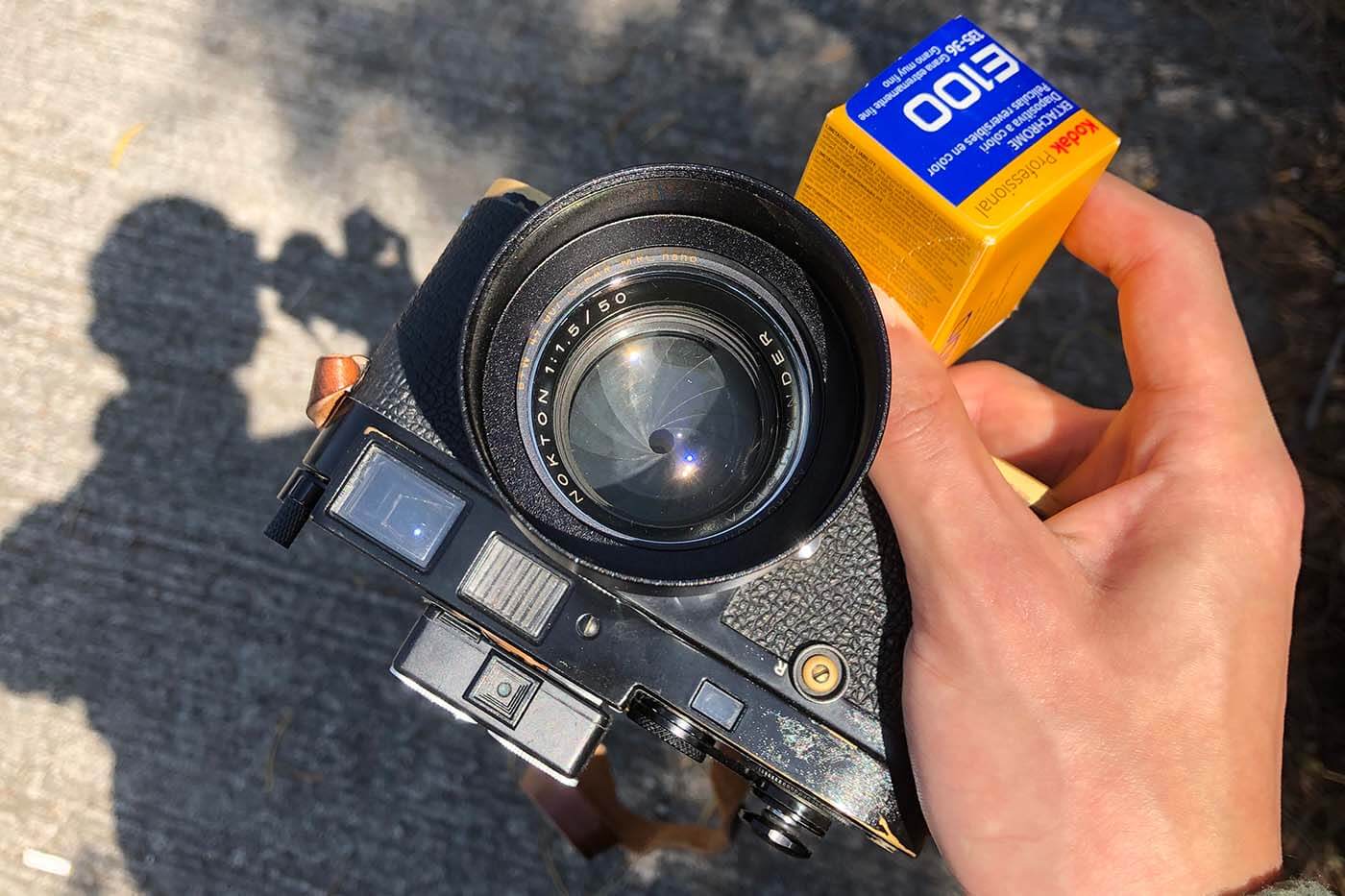


If you’ve been out shooting and your camera suddenly shuts down, you know that sinking feeling. That’s exactly why photography tip 32 is all about one thing—never leaving home without a spare battery. This isn’t just a convenience; it’s a lifeline for photographers.
Why This Photography Tip Matters
The Unpredictable Nature of Photography Sessions
Photography isn’t always a quick, controlled event. You might be out capturing wildlife, exploring the city, or documenting a wedding, and suddenly the session stretches longer than expected. Without a spare battery, that extra time can turn from exciting to frustrating very quickly.
How Battery Failure Can Ruin the Perfect Shot
Imagine spotting a breathtaking sunset or a rare bird in flight, only to find your camera dead. That moment is gone forever. Carrying an extra battery is like having an insurance policy for your creativity.
Understanding Camera Battery Life
Factors That Drain Your Camera Battery Faster
Temperature Effects
Cold weather is notorious for reducing battery life. In freezing conditions, your fully charged battery might last half as long.
Video Recording
Shooting video eats up battery life far faster than taking stills, especially in high resolutions like 4K.
Live View Mode
Using the LCD screen instead of the viewfinder consumes more power. Live view is convenient but battery-hungry.
Benefits of Carrying a Spare Battery
Peace of Mind During Shoots
Knowing you have backup power removes unnecessary stress. You can focus entirely on your photography instead of constantly checking the battery icon.
Ability to Capture More Moments
With a spare, you can keep shooting without worrying about conserving power. That means more candid shots and creative experimentation.
Professional Reliability
If you’re shooting for clients, being prepared with spare batteries shows professionalism. Running out of power mid-shoot is never a good look.
Choosing the Right Spare Battery
OEM vs. Third-Party Batteries
Original Equipment Manufacturer (OEM) batteries tend to be more reliable but also more expensive. Third-party options can be cheaper, but quality varies—stick with reputable brands.
Battery Capacity and Compatibility
Always check your camera’s manual to ensure compatibility. A higher mAh rating usually means longer battery life.
How to Store and Maintain Spare Batteries
Avoiding Extreme Temperatures
Both heat and cold can damage batteries. Store them in a dry, moderate-temperature environment when not in use.
Charging Habits for Longer Lifespan
Don’t let batteries drain completely before charging. Partial charges are healthier for lithium-ion cells in the long run.
Real-Life Scenarios Where a Spare Battery Saved the Day
Travel Photography Adventures
On a long hike in the mountains, swapping in a fresh battery can mean the difference between capturing an epic sunrise and missing it entirely.
Wedding Photography Emergencies
Imagine the disaster of running out of power during the first kiss or the couple’s dance. A spare battery can literally save your career.
Pro Tips for Managing Batteries on Long Shoots
Using Battery Grips
Battery grips allow you to use two batteries at once, effectively doubling your shooting time without interruptions.
Rotating Batteries Effectively
Label your batteries and rotate their usage so that no single battery wears out faster than the others.
Common Mistakes Photographers Make With Batteries
Forgetting to Charge the Spare
A spare battery is useless if it’s not charged. Make it a habit to check all your batteries before heading out.
Buying Low-Quality Batteries
Cheap, no-name batteries can fail unexpectedly or even damage your camera. Invest in quality—it pays off in reliability.
Conclusion
Photography tip 32 is simple but powerful: always carry a spare battery. Whether you’re shooting professionally or just for fun, this small habit ensures you never miss a moment due to a dead camera. Preparedness in photography isn’t just about skill—it’s about thinking ahead.
FAQs
1. How many spare batteries should I carry?
For short shoots, one spare is usually enough. For all-day events, two or more is safer.
2. Can I use third-party batteries without harming my camera?
Yes, as long as they’re from reputable brands and meet your camera’s specifications.
3. How can I make my batteries last longer during a shoot?
Turn off unnecessary features, use the viewfinder instead of live view, and keep batteries warm in cold weather.
4. Should I store spare batteries fully charged?
Storing them at around 50-70% charge is best for long-term storage, but for immediate use, keep them fully charged.
5. Is a battery grip worth it?
If you shoot long sessions regularly, absolutely. It doubles battery life and improves camera handling.
For more insightful photography tips and gear guides, visit CameraTale.com — your go-to source for mastering the art of photography.