

What is Negative Space in Photography?
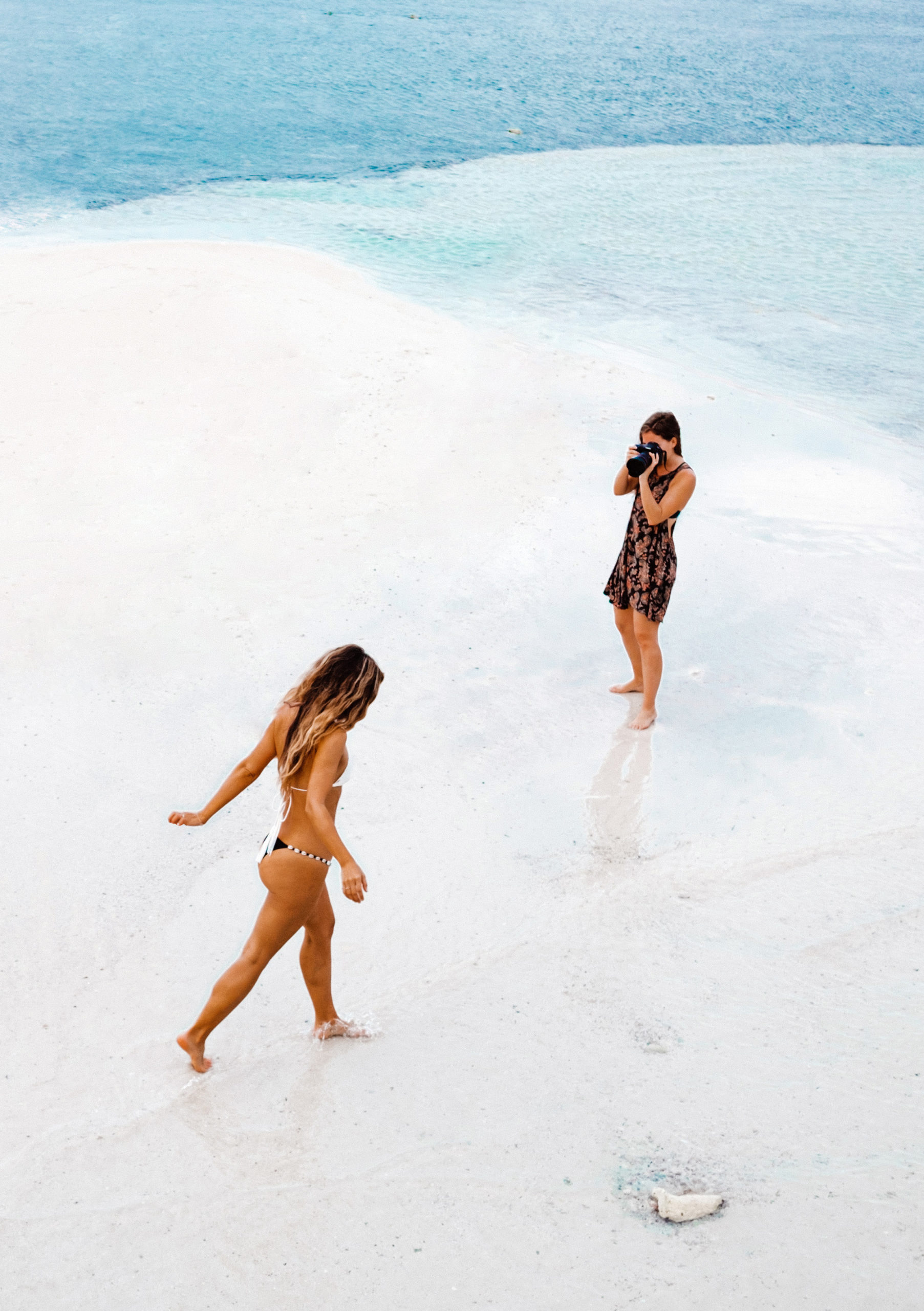
Negative space is the “breathing room” in your shot—the empty or uncluttered areas that surround your main subject. Instead of filling every inch of the frame, you intentionally leave open space to highlight the subject and create a sense of simplicity and focus.
Understanding Positive vs. Negative Space
Positive space is your subject; negative space is everything around it. Think of it like a stage: the actor stands in the spotlight (positive space) while the backdrop (negative space) supports the scene. Both elements work together to tell the visual story.
Why Negative Space Matters
Negative space helps viewers focus on the subject without distraction. It also adds emotional depth—whether it conveys calm, loneliness, mystery, or openness. Well-used negative space makes images feel intentional rather than cluttered.
The Psychology Behind Negative Space
How Our Eyes Perceive Space in Images
Our brains prefer order and places to rest. Negative space gives the eye a pause, which makes the subject stand out more. It’s the photographic equivalent of “personal space” in a crowded room—it makes the interaction between viewer and subject more comfortable.
Creating Balance and Harmony
Without negative space, photos can feel busy and overwhelming. When used well, negative space balances the composition and creates harmony between subject and surroundings.
How to Use Negative Space Effectively
Identify Your Subject First
Before you think about empty areas, decide what your main subject is. The negative space should complement that subject—not compete with it.
Simplify Your Background
Choose plain skies, blank walls, or open fields. Minimal backgrounds help your subject stand out and keep the frame tidy.
Play with Minimalism
Minimalism isn’t about removing everything—it’s about keeping only what’s essential. Let the empty areas speak and let your subject take center stage.
Use Composition Rules (Rule of Thirds, Leading Lines)
Place your subject off-center and let the empty area fill the rest. Leading lines can guide the viewer’s gaze into or through the negative space toward the subject.
Experiment with Different Perspectives
Try shooting from low angles, far distances, or unusual vantage points to play creatively with how space interacts with your subject.
Examples of Negative Space in Different Photography Styles
Portrait Photography
Place your subject off to one side against a blank wall—instant drama and focus. This also gives models room to “look into” the negative space, adding narrative tension.
Landscape Photography
A lone tree against a huge sky or a stretch of ocean with a small boat—these are classic uses of negative space to convey solitude and scale.
Street Photography
Capture a single person walking along a wide, empty street. The empty surroundings create context and mood, making the subject the clear protagonist.
Product Photography
Showcase products on clean backgrounds to draw buyers’ attention. Negative space helps visual hierarchy and can make CTAs and text overlays easier to read.
Common Mistakes When Using Negative Space
Overdoing It
Too much empty space can make an image feel unfinished. The goal is balance—enough space to emphasize the subject, but not so much that the frame looks empty.
Choosing Distracting Backgrounds
Negative space should be simple. Avoid busy textures or patterns that steal attention from the subject—those aren’t negative space, they’re camouflage.
Forgetting Subject Placement
Dropping your subject into the center of a huge empty area can look awkward. Use composition (off-center placement, leading lines) to create intention.
Tips to Practice Negative Space Photography
Shoot in Open Spaces
Parks, beaches, and fields are ideal practice grounds. They give you lots of room to compose and test different subject-to-space ratios.
Use a Wide Aperture
Shallow depth of field can blur backgrounds and help separate the subject from the negative space, especially in portrait or close-up work.
Practice with Monochrome Shots
Black-and-white photography strips away color and highlights shape, contrast, and space—great for learning how negative space affects composition.
Final Thoughts on Negative Space
Negative space isn’t “nothing”—it’s an active part of your storytelling toolkit. When you intentionally leave room in the frame, you give your subject emphasis, mood, and clear visual direction. Like a well-placed pause in music, silence in a photo can be as powerful as the subject itself.
Conclusion
Mastering negative space is about finding the balance between subject and emptiness. Start small—identify your subject, simplify the background, and experiment with placement. With practice, negative space will help you create cleaner, more evocative images that grab attention. Next time you shoot, remember: let your photos breathe.
FAQs
Q1: Is negative space always empty?
A: Not necessarily—it can have texture or subtle color, as long as it doesn’t distract from the subject.
Q2: Can I use negative space in close-up photography?
A: Absolutely. Keep the background simple and use shallow depth of field to maintain focus on your subject.
Q3: What’s the best lens for negative space shots?
A: Wide-angle lenses are great for landscapes, while prime lenses work well for portraits—the choice depends on the look you want.
Q4: Does negative space work in black-and-white photography?
A: Yes—removing color emphasizes shapes and space, often making negative space more dramatic.
Q5: How can I practice negative space photography?
A: Start with simple subjects in open areas, experiment with different angles, and review your shots to see how subject-to-space ratios change the mood.