
Ever walked down a busy street and noticed little moments unfolding all around you? A kid chasing pigeons, an old man feeding stray cats, or a street musician lost in his melody — that’s street photography in action. This guide breaks down gear, techniques, ethics, editing, and practical projects so you can start shooting the streets with confidence.
Introduction to Street Photography
Street photography is the art of photographing everyday life in public spaces. It’s raw, unscripted, and often surprising. Unlike studio photography where everything is controlled, street photography asks you to observe, anticipate, and react. Think of it as urban storytelling — each frame is a tiny narrative of the human condition.
What Makes Street Photography Unique?
Capturing Real Life Unfiltered
Street photos are powerful because they show life unposed. There’s an honesty in candid expressions, accidental compositions, and imperfect lighting that studio setups can’t mimic. These images often resonate because they feel familiar — a shared human moment frozen in time.
The Power of Spontaneity
Street photography thrives on surprise. The best images frequently arrive when you least expect them: a sudden laugh, a gust of wind that lifts a newspaper, a shadow that slices diagonally across a passerby. Cultivate patience — sometimes the single best shot shows up after an hour of waiting in one spot.
Essential Gear for Street Photography
Camera Choices
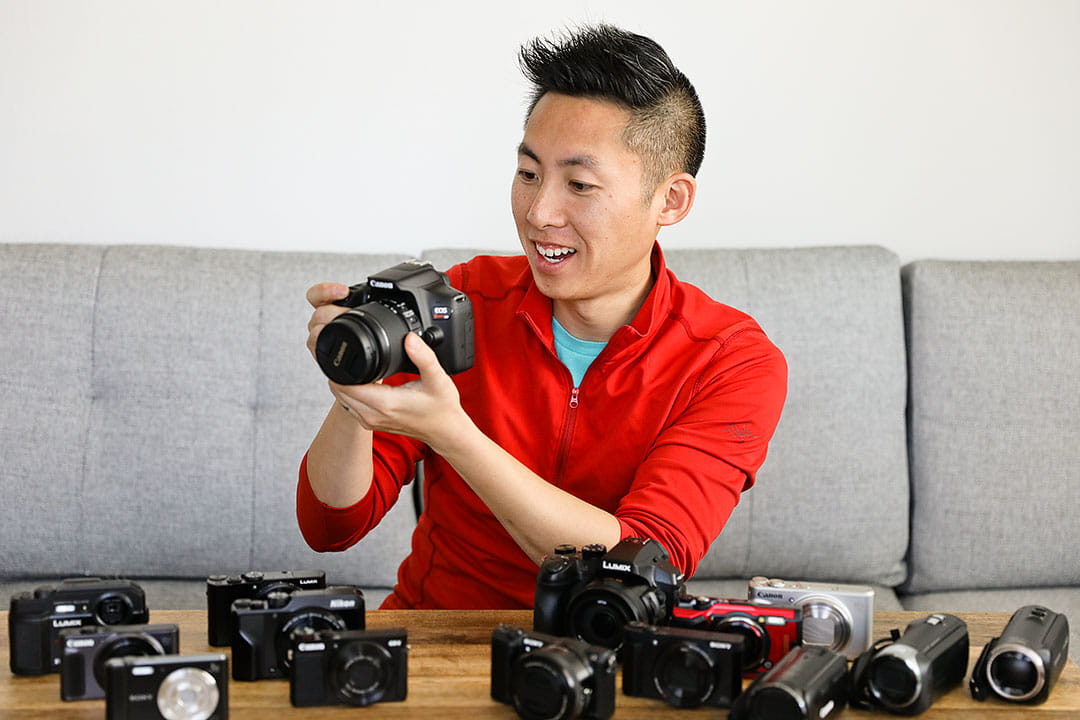
You don’t need the highest-end camera to do street photography. Portability and discretion matter more than megapixels. Compact mirrorless cameras, rangefinders, and even phones are popular because they’re lightweight and unobtrusive. Choose a body that you’ll actually carry for hours.
Lenses for Street Photography
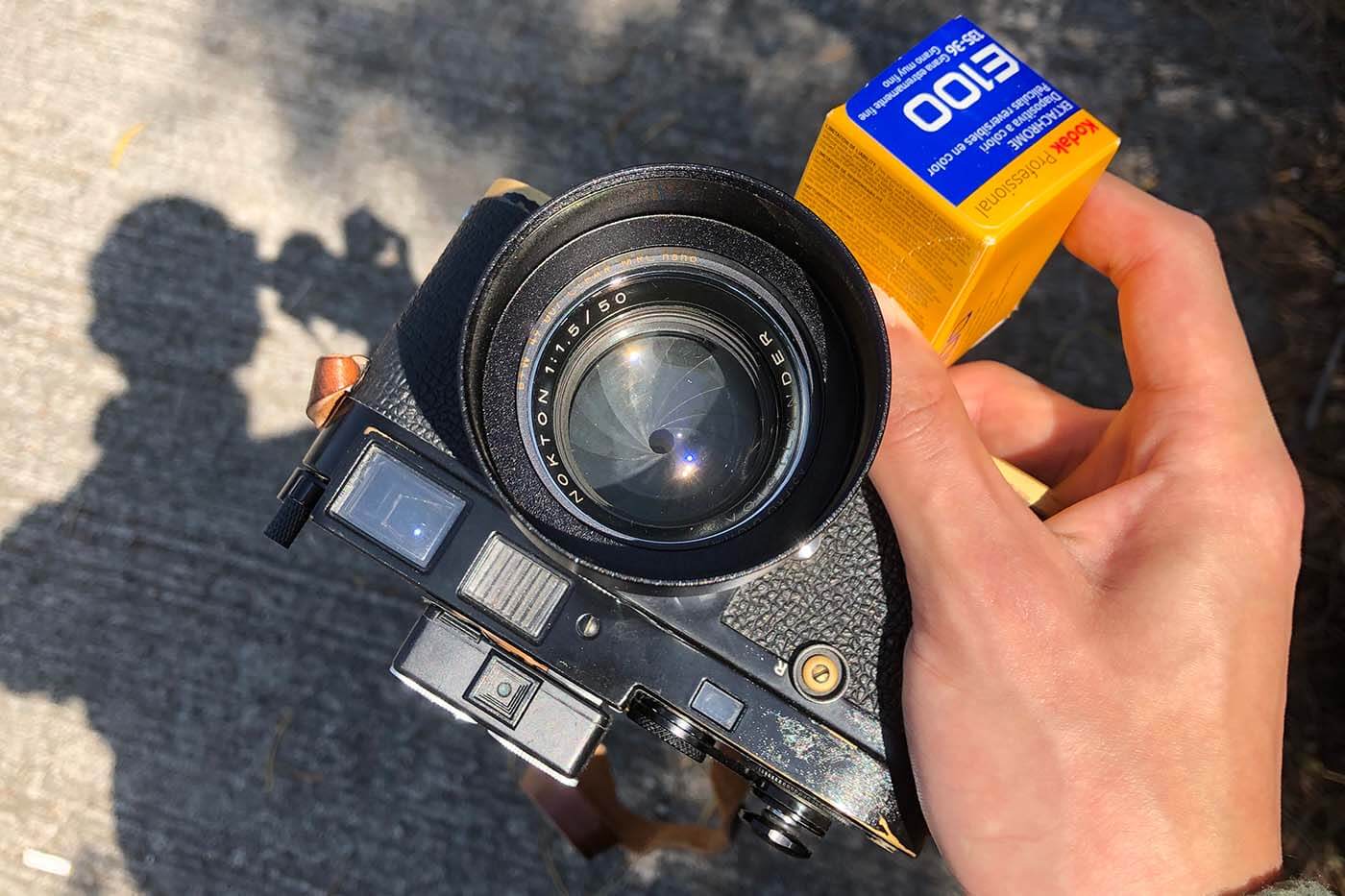
A 35mm or 50mm prime is often called the sweet spot for street work — they give a natural perspective and encourage you to move with the scene. A slightly wider 28mm can be great for environmental context; conversely, a 85mm or longer will let you shoot from a distance, but it’s less intimate.
Accessories That Help
- Extra battery and a small fast memory card
- A discreet, comfortable camera strap or wrist strap
- A compact camera bag or sling that doesn’t scream “expensive gear”
- A lightweight UV filter or lens hood (optional)
Street Photography Techniques
Blending into the Environment
Acting like you belong reduces the self-consciousness of your subjects. Wear neutral clothing, move slowly, and avoid making a scene. The camera should feel like an extension of your eye — visible, but not threatening.
Finding the Right Light
Light makes or breaks a street photograph. Golden hour offers soft warmth and long shadows; harsh midday sun creates contrast and drama. Pay attention to directional light and how it sculpts faces, textures, and architecture. If the light looks interesting, stay put — something worth capturing often follows.
Mastering Candid Shots
Candid photography is about anticipation. Train yourself to see patterns: where people congregate, how they move, and what moments repeat. Keep the camera on a fast shutter speed and be ready for micro-expressions. Use continuous autofocus or zone focus to increase your chances of nailing the shot.
Playing with Shadows and Reflections
Urban settings offer mirrors, puddles, and reflective windows — use them. Shadows can frame subjects or create surreal compositions. Look for repetition and geometry; an ordinary scene can become extraordinary with the right reflection or silhouette.
Overcoming Challenges in Street Photography
Dealing with Strangers
Approaching strangers requires sensitivity. If you want a close portrait, ask politely and be prepared to show the results. For candid shots, observe from a distance and respect people’s space. A smile and relaxed body language go a long way in preventing uncomfortable encounters.
Handling Low Light Situations
Nighttime and low-light environments can produce moody, cinematic images. Use a fast lens (f/1.8 or wider) and raise ISO as needed — modern cameras handle noise well. Embrace grain; it can add texture and mood. If you’re shooting handheld, prioritize shutter speed above all to avoid motion blur unless that blur is intentional.
Staying Safe in Urban Areas
Your safety matters. Keep gear close, lock zippers, and avoid isolated areas at odd hours. Blend in, and if a scene feels risky, move on. Trust your instincts — no photo is worth a dangerous situation.
Legal and Ethical Considerations
Understanding Public Photography Laws
Most places allow photography in public spaces, but laws differ by country and even city. Research local regulations before you travel, especially if you plan to sell images commercially or photograph sensitive locations (airports, courts, etc.). When in doubt, err on the side of caution.
Respecting Privacy
Just because something is legal doesn’t mean it’s kind. If a subject looks distressed or clearly objects, consider deleting the image or asking permission. Ethical photography builds long-term trust and keeps the community open to photographers.
Street Photography Inspiration
Famous Street Photographers to Study
- Henri Cartier-Bresson — the master of the decisive moment
- Vivian Maier — a hidden genius discovered posthumously
- Bruce Gilden — bold, confrontational portraits
- Garry Winogrand — energetic, chaotic city scenes
Projects and Themes to Try
Try a themed project to sharpen focus: document a single street for a day, hunt for a specific color, or create a series of reflections. Constraints force creativity and often yield stronger work.
Editing Street Photography Images
Keeping the Natural Look
Street photography’s power is in its authenticity — avoid heavy-handed retouching. Basic adjustments like exposure, contrast, and a gentle crop usually suffice. Preserve the moment’s texture; small imperfections often make a photo feel real.
Enhancing Mood and Atmosphere
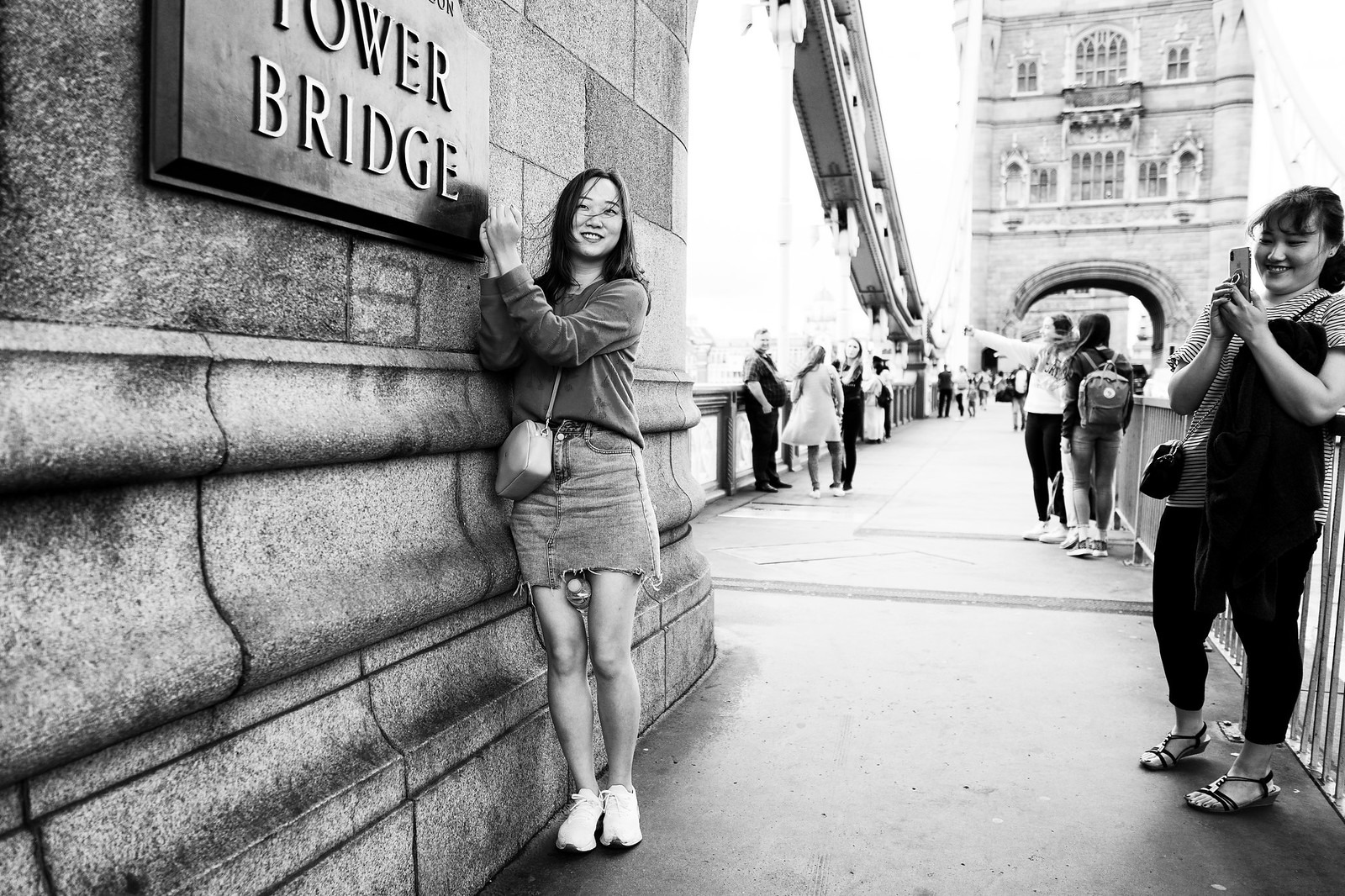
Black-and-white conversions are a classic choice; they strip color distractions and emphasize shape, light, and emotion. Use contrast and tone curves to sculpt the mood, but aim for subtlety. Dodging and burning selectively can guide the viewer’s eye without losing the candid feel.
Building Confidence as a Street Photographer
Practice Without Pressure
Street photography is a skill you build by doing. Schedule casual outings where the goal is learning, not producing a masterpiece. Over time you’ll notice patterns, preferred compositions, and your own visual voice emerging.
Learn from Mistakes
Missed moments and blurry files are part of the path. Review your images, identify what worked, and adapt. Talk to other photographers, join local photo walks, and accept feedback — it accelerates growth.
Conclusion
Street photography is a thrilling mix of observation, timing, and empathy. It invites you to slow down in a fast world — to notice small, meaningful gestures that most people miss. Keep your camera handy, practice regularly, and don’t be afraid to make mistakes. The city is full of stories; all you need to do is look for them.
FAQs
1. Is street photography legal everywhere?
Laws vary by country—research local regulations, especially if you plan to sell images or shoot in sensitive locations.
2. What camera settings are best for street photography?
A fast shutter speed (1/250s or faster for moving subjects) and a moderate aperture (around f/5.6) are safe starting points. Adjust ISO based on light.
3. Should I ask permission before taking someone’s photo?
Not always necessary in public places, but asking can avoid conflict and sometimes yields better portraits. Use judgment and be polite.
4. Can I do street photography with a phone?
Absolutely. Modern smartphones take impressive street photos and are incredibly discreet — perfect for candid work.
5. What’s the best time of day for street photography?
Golden hours (shortly after sunrise and before sunset) offer the most flattering light, but midday and night each have unique advantages for contrast and atmosphere.