
When it comes to portrait photography, focusing on the eyes is the single most powerful change you can make to instantly lift your images. This practical guide covers why the eyes matter, how to ensure they’re sharp, creative tricks, gear tips, and practice exercises to help you master this essential skill.
Why the Eyes Matter Most in Portrait Photography
The Emotional Connection Through Eye Contact
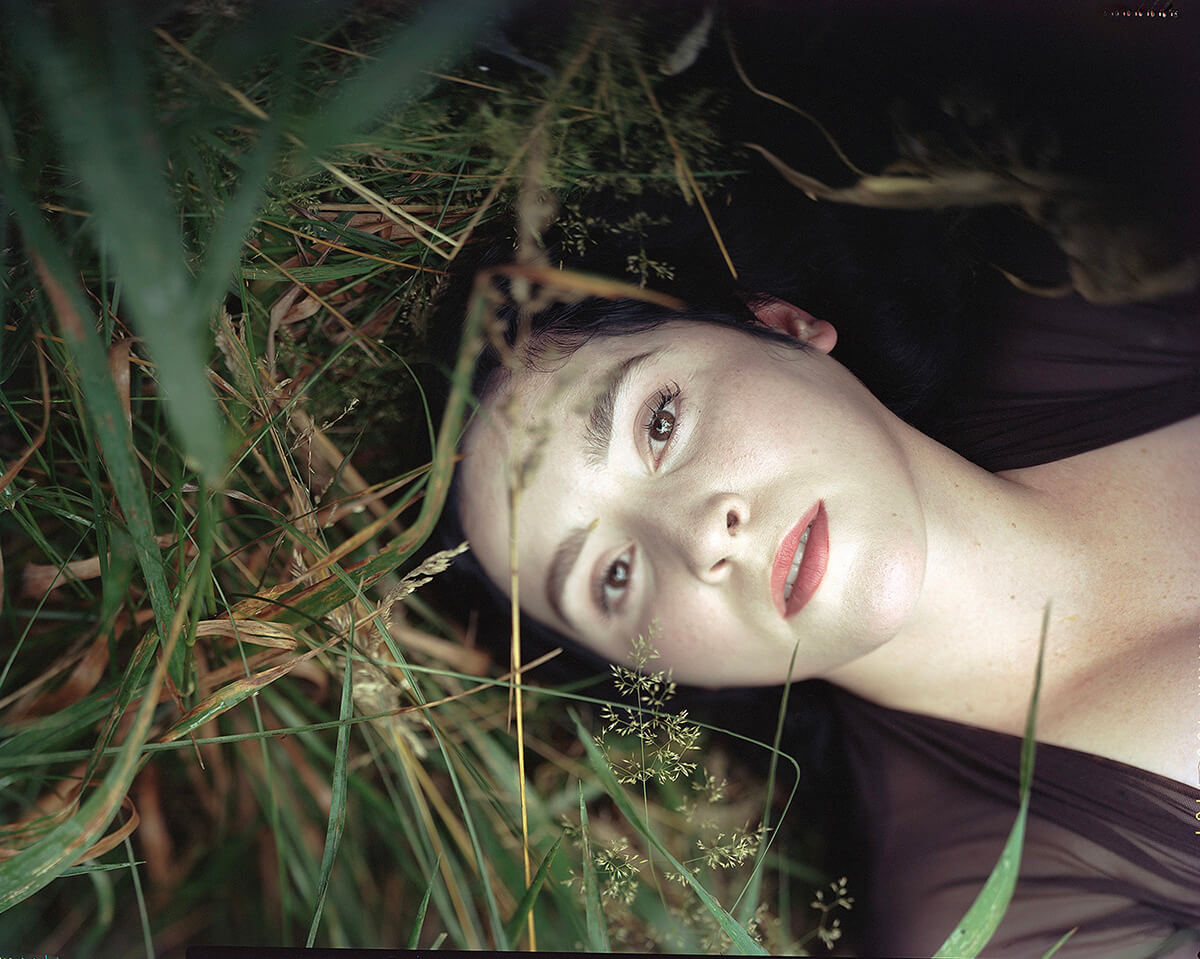
Eyes create an immediate emotional link between subject and viewer. A sharp gaze invites the audience in; soft or blurred eyes push them away. If your portrait misses the eyes, it often loses its impact.
Storytelling Power of the Eyes
Because eyes convey subtle emotion—curiosity, joy, melancholy—they act as storytelling anchors. A single crisp, expressive eye can carry the mood of the entire frame.
Understanding Focus in Photography
What Does “Focusing on the Eyes” Mean?
Focusing on the eyes means prioritizing eye sharpness above other facial details. In angled faces, the nearest eye should be tack-sharp; the rest of the face may fall slightly softer but still readable.
The Science Behind Eye Detection in Cameras
Modern cameras use sophisticated algorithms called eye-detection autofocus (AF). These systems detect and track a subject’s eyes, helping photographers hold perfect focus even as the subject moves.
Techniques to Ensure Sharp Eye Focus
Use Single-Point Autofocus
Switching to a single AF point gives you control to place focus precisely over the eye. It’s especially useful at wide apertures where the depth of field is minimal.
Eye-Detection Autofocus in Modern Cameras
If your camera supports eye-detection AF, enable it. Brands like Sony, Canon, Nikon, and others have made tracking easier—use it for moving or unpredictable subjects.
Manual Focus for Full Control
For studio portraits or creative shallow depth-of-field shots, manual focus plus live-view magnification lets you fine-tune exactly where the sharpest plane lies—usually on the eye.
Positioning and Composition for Eye Impact
Rule of Thirds and Eye Placement
Place the eyes along the upper third to create balanced, engaging portraits. It’s a subtle composition trick that naturally guides the viewer.
Leading Lines Towards the Eyes
Use arms, hair, or environmental lines to draw the viewer’s gaze toward the eyes—think of them as the visual destination of your frame.
Using Light to Highlight the Eyes
Catchlights are small reflections that bring eyes to life. Position your light or reflector to add a controlled sparkle—this adds depth and presence to the portrait.
Dealing with Depth of Field and Aperture
Choosing the Right Aperture for Portraits
Apertures between f/1.8 and f/4 work well for portraits—wide enough to blur backgrounds but small enough to keep the eyes sharp. Test your lens to find the sweet spot where sharpness peaks.
Balancing Eye Focus with Bokeh
Beautiful bokeh can make a portrait pop, but never at the expense of eye sharpness. Take an extra second to confirm focus when shooting wide open.
Common Mistakes When Focusing on the Eyes
Missing Focus on the Wrong Eye
When faces are angled, photographers sometimes lock focus on the far eye—avoid this. Always aim for the eye closest to the lens for a natural result.
Movement and Blurriness Issues
Subject movement can ruin perfect focus. Counteract it with faster shutter speeds (start at 1/200s) or ask your subject to hold still for bursts of frames.
Creative Ways to Draw Attention to the Eyes
Using Reflections in the Eyes
Reflections from windows, water, or colored lights can add storytelling layers. Use them intentionally rather than by accident.
Playing with Eye Color Enhancement
Enhancing eye color in post can lift a portrait—keep edits subtle so they look natural. Small clarity and contrast adjustments can make a huge difference.
The Power of Catchlights
Catchlights act like the portrait’s heartbeat—tiny, bright, and energizing. Even a single, well-placed catchlight changes the perceived life in the eyes.
Gear Recommendations for Perfect Eye Focus
Best Lenses for Eye Sharpness
Classic portrait primes like 85mm f/1.8, 50mm f/1.4, and 35mm f/1.8 produce excellent eye sharpness and creamy backgrounds. Choose lenses known for their mid-frame sharpness.
Camera Settings to Keep in Mind
Use AF-S (single) for still subjects and AF-C (continuous) for moving subjects. Keep ISO low for detail and consider enabling face/eye AF when available.
Practice Exercises for Improving Eye Focus Skills
Static Portrait Practice
Work with a friend or model in good light. Place your focus point on the eye, take multiple frames, and review at 100% to judge sharpness.
Moving Subject Practice
Ask your subject to slowly turn or walk while you track their eyes. This strengthens your AF tracking skills and helps you learn camera-specific quirks.
Conclusion
Mastering photography tip 38—focusing on the eyes—will immediately improve your portraits. The eyes provide emotional weight, storytelling, and the connection that turns a picture into a moment. Practice these techniques, test different apertures and lenses, and always confirm your focus when shooting wide open. The payoff is photographs that truly engage.
FAQs
- Q1: Which eye should I focus on in portraits?
- A: Focus on the eye closest to the camera; it keeps the face looking natural and balanced.
- Q2: Can I use auto mode to focus on the eyes?
- A: Yes—modern cameras’ eye-detection AF works well, but single-point AF gives maximum control.
- Q3: What’s the best aperture for sharp eyes?
- A: Generally between f/1.8 and f/4—test your lens to find its sharpness sweet spot.
- Q4: How do I add catchlights?
- A: Position a light source or reflector near the lens axis so it reflects in the subject’s eyes.
- Q5: Do I need an expensive camera for sharp eyes?
- A: Technique matters more than price. Good lenses and practice will deliver great results even on modest bodies.
“CameraTale.com brings you expert photography tips, gear guides, and step-by-step tutorials to help you capture your best shots. Perfect for beginners and pros alike.”