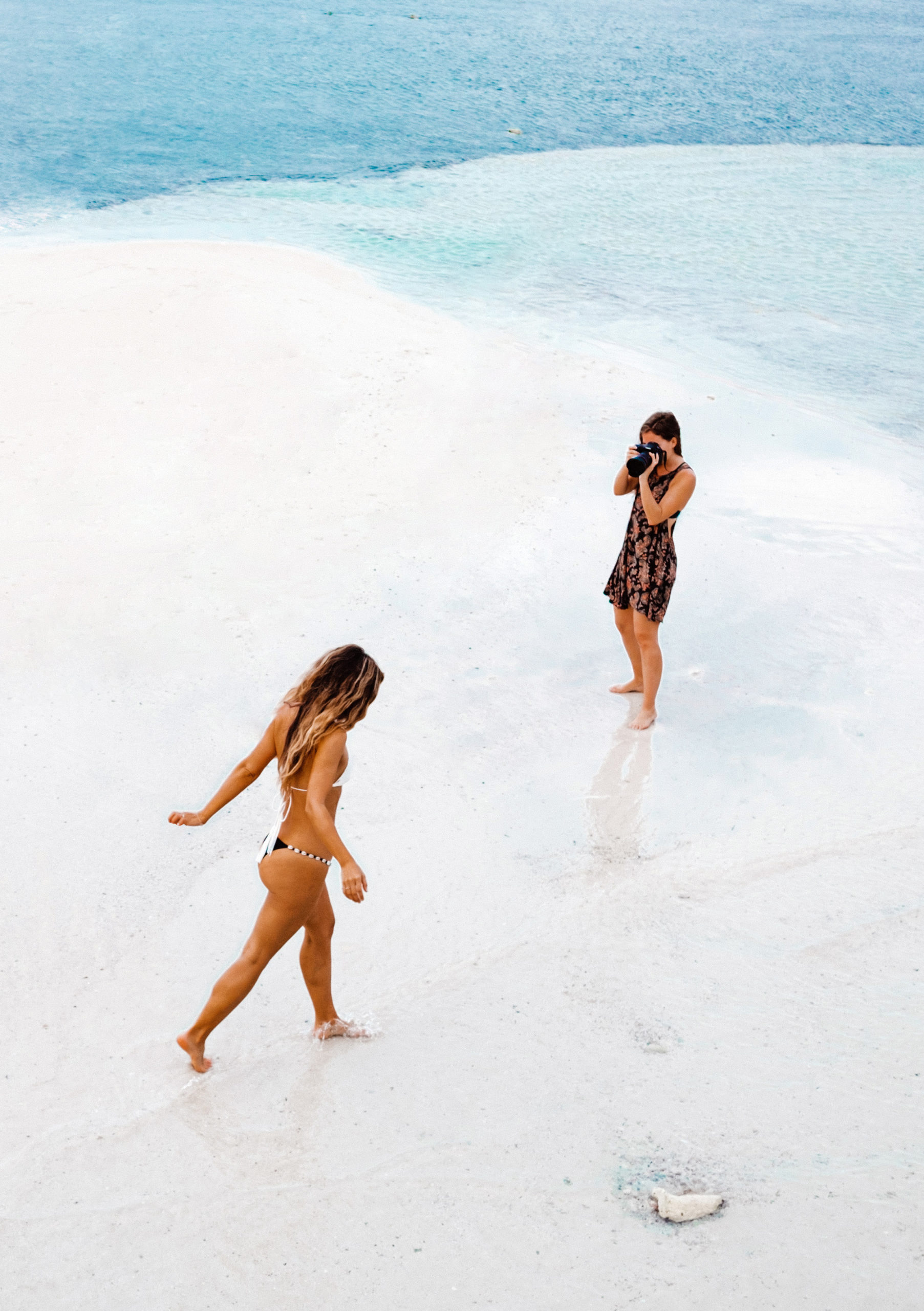


Natural light can make or break your photos. It’s like that secret ingredient in a recipe—sometimes subtle, sometimes bold, but always transformative. If you’ve been relying on artificial lighting, learning how to use natural light will elevate your photography skills to the next level. Let’s dive into the world of natural light photography tips and see how you can master this skill.
Why Natural Light Matters in Photography
Natural light gives photos a genuine, organic feel that studio lighting can’t always replicate. It’s dynamic, versatile, and free! Plus, it can drastically affect the mood of your images. Whether you’re shooting portraits, landscapes, or lifestyle photos, knowing how to harness sunlight is key.
Understanding Different Types of Natural Light
Golden Hour Light
This is the soft, warm light shortly after sunrise or before sunset. Shadows are long, highlights are gentle, and skin tones look amazing. Golden hour is perfect for portraits, outdoor weddings, and lifestyle shots.
Blue Hour Light
Right before sunrise or just after sunset, the sky turns a deep blue, and light is soft and even. This is ideal for moody landscapes or creative urban photography.
Harsh Midday Sun
Direct sunlight around noon can be brutal, creating deep shadows and blown-out highlights. But if used creatively, it can add drama and contrast.
Essential Equipment for Natural Light Photography
Cameras and Lenses
A camera with a wide dynamic range will handle shadows and highlights better. Prime lenses with wide apertures (like f/1.8 or f/2.8) allow more light in, giving you sharper and more vibrant photos.
Reflectors and Diffusers
Reflectors bounce sunlight back onto your subject, filling shadows naturally. Diffusers soften harsh sunlight, reducing contrast and making your images look polished without heavy editing.
Best Practices for Shooting in Natural Light
Positioning Your Subject
Where your subject stands relative to the light source is crucial. Front lighting illuminates details, side lighting adds depth, and backlighting creates dreamy silhouettes. Experiment with angles for creative effects.
Understanding Shadows and Highlights
Observe how sunlight interacts with your scene. Shadows can add drama, while highlights draw attention to the subject. Learn to balance the two to avoid blown-out areas or murky details.
Using Natural Light Indoors
Window Light Techniques
Position your subject near a window for soft, flattering light. Use curtains as diffusers if the sunlight is too harsh.
Open Shade and Indoor Diffusion
Open shade (areas near the window but not directly in sunlight) provides evenly lit images. You can also use white walls to bounce light back onto your subject naturally.
Outdoor Natural Light Photography Tips
Shooting in the Golden Hour
Plan your shoots during golden hour for warm, soft light. Even a few minutes of shooting at this time can dramatically improve your photos.
Managing Harsh Light
Use natural reflectors like white walls, sand, or snow to bounce light onto your subject. Or find shaded areas to reduce harsh shadows.
Creative Backlighting Techniques
Backlighting can produce stunning silhouettes and glowing hair or rim effects. Position your subject between you and the sun and adjust exposure carefully to capture that magical light.
Post-Processing Tips for Natural Light Photography
Editing is where you enhance the natural beauty captured on camera. Adjust exposure, contrast, and white balance to bring out the warmth or coolness of natural light. Subtle edits can make your photos look professional without losing authenticity.
Common Mistakes to Avoid
- Ignoring the direction of light
- Shooting harsh midday sun without modifiers
- Over-relying on post-processing
- Not adjusting camera settings for natural light changes
- Forgetting to check shadows and highlights in your composition
Conclusion
Mastering natural light can transform your photography, adding depth, mood, and authenticity to every shot. Whether shooting indoors or outdoors, golden hour or midday sun, learning how to manipulate light is essential for any photographer looking to elevate their craft. Remember, the key is observation, practice, and creativity.
FAQs
- What is the best time of day for natural light photography? Golden hour—shortly after sunrise and before sunset—offers soft, warm light that enhances almost every photo.
- Can I use natural light for indoor photography? Absolutely! Window light, open doors, and reflective surfaces can provide excellent indoor lighting.
- How do I manage harsh sunlight? Use diffusers, reflectors, or shaded areas to soften shadows and prevent overexposure.
- What gear is essential for natural light photography? A camera with a wide dynamic range, fast lenses, and optional reflectors/diffusers.
- Can backlighting improve my photos? Yes! Backlighting can create silhouettes, rim lighting, and a dreamy glow if handled properly.
Discover more expert natural light photography tips and transform your photography skills at CameraTale.com. Unlock your potential with our practical guides and tutorials today!