
Introduction
Let’s be real—wildlife photography isn’t like snapping a selfie or taking a quick pic of your lunch. It’s raw. It’s unpredictable. And above all… it takes patience. That’s exactly why Photography Tip 14 is: “Practice the Art of Patience in Wildlife Photography.”
This tip is often overlooked by beginners, but ask any seasoned pro and they’ll tell you: patience separates a good wildlife photo from an unforgettable one. So, if you’re looking to level up your photography game, especially in the wild—keep reading.
Why Patience Is Crucial in Wildlife Photography
Nature Doesn’t Follow a Schedule
In the wild, you’re not in control. Unlike studio sessions where you can dictate lighting and timing, wildlife operates on its own clock. Animals don’t care if you woke up at 5 AM to catch the golden hour—they’ll show up when they feel like it (if at all).
Wild Animals Are Unpredictable
You might spot movement in the trees, only to realize it was a squirrel—not the majestic eagle you were hoping for. That’s the thing: you can’t rush nature, and that unpredictability is what makes wildlife photography so thrilling… and frustrating.
Lighting Conditions Change Constantly
Natural light is a double-edged sword. One minute, it’s casting a golden glow over your subject. The next? Clouds roll in. Being patient allows you to wait for the perfect light, even if it takes hours.
The Benefits of Being a Patient Wildlife Photographer
Capturing Natural Behavior
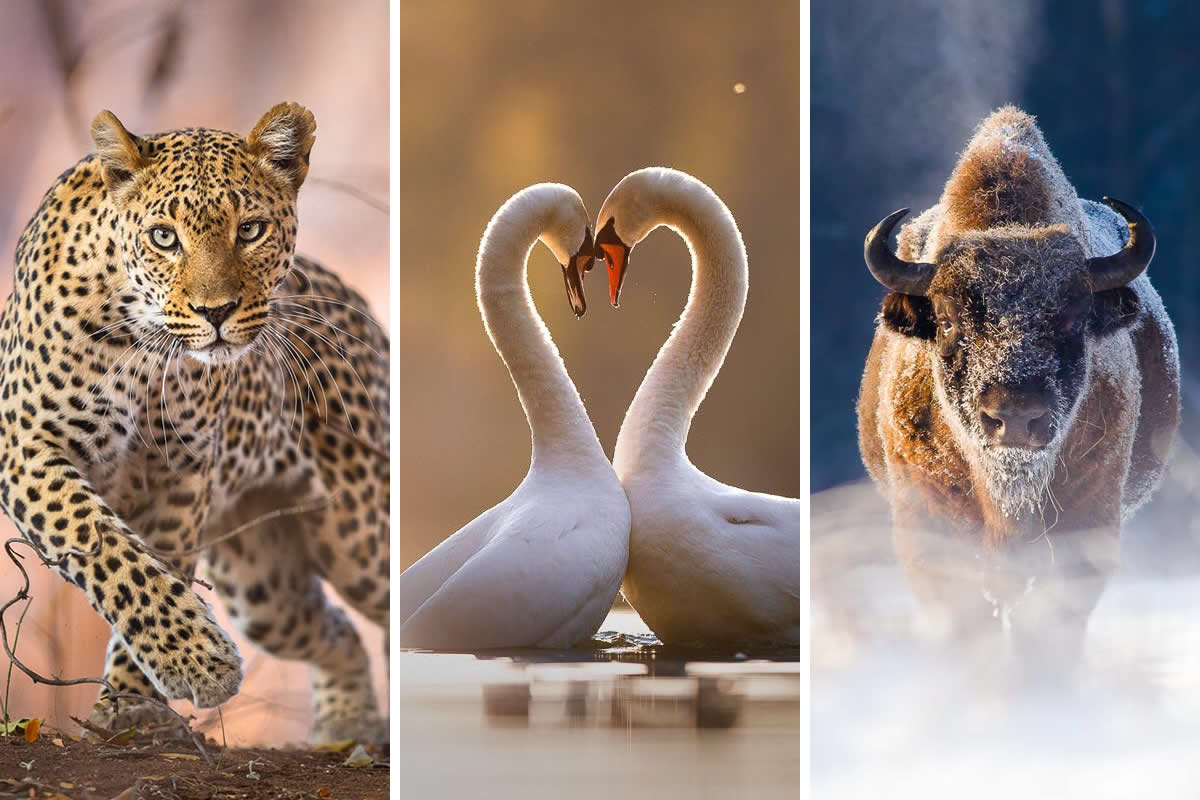
Animals can sense anxiety. If you’re fidgeting, making noise, or moving too quickly, they’ll vanish. But if you blend into their environment and stay calm, you’ll witness them acting naturally—feeding, grooming, even playing.
Waiting for the Perfect Moment
Some of the most iconic wildlife shots took hours (or even days) to get. That jaw-dropping moment when a bear catches a salmon mid-air? Yeah, that’s not luck. That’s patience in action.
Building a Deeper Connection with Nature
When you’re not rushing, you start to see more—subtle behaviors, shifting light, tiny details. Patience allows you to become a silent observer, more connected to the rhythms of the wild.
How to Develop Patience Behind the Lens
Start with Small Wildlife Projects
If you’re new to wildlife photography, begin with backyard birds or squirrels. They’re easier to find and photograph. Practicing patience in these settings helps prepare you for bigger challenges like deer, foxes, or even big cats.
Practice Mindful Observation
Instead of immediately reaching for your camera, try just watching. Notice how animals move, when they’re active, and where they go. This builds your observational skills—and yes, your patience too.
Set Realistic Expectations
You won’t nail a National Geographic-worthy shot every time you head out. Go in with zero expectations, and you’ll come out much more satisfied with the process.
Practical Tips to Stay Calm and Collected
Dress for Comfort and Conditions
Cold toes and bug bites? Not ideal when you’re trying to stay focused. Dress appropriately for the terrain and temperature so you’re not counting down the minutes until you can leave.
Use the Right Gear to Reduce Frustration
Reliable tripods, long lenses, and silent shutters can make your time in the field smoother. Malfunctioning gear can kill your mood and your shot, so prep beforehand.
Bring Snacks, Water, and Entertainment
You might be waiting for hours. Bring trail mix, a thermos of coffee, and maybe a podcast (use one earbud so you don’t miss your moment). The more comfortable you are, the longer you’ll last.
Real Stories: When Patience Paid Off
The Elusive Snow Leopard
A wildlife photographer once spent 3 weeks in the Himalayas just to catch a single glimpse of a snow leopard. On day 19, it happened—the perfect profile shot as the cat looked directly into the lens. That one image sold in galleries and earned multiple awards. All because he didn’t give up.
The Hummingbird Freeze-Frame
Another photographer sat near a feeder for 10 hours straight, trying to capture the split-second when a hummingbird paused mid-flight. The result? A frame-perfect shot with wings spread wide, frozen in time like magic.
Common Mistakes Impatient Photographers Make
Chasing Instead of Waiting
Chasing animals almost always leads to blurry photos—or worse, you scare them off. Patience means letting them come to you.
Over-Shooting the Scene
Clicking away hundreds of shots in a hurry doesn’t guarantee a great photo. Sometimes, the best moments come from waiting… and shooting sparingly but with intention.
Getting Discouraged Too Soon
It’s easy to pack up after 30 minutes of nothing. But often, the magic happens right when you’re about to leave. Stick it out a little longer.
Final Thoughts on Photography Tip 14
Photography Tip #14 may seem simple, but it’s actually one of the most powerful skills you can develop. In a world obsessed with speed and instant results, patience is your secret weapon.
Whether you’re photographing lions on the savannah or squirrels in your backyard, patience makes all the difference between “just another photo” and a jaw-dropper.
Conclusion
Wildlife photography isn’t about luck—it’s about waiting, watching, and respecting the wild. If you take anything away from this tip, let it be this: slow down. Let nature move at its own pace.
So next time you’re out in the wild, take a deep breath and wait. That once-in-a-lifetime shot is probably just around the corner… if you’re patient enough to see it.
FAQs
How can I stay patient while waiting for wildlife?
Bring something to keep you mentally engaged—like an audiobook, journal, or even a sketchpad. Also, go in with no expectations and treat it like meditation.
What gear helps with patient wildlife photography?
A sturdy tripod, a long telephoto lens (like 300mm+), silent shutter mode, camouflage, and noise-reducing gear can help keep you hidden and steady.
How long should I wait in one spot for wildlife?
There’s no set time. Sometimes it’s 15 minutes. Sometimes it’s 6 hours. Trust your instincts and don’t leave just because you’re bored.
What animals require the most patience to photograph?
Animals like snow leopards, jaguars, and owls are notoriously elusive and require weeks or even months of effort to photograph well.
Can patience be learned or is it natural?
It can absolutely be learned! Like any skill, the more you practice, the better you get. Start small, and build up your patience muscle over time.
Looking to sharpen your photography skills and uncover more essential tips like this?
Explore the world of visual storytelling at CameraTale.com — your go-to hub for real-world tips, pro guides, and gear reviews.CameraTale.com — Because every picture has a story, and we help you tell it better.