
Introduction: Why Reflections Matter
Let’s be real—reflections are like nature’s Photoshop. They add a magical touch to even the most ordinary scenes. Whether it’s a mountain mirrored in a calm lake or a cityscape bouncing off a glass building, reflections can transform your photos into something mesmerizing. That’s why today’s photography tip 15 is all about using reflections creatively.
What Makes Reflections So Powerful in Photography?
Visual Interest and Symmetry
Reflections can create a perfect symmetry that instantly grabs attention. It’s like a mirror universe living inside your photo. Our eyes love balance, and symmetrical shots often stop people mid-scroll.
Storytelling Through Reflections
Ever seen a portrait where the reflection reveals more than the subject? Maybe a thoughtful gaze, or a reflection in water hinting at the mood? Reflections can add emotion, mystery, or even humor when used intentionally.
Photography Tip 15: Use Reflections Creatively
Breaking Down Tip #15
Photography tip 15 isn’t just “find water and click a shot.” It’s about thinking creatively—using reflections to express emotion, symmetry, contrast, or duality. It’s an invitation to look at your environment differently.
Types of Reflections You Can Use
Natural Reflections
- Lakes, puddles, rivers, ice, or wet sand after rain.
- These offer dynamic elements, especially when combined with light.
Man-Made Reflections
- Glass buildings, car windows, polished floors, or even sunglasses.
- Urban landscapes are full of reflective surfaces just waiting to be used.
Abstract or Fragmented Reflections
- Broken mirrors, wavy glass, or distorted metal can create artsy, surreal effects.
Best Surfaces for Capturing Reflections
Water (Still & Flowing)
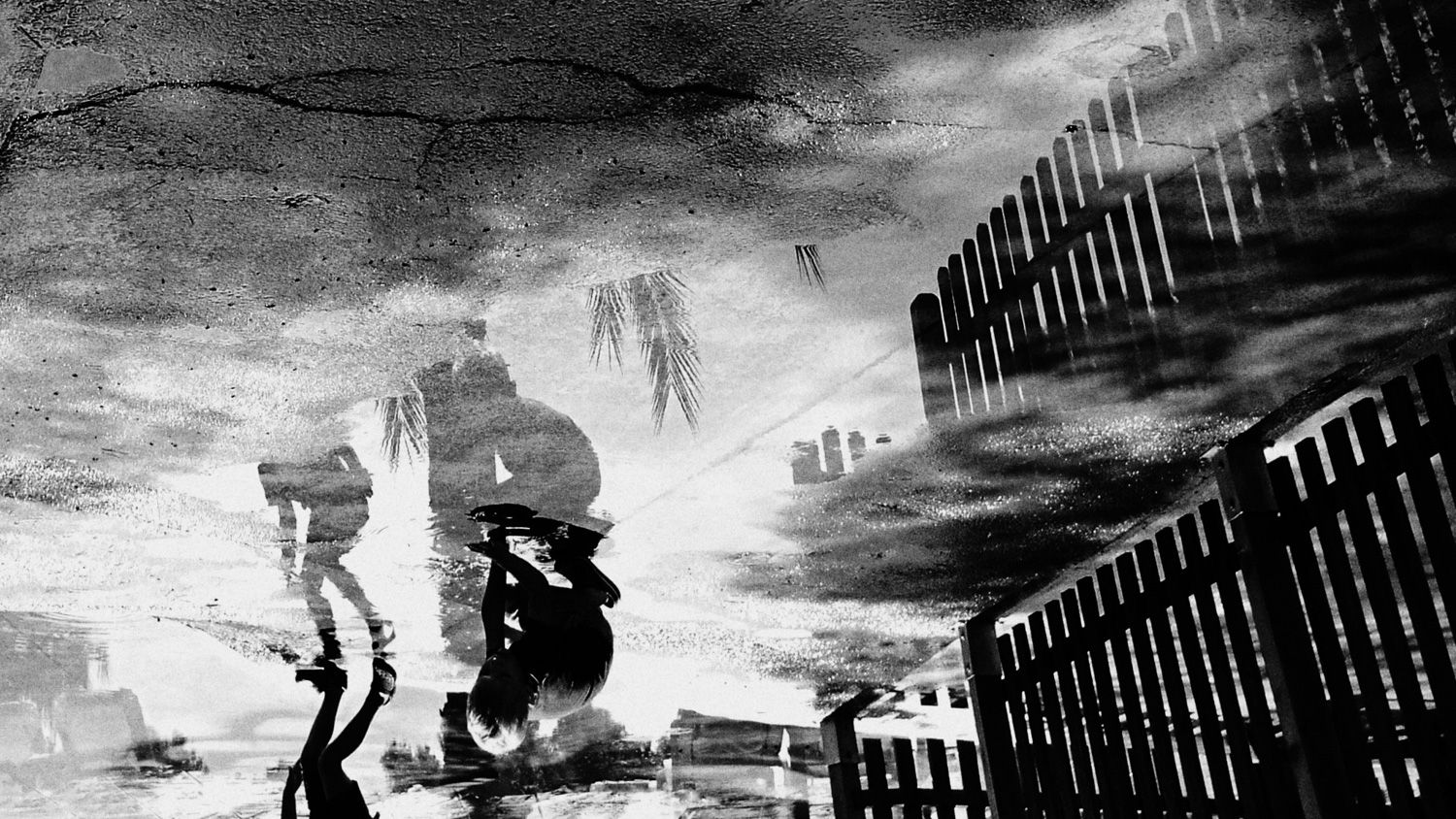
Still water acts like a clean canvas—mirror-like and detailed. Flowing water, on the other hand, adds motion blur and mood. Try shooting after a rainstorm or near a calm pond during golden hour.
Mirrors and Glass
Great for studio shoots or creative portraits. Want a surreal twist? Use multiple mirrors. Glass, especially tinted or frosted, can introduce unique lighting and color effects.
Shiny Objects and Surfaces
Think spoons, metallic tables, car hoods, or marble floors. Even a smartphone screen can be a clever reflective tool if positioned right.
Techniques to Use Reflections Creatively
Framing Your Subject
Try placing your subject in the reflection rather than in the main frame. It creates an unexpected twist and makes your composition more engaging.
Play with Light and Angles
Angle is everything. Move around. Get low. Look for where the reflection appears best. Golden hour light can make reflections shimmer and glow.
Try Upside Down Compositions
Flip the photo during editing so the reflection appears at the top. It throws the viewer off—in a good way—and adds mystery or dream-like quality.
Common Mistakes to Avoid with Reflections
Dirty Surfaces and Distractions
You’d be surprised how much a little smudge on glass or debris in water can ruin your shot. Always check your surface and background before clicking.
Overediting Reflections
Too much clarity or contrast can make reflections look fake. Keep it natural unless you’re going for a fantasy or abstract style.
Inspiring Examples of Reflection Photography
Want to get inspired? Search for works by photographers like Michael Kenna or explore Instagram hashtags like #reflectionphotography or #mirrorworld. These pros use reflections to build mood, depth, and drama.
Recommended Camera Settings for Reflection Shots
- Aperture: Start around f/8–f/11 for sharpness.
- Shutter Speed: Use a tripod for longer exposures (especially with water).
- ISO: Keep it low (100–200) to avoid grain.
- Focus: Use manual focus if the auto isn’t locking on the reflection properly.
Post-Processing Tips for Enhancing Reflections
- Use lightroom sliders to tweak contrast, shadows, and highlights.
- Try local adjustments to brighten the reflection area without overexposing the whole image.
- Add a graduated filter for balance between reflection and main scene.
Creative Exercises: Practice Reflection Photography
- Puddle Hunt: After a rain, explore your city for creative puddle shots.
- Mirror Play: Take a handheld mirror outdoors and experiment with sky or nature shots.
- Glass Portraits: Shoot a subject behind a window or with their reflection on a glass table.
- Night Lights: Capture neon or street lights reflecting off wet streets for moody urban shots.
Final Thoughts on Tip #15
Photography tip 15 isn’t just a technical trick—it’s an artistic mindset. You start seeing reflections not just as surfaces, but as storytelling tools. Whether it’s a fleeting puddle or a massive glass building, every reflection holds creative potential.
Conclusion
Reflections are everywhere—they’re just waiting for you to notice them. With a little creativity, you can turn everyday scenes into stunning compositions that leave a lasting impression. So next time you’re out shooting, pause, look around, and think: “Where’s the reflection in this moment?”
Looking for more creative photography ideas? Explore CameraTale.com for in-depth tips, gear reviews, and guides to help elevate your photography game!
FAQs
What is reflection photography?
Reflection photography is the art of capturing images that include reflected surfaces like water, glass, or mirrors to add depth, symmetry, or mood to the photograph.
How do you photograph reflections in water?
Use a low angle, find still water, shoot during golden hour, and use a tripod for sharpness. Reflections pop best when the light is soft and the water is undisturbed.
Do I need special gear for reflection shots?
Nope! A basic DSLR or mirrorless camera works fine. But a tripod and polarizing filter can give you better control, especially in bright outdoor settings.
Should I shoot reflections in RAW or JPEG?
Always go for RAW if you want the best flexibility in post-processing. Reflections often need subtle adjustments, and RAW gives you that wiggle room.
How do I make reflections stand out more?
Use strong contrast, frame creatively, and experiment with light. Slight editing in Lightroom (like adjusting clarity or highlights) can help too.
🧠 Want to level up your photography skills even more? CameraTale.com is packed with tips like these, gear recommendations, and creative inspiration for every type of photographer!