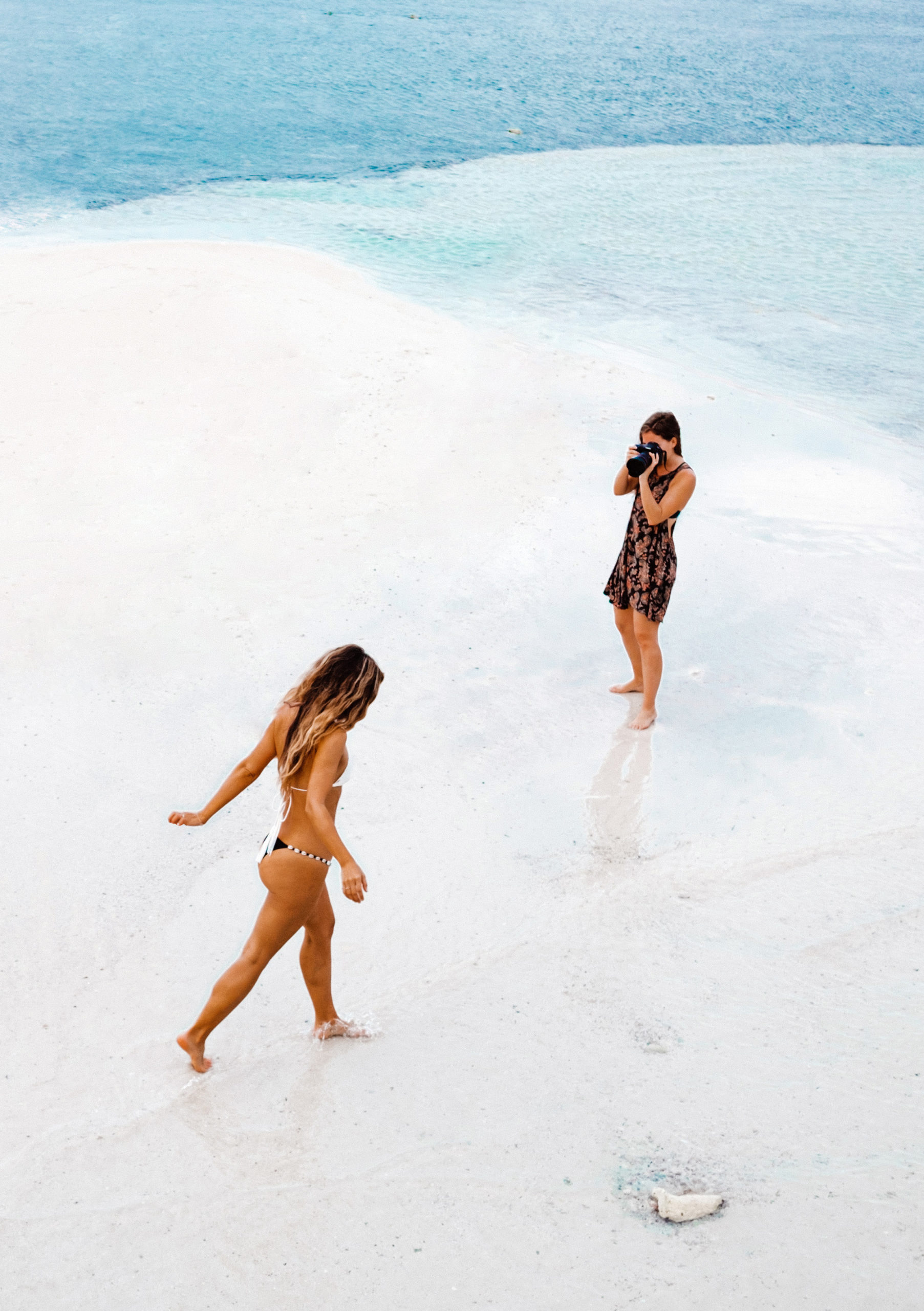

Photography Tip 19 is simple yet powerful: Get close to your subject. It sounds obvious, but in reality, most beginner photographers stand too far away. This little shift—physically moving closer—can transform an ordinary shot into something intimate, detailed, and full of life.
Let’s unpack why getting close matters so much and how to use it to level up your photography game.
Why Getting Close Makes a Big Difference
If your subject is the star, why shoot from the cheap seats? Closing the gap lets you immerse your viewer in the moment.
The Emotional Impact of Proximity
Being close isn’t just a technical decision—it’s emotional. A close-up portrait reveals every wrinkle, smile line, or sparkle in someone’s eyes. It makes the image feel personal, like you’re part of the scene rather than a distant observer.
Capturing the Details Others Miss
Dust on a guitar string. Raindrops on a flower petal. The reflection in someone’s sunglasses. These are details you’ll never catch from across the room. Getting closer is like leaning in to hear a secret—it’s where the magic hides.
The Science Behind Closer Shots
How the Human Eye Perceives Proximity
Our brains are wired to notice closeness. When something fills our field of vision, it feels more important. Close photography tricks the brain into thinking, This matters. Pay attention.
Depth, Perspective, and Visual Storytelling
A close perspective exaggerates depth, making the subject pop against the background. It also forces the viewer into your chosen focal point, tightening the story you’re telling with your photo.
When to Apply Photography Tip 19
Portrait Photography
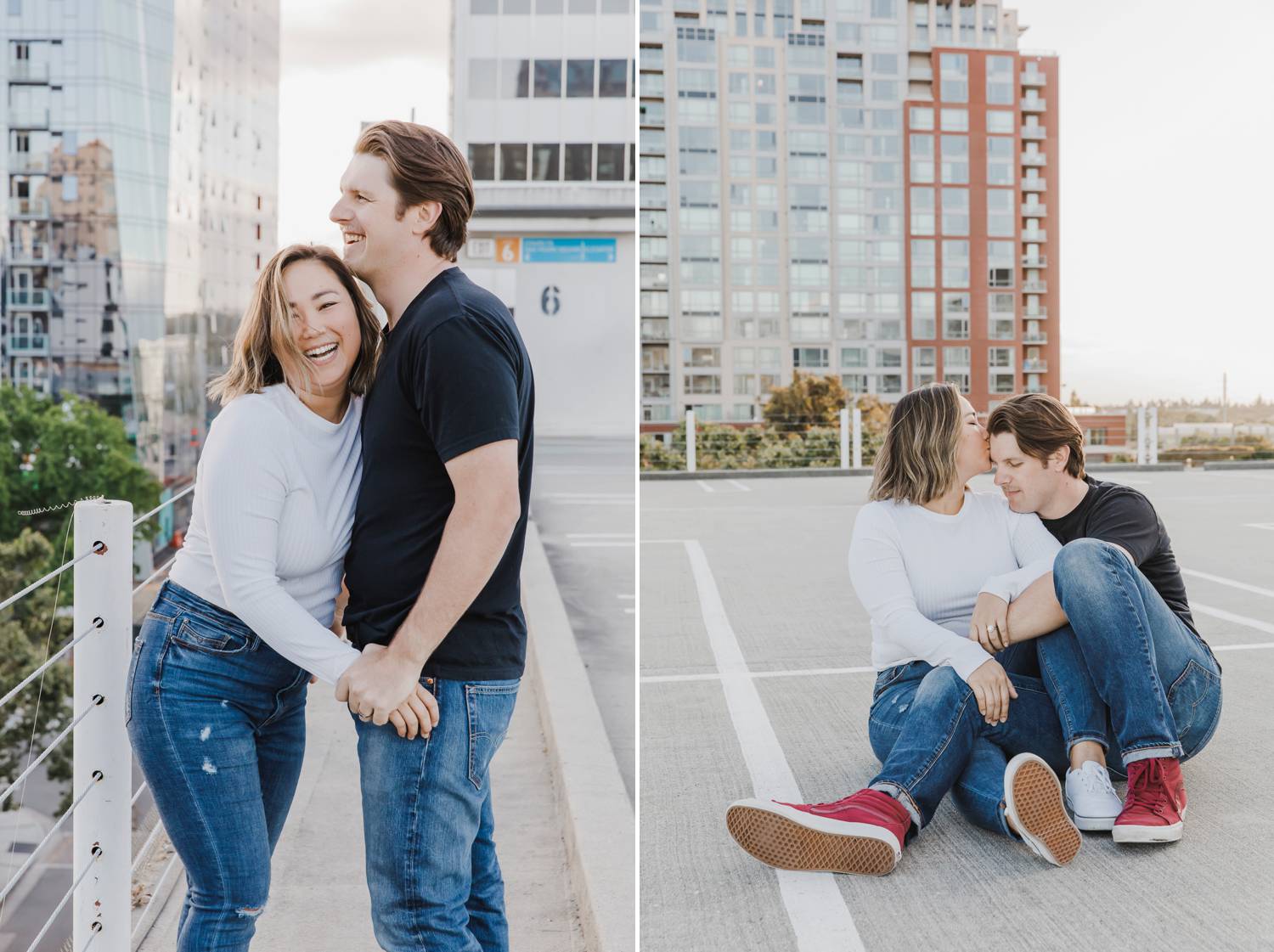
Moving closer in portrait shots enhances intimacy. You catch subtle facial expressions and skin texture—elements that create emotional connection.
Street Photography
In street photography, proximity means involvement. Your audience feels like they’re right there on the corner with you, hearing the street sounds and smelling the food stalls.
Wildlife Photography
While you can’t (and shouldn’t) always physically get close to wild animals, the concept still applies. Use long lenses to visually close the distance without disturbing your subject.
How to Get Close Without Being Intrusive
Physical Movement vs. Zoom Lens
There’s a saying: “Zoom with your feet.” Moving closer physically changes the relationship between you and your subject, affecting depth and perspective in ways a zoom lens can’t.
Building Trust With Your Subject
For people or animals, getting closer requires trust. Smile, move slowly, and respect personal space. If your subject feels comfortable, your photos will reflect that.
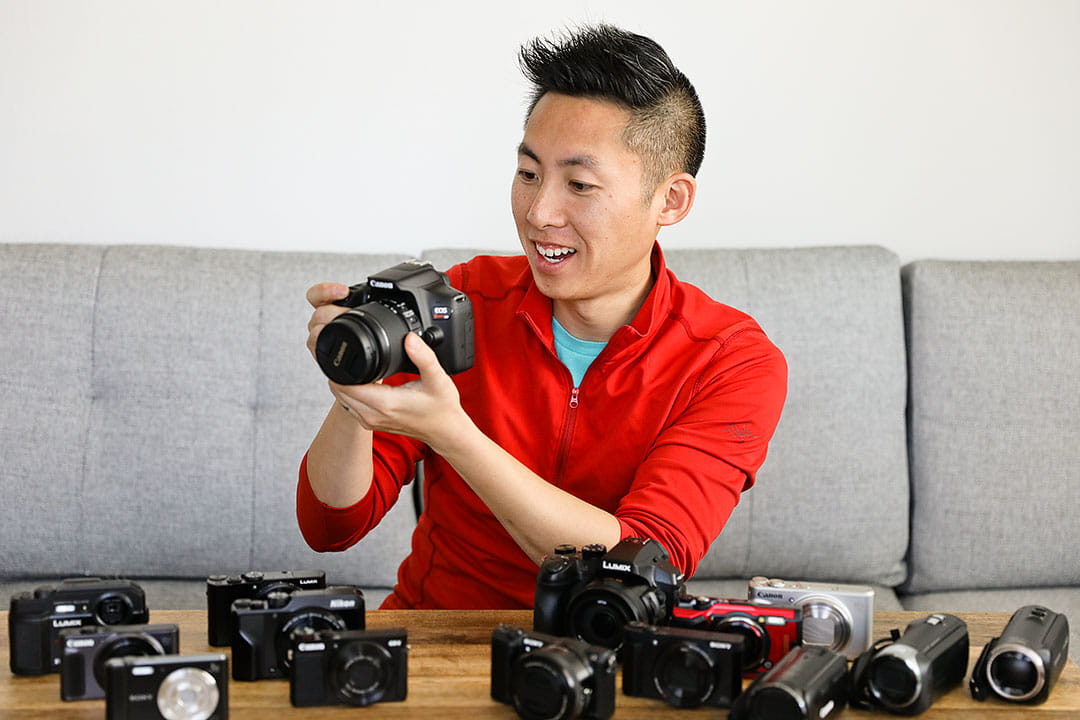
Gear Considerations for Close-Up Shots
Prime Lenses vs. Zoom Lenses
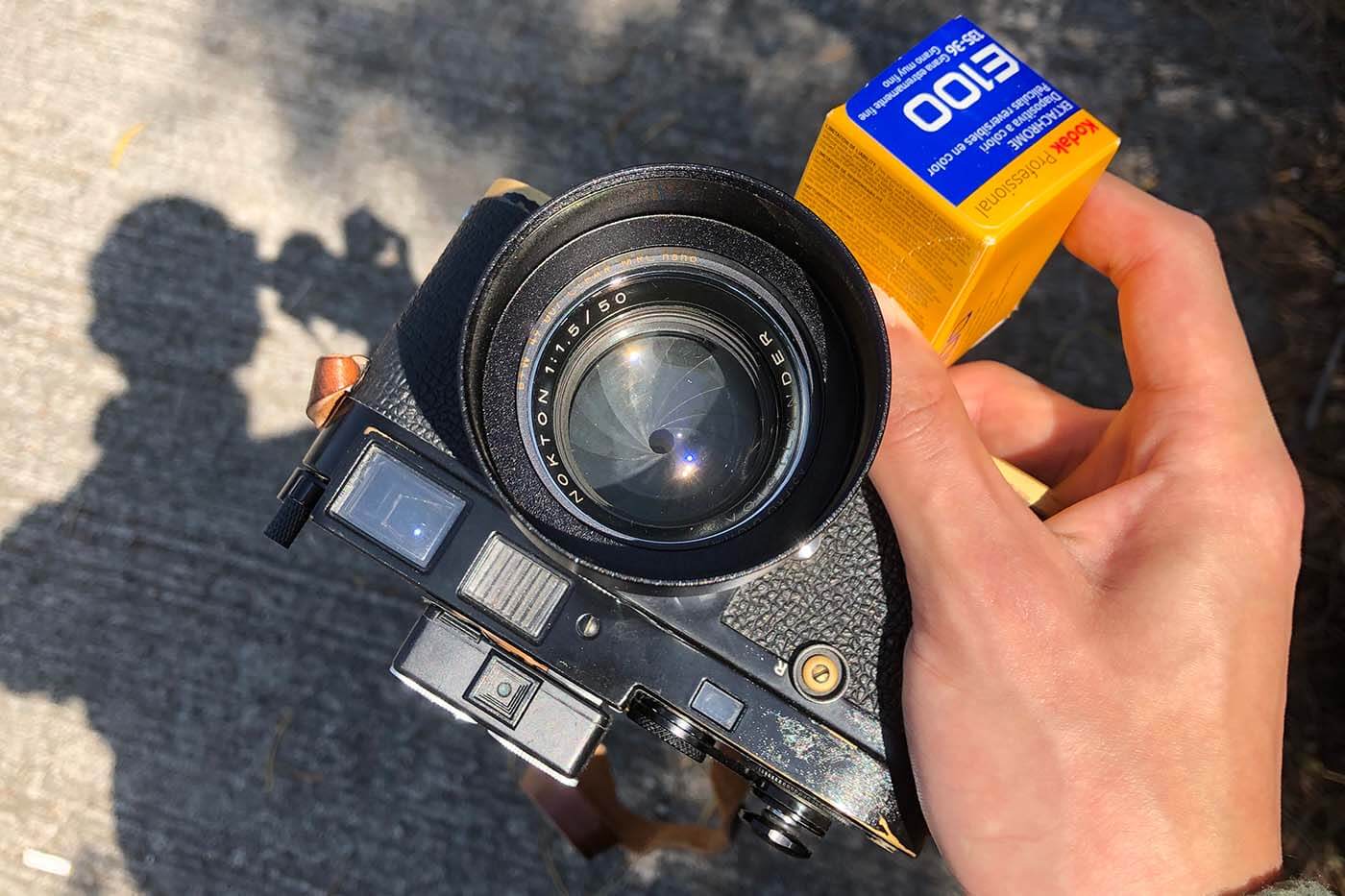
Prime lenses often have sharper image quality and larger apertures, making them perfect for close work.
Recommended Focal Lengths
For portraits, 50mm–85mm is a sweet spot. For macro shots, you’ll want something in the 90mm–105mm range to capture extreme detail.
Creative Techniques for Close Photography
Framing and Composition Tricks
Use surrounding elements—like a window frame or archway—to frame your close subject for more depth and context.
Playing With Depth of Field
A shallow depth of field (low f-stop) blurs the background, making your close subject pop even more.
Using Leading Lines Up Close
Leading lines guide the viewer’s eyes straight to your subject, especially effective when combined with close framing.
Common Mistakes When Getting Close
Distortion Issues
Go too close with a wide-angle lens, and you’ll warp your subject’s proportions. A nose might suddenly look huge, or a hand stretched toward the camera will dominate the frame.
Overcrowding the Frame
Sometimes, less is more. Don’t fill every inch with your subject—leave room for breathing space unless you’re going for an extreme close-up.
Pro Tips for Perfect Close Shots
Anticipating Movement
If your subject moves, be ready to adjust. Pre-focus and track them so you don’t miss the shot.
Choosing the Right Background
Even up close, the background matters. A distracting pattern or bright color can steal focus from your subject.
Real-World Examples of Photography Tip 19
Iconic Close-Up Shots in History
Think of Steve McCurry’s Afghan Girl. The piercing eyes dominate the frame, pulling you in instantly.
Modern Influencers Using the Technique
Scroll through Instagram, and you’ll see countless photographers using close shots to make their images stand out in the endless feed.
Conclusion
Photography Tip 19—get close to your subject—isn’t just about physical distance. It’s about emotional closeness, storytelling, and engaging your viewer in a way that distant shots simply can’t match. Whether you’re shooting people, animals, or objects, try closing the gap next time. You’ll be surprised how much more alive your photos feel.
FAQs
- Does getting close always mean physically moving in?
Not always. For wildlife or shy subjects, you can use a telephoto or macro lens to visually close the gap. - Will getting too close cause distortion?
Yes, especially with wide-angle lenses. Use the right focal length to avoid unnatural proportions. - Can I use this tip in landscape photography?
Absolutely. Focus on a single tree, rock, or flower to create a striking foreground element. - Is this tip suitable for phone photography?
Definitely. Move your phone closer or use macro mode for amazing detail shots. - How does this tip help storytelling in photography?
Proximity creates intimacy and detail, making the story feel personal and immediate.
“Discover more photography tips, gear reviews, and creative inspiration at CameraTale.com—your go-to guide for mastering the art of photography.”
“At CameraTale.com, we bring you hands-on advice, expert insights, and fresh ideas to take your photography from average to unforgettable.”