
What Is Bokeh in Photography?
A Simple Definition
Bokeh (pronounced “boh-kay”) is the aesthetic quality of out-of-focus areas in a photograph. A pleasing bokeh creates a soft, artistic background that supports the subject without competing with it.
Why Photographers Love Bokeh
Good bokeh simplifies a scene by minimizing distractions and transforming point lights into soft, luminous shapes. It’s a reliable way to give photos a premium, intentional look.
Understanding How Bokeh Works
The Science Behind the Blur
Bokeh results from how lenses render out-of-focus point sources. The aperture shape and optical design dictate highlight shape and edge rendering.
Types of Bokeh (Smooth vs. Harsh)
Smooth bokeh features gradual tonal transitions; harsh bokeh has abrupt edges or unflattering scattering. Lens choice and aperture tuning help you aim for the smooth side of the spectrum.
How Bokeh Helps Emphasize Subjects
Drawing the Viewer’s Eye
By reducing background detail, bokeh acts like selective focus—guiding the viewer’s gaze immediately to the subject.
Creating Depth and Mood
Bokeh adds depth, giving a three-dimensional feeling to two-dimensional images and enabling photographers to craft specific moods—romantic, moody, or airy—depending on the light and color palette.
Camera Settings for Stunning Bokeh
Aperture and f-stop Choices
Open your aperture wide when possible. But be mindful of the focus plane; very wide apertures require precise focusing technique.
Focal Length and Lens Type
Use telephoto primes for portrait-style compression and softer backgrounds; wide-angle lenses require you to get closer to achieve similar separation.
Distance Between Subject and Background
More distance yields stronger background blur. Position subjects away from busy scenes to isolate them with creamier bokeh.
Choosing the Right Lens for Bokeh
Prime Lenses vs. Zoom Lenses
Primes often offer better image quality and wider maximum apertures at competitive prices. Consider a fast prime for portraits and shallow-depth work.
Specialty Lenses for Creamy Bokeh
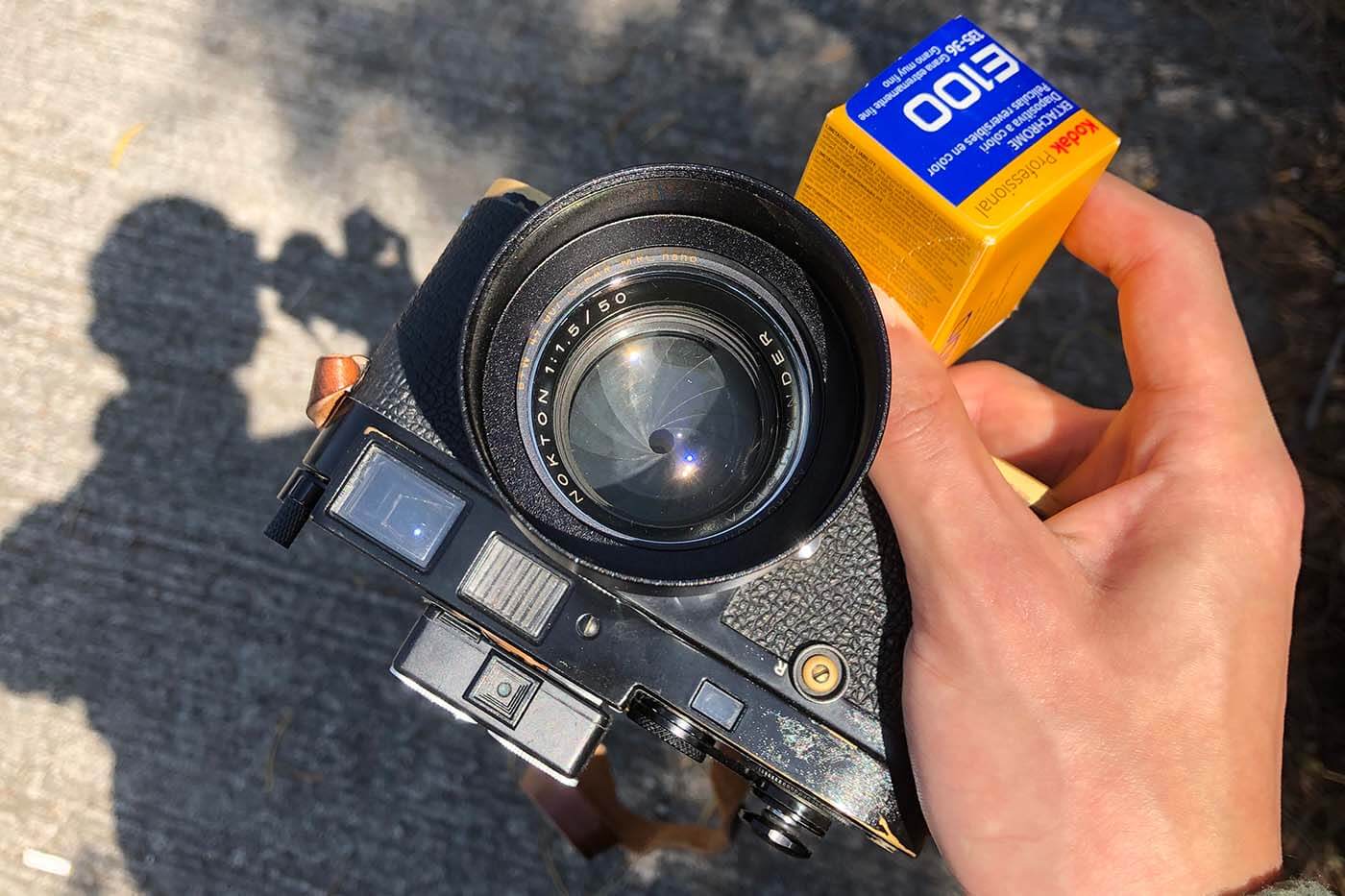
Look for lenses praised for bokeh in reviews and sample galleries. Some vintage lenses and modern portrait optics produce unique and beautiful blur characteristics.
Lighting Tips for Better Bokeh
Using Natural Light
Backlight subjects or seek dappled light to create highlight points that become pleasing bokeh elements.
Artificial Light and Background Effects
Place small, bright lights in the background and use a wide aperture to render them into soft circles that complement the subject.
Creative Ways to Use Bokeh in Your Shots
Bokeh Shapes and Filters
Cut a fun shape into black cardstock and stick it over your lens to turn highlights into hearts, stars, or anything you like—great for engagement shoots and themed sessions.
Night Photography and Festive Lights
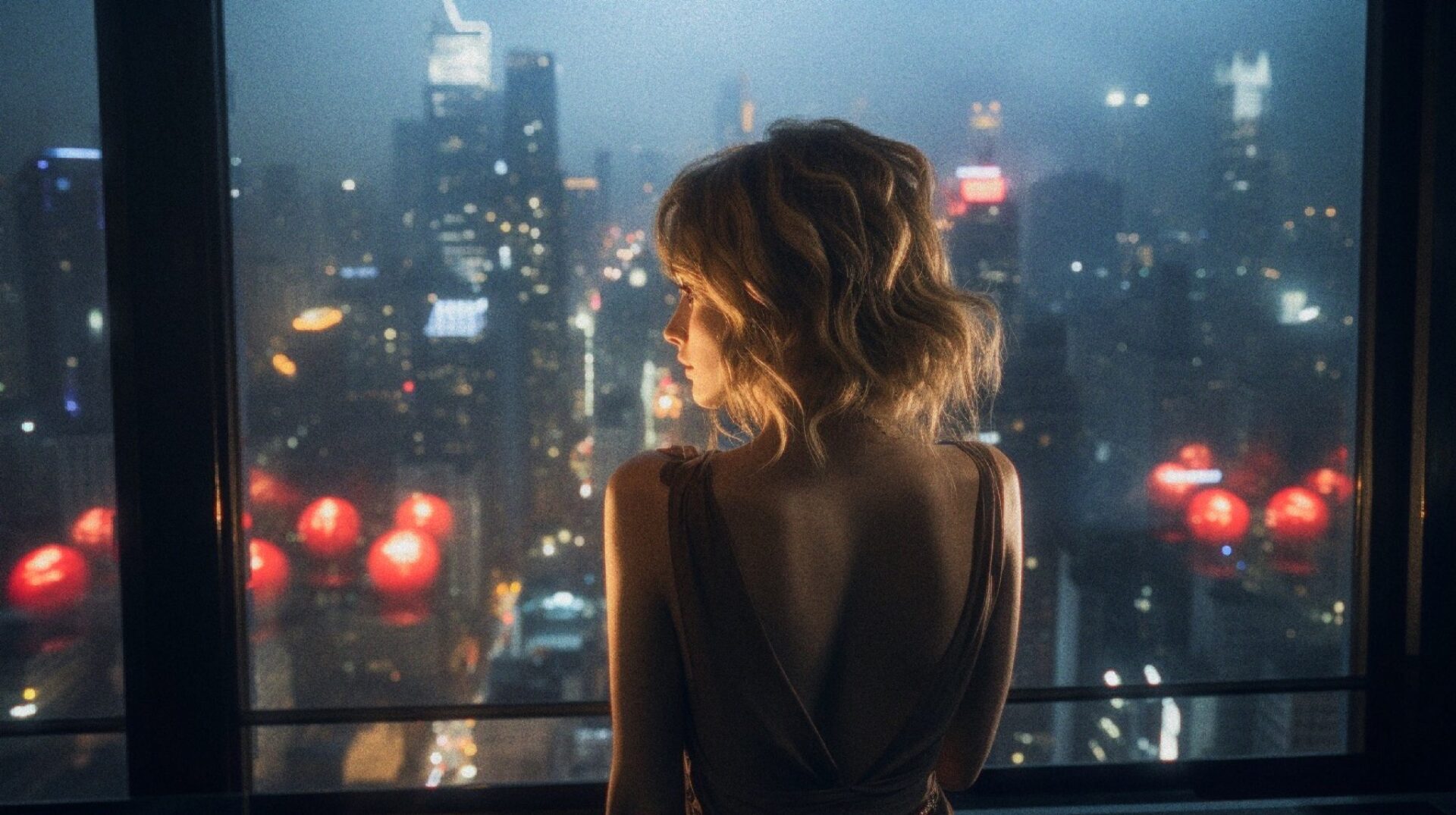
Shoot at night when there are point sources—city lights, car taillights, storefronts—so they render as pleasing bokeh elements behind your subject.
Common Mistakes to Avoid When Shooting Bokeh
Overdoing the Blur
Balance is key. Keep context when the location matters; extreme blur isn’t always appropriate.
Losing Subject Clarity
Always prioritize sharpness on your subject’s key feature—usually the eyes for portraits. Review shots on a larger screen when possible.
Post-Processing to Enhance Bokeh
Lightroom and Photoshop Tips
Use local adjustment brushes to subtly soften backgrounds or lift highlights that make bokeh look airy. Avoid over-sharpening background elements.
Subtle vs. Dramatic Edits
When in doubt, keep edits subtle. If you choose to add blur artificially, track light direction and grain to preserve realism.
Practice Makes Perfect
Experimenting with Different Scenarios
Make a practice checklist: lens used, aperture, focal length, subject distance, and lighting. Iterate quickly and learn which combos work for your style.
Conclusion
Bokeh is a powerful compositional tool. Beyond its visual appeal, it simplifies scenes and strengthens storytelling by directing attention. Use aperture, lens choice, and background distance intentionally, and pair them with thoughtful lighting to get expressive, professional results. Keep practicing—every experiment teaches something new about how light and glass interact.
FAQs
- Can I get good bokeh with crop-sensor cameras?
Yes—use faster lenses and longer focal lengths, and position the subject farther from the background. You may need to be a touch closer to the subject to achieve the same framing. - Which aperture should I start with for portraits?
Start at f/1.8 or f/2.8 for a classic portrait look. If you’re working with groups, narrow the aperture to f/4–f/5.6 to keep multiple faces in focus. - Do lens coatings affect bokeh?
Lens coatings impact contrast and flare, which indirectly shape how highlights render in out-of-focus areas. They won’t change the blur shape but can influence how luminous highlights appear. - How do I maintain sharp subject focus with wide apertures?
Use single-point AF, focus on the nearest eye, and consider back-button focus or manual focus peaking when available. - Is vintage glass better for bokeh?
Some vintage lenses produce distinctive, pleasing bokeh due to unique optical designs. They can be great for creative looks but may require manual focus and acceptance of oddities like vignetting.
More Tips: See Tip #38 | See Tip #40